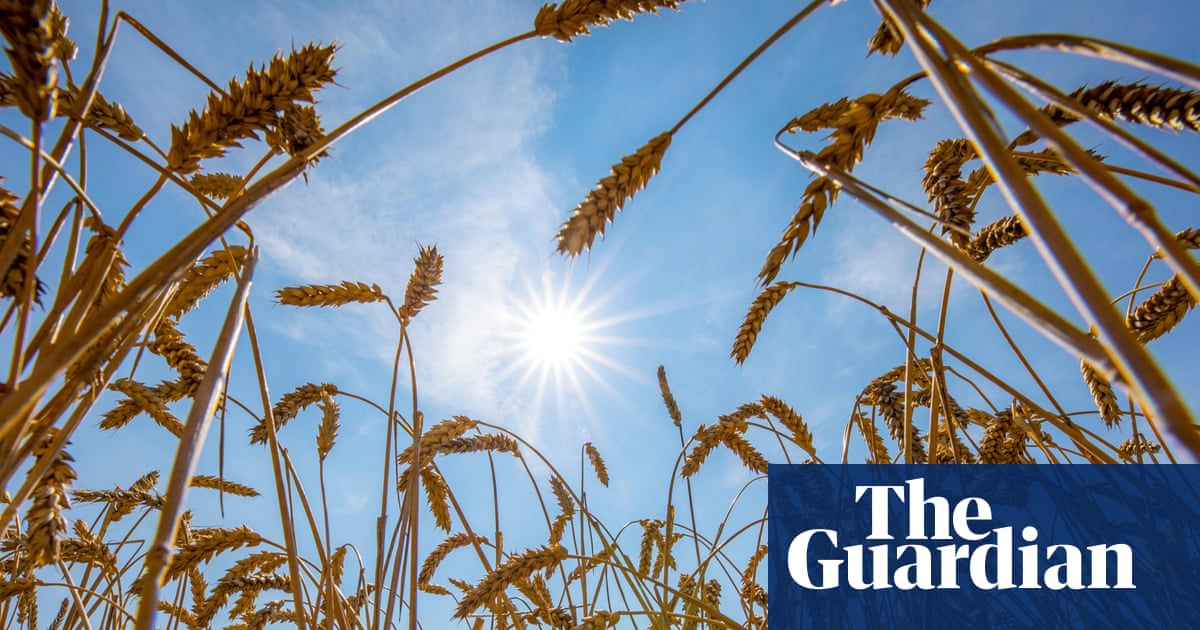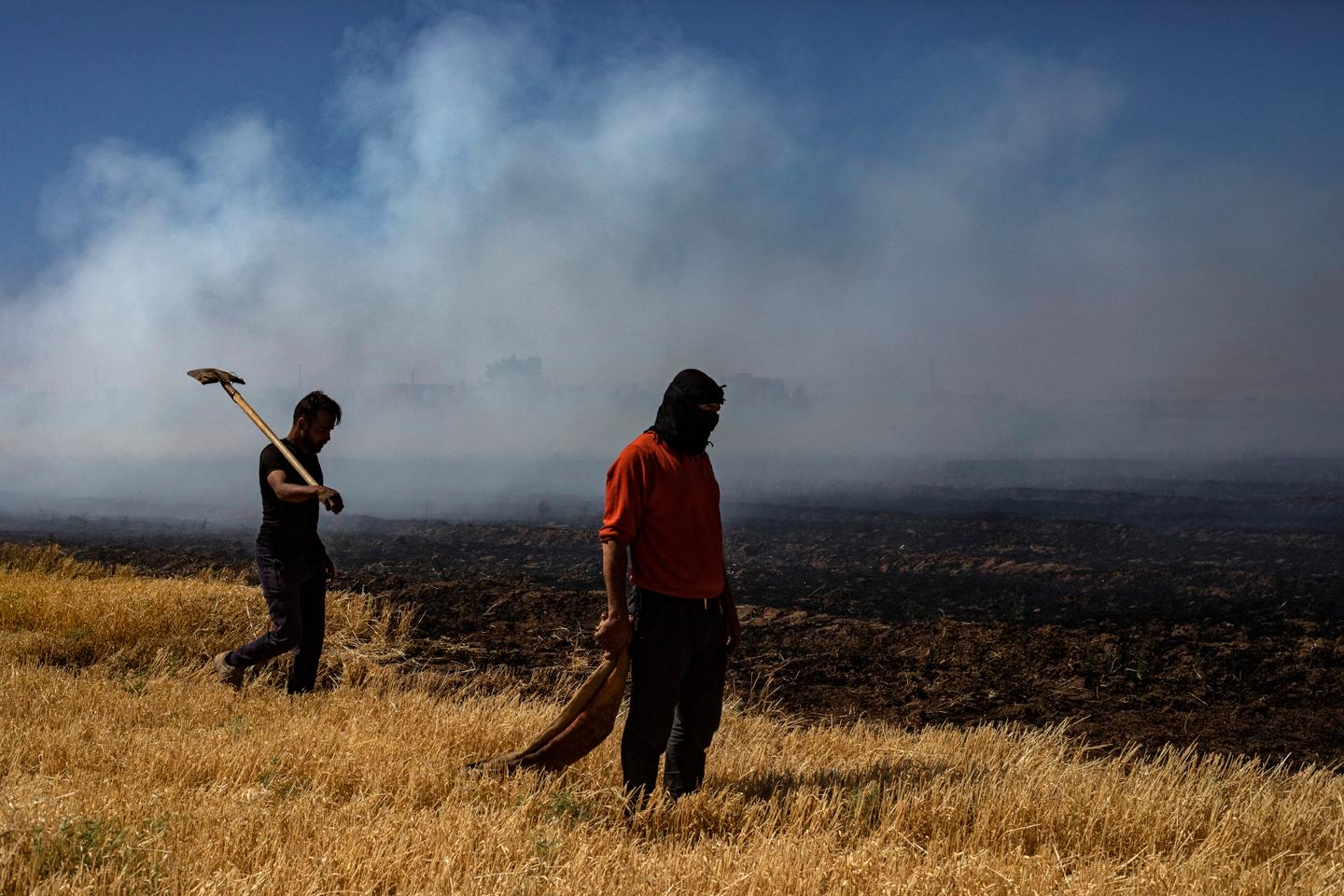
In a wheat field partially destroyed by a fire in Kamechliyé, Syria, during a severe drought, June 2, 2025. DELIL SOULEIMAN/AFP
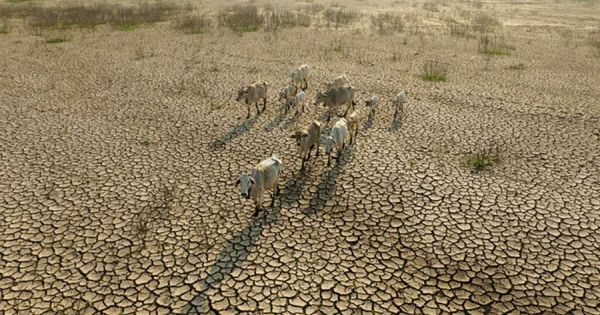
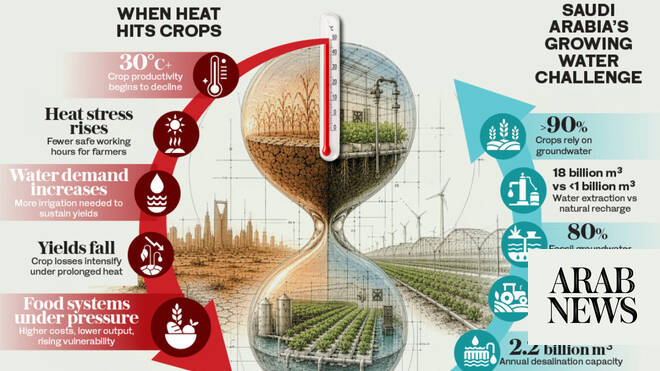
With yield losses, animal deaths, workplace hardship and fires, extreme heat has become one of the most serious and critical threats to agricultural systems, endangering food security and the livelihoods of more than one billion people worldwide. In a report published on Wednesday, April 22, the United Nations Food and Agriculture Organization (FAO) and the World Meteorological Organization (WMO) warn of the urgent need to adapt agricultural practices to changing climate conditions.
The report synthesizes data from literature on the impact of extreme heat on crops, livestock, fisheries, aquaculture, forests and agricultural workers. The study is the result of over a year of work, with information collected being "by nature heterogeneous" and sometimes only reported in local press articles, noted Martial Bernoux, head of the climate team in the FAO's Climate Change, Biodiversity and Environment Office. The work was undertaken following the global call to climate action launched in July 2024 by United Nations Secretary General Antonio Guterres, due in particular to "the worsening of extreme temperatures, with deaths in some countries," he recalled.