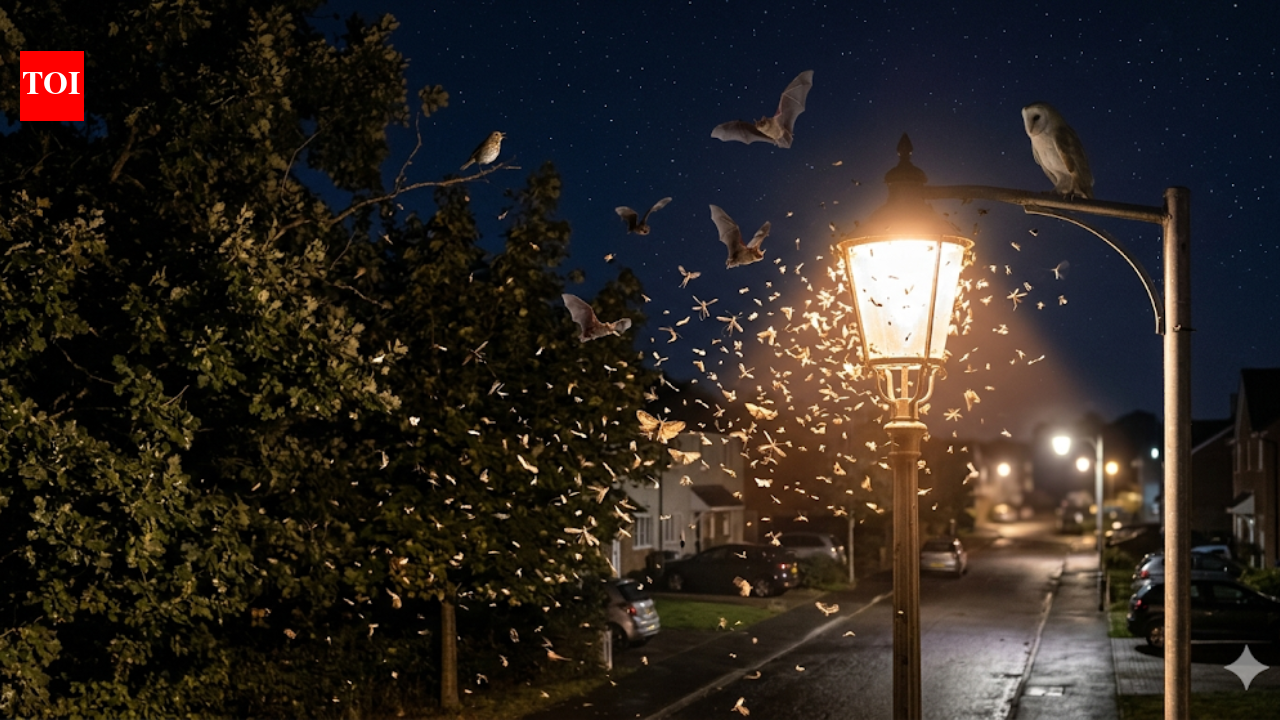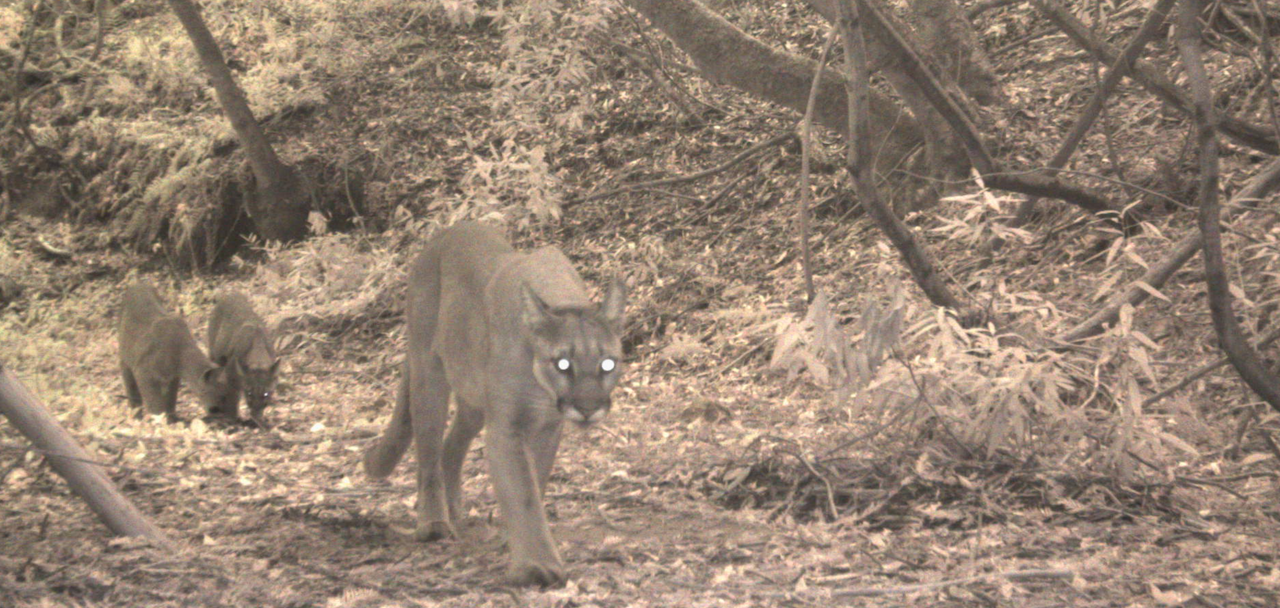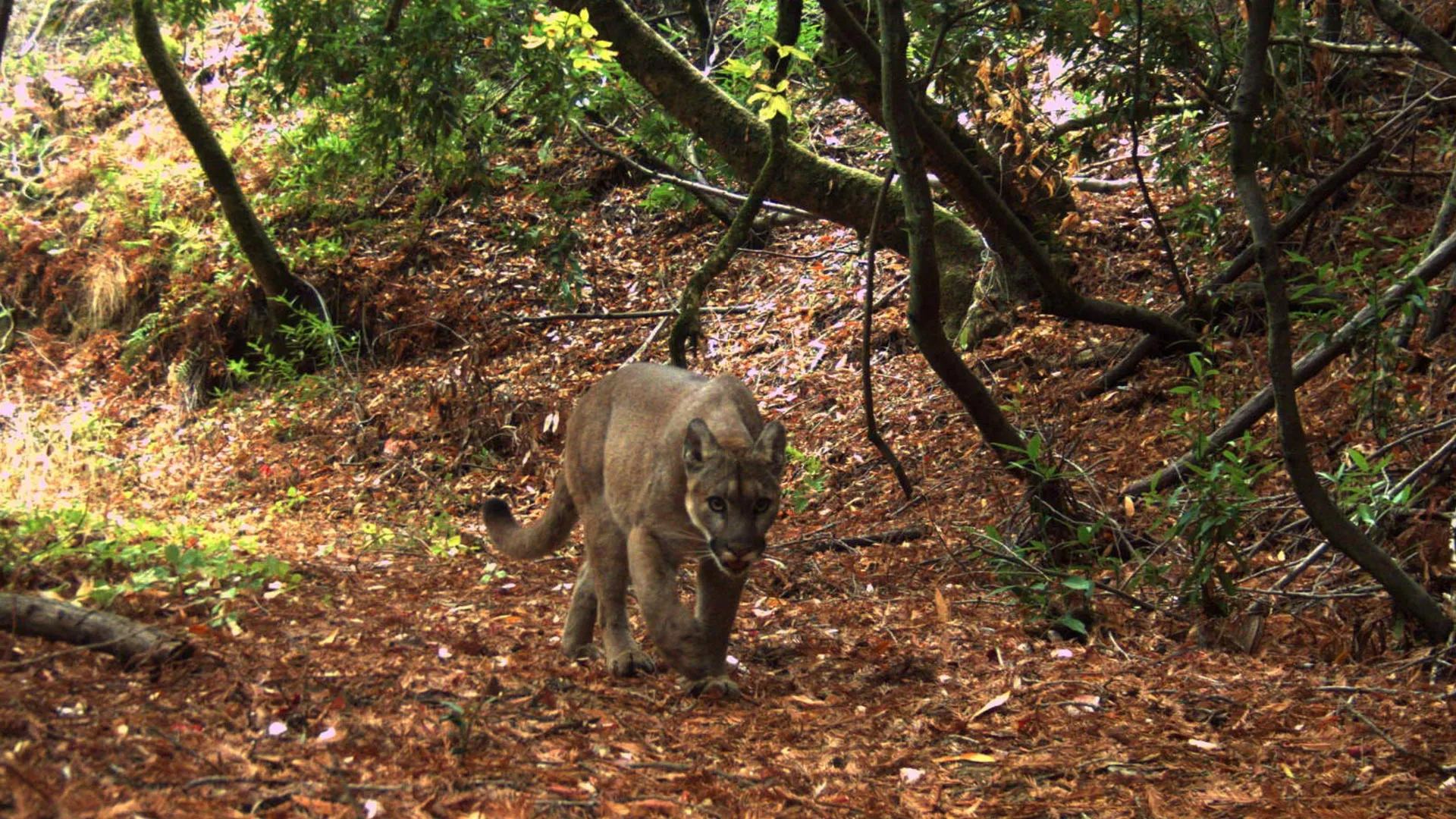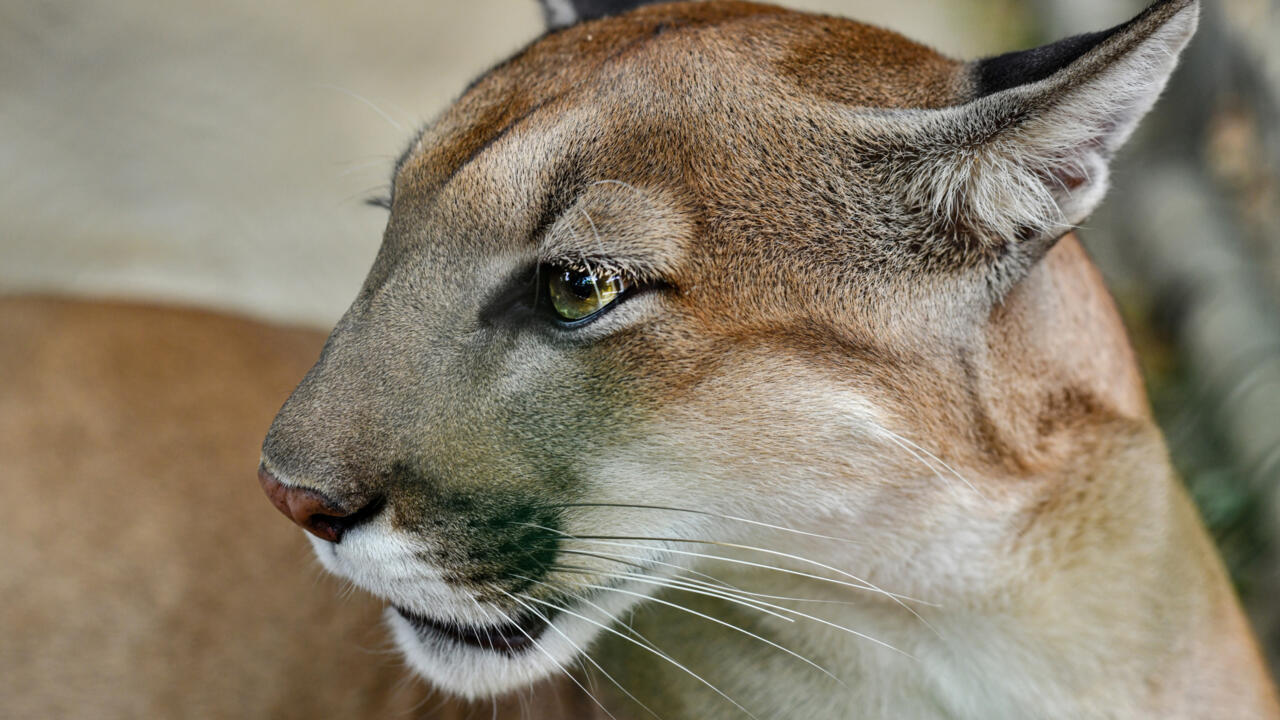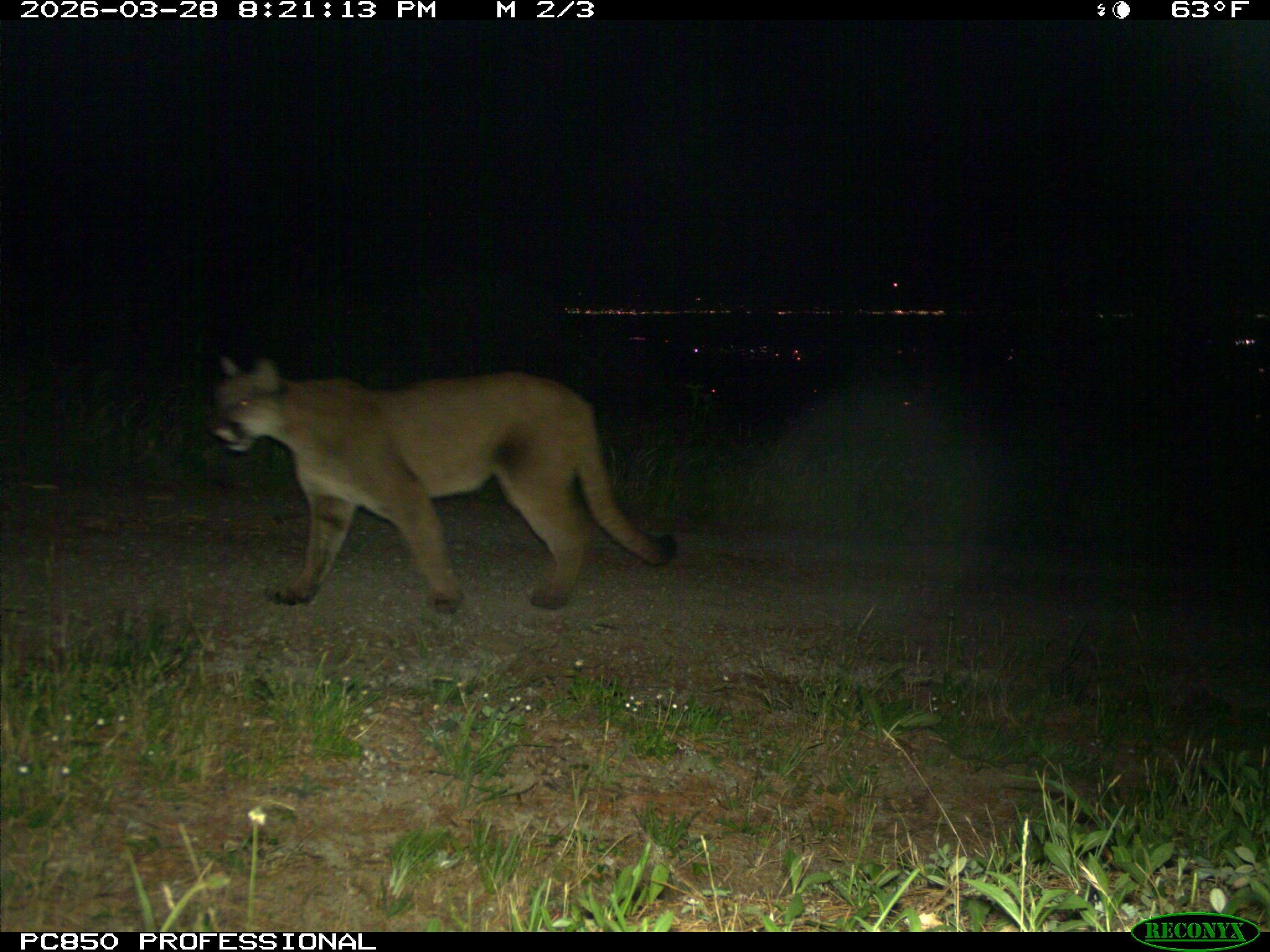
A new study finds that bright lights at night change wildlife behavior at the edge of cities more than noise does, based on more than 35,000 days of camera footage in California’s San Mateo and Orange counties.Pumas and bobcats showed up less often in brightly lit areas, while mule deer spent more time in those areas at night, using the light as shield from predators.Artificial light shrinks pumas’ hunting grounds and pushes them into riskier places where they may encounter people, cars or pets, with potential long-term effects on body condition, reproduction and survival.The authors suggest addressing light pollution through shielded fixtures, motion sensors, dark-sky ordinances and connected, unlit corridors that allow wildlife to move through cities.
A new study from two California counties finds that artificial light at night is a stronger driver of wildlife behavior at the edge of urban environments than noise. This has ripple effects for predators and prey.
Researchers analyzed more than 35,000 camera-trap days from 61 stations in San Mateo county, on California’s central coast, and Orange county, in Southern California, between 2022 and 2024. They tracked an apex predator, the puma (Puma concolor); the bobcat (Lynx rufus); and an ungulate prey species, the mule deer (Odocoileus hemionus). The paper was published in Urban Ecosystems.