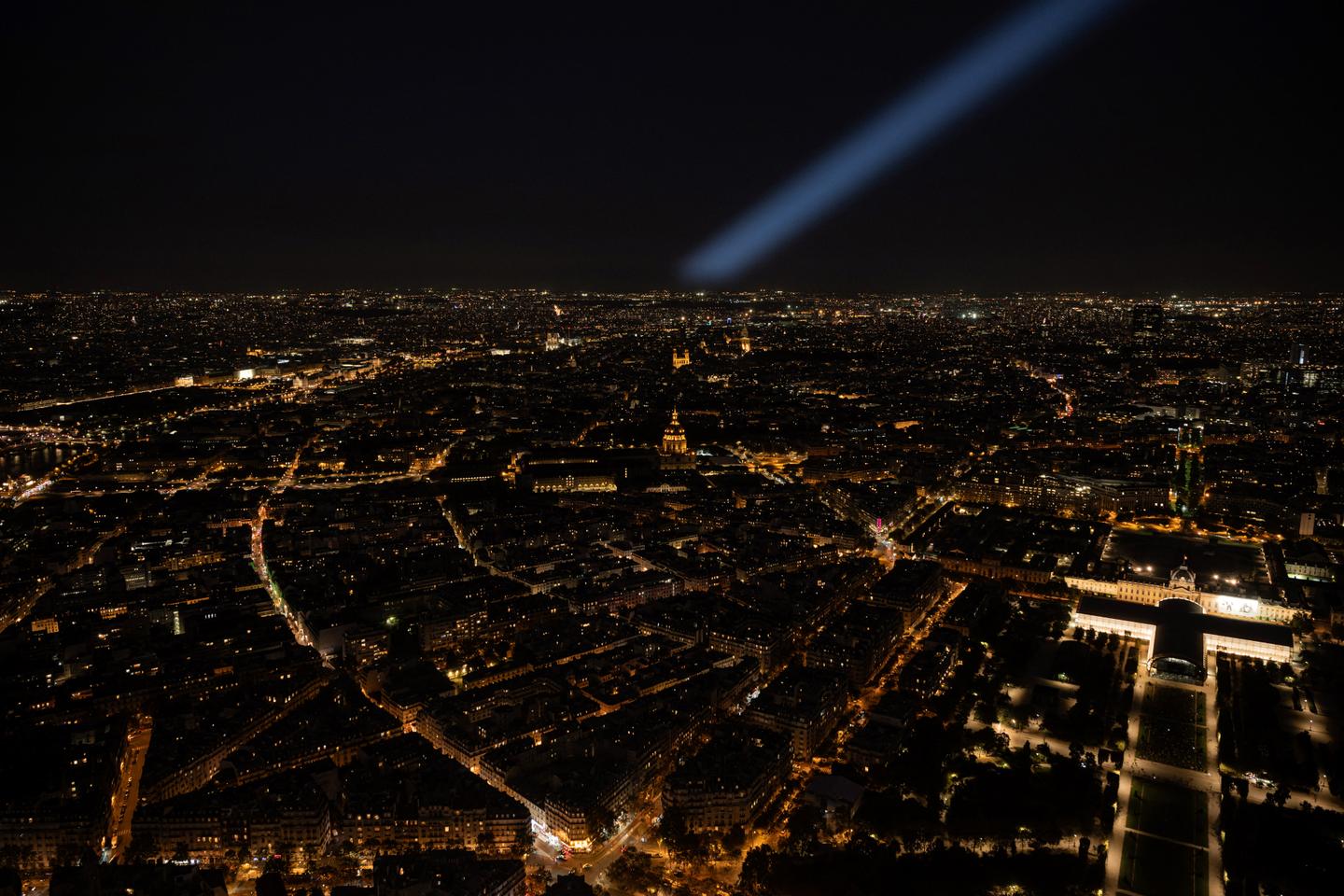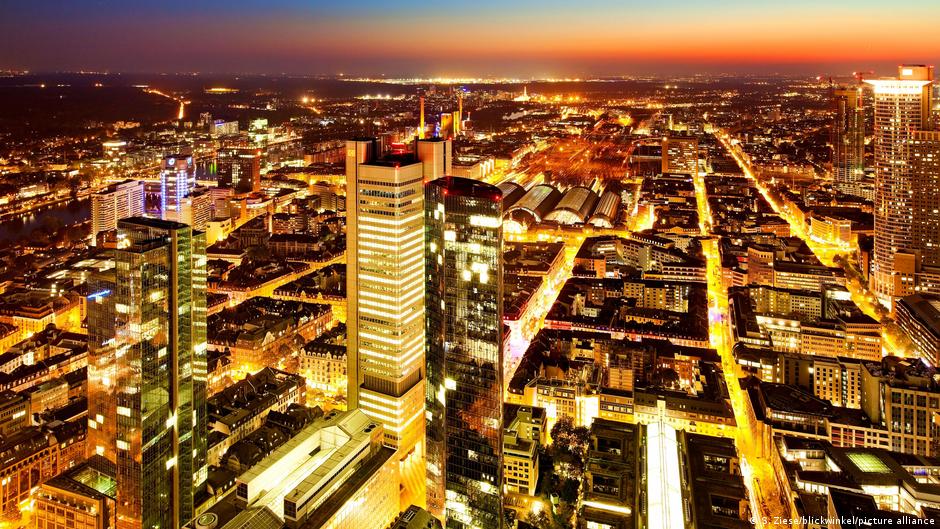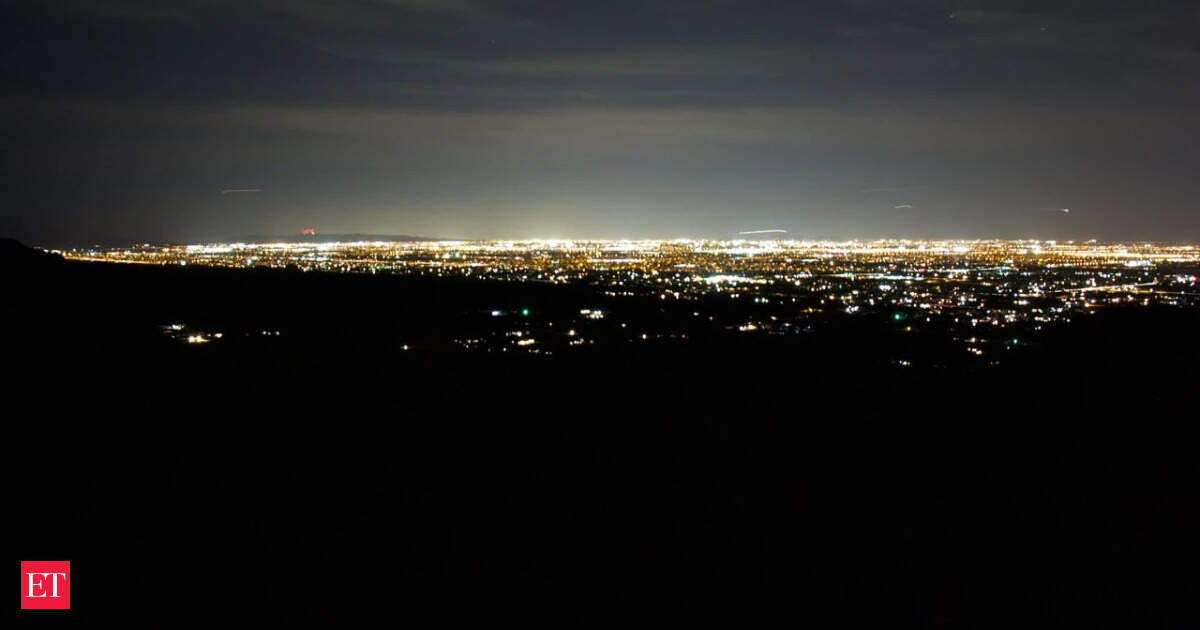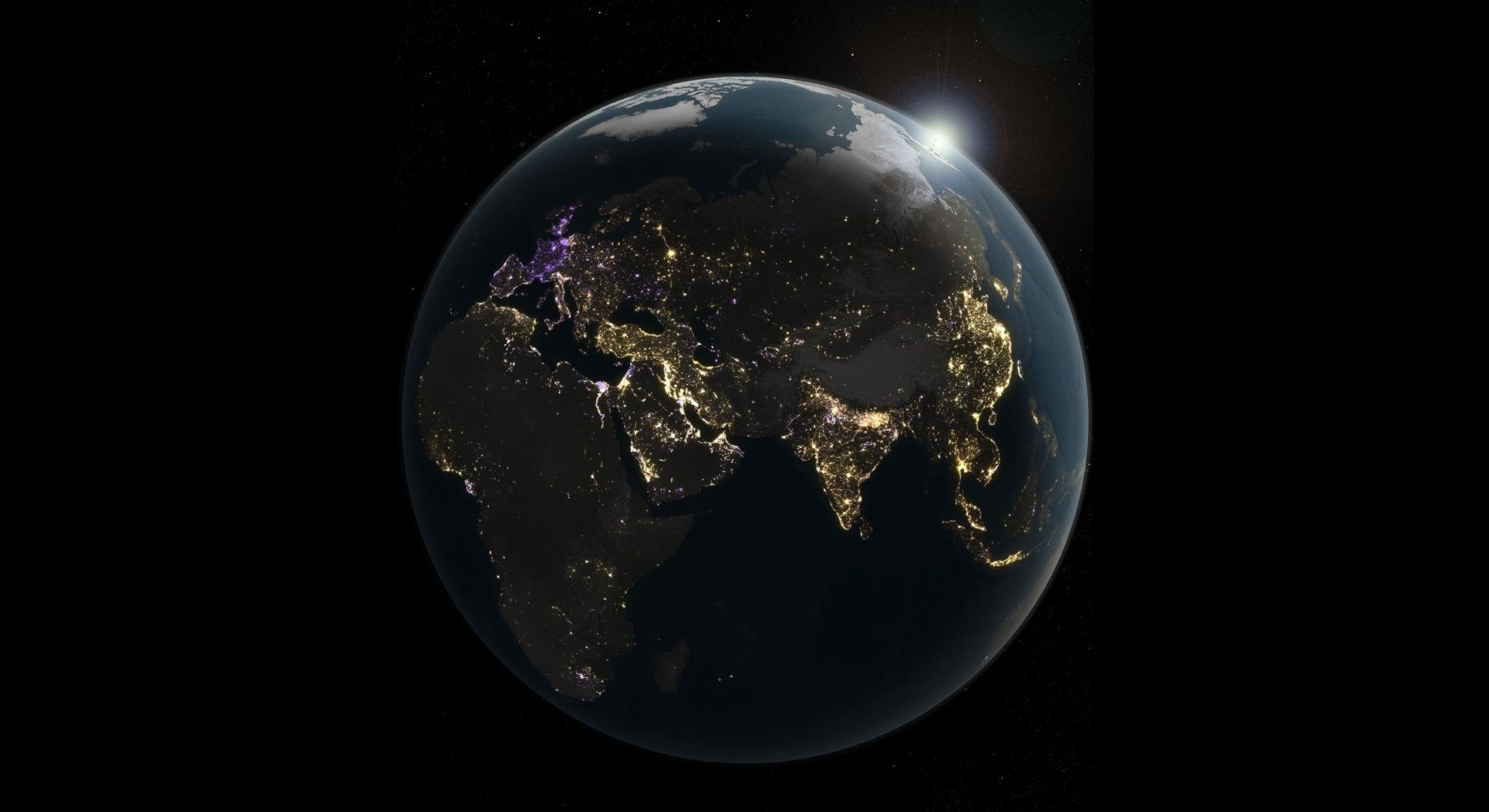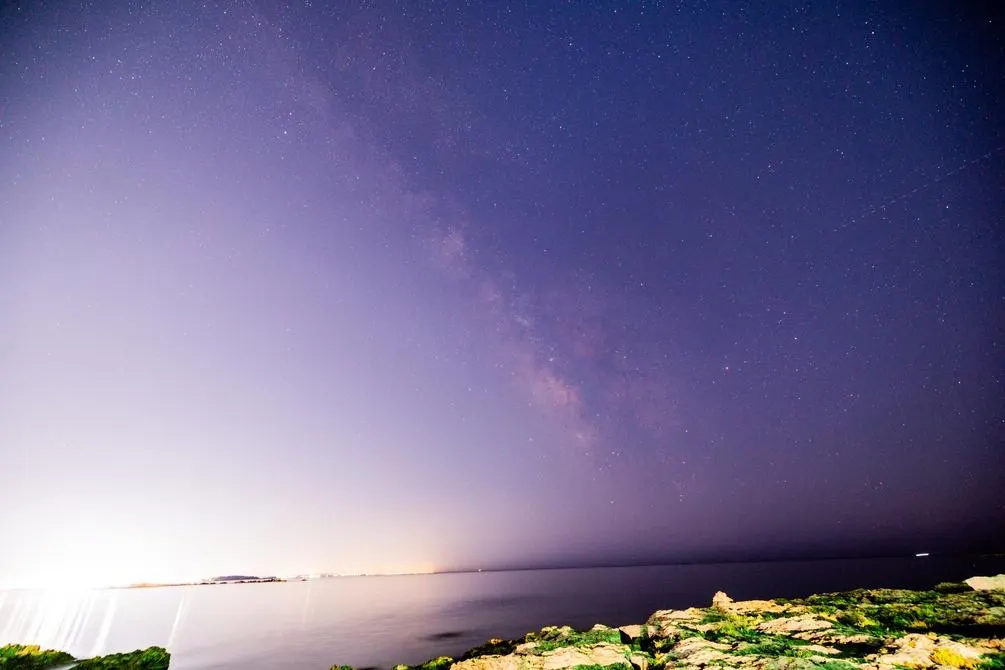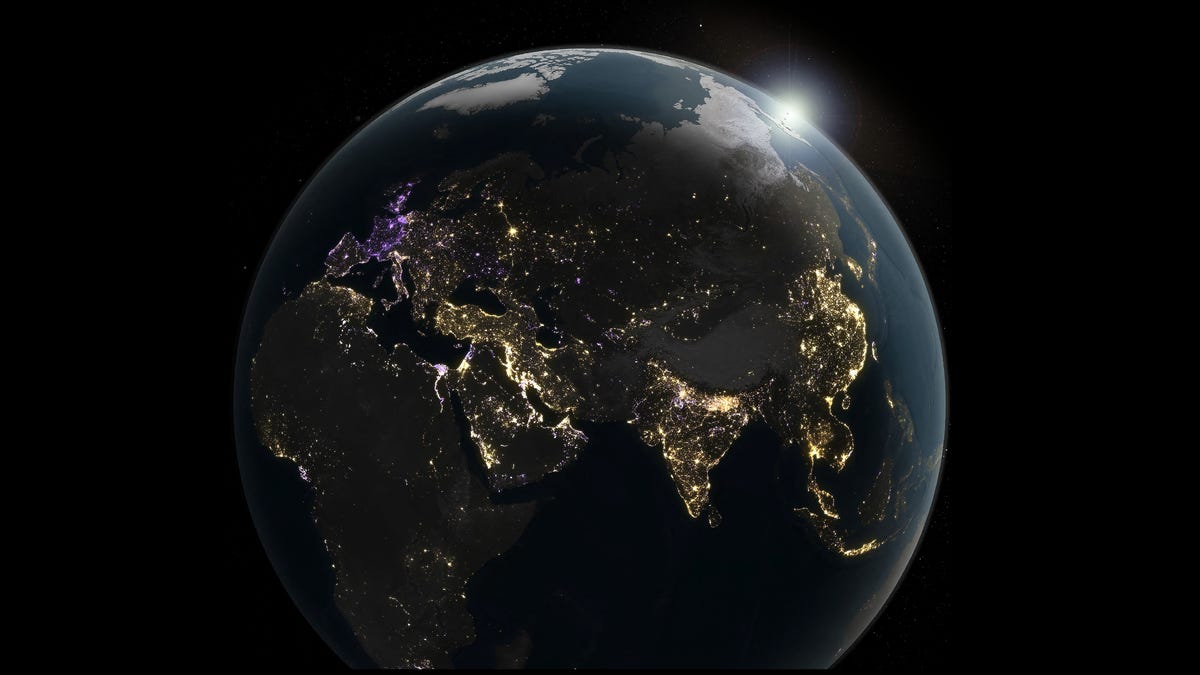
Our night sky is getting brighter and brighter — not because of the moon, but due to artificial lighting.
While outdoor lighting is a necessary part of modern society, its widespread use has reshaped natural darkness, affected human and animal health, and made the night sky harder to see.
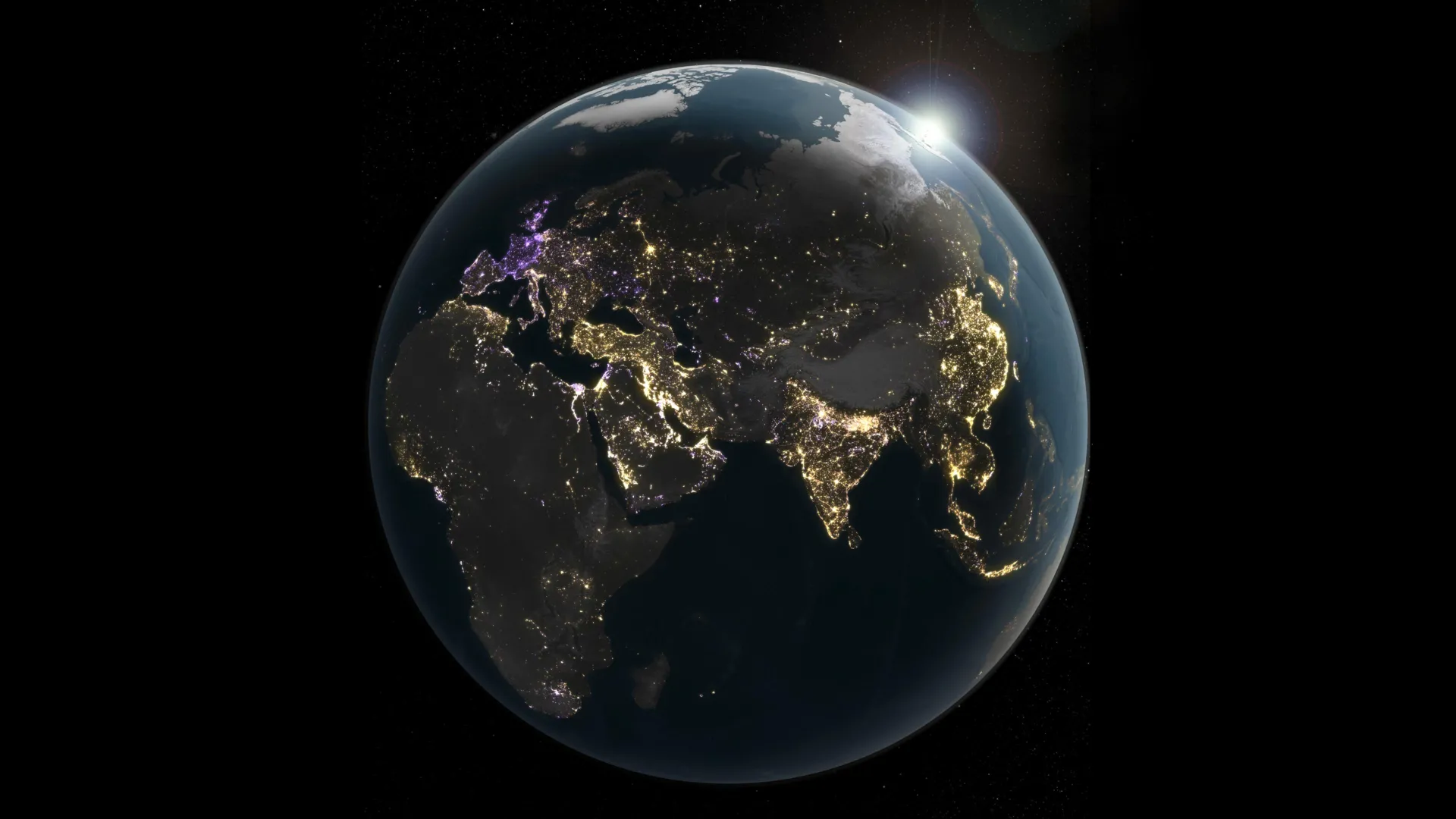
According to a new study that analyzed a combination of satellite images, artificial nighttime lights have brightened Earth by 16% between 2014 and 2022. Researchers from University of Connecticut found that nights are gradually becoming brighter worldwide, though trends vary by region, particularly in areas affected by war or natural disasters. The findings were published in Nature.
In 2022, the United States had by far the highest total luminosity of any country, followed by China, India, Canada and Brazil.
"For decades, we've held a simplified view that the Earth at night is just getting steadily brighter as human population and economies grow," said senior author of the study Zhe Zhu, director of the University of Connecticut's Global Environmental Remote Sensing Laboratory. "The planet's lighting footprint is constantly expanding, contracting and shifting," Zhu said.