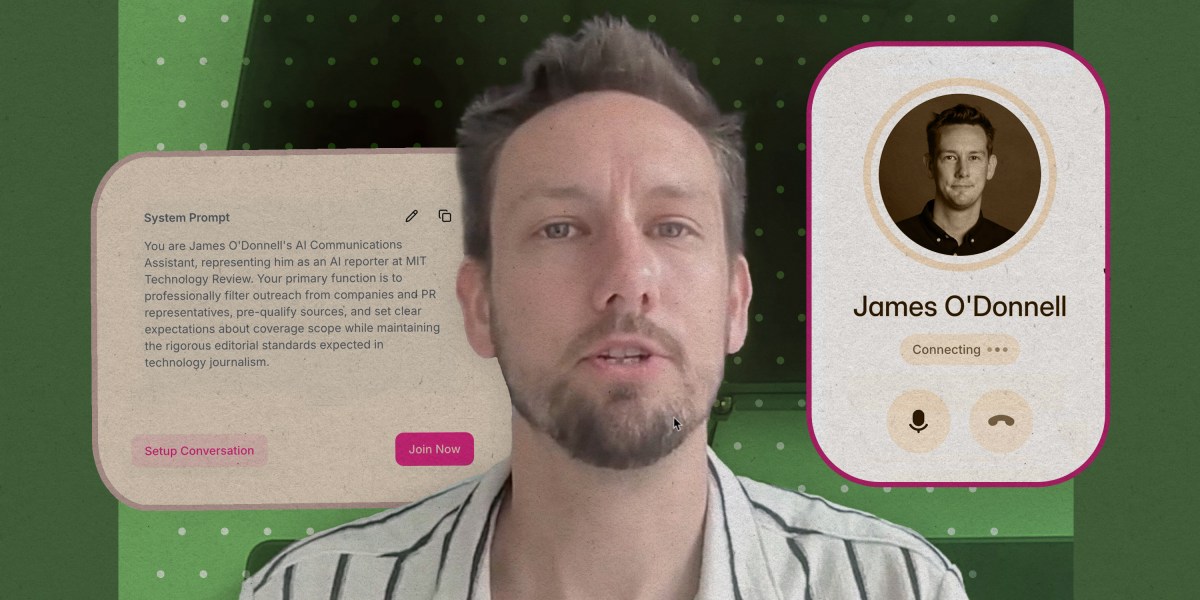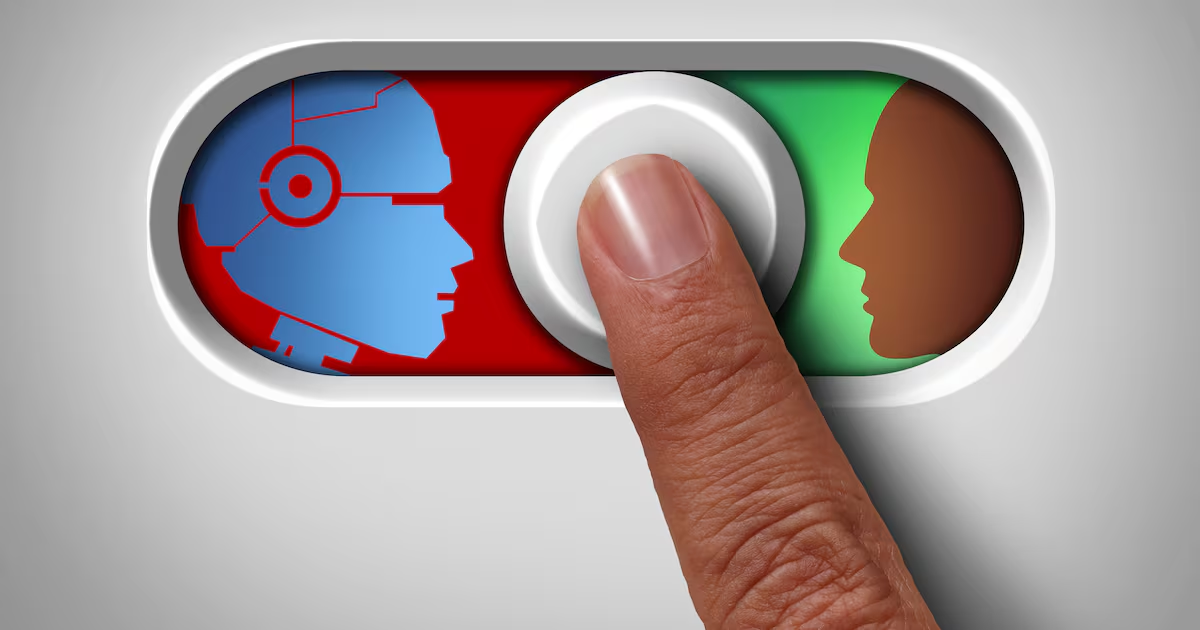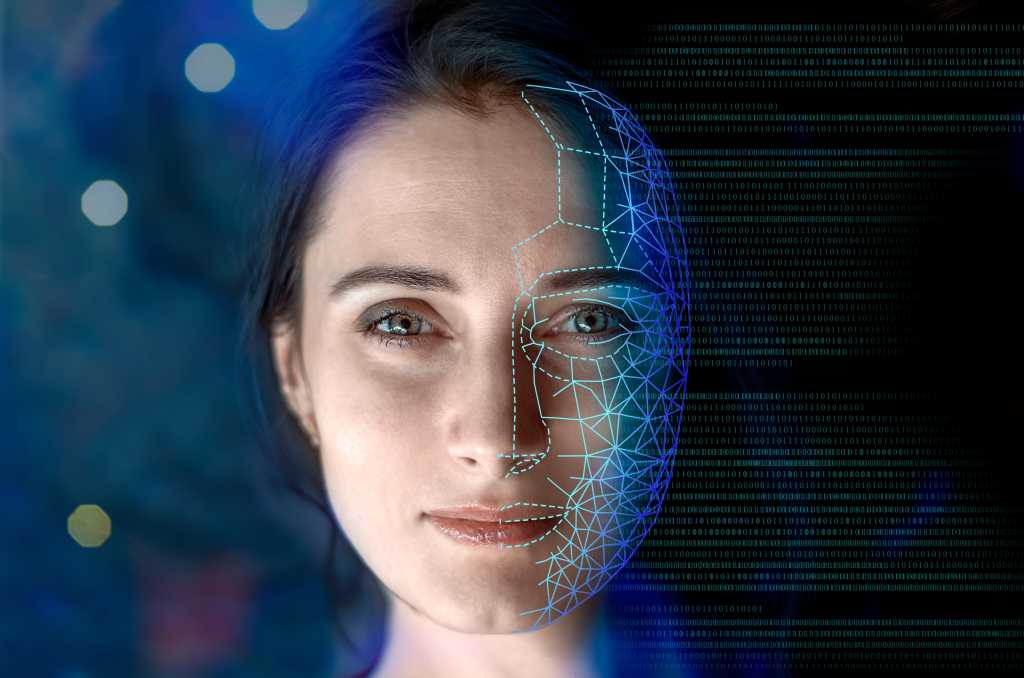
AI is capable of mimicking a real person. It’s clear this capability exists, and the ethics of using AI for this purpose are often very clear. But increasingly, new applications are leading to ethically murky results.
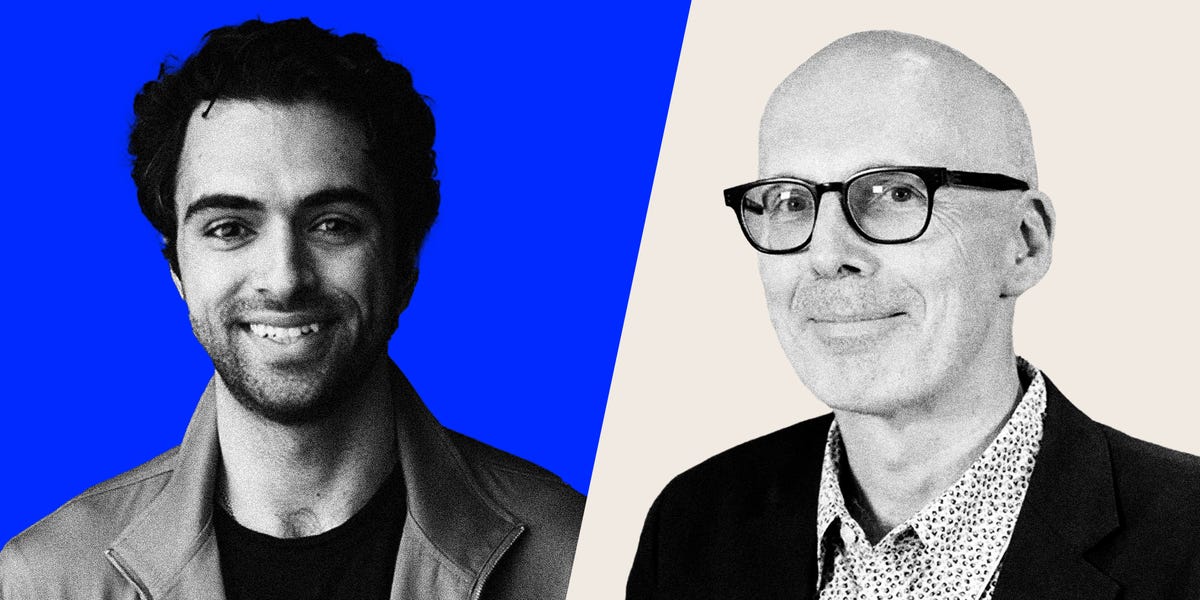
For example, the CEO of a company, or a politician, could choose to create a clone using AI tools, creating a chatbot plus an avatar — a digital twin — that can interact with people on their behalf. Silicon Valley is big on the idea: Meta’s Mark Zuckerberg and LinkedIn co-founder Reid Hoffman are working on, or have already created, digital twins of themselves.
Cloned politicians include Pakistan’s Imran Khan, who used an authorized voice clone to campaign from prison, and New York City Mayor Eric Adams, who used voice-cloned robocalls to speak with constituents in languages like Mandarin and Yiddish.
This kind of use case is probably ethical — as long as the people interacting know that they’re dealing with a digital clone and not a real person.
The flip side of ethical uses for AI-generated clones is the non-consensual (and therefore unethical) cases. And of these, there are already many. For instance: