A billboard tries to sell you something. So does a used car salesman. But no matter how smooth the pitch, you’re quite aware of the profit motive, and you can walk away at any time.
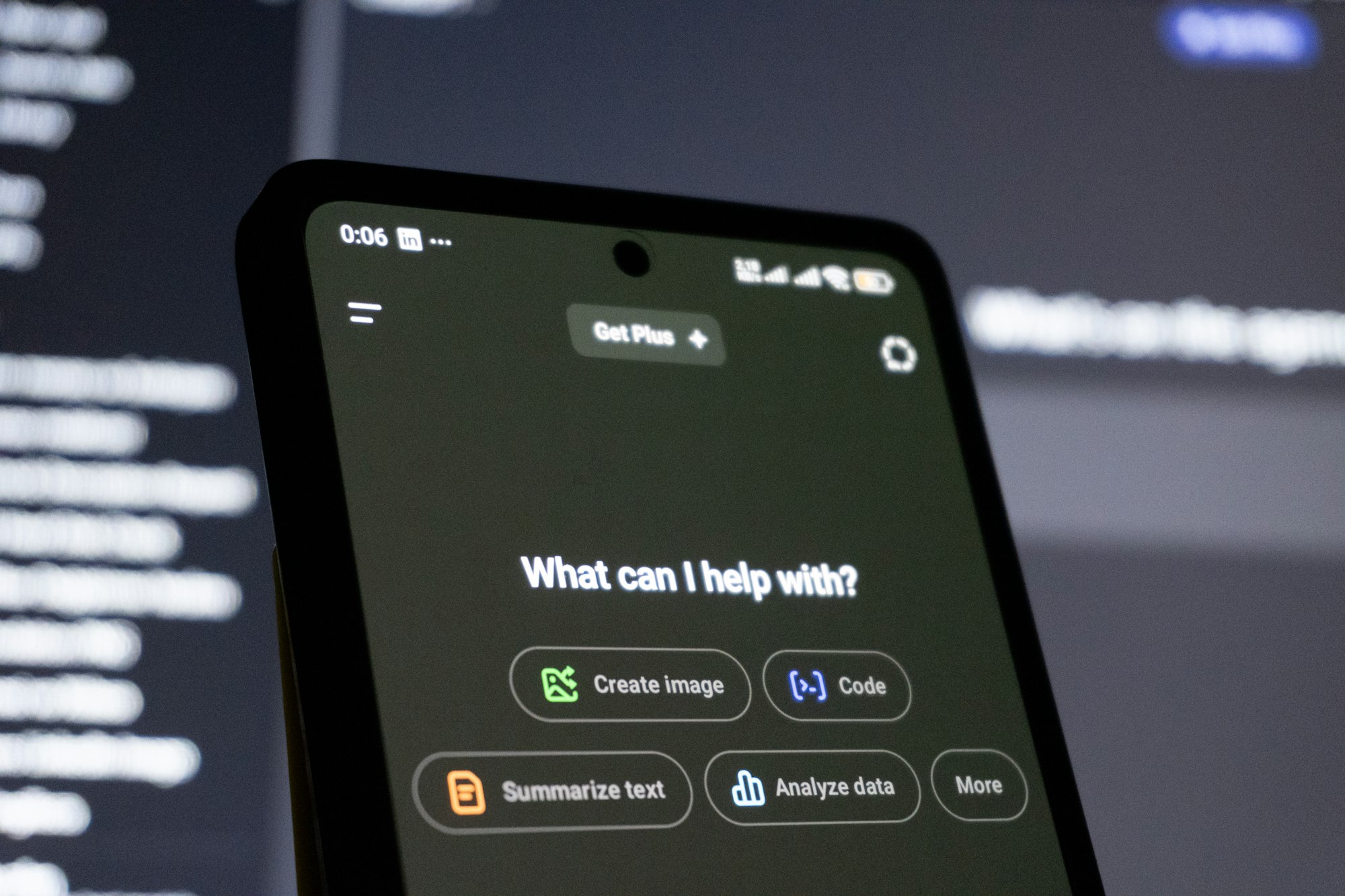
What if that pitch is invisible, plays to your unique fears and vanities, and is delivered in a voice that sounds like a trusted friend? Generative AI has changed the equation of persuasion entirely: chatbots can now deliver a personalized, adaptive and targeted message, informed by the most intimate details of your life.
Large language models (LLMs) can hyper-target messages by drawing from your social media posts and photos. They can mine hundreds of previous chatbot conversations in which you asked for relationship advice, discussed your parenting fails and shared your health concerns and financial woes. They can also learn from each interaction, refining their manipulation in real time, targeting your unique and individual tastes, preferences and vulnerabilities.
Studies show this kind of personalized content to be 65 per cent more persuasive than messages from humans or from non-personalized AI. It is four times as effective at changing political opinions as advertising. It could be a powerful tool for social change — used for the good, or for nefarious purposes.