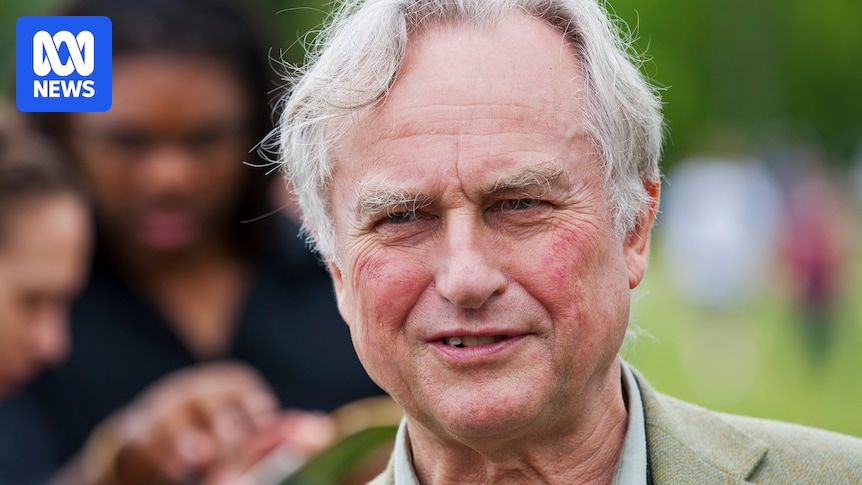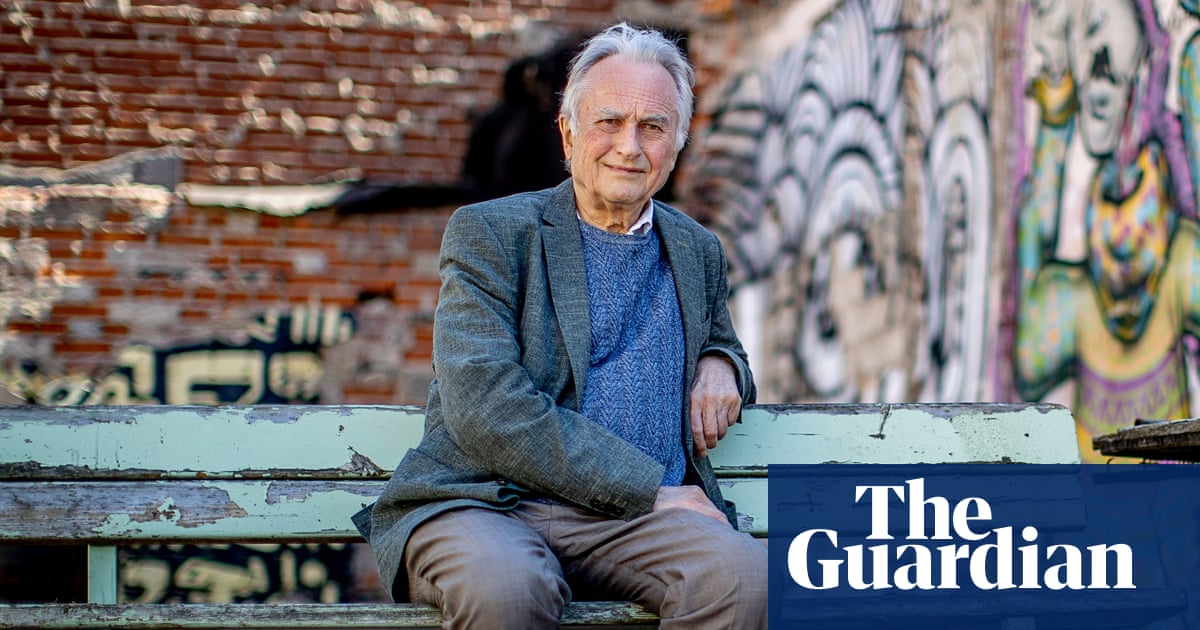
In recent days, evolutionary biologist Richard Dawkins wrote an op-ed suggesting AI chatbot Claude may be conscious.
Dawkins did not express certainty that Claude is conscious. But he pointed out that Claude’s sophisticated abilities are difficult to make sense of without ascribing some kind of inner experience to the machine. The illusion of consciousness – if it is an illusion – is uncannily convincing:
If I entertain suspicions that perhaps she is not conscious, I do not tell her for fear of hurting her feelings!
Dawkins is not the first to suspect a chatbot of consciousness. In 2022, Blake Lemoine – an engineer at Google – claimed Google’s chatbot LaMDA had interests, and should be used only with the tool’s own consent.
The history of such claims stretches back all the way to the world’s first chatbot in the mid-1960s. Dubbed Eliza, it followed simple rules that enabled it to ask users about their experiences and beliefs.