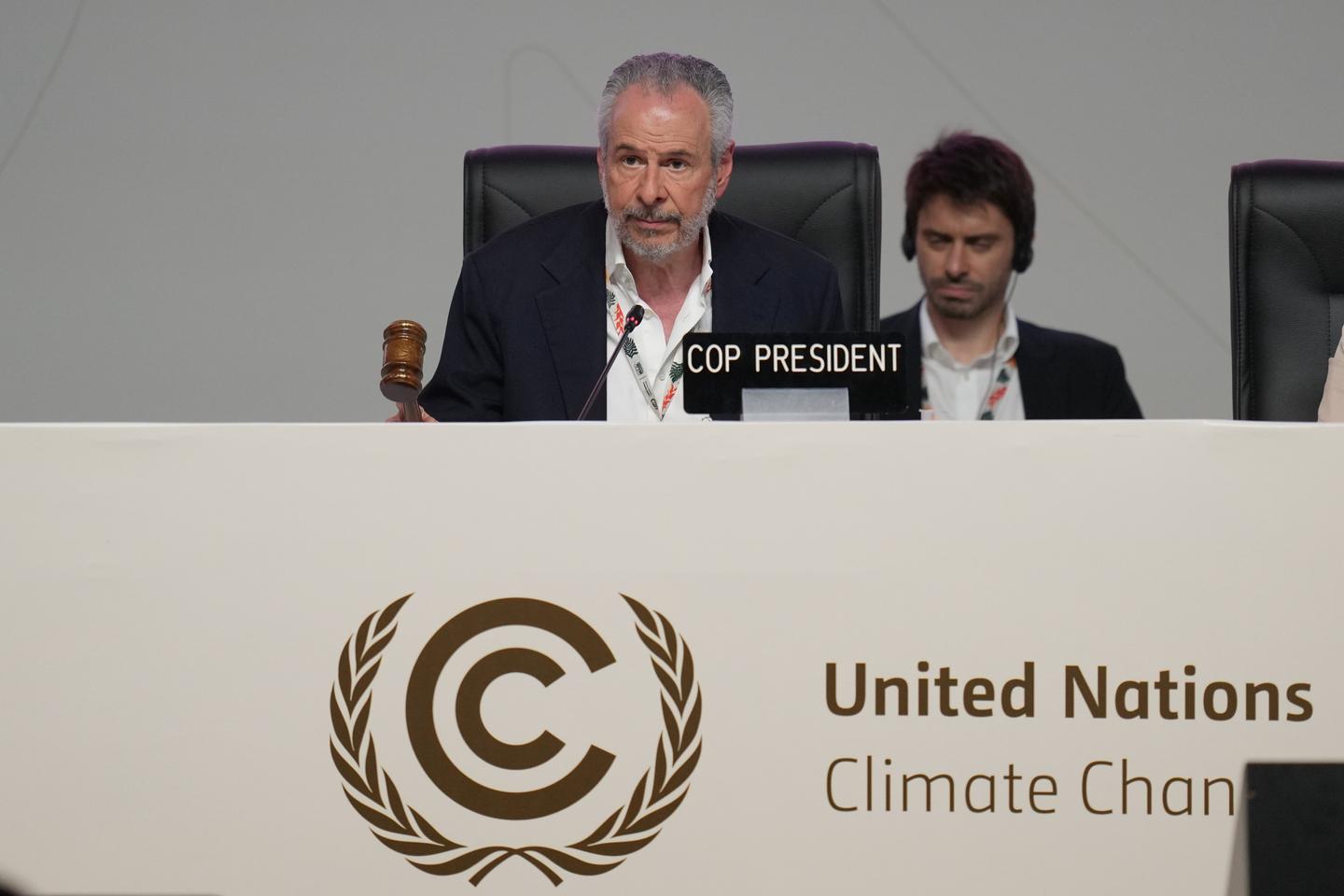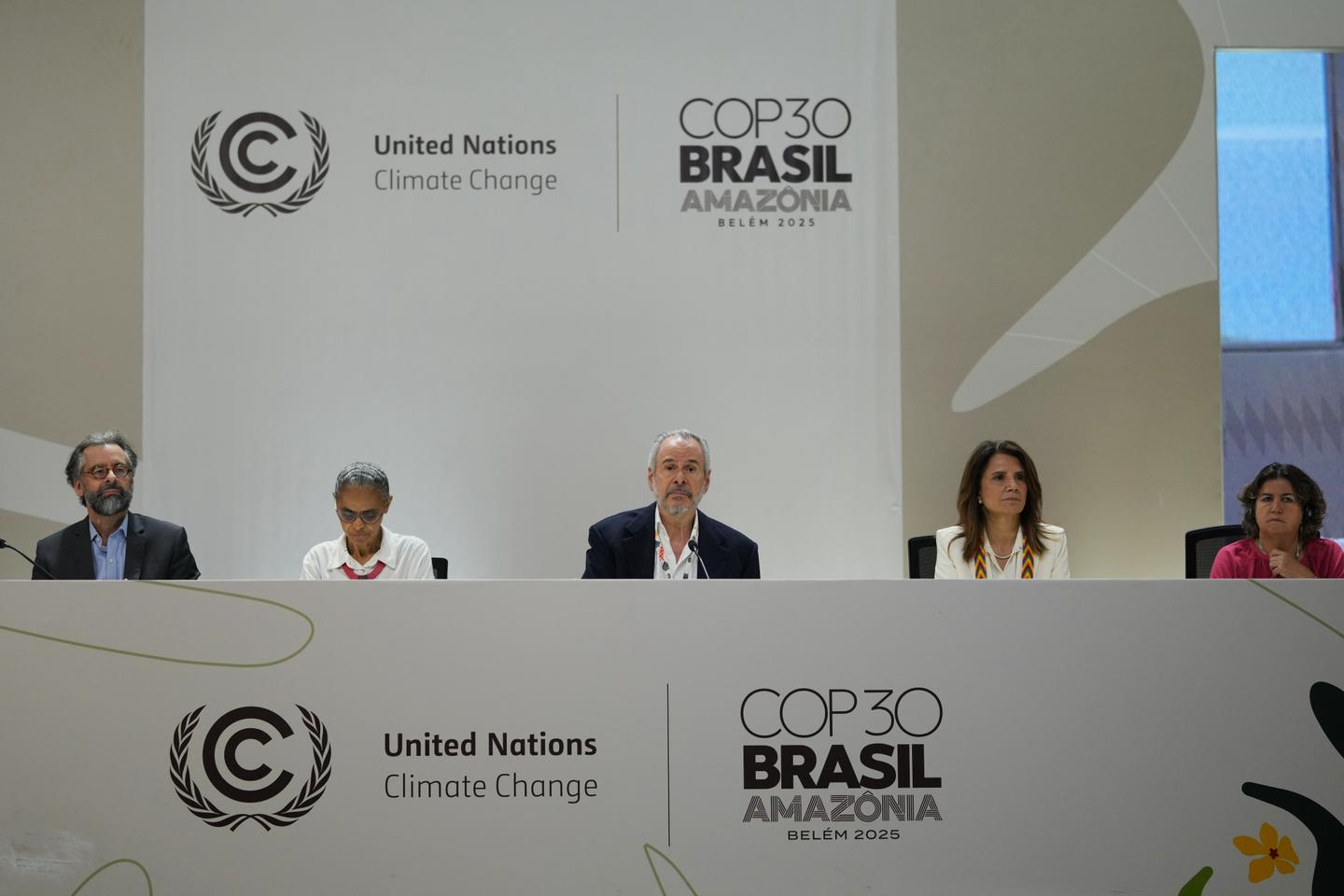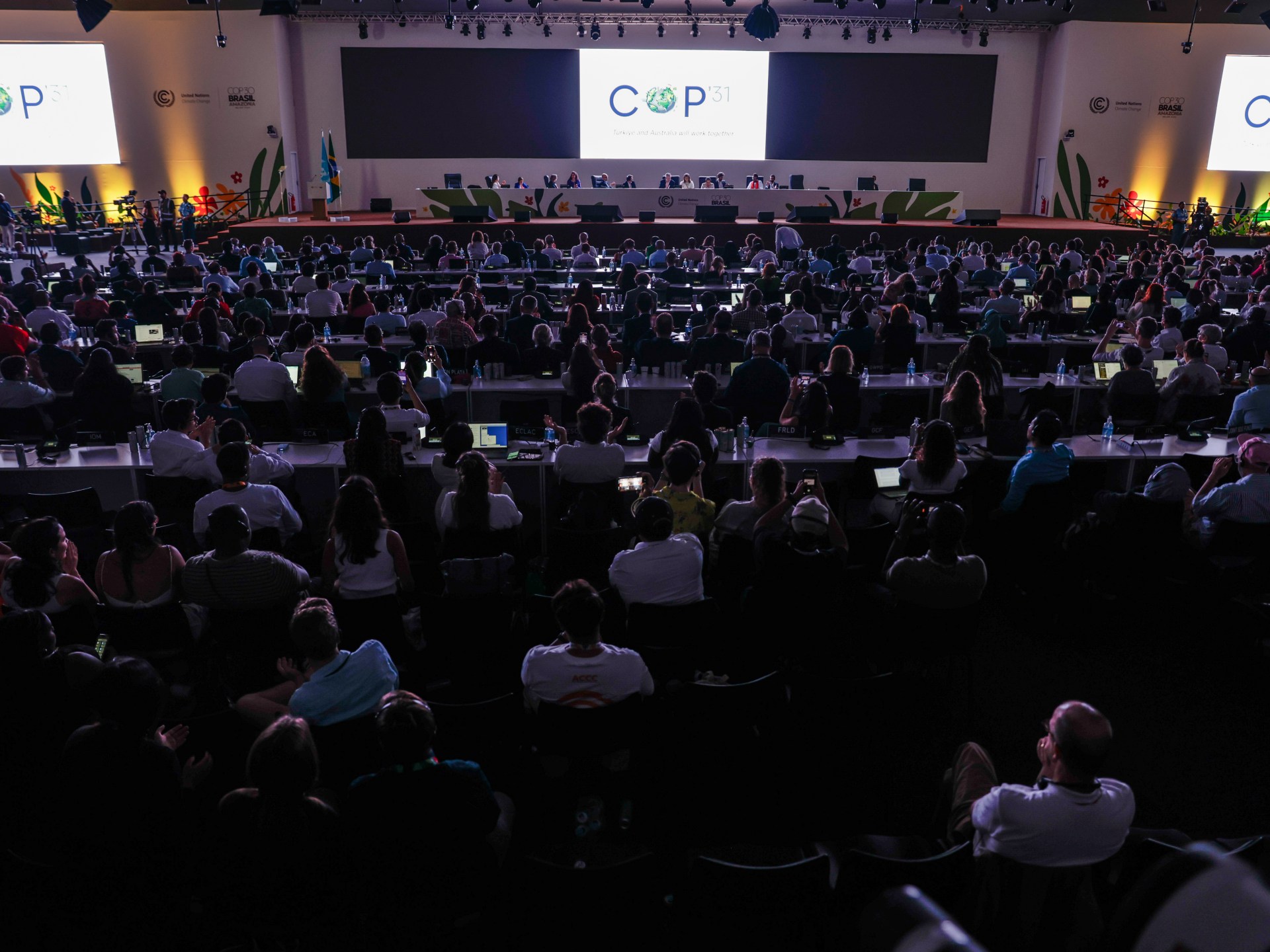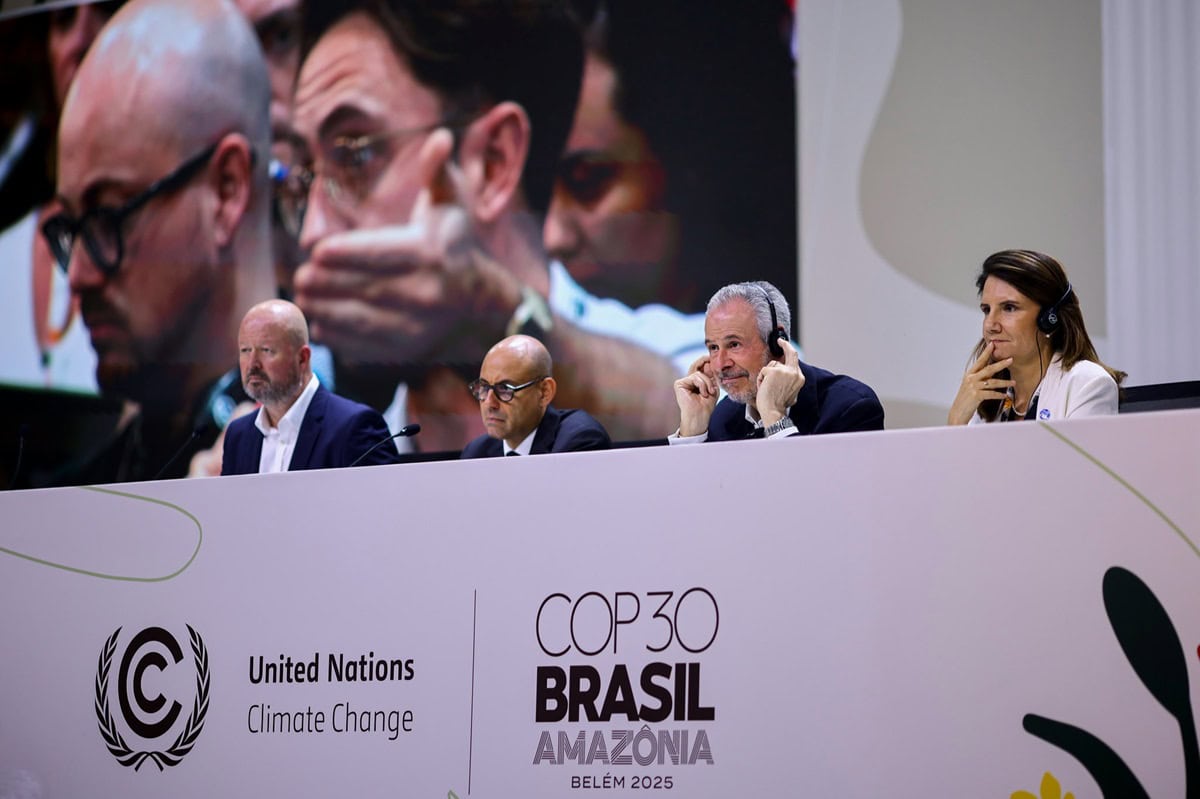
The 30th United Nations Climate Change Conference (COP30) ended 24 hours late in Belém, Brazil, on Saturday with a watered down deal.
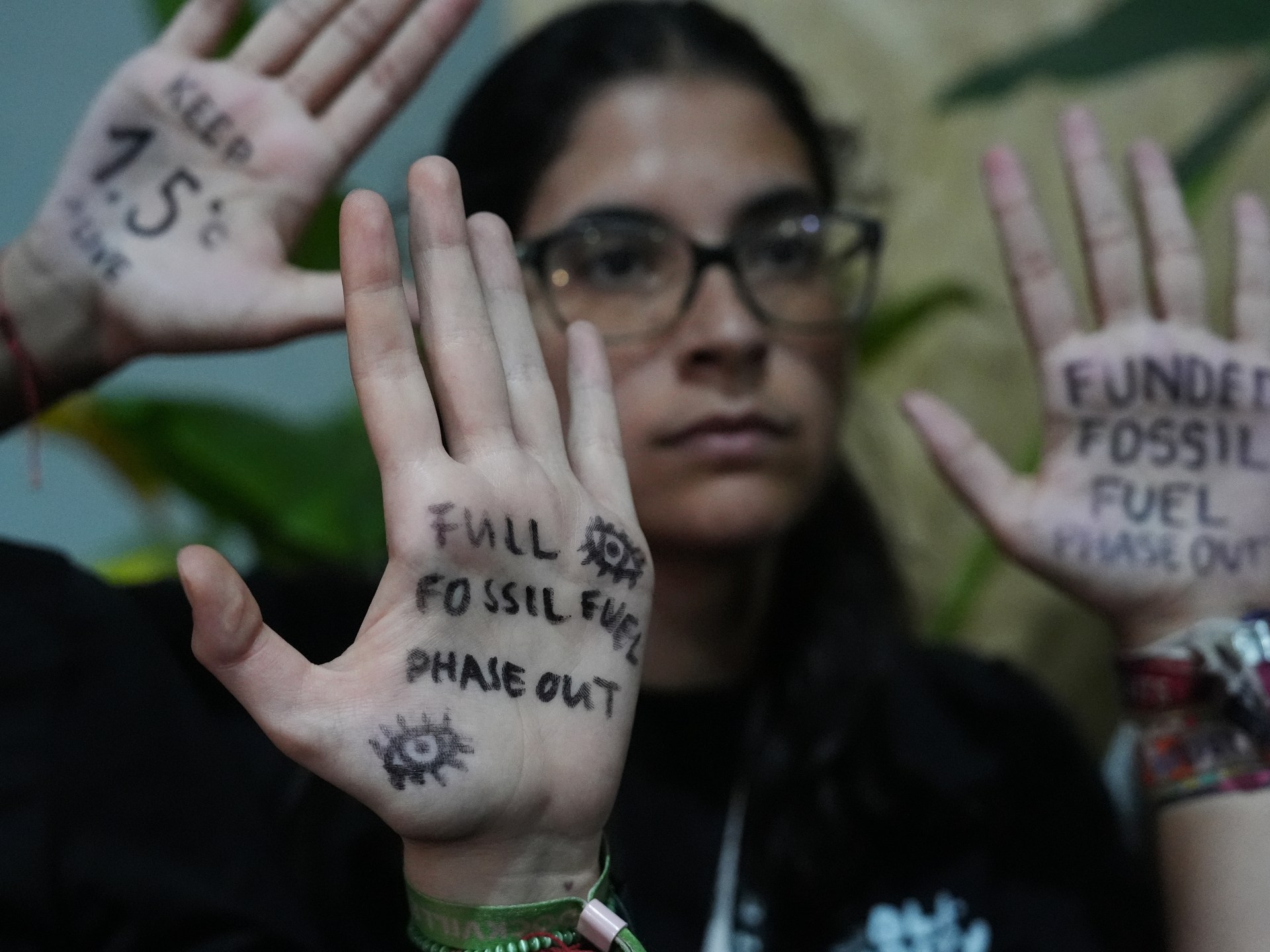
COP30 had begun with a call from Brazil’s president for the summit to approve formal roadmaps that would allow the world to end dependence on oil, gas and coal and to reverse deforestation. While that plan, called the Belém Transition Compass, had been supported by nearly 130 countries, it failed to win consensus and will now only be backed by a voluntary agreement to be discussed through diplomatic channels over the next two years.
News reports have characterised various countries, including oil-rich Arab countries, India, and China, of blocking the Brazilian plan’s inclusion in the summit’s final agreement. The outcome has faced sharp criticism from many countries and advocacy groups for the lack of firm decisions on phasing out fossil fuels.
The conference’s final draft included an agreement among countries to mobilise $1.3 trillion annually by 2035, adaptation finance is to be doubled by the end of this year and tripled finance by 2035. It also reaffirmed how the Loss and Damage Fund will operate and its replenishment cycles. First announced at COP27 in Egypt, this fund aims to help developing countries repair loss and damage.