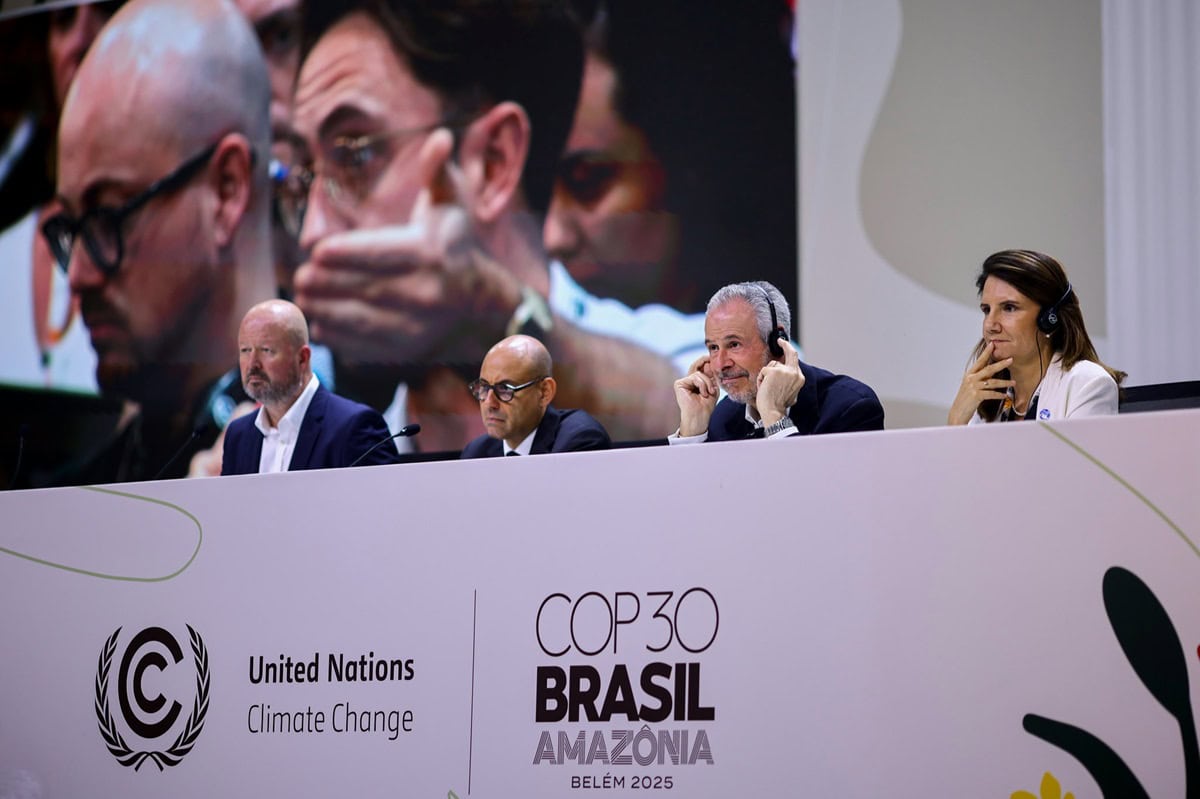
It took some oblique wording, but Saudi Arabia made a last-minute decision to sign deal that marks departure for Cop
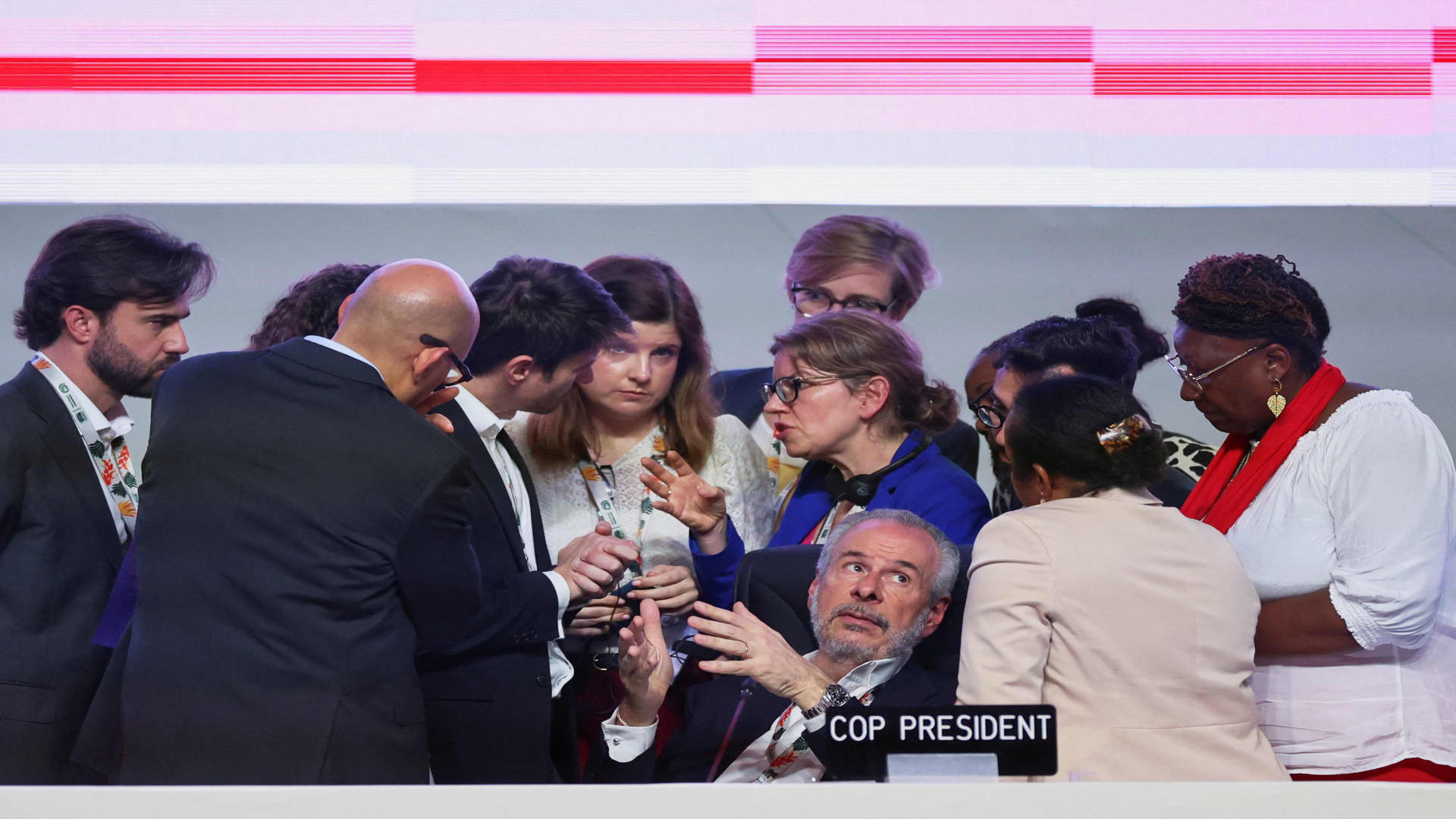
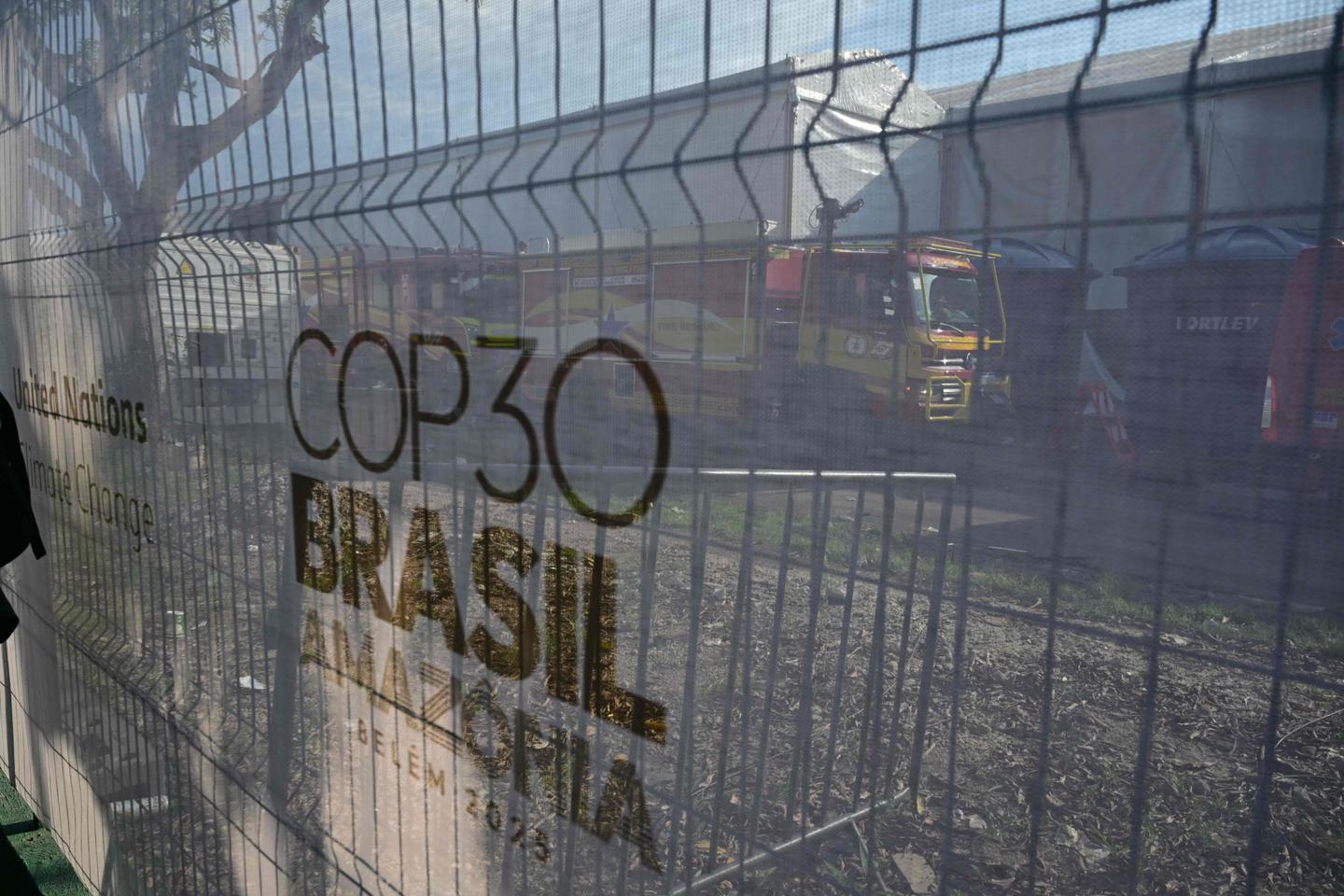
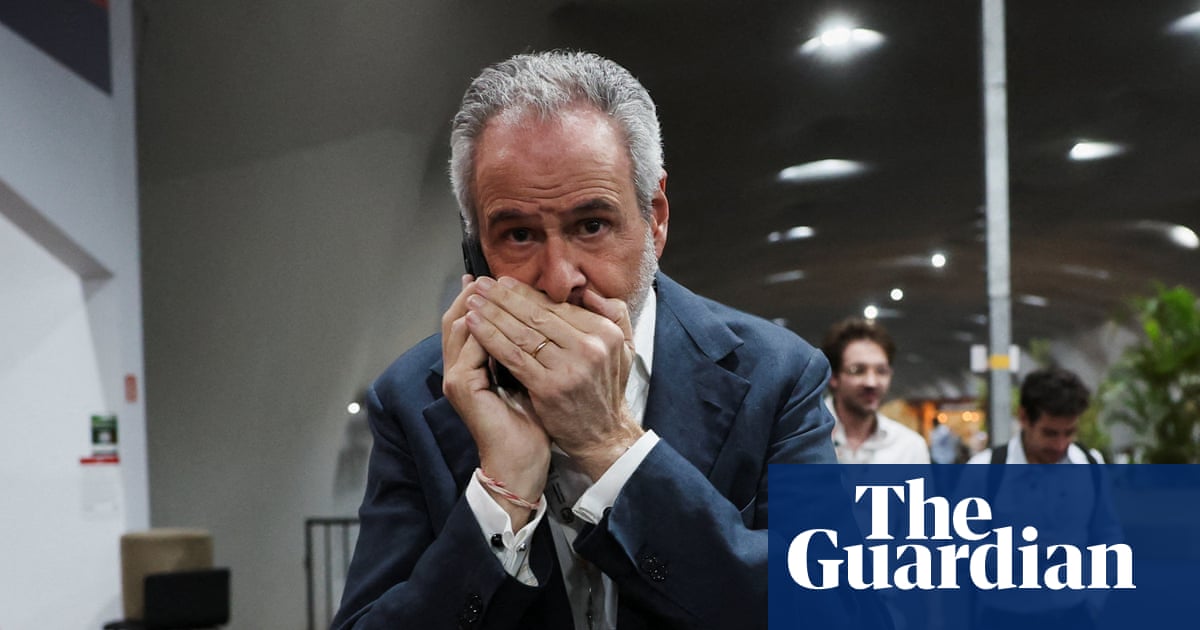
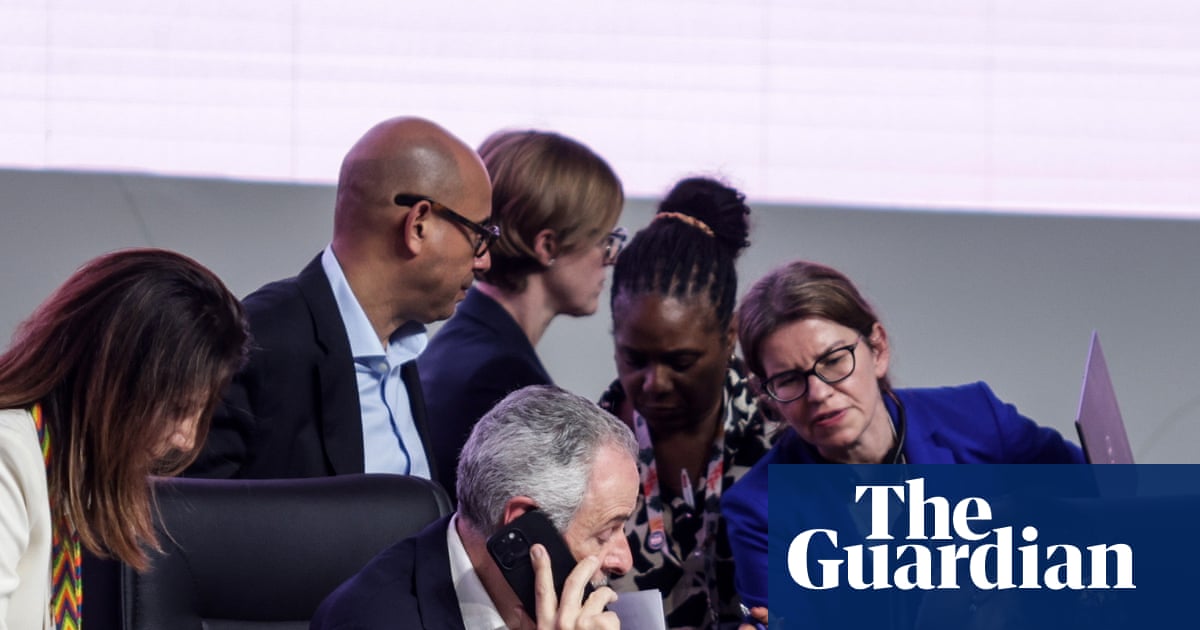
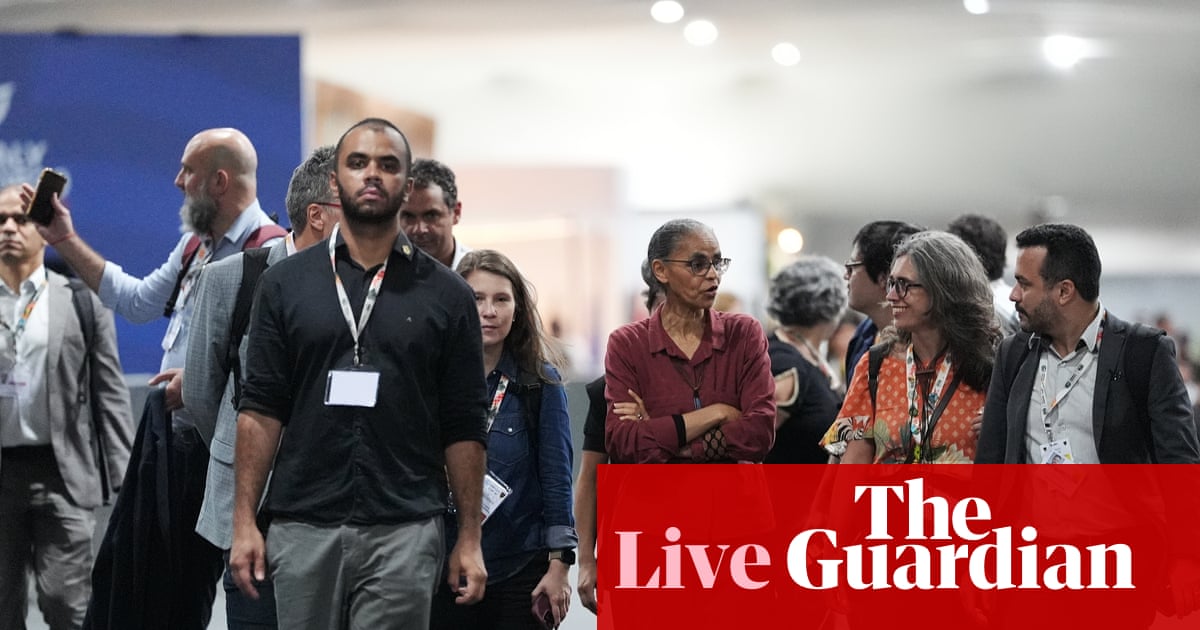
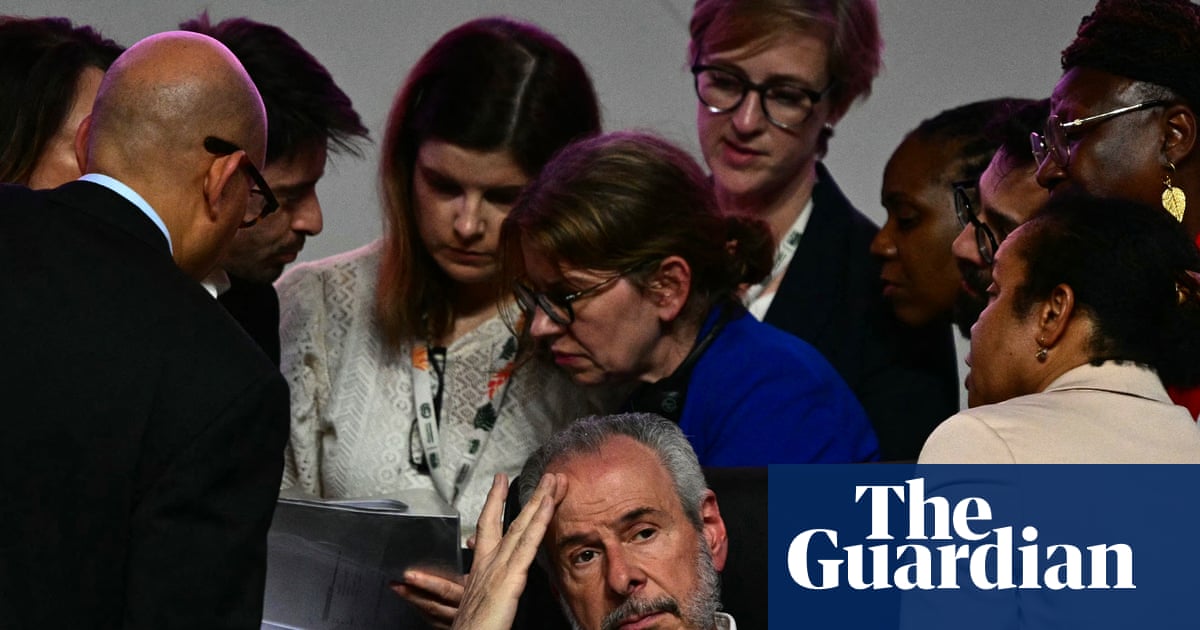
awn was breaking over the Amazonian city of Belém on Saturday morning, but in the windowless conference room it could have been day or night. They had been stuck there for more than 12 hours, dozens of ministers representing 17 groups of countries, from the poorest on the planet to the richest, urged by the Brazilian hosts to accept a settlement cooked up the day before.
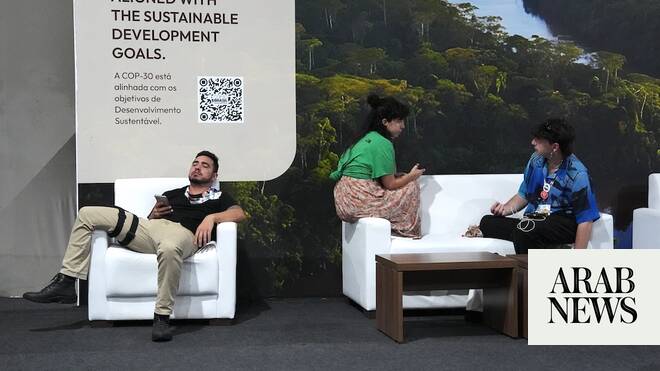
Tempers were short, the air thick as the sweaty and exhausted delegates faced up to reality: there would not be a deal here in Brazil. The 30th UN climate conference would end in abject failure.
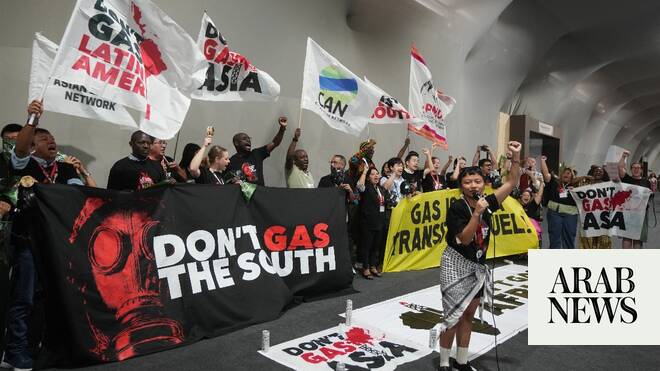
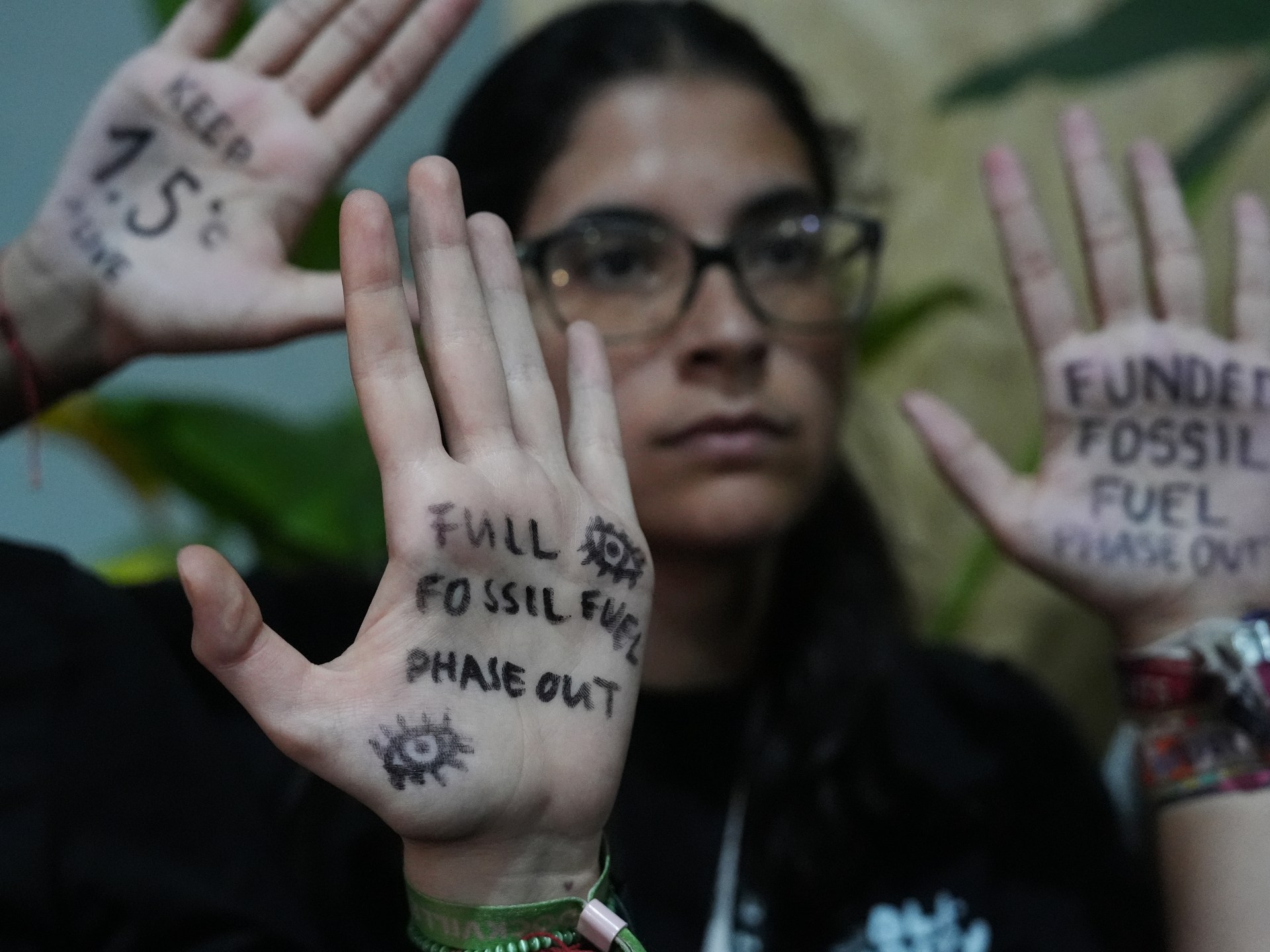
The sticking point was fossil fuels. As science has told us for well over a century, the carbon dioxide that burning them produces is heating up the planet, now to dangerous levels.
But in more than 30 years of annual climate meetings, the need for that to halt has been mentioned only once – in a resolution made two years ago, at Cop28 in Dubai, to “transition away from fossil fuels”. Delegates from the Arab Group of 22 nations, from Russia, and from a sprinkling of others, were determined it would not happen again.