Wealthy countries agree to triple funds for countries to tackle climate impacts, but deforestation and critical minerals blocked from final deal
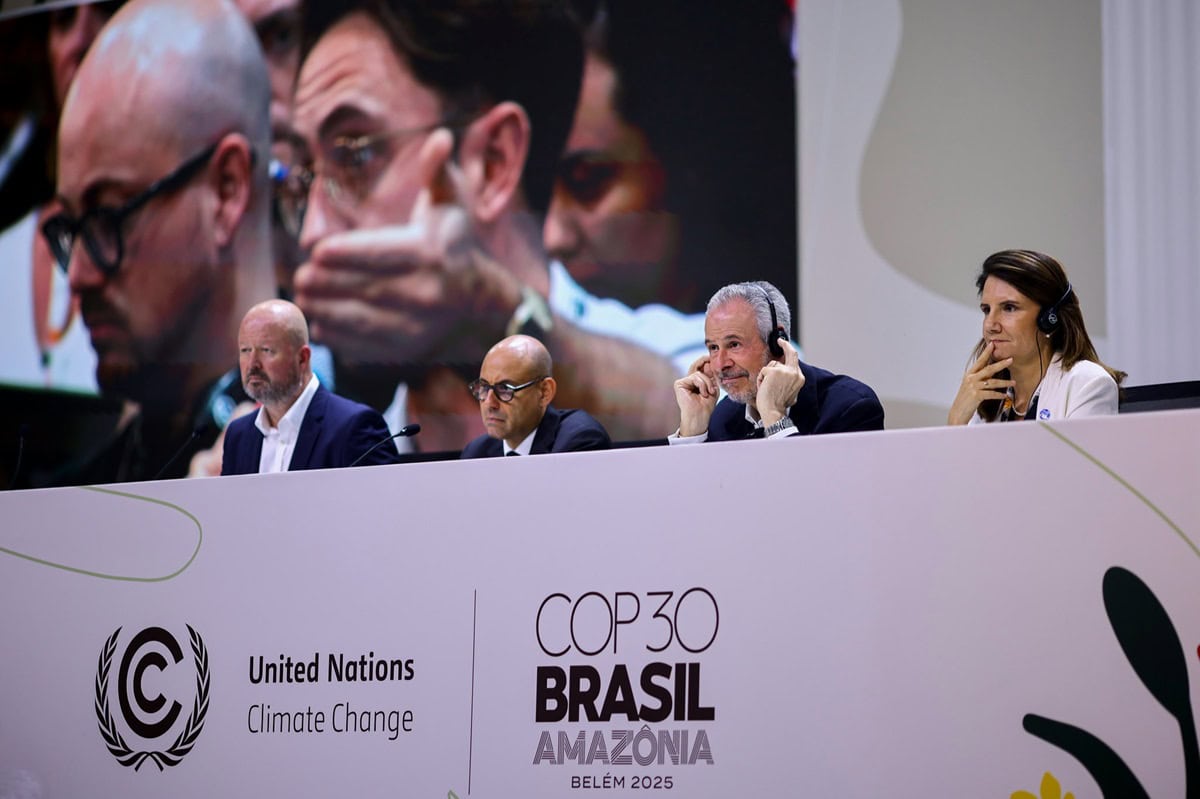
The world edged a small step closer to the end of the fossil fuel era on Saturday, but not by nearly enough to stave off the ravages of climate breakdown.
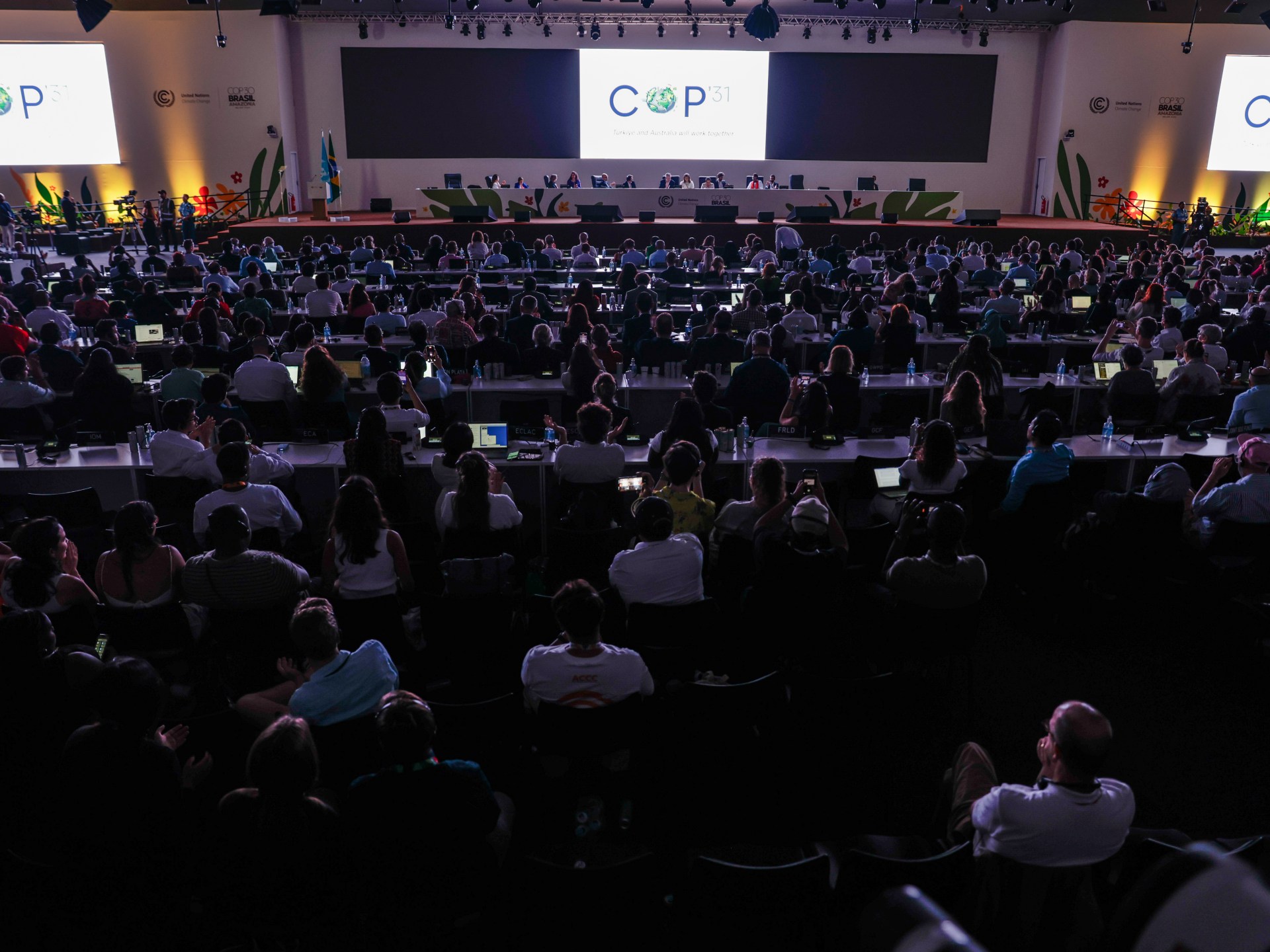
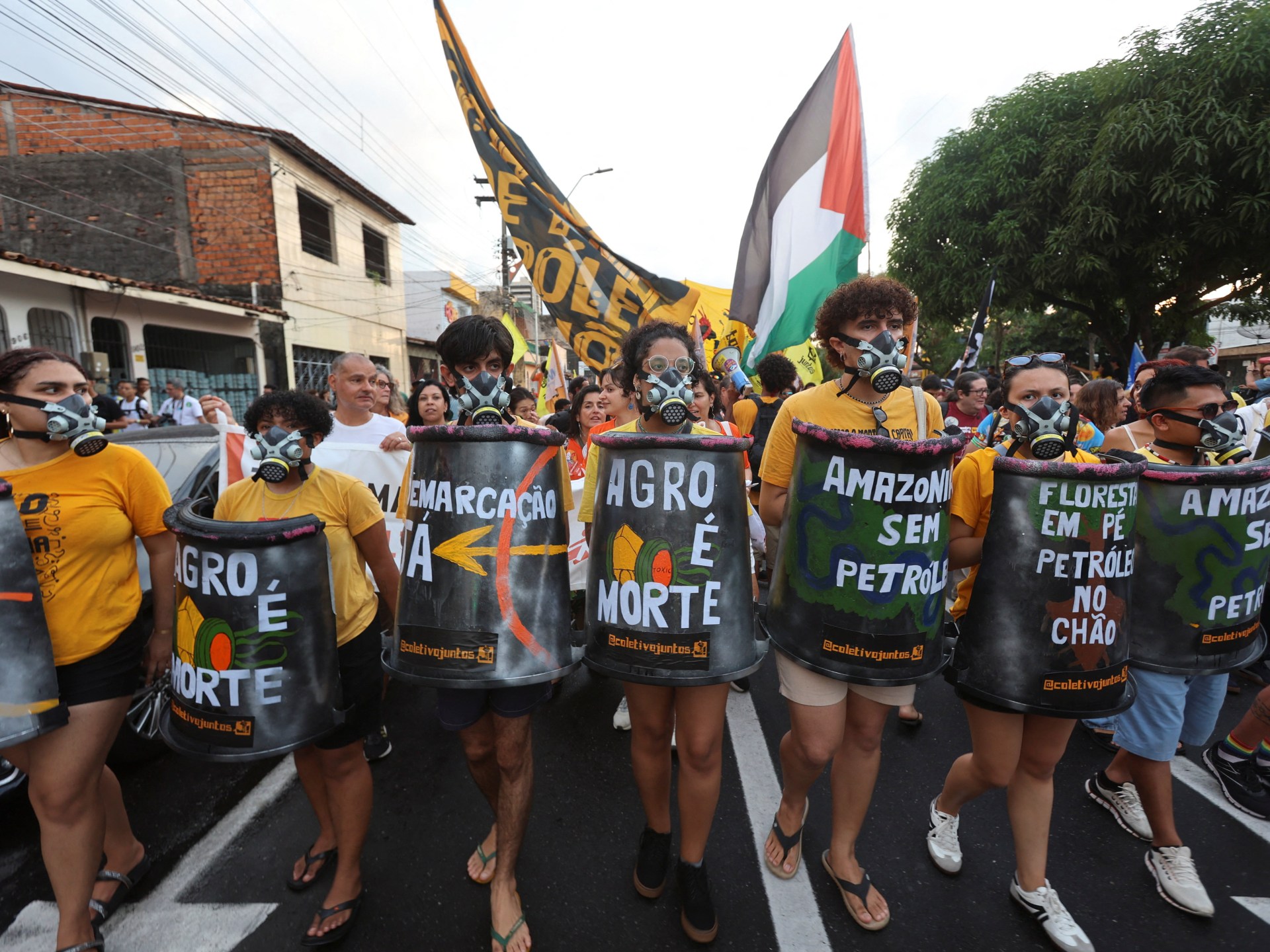
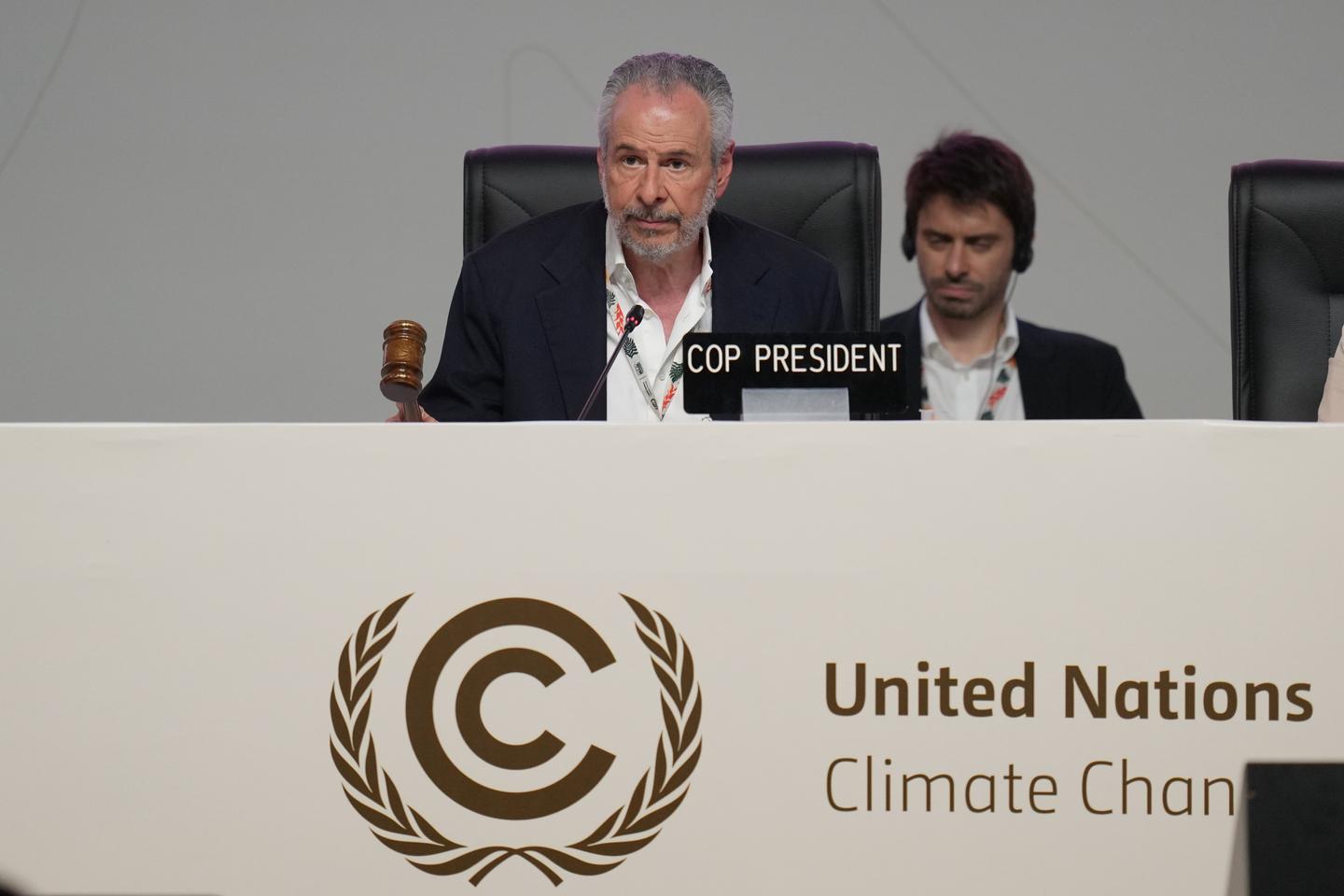
Countries meeting in Brazil for two weeks could manage only a voluntary agreement to begin discussions on a roadmap to an eventual phase out of fossil fuels, and they achieved this incremental progress only in the teeth of implacable opposition from oil-producing countries.
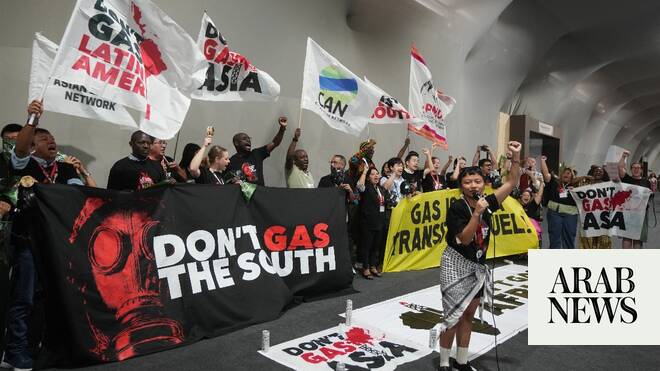
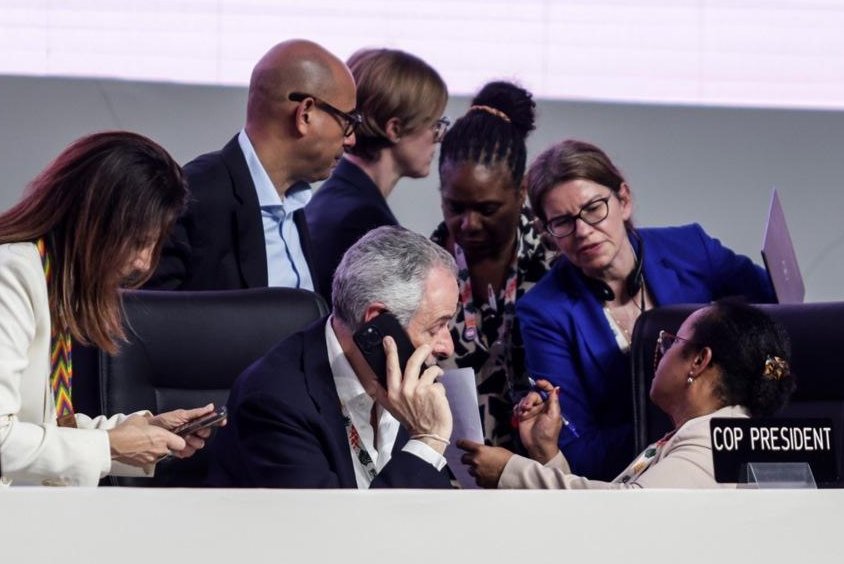
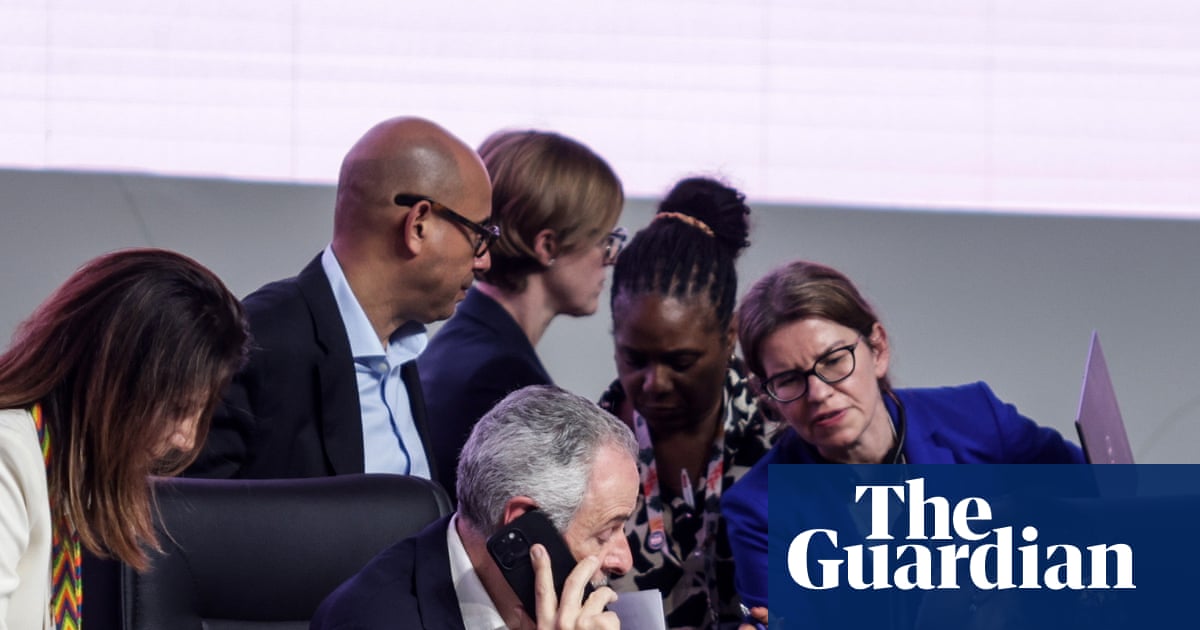
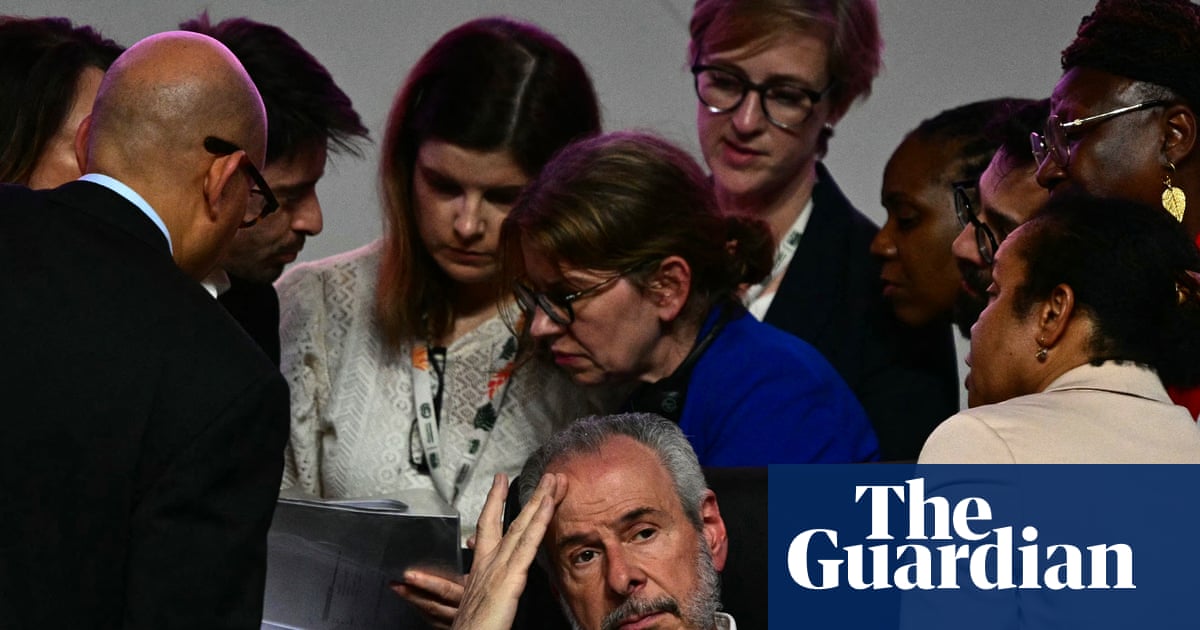
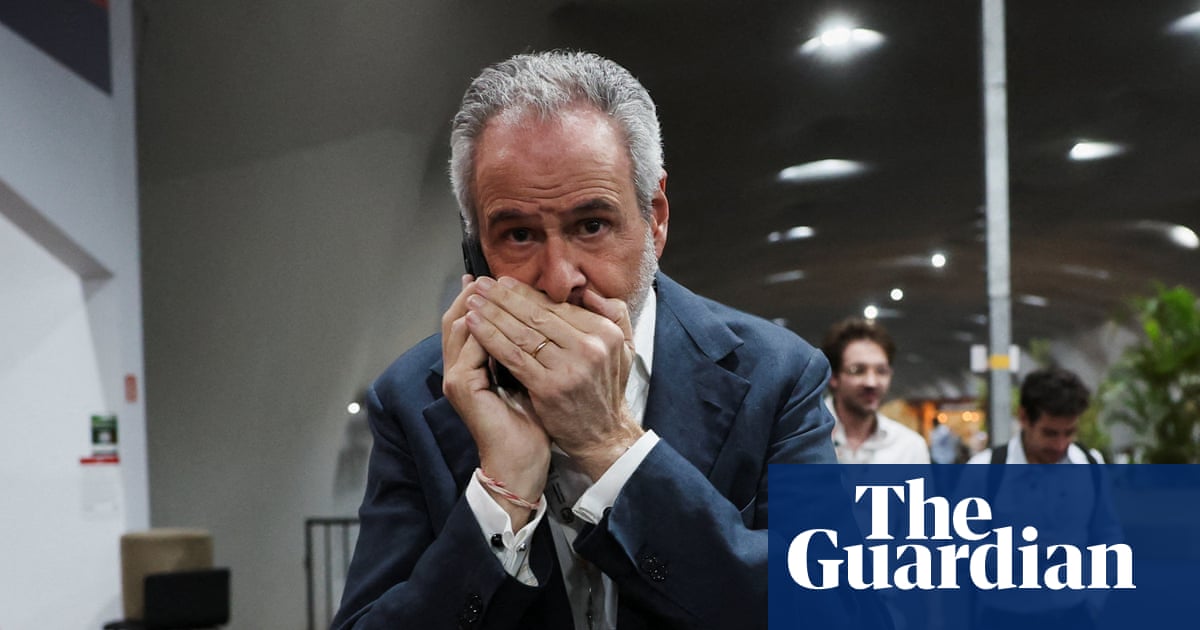
The talks were hauled back from the brink of collapse in an all-night session into Saturday morning, after a bitter standoff between a coalition of more than 80 developed and developing countries, and a group led by Saudi Arabia and its allies, and Russia.
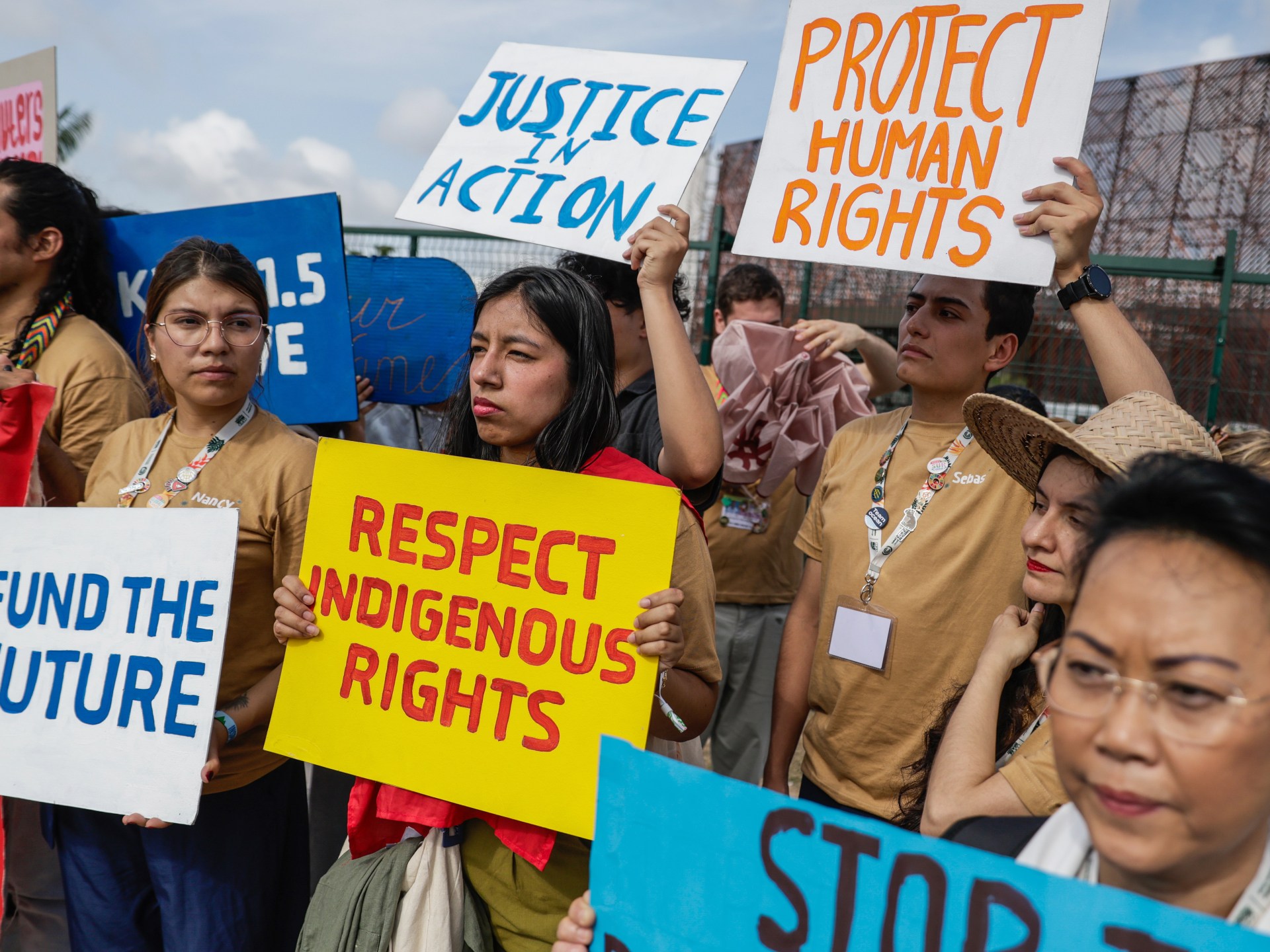
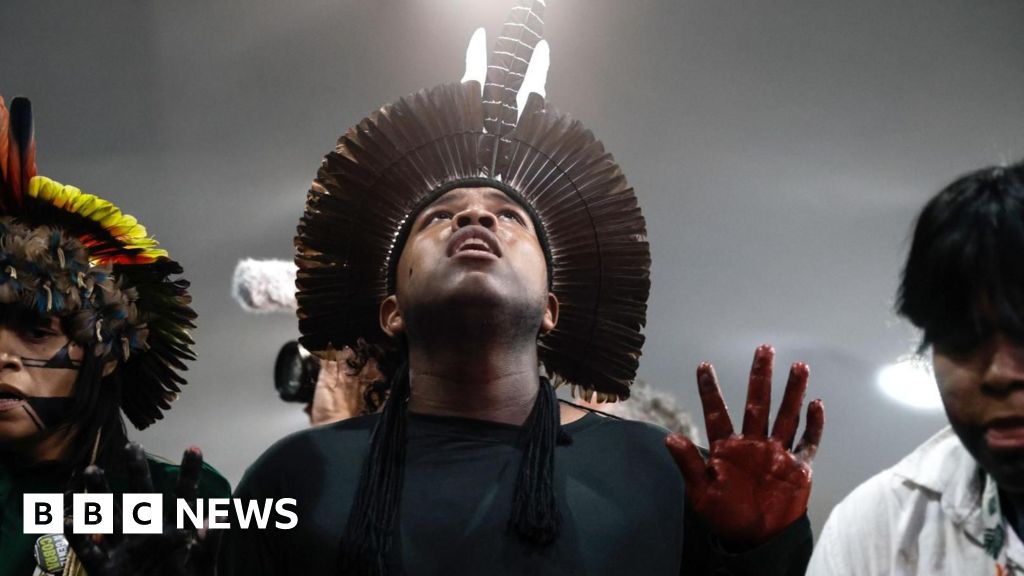
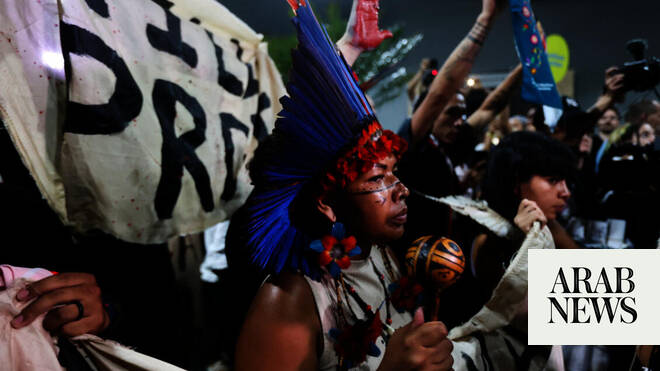
There was disappointment from campaigners, but relief that the talks had produced at least some progress. Developing countries achieved part of their goal at the fortnight of global talks, which was a tripling of the financial support available from rich countries to help them adapt to the impacts of the climate crisis. They will receive $120bn a year for adaptation, from the $300bn developed countries pledged to them last year, but not until 2035, instead of the 2030 deadline they were demanding. Many had also hoped the increase would be on top of the $300bn.