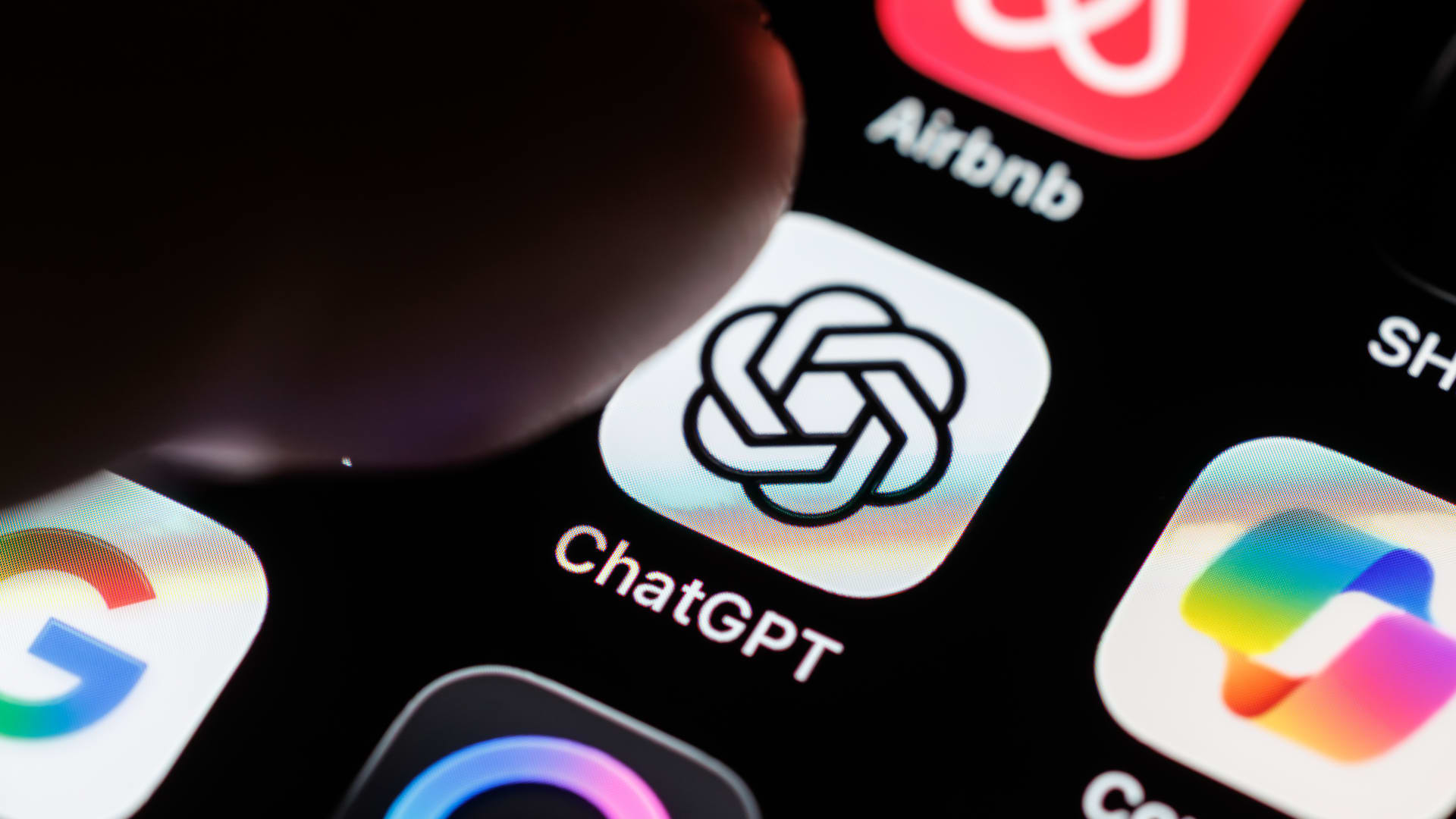
ChatGPT ads are here, and brands are testing the waters. This marks the true start of LLMs as a new advertising channel, reshaping the customer journey and introducing a new surface for brand safety and suitability. It’s a real inflection point for advertising.
Impressions, searches and even transactions that once traveled through websites will increasingly start and end inside LLMs’ context windows (i.e., the conversational surface between a prompt and an answer). As that behavior grows, brand suitability inside LLMs will become as important for advertisers as it was when social platforms emerged as dominant media channels.
But LLM environments differ from social platforms or any channel that preceded them. They introduce new dimensions to safety and suitability that the industry has not previously encountered. Understanding these differences is the starting point for brands and agencies testing ChatGPT ads.
1. The advertising context is conversational and dynamic
In most digital environments, the content surrounding an ad exists before the impression is served. A social video, a short clip or a publisher article can be analyzed and categorized in advance.