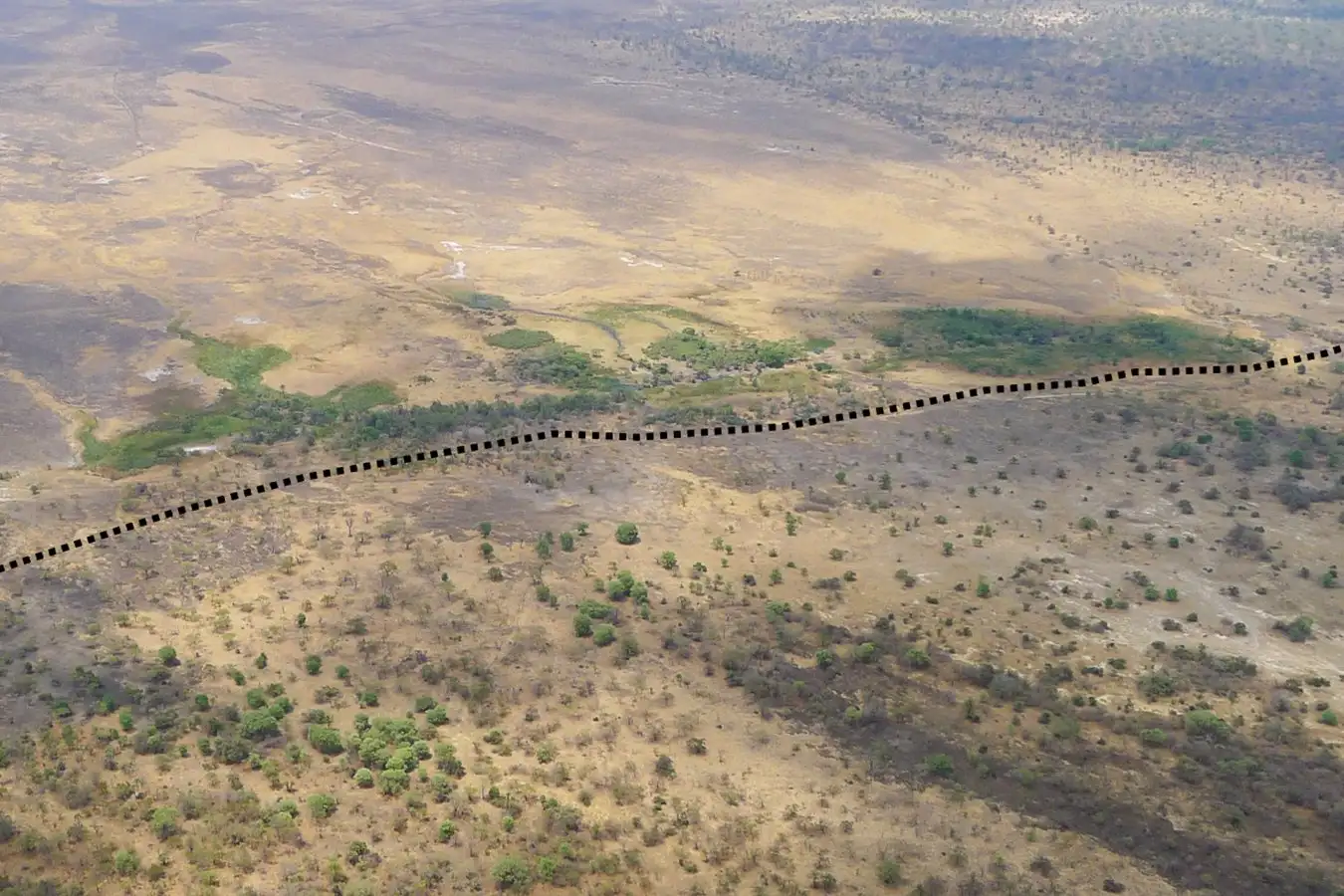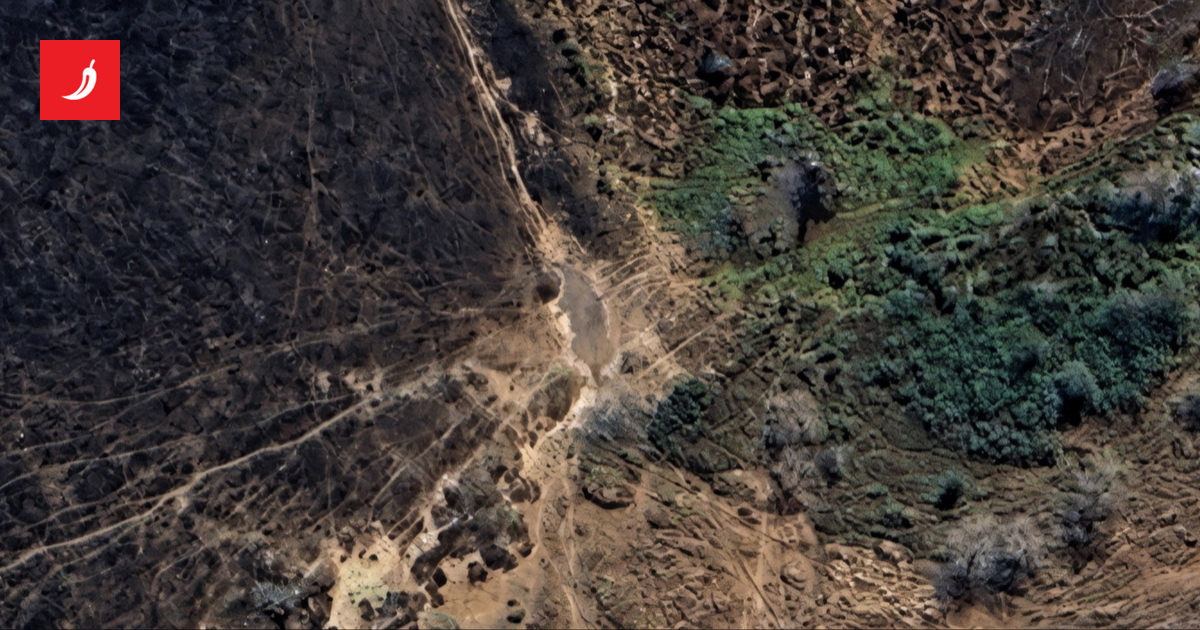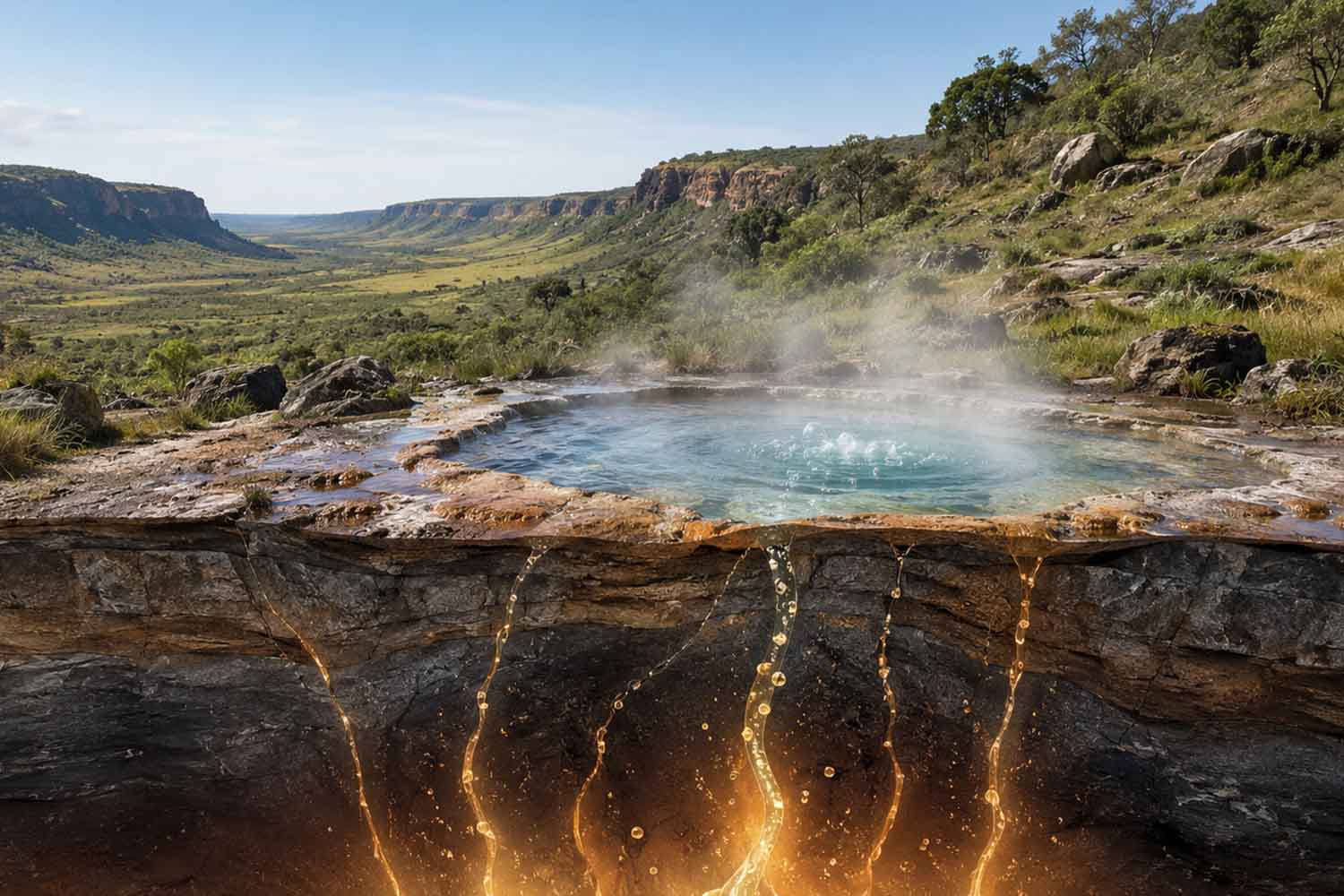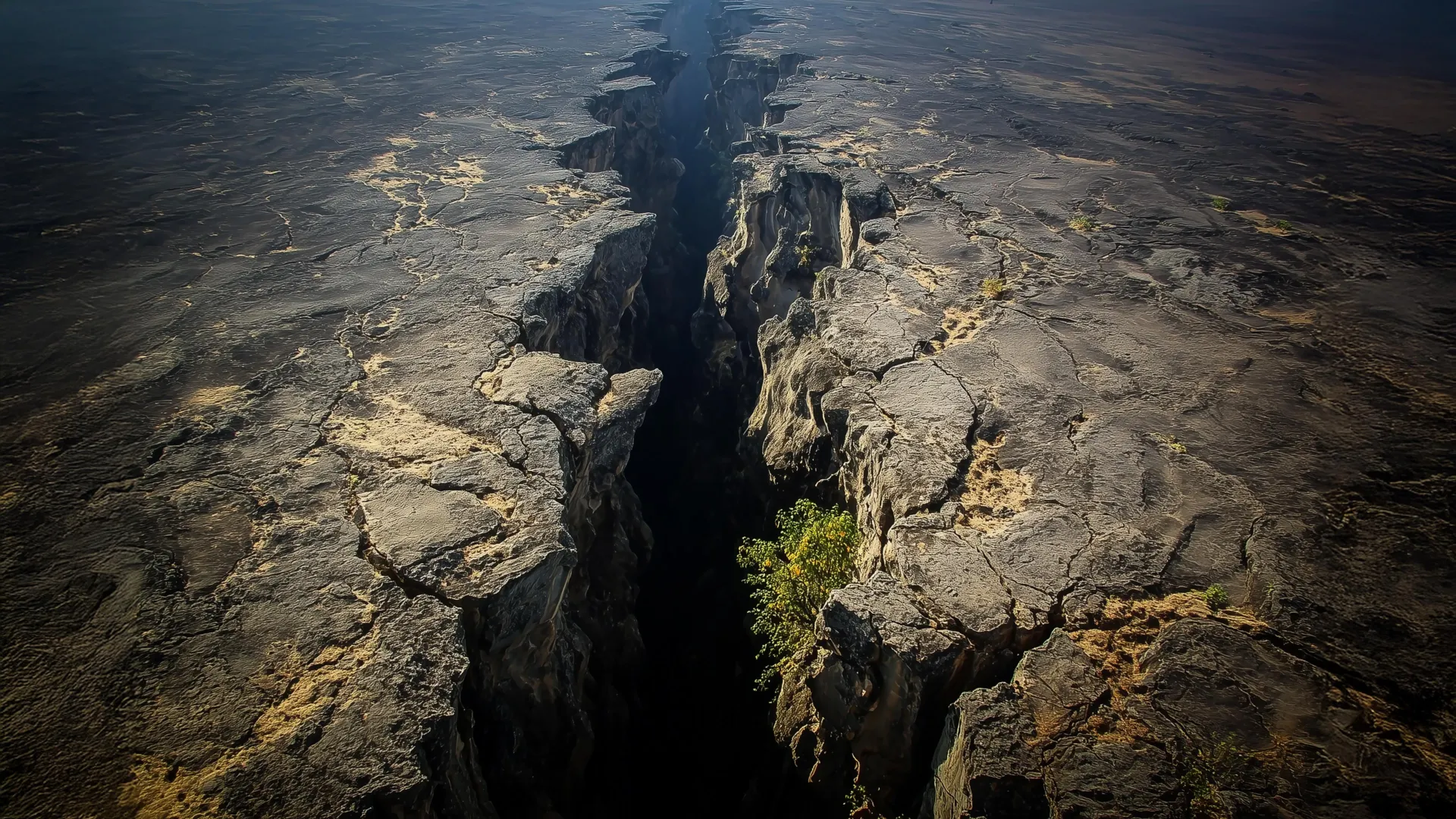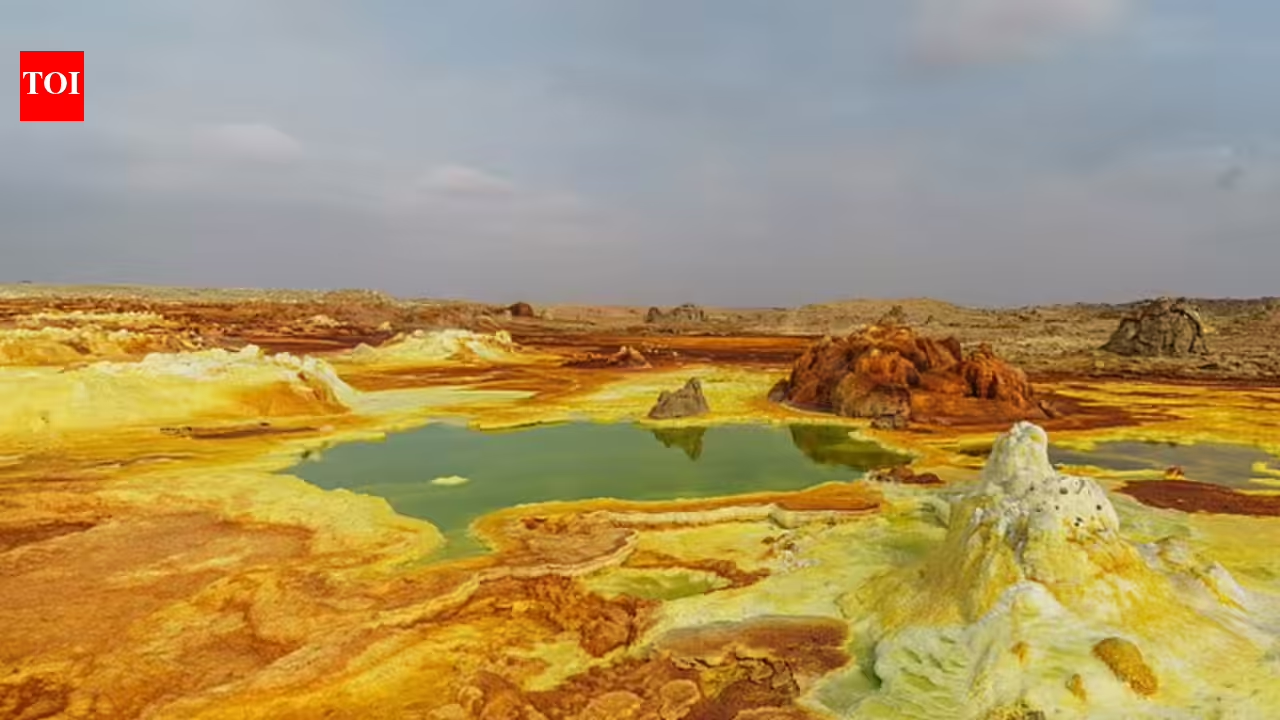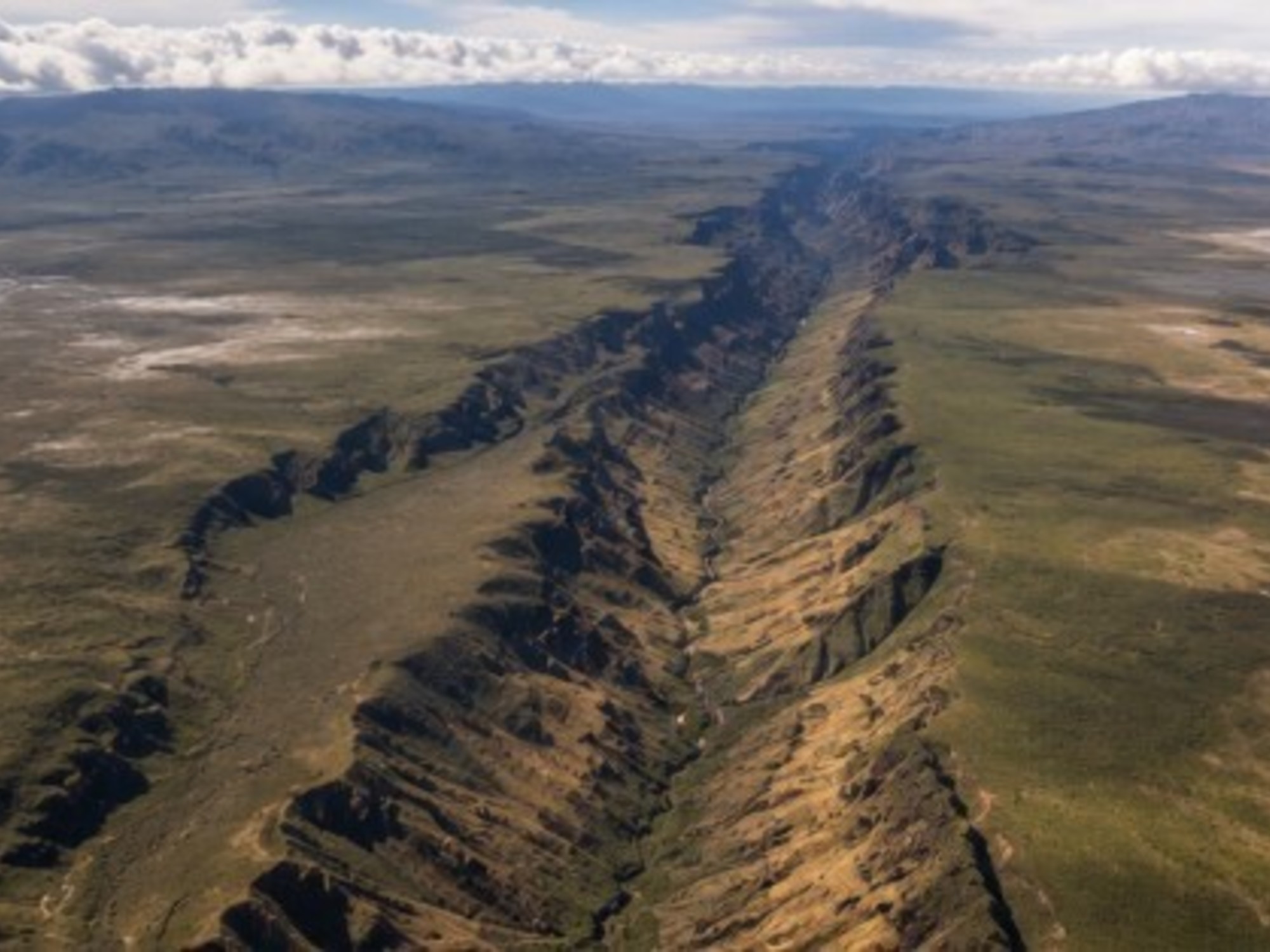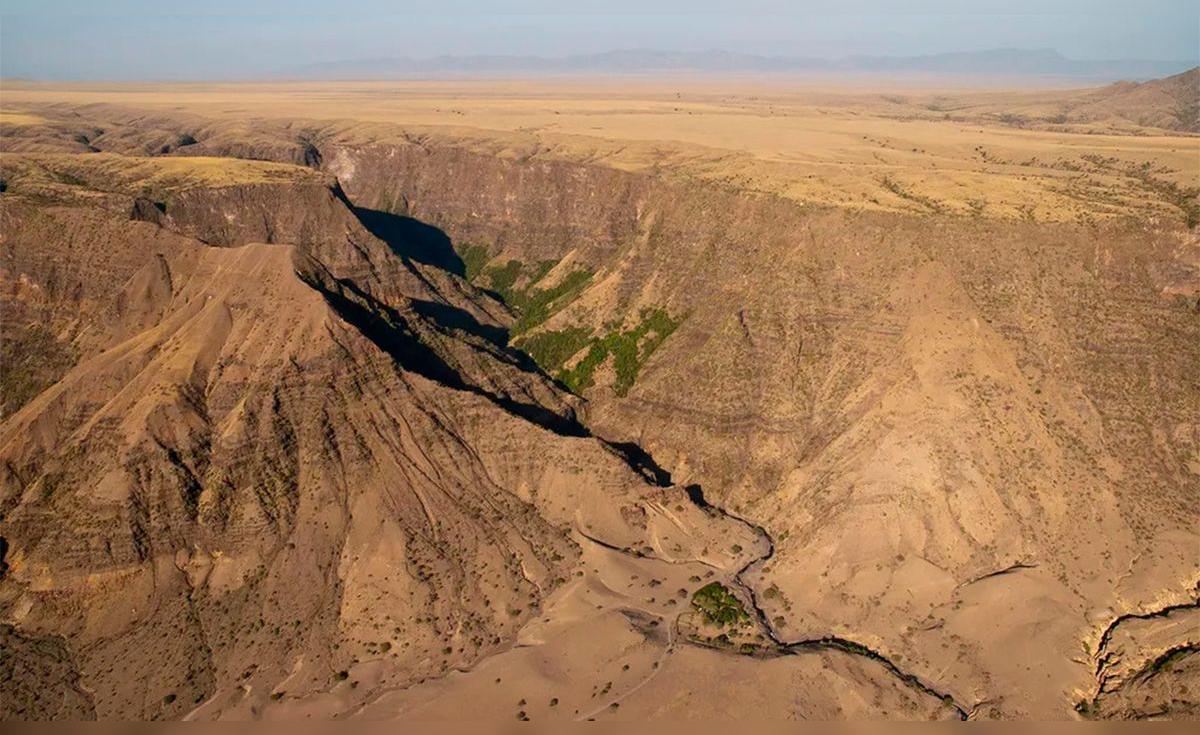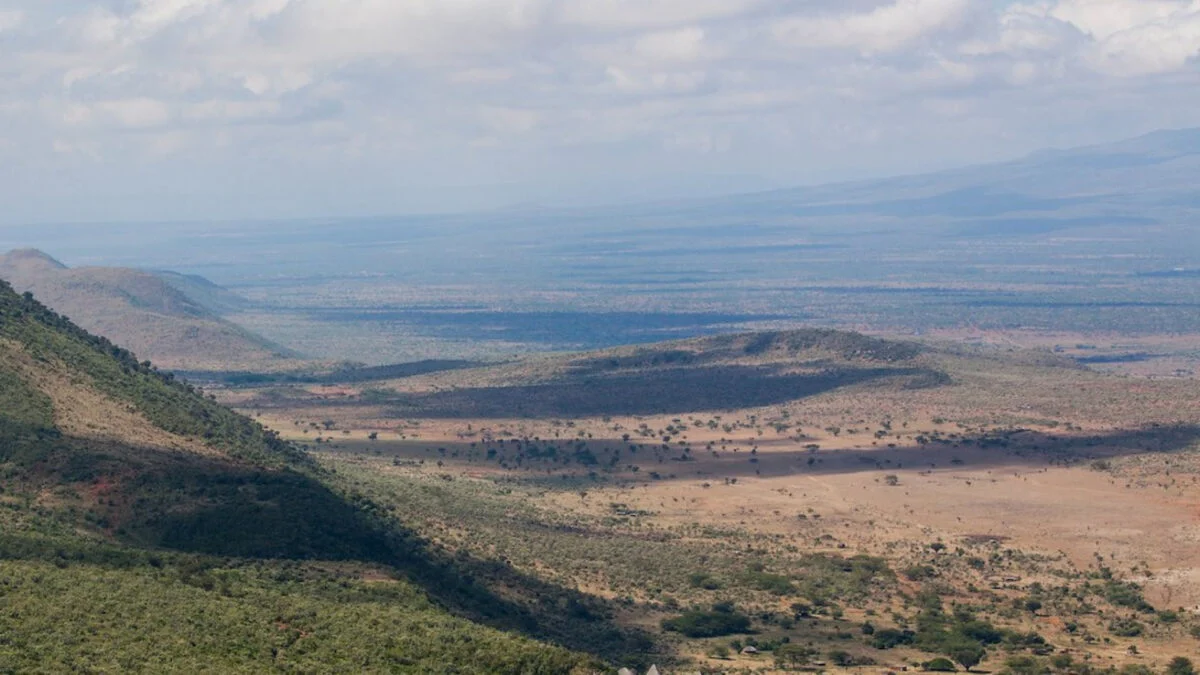
Earth’s mantle appears to be leaking a little along Central Africa. If this continues to develop, this rift could grow into a new tectonic plate boundary—splitting the African continent in half. In a Frontiers in Earth Science study published yesterday, an international team of Earth scientists reports an unexpectedly high ratio of helium isotopes along the Kafue Rift in Central Africa. This chemical composition suggests the hot springs in Zambia are directly connected with the Earth’s mantle, acting as a pathway for substances in the mantle to reach the crust. An active rift doesn’t necessarily lead to significant changes in Earth’s outer layers, but scientists are nevertheless closely monitoring the new rift for unusual developments. “What our data confirms is that this system is currently ‘awake’ and geologically active,” Rūta Karolytė, the study’s first author and an Earth scientist at Oxford University in the U.K., told New Scientist. “Having an active rift developing doesn’t necessarily mean that in 100 million years you’re going to have an ocean there. But it is a possibility.” Inklings of a bigger shift A rift refers to a large break in Earth’s crust that causes the surface to gradually sink and the associated elastic uplift, according to Mike Daly, the study’s co-author and an Earth scientist at Oxford University. In a journal statement, Daly explained that rifts may grow into plate boundaries, but their activities typically cease “before the point of lithospheric break-up and plate boundary formation.”
Scientists Think Africa May Be Cracking Along a New Tectonic Plate Boundary
If the rift keeps growing larger, the African continent could end up splitting in half, researchers say.
586 words~3 min read