Alarming shift since 2010 means planet’s three main rainforest regions now contribute to climate breakdown
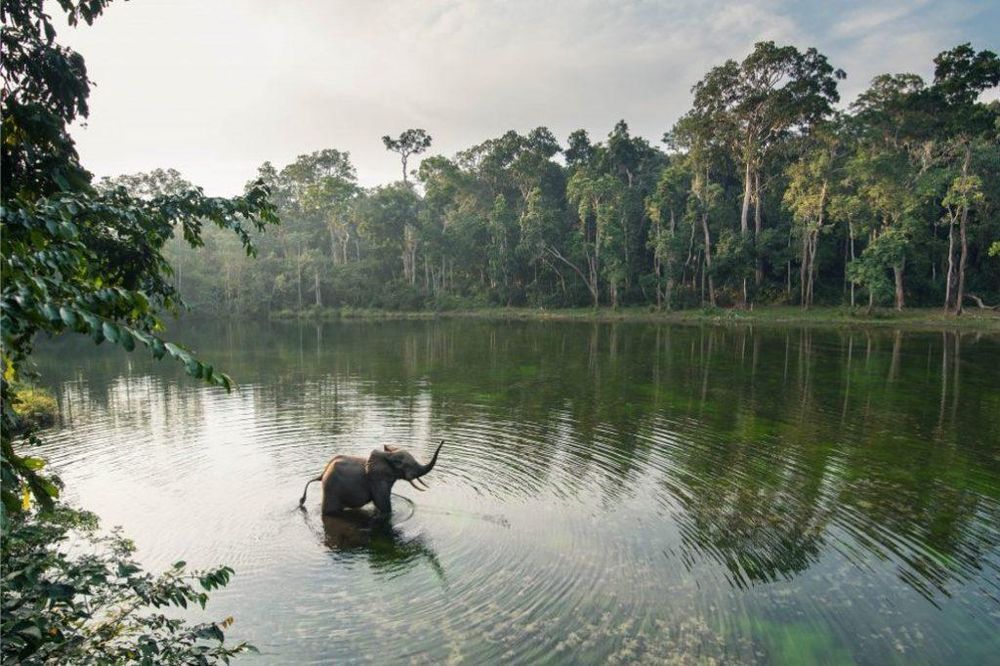
Africa’s forests have turned from a carbon sink into a carbon source, according to research that underscores the need for urgent action to save the world’s great natural climate stabilisers.
The alarming shift, which has happened since 2010, means all of the planet’s three main rainforest regions – the South American Amazon, south-east Asia and Africa – have gone from being allies in the fight against climate breakdown to being part of the problem.
Human activity is the primary cause of the problem. Farmers are clearing more land for food production. Infrastructure projects and mining are exacerbating the loss of vegetation and global heating – caused by the burning of gas, oil and coal – thereby degrading the resilience of ecosystems.
Scientists found that between 2010 and 2017, African forests lost approximately 106bn kg of biomass per year, which is equivalent to the weight of about 106m cars. The worst affected were the tropical moist broadleaf forests in Democratic Republic of Congo, Madagascar and parts of west Africa