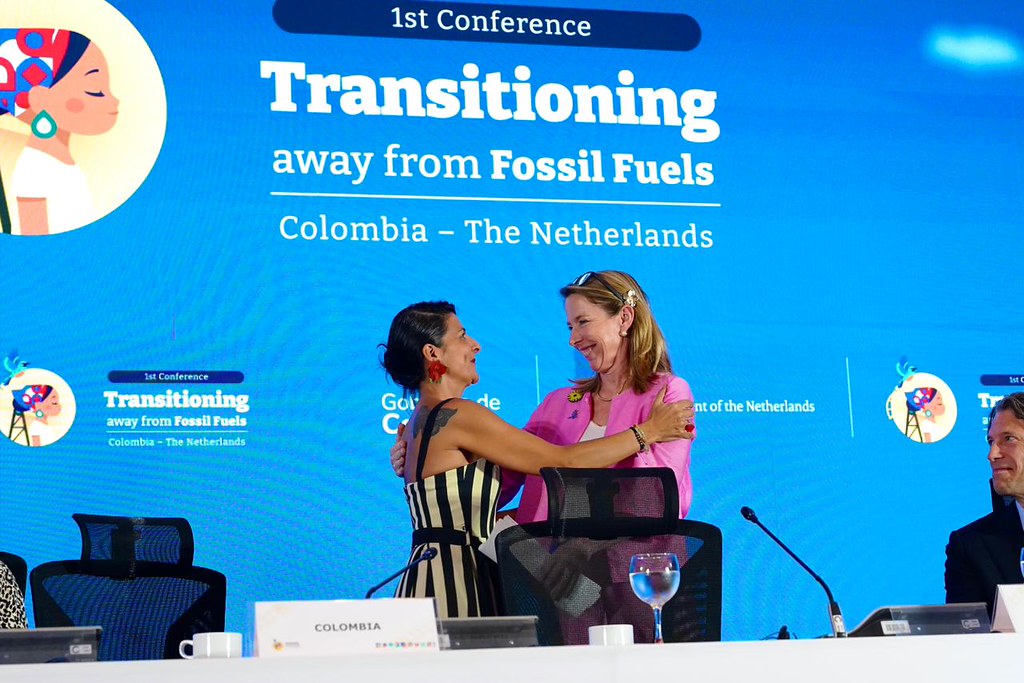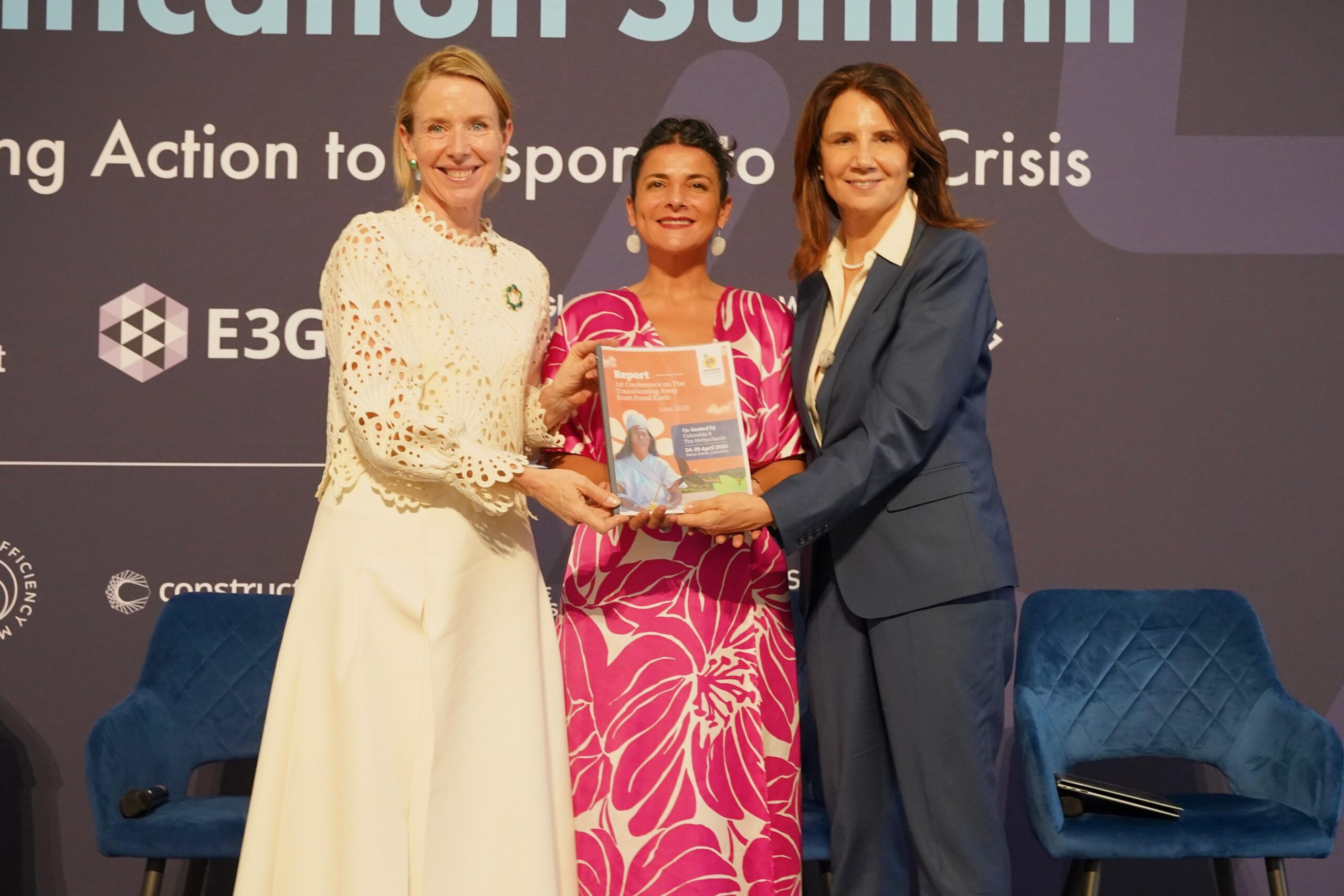
Irene Vélez Torres is Colombia’s Minister of Environment and Sustainable Development, and Mark Watts is Executive Director of C40 Cities.The science is unequivocal. The world must transition away from fossil fuels. What remains uncertain is whether our institutions, economies and political systems are prepared to deliver the transformation required at the necessary speed and scale.For too long, this transition has been framed as a technological substitution challenge. Replace fossil fuels with renewables and the problem is solved. But this view overlooks a deeper reality. Fossil fuels are embedded in economic systems shaped by extraction, inequality, and dependence. Moving beyond them requires structural transformation, not only of energy systems, but of the way economies are organised and governed.This is both a global and a territorial challenge. And it is precisely at the intersection of national leadership and urban action where the transition becomes real.Today, the energy system accounts for more than three-quarters of global greenhouse gas emissions, while fossil fuel expansion continues despite clear scientific warnings. This contradiction reflects entrenched financial and institutional incentives that continue to favour short-term extraction over long-term stability.Recent global crises have exposed the consequences. Volatility in fossil fuel markets has translated into rising energy costs, fiscal pressure and growing inequality. A system that depends on geopolitical instability cannot guarantee reliable or affordable energy for people. Nor can it sustain resilient economies.This is why Colombia has argued consistently in international spaces that the transition away from fossil fuels is not only an environmental necessity, but a matter of justice. It requires moving beyond an extractive model toward economies that protect life, redistribute opportunity and recognise the value of territories and communities.In Colombia, the challenge is immediate. Fossil fuels represent a significant share of exports and public revenues, and entire regions depend on these industries. Addressing this reality demands deliberate strategies to overcome economic dependence, manage fiscal constraints, and enable productive re-conversion without reproducing new forms of extractivism.But this transformation will not be delivered by national governments alone. Cities are not just implementers of policy. They are strategic actors in reshaping demand, accelerating innovation, and demonstrating that a different model is already possible.Cities turn climate goals into real-life improvementsUrban areas account for the majority of global energy use and emissions. Yet they are also where the benefits of the transition are most immediate and visible. From expanding clean public transport to reducing air pollution, from improving energy efficiency in buildings to scaling decentralised renewable systems, cities are turning long-term climate goals into tangible improvements in people’s lives.Across the C40 network, cities are already reducing emissions while strengthening economic resilience. These experiences show that transitioning away from fossil fuels lowers costs, improves public health and creates jobs. They also demonstrate something equally important: that climate action, when designed around people, can rebuild trust in public institutions.Solar surge kept fossil electricity flat in 2025 as China and India made ‘historic’ shiftThe Mayor of London has delivered the world’s largest clean air zone. Melbourne has enabled new wind farms that now supply 100% of municipal operations. In Curitiba, solar investments are cutting public energy bills by 30% while creating inclusive jobs.Johannesburg’s US$140-million green bond, oversubscribed by 150%, has mobilised strong investment into clean energy and efficiency projects. And in Colombia, Bogotá established a low-emission zone (ZUMA) in a vulnerable neighborhood, improving air quality and public health for nearly 40,000 people.
Why the transition beyond fossil fuels depends on cities and collective action
Cities will help identify concrete pathways for an equitable shift to clean energy at the Santa Marta conference, with C40 members aiming to halve their fossil fuel use by 2030At the Santa Marta conference, cities will help identify concrete pathways for a fair shift from dirty to clean energy
1,074 words~5 min read