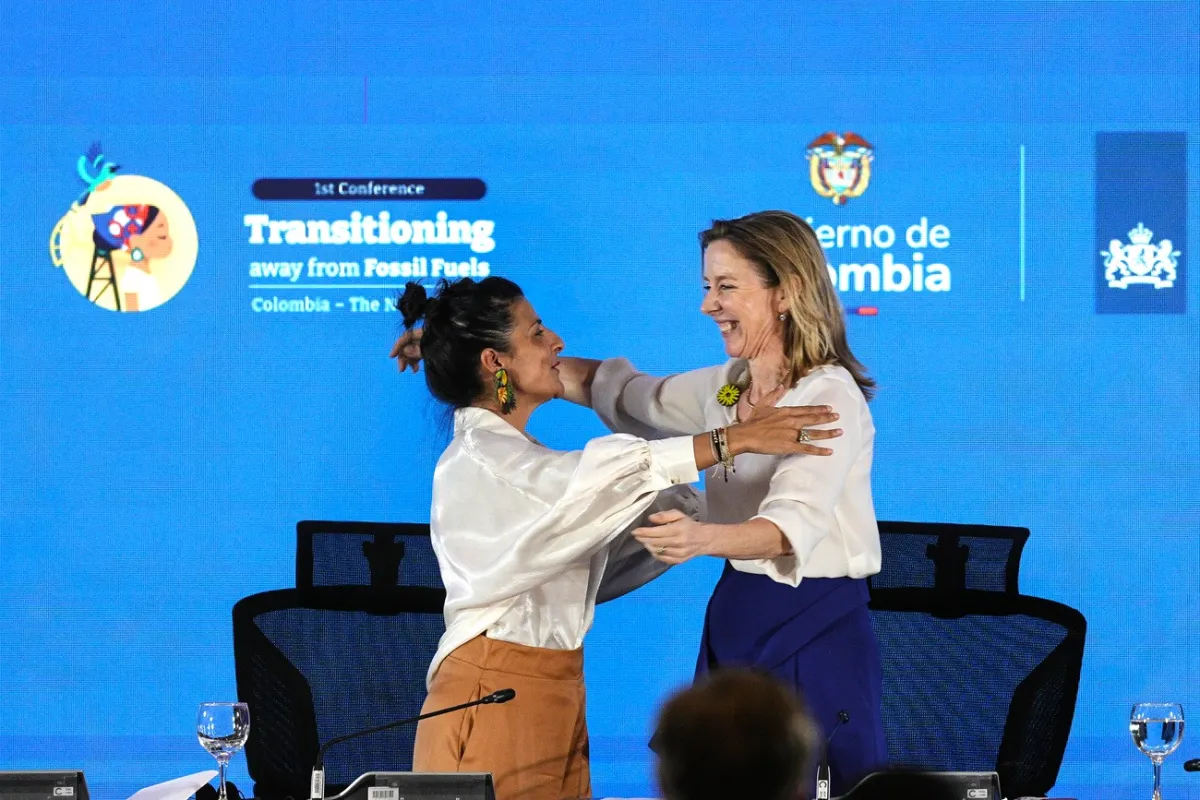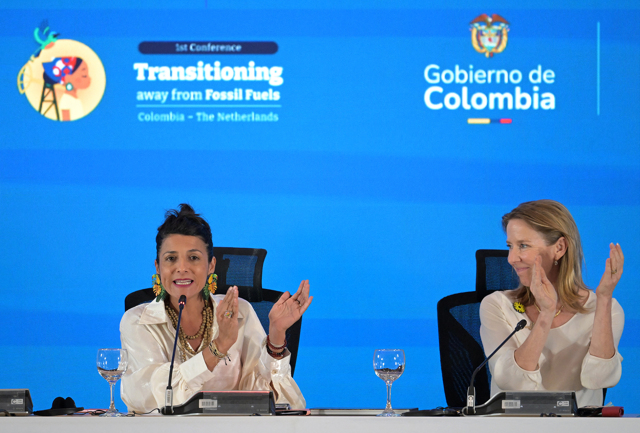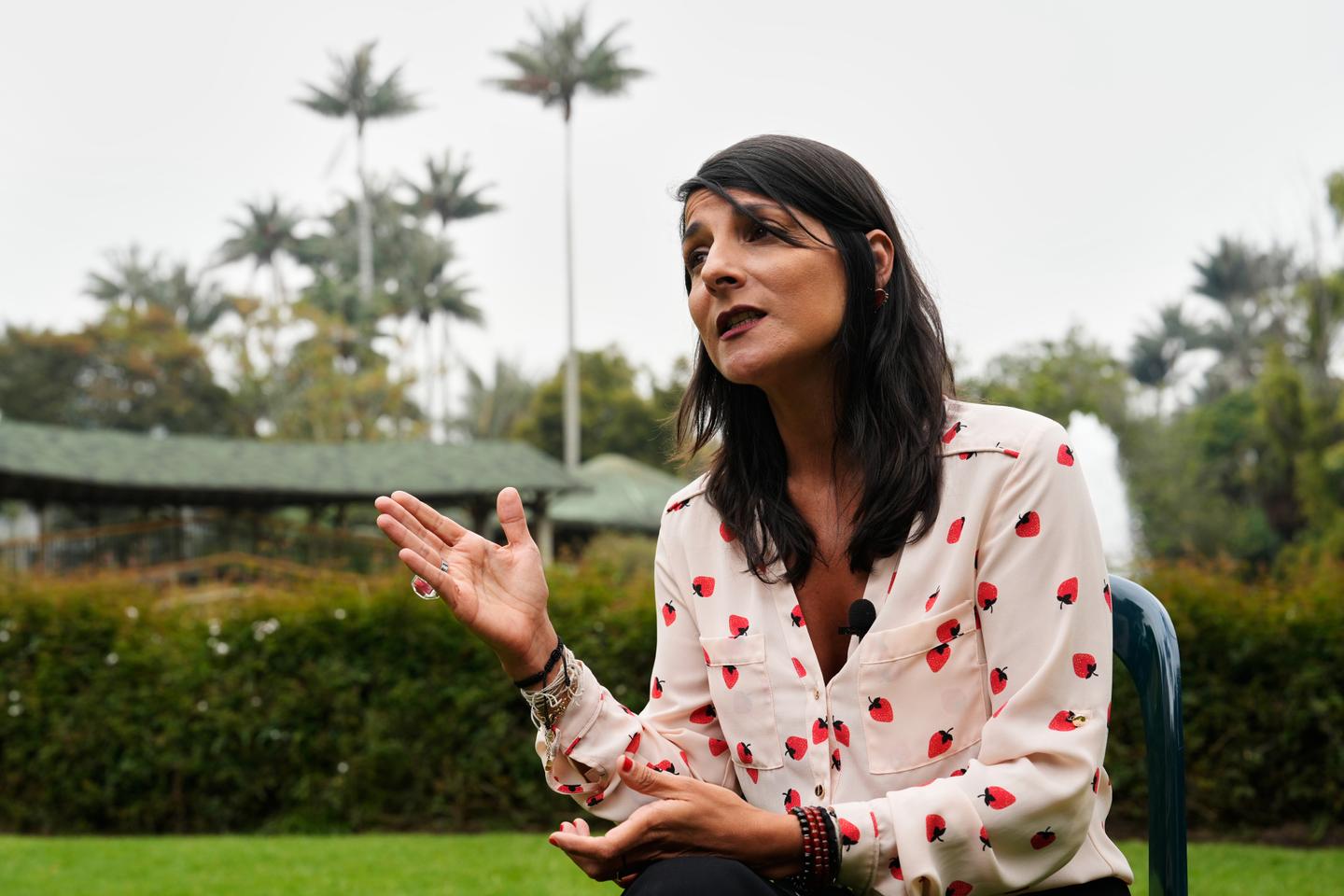
Colombian Environment Minister Irene Vélez Torres, in Bogotá, April 16, 2026. FERNANDO VERGARA/AP
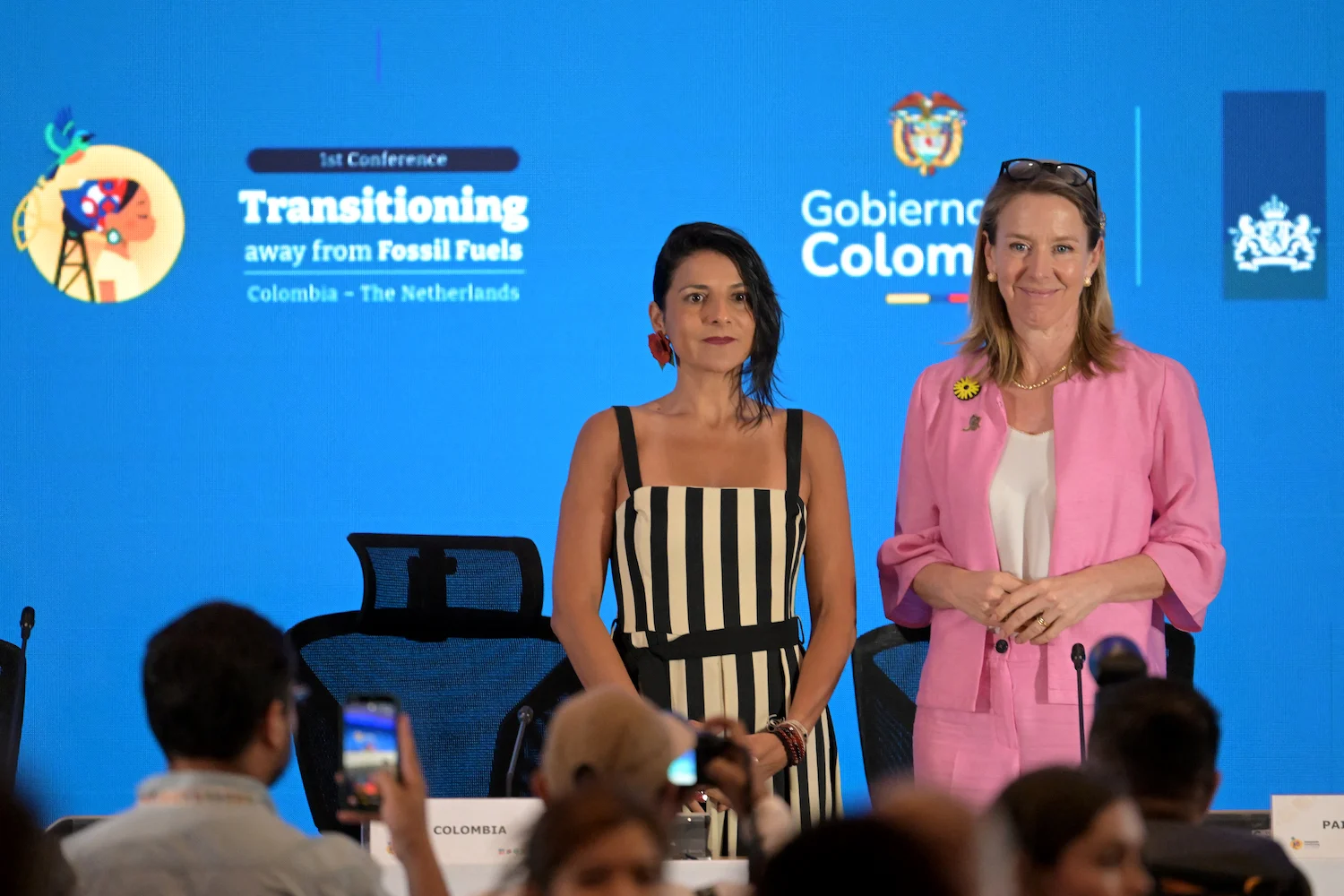
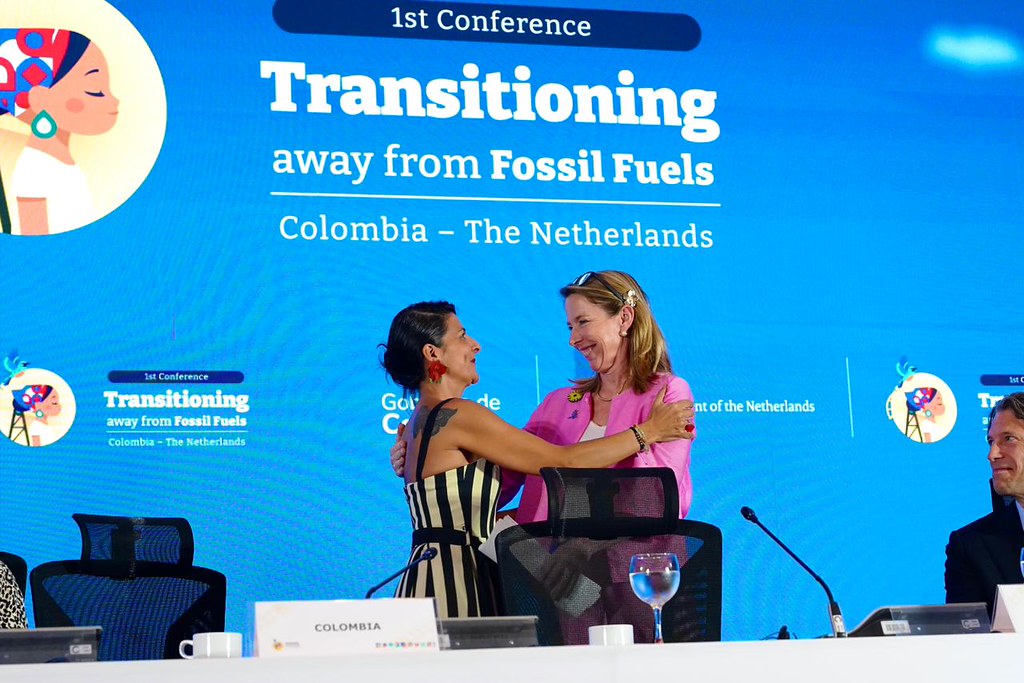
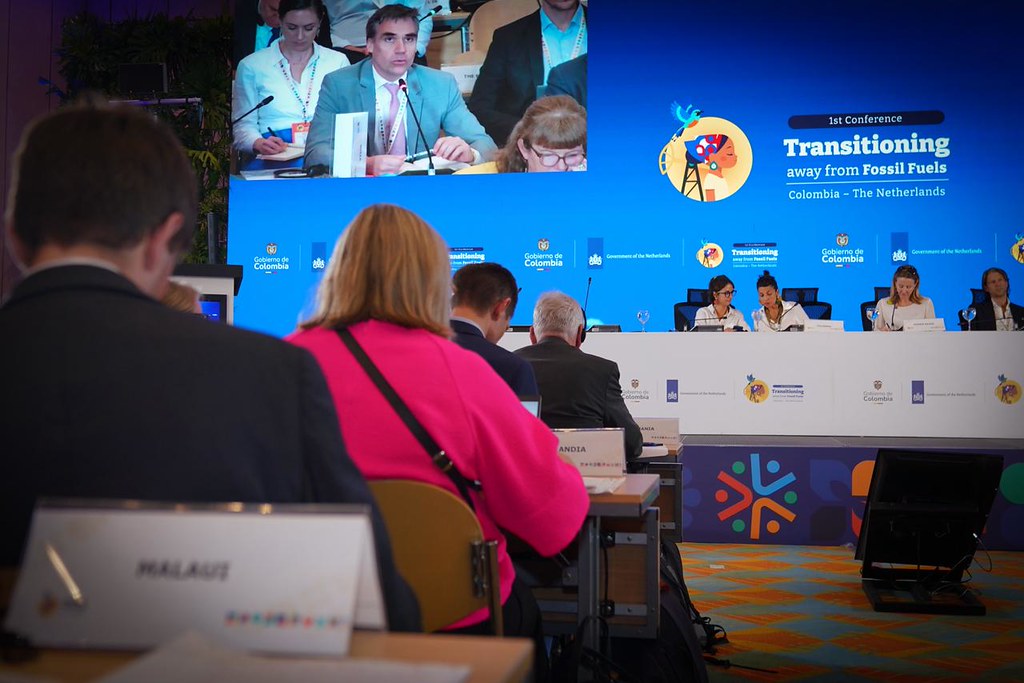
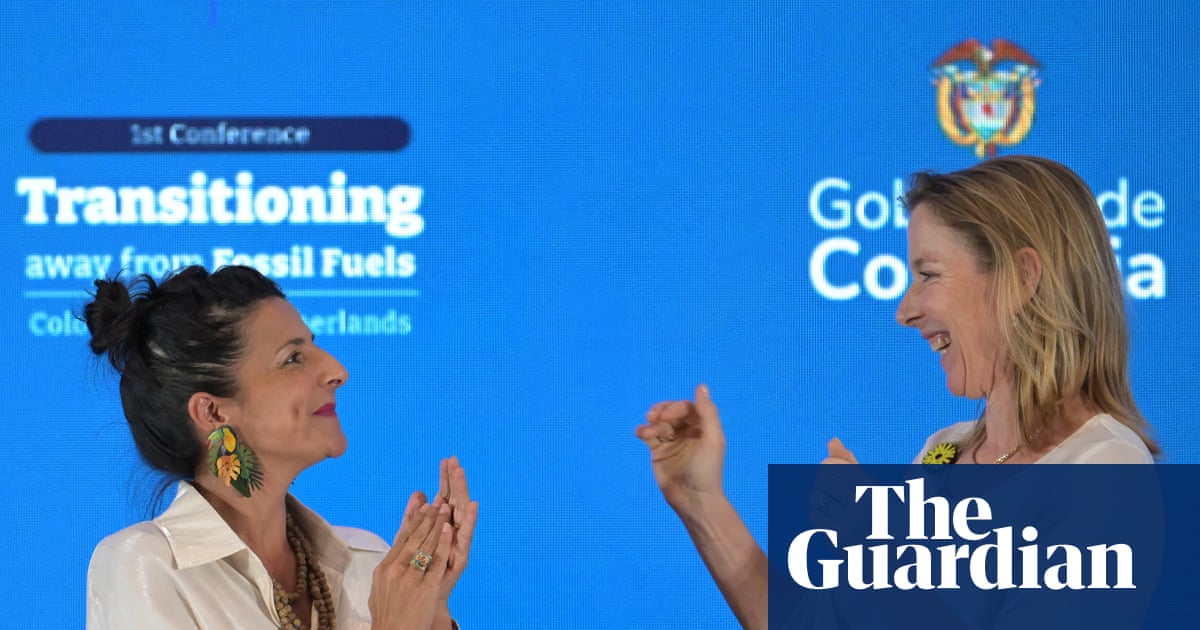
This time, only those who are already convinced will take a seat at the table. Colombia and the Netherlands are hosting, from April 24 to 29, the first international conference on phasing out fossil fuels, in the Colombian city of Santa Marta. This unique diplomatic initiative, bringing together 50 countries including France and the European Union, highlights the repeated failure of the United Nations process to confront this central issue in the fight against climate change. It paves the way for an alternative approach in a fragmented multilateral context. Most importantly, it comes at a time when the global energy crisis has renewed the urgency to move beyond coal, oil and gas, not only for the sake of the climate but also for sovereignty.
Participants come from all regions of the world and include both fossil fuel producers and consumers: Canada, the United Kingdom, Norway, Brazil and Senegal are present, alongside Vietnam and the Maldives. Those attending represent about one-third of global energy consumption and one-fifth of production. However, the three main greenhouse gas emitters – China, the United States and India – will be absent from these discussions. In addition to energy ministers expected on April 28 and 29, the academic sector and civil society are also represented, as well as the presidencies of COP30 and COP31, the most recent and the next UN Climate Change Conferences.