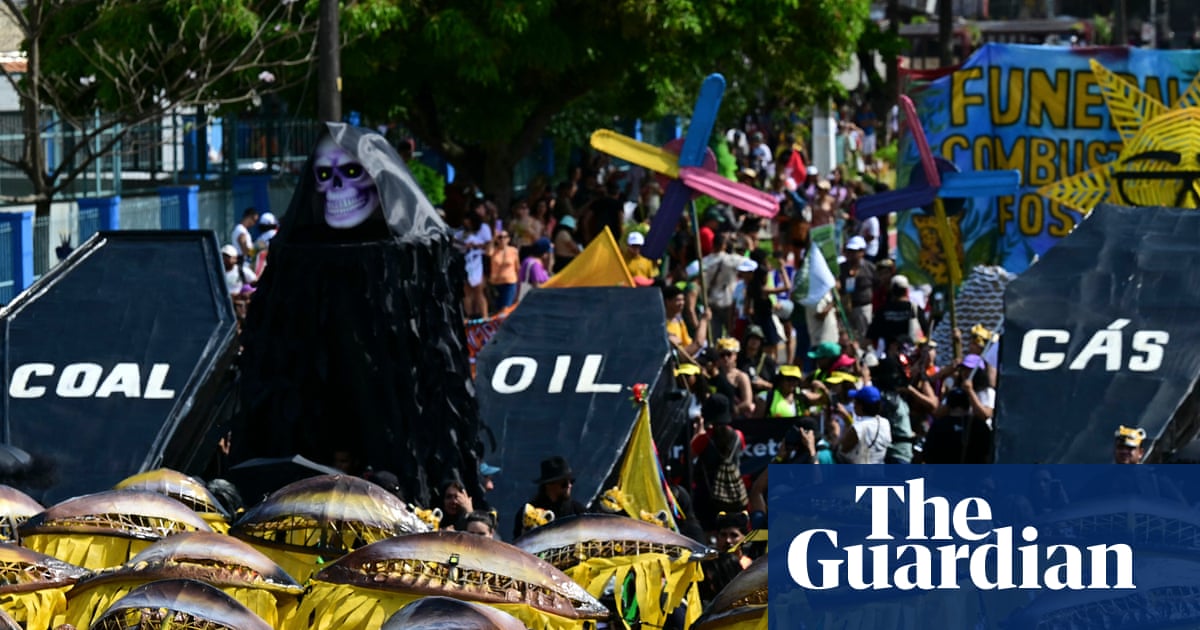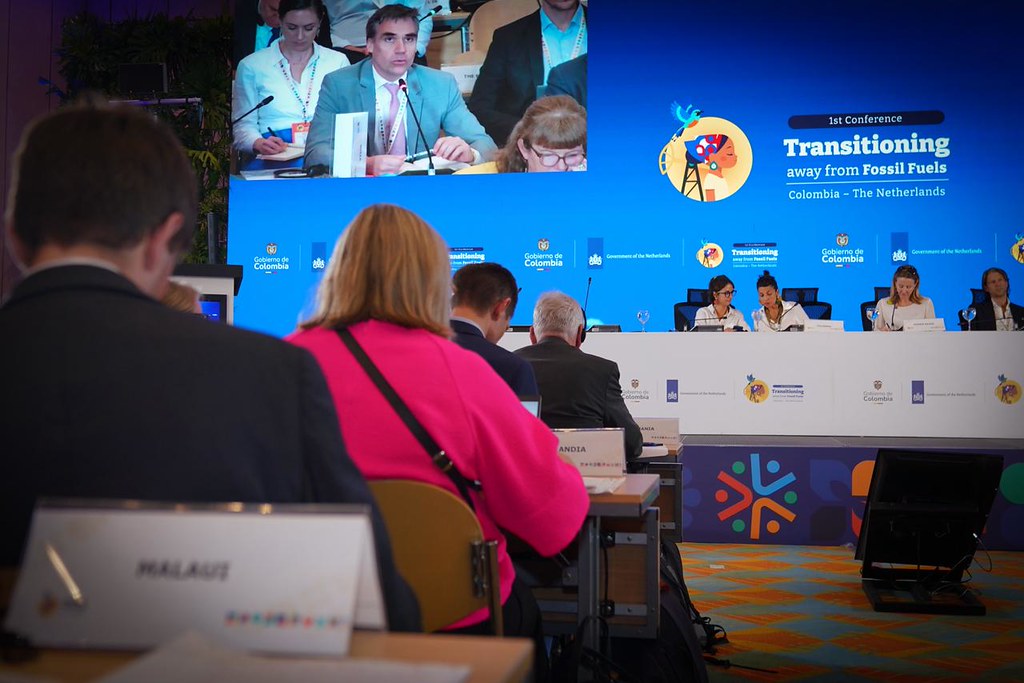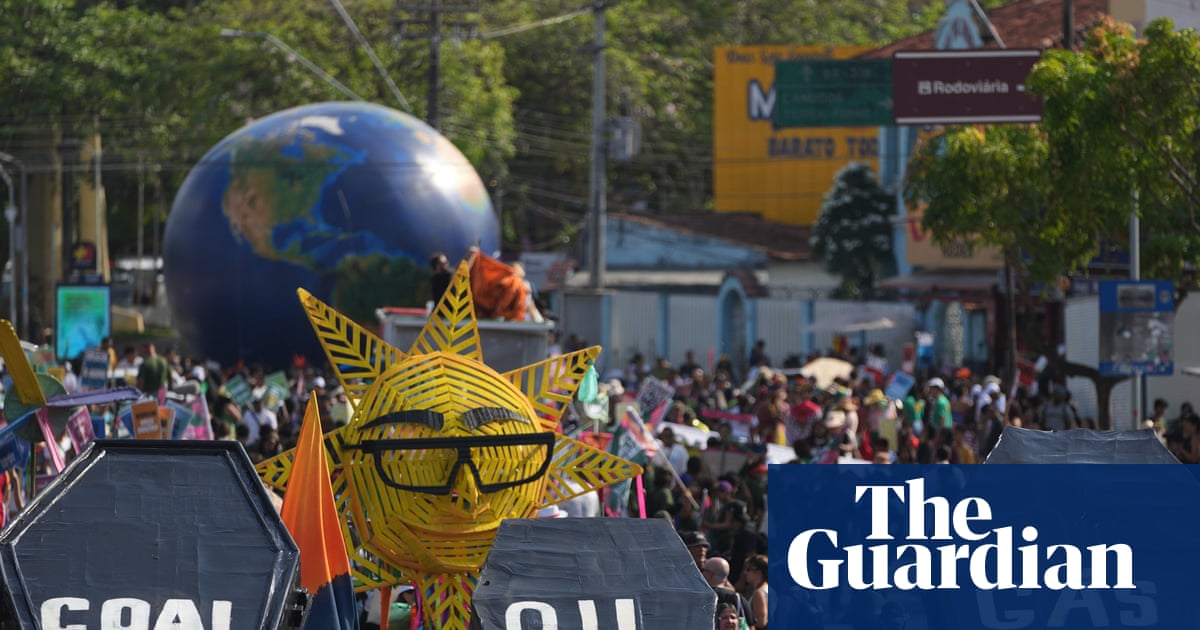
‘Coalition of the willing’ gathers in Colombia to try to bypass petrostate blockages of Cop summits and chart fresh path
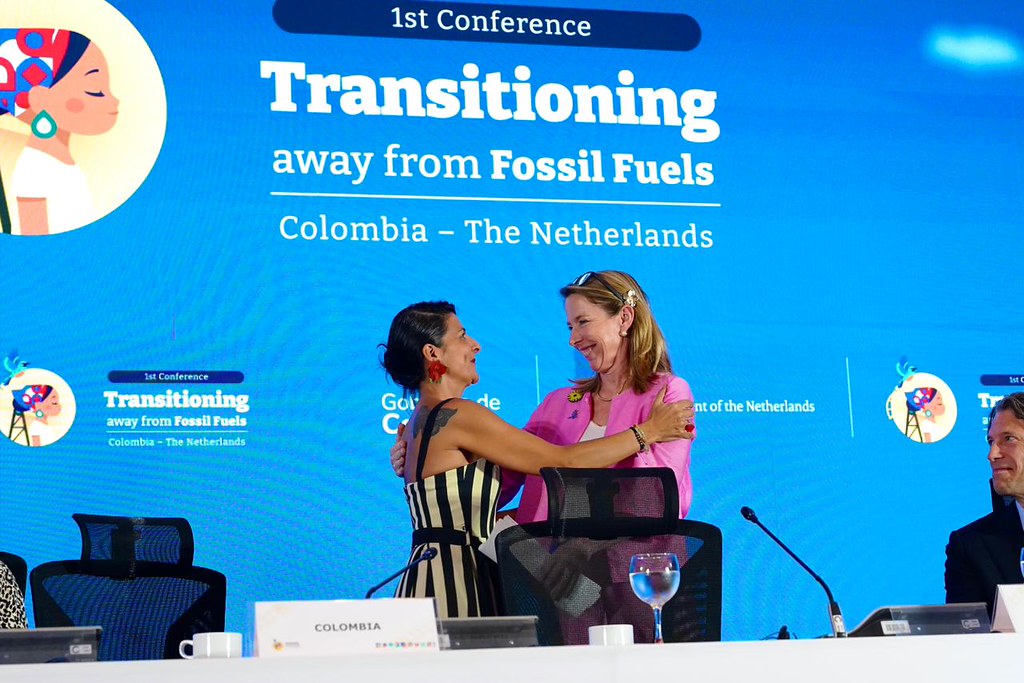
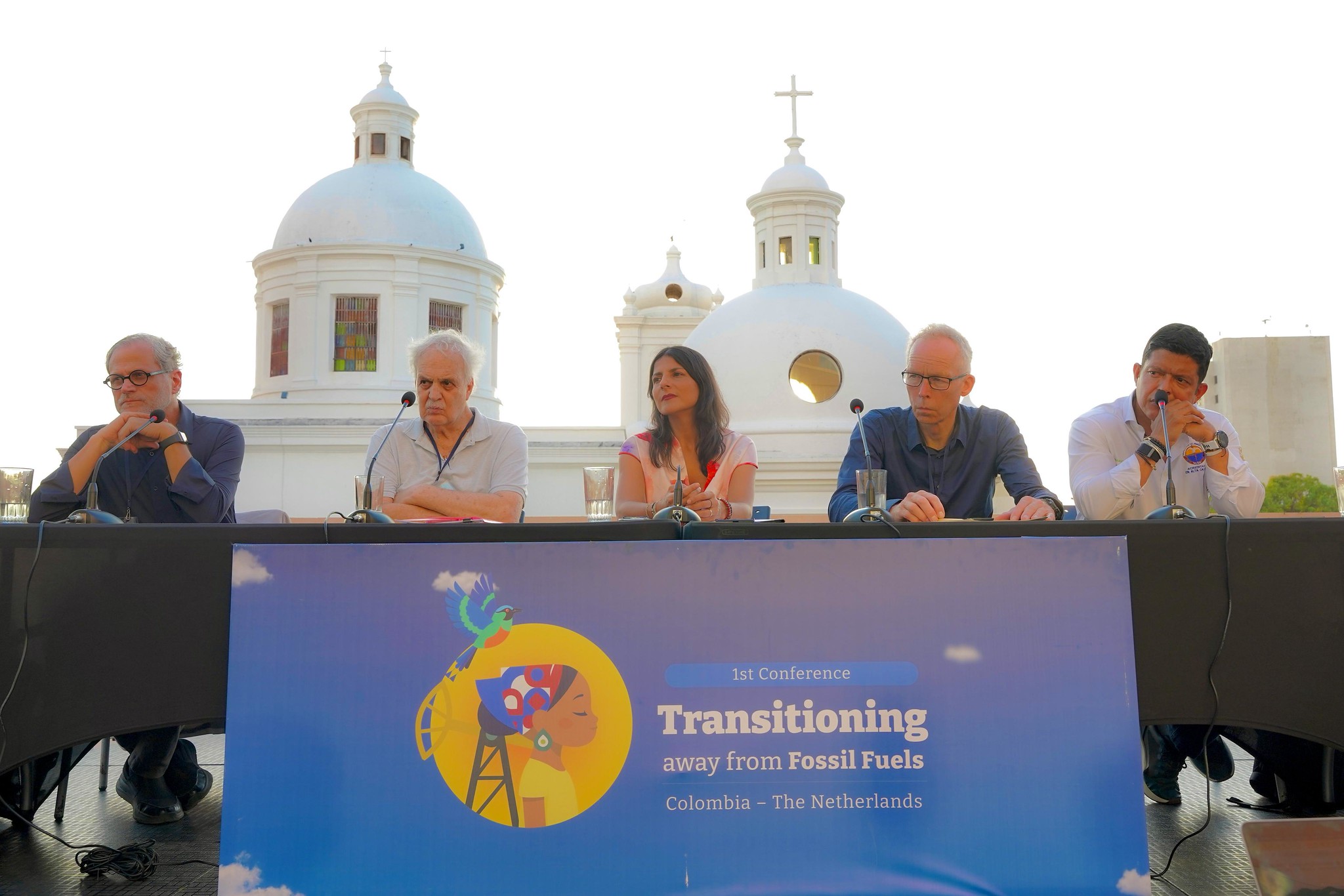
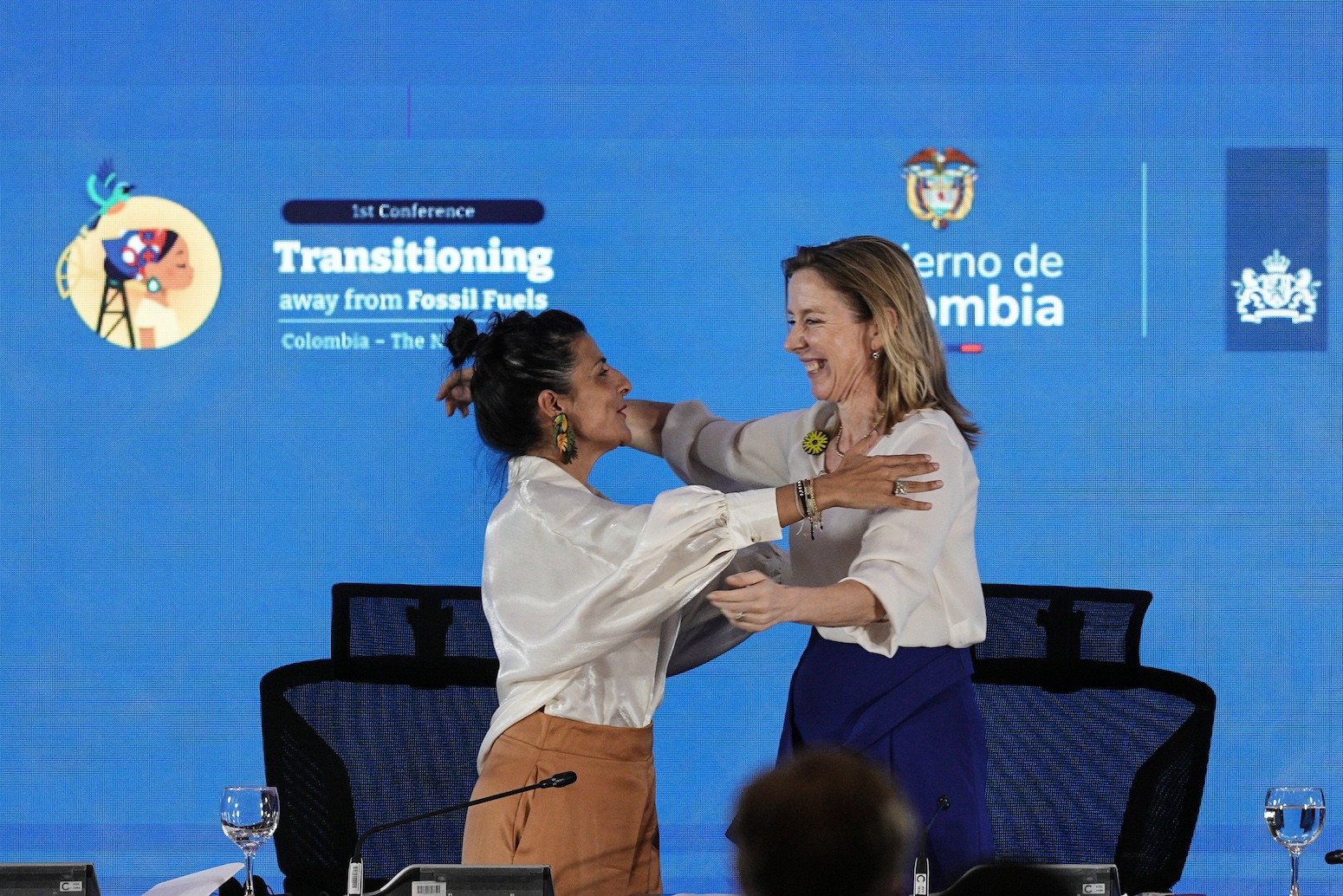
The world’s first Transitioning Away from Fossil Fuels conference, co-hosted by Colombia and the Netherlands, takes place in Santa Marta, Colombia, from 24 to 29 April. A “coalition of the willing” – including 54 countries and various subnational governments, civil society groups and academics – will try to chart a new path to powering the world with low-carbon energy.
With temperatures at land and sea breaking records, the prospect of limiting global heating to 1.5C above preindustrial levels looks increasingly remote. It is widely accepted that the only way of avoiding the worst ravages of climate chaos is to slam the brakes on fossil fuels and shift the global economy urgently to a low-carbon footing.
The technologies needed to do that – wind and solar power, electric vehicles, heat pumps for home heating, battery storage – are all available and increasingly affordable. But the inertia of the fossil fuel economy, and the vast vested interests of the oil, gas and coal industries, are working against the shift.
No. Under the UN Framework Convention on Climate Change, all global governments, bar a few failed states, have met for a “conference of the parties” (Cop) almost every year since 1992 to discuss the climate. But that process requires consensus, so oil-producing countries have been able to stifle debate on the role of fossil fuels. It was only in 2023, at the Cop28 conference in Dubai, that fossil fuels were addressed directly in a Cop outcome – countries pledged to “transition away from fossil fuels”, but agreed no timetable or blueprint to do so. In the Cops since then, attempts to work on such a framework have foundered.