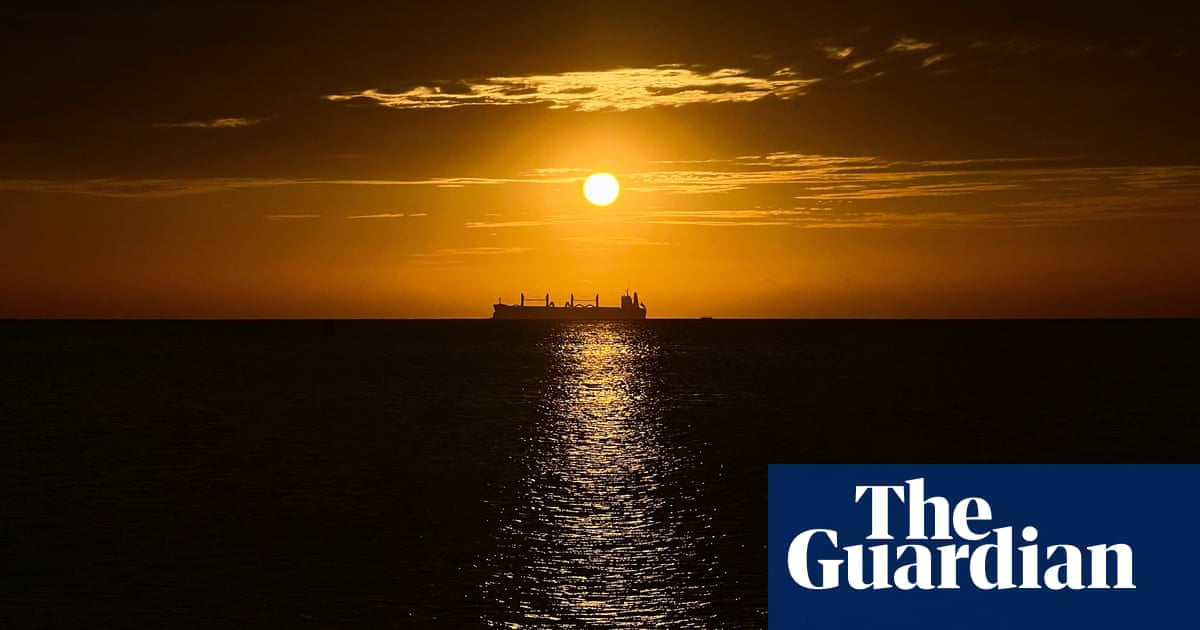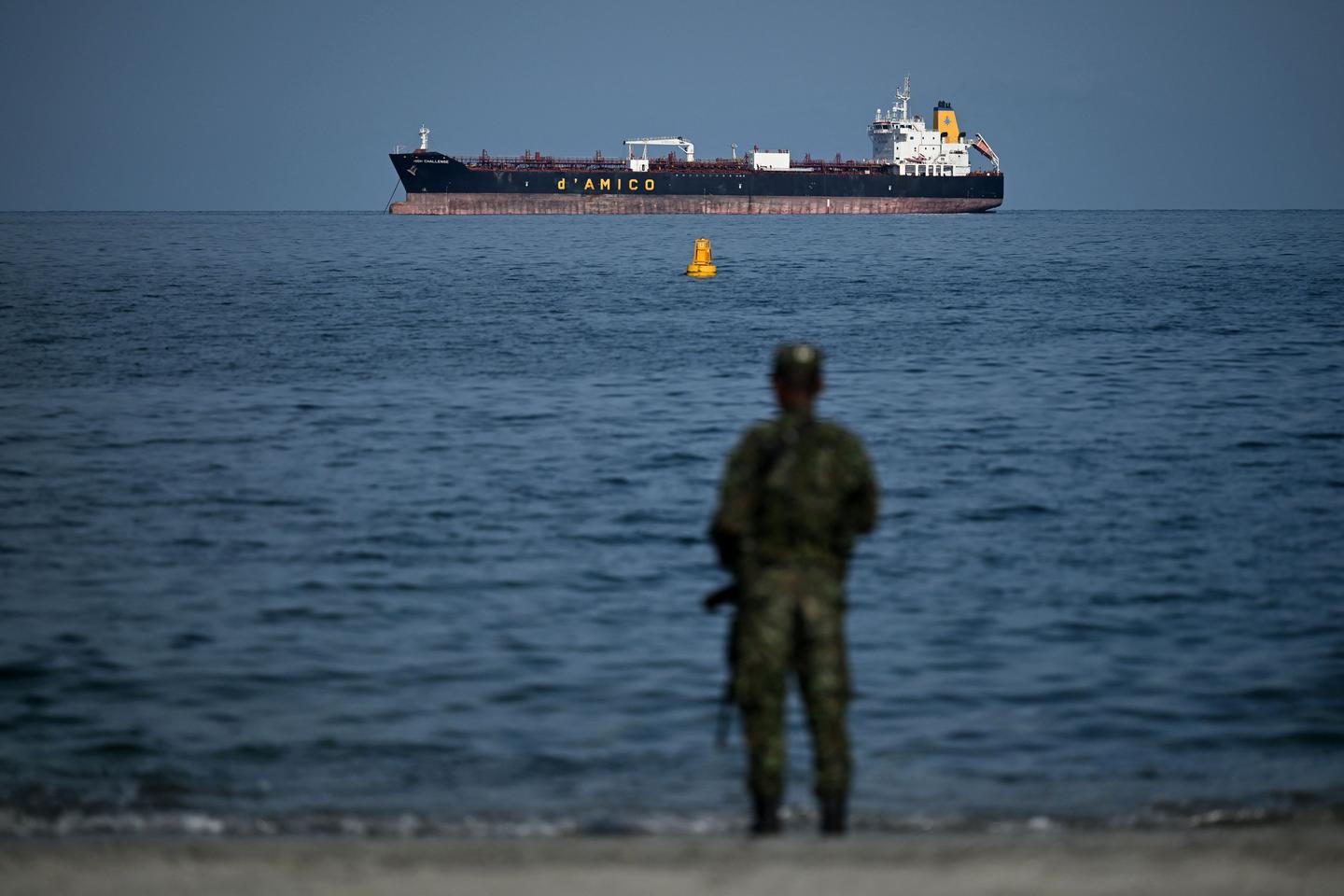
An oil tanker off the coast of Santa Marta, Colombia, April 29, 2026. RAUL ARBOLEDA/AFP
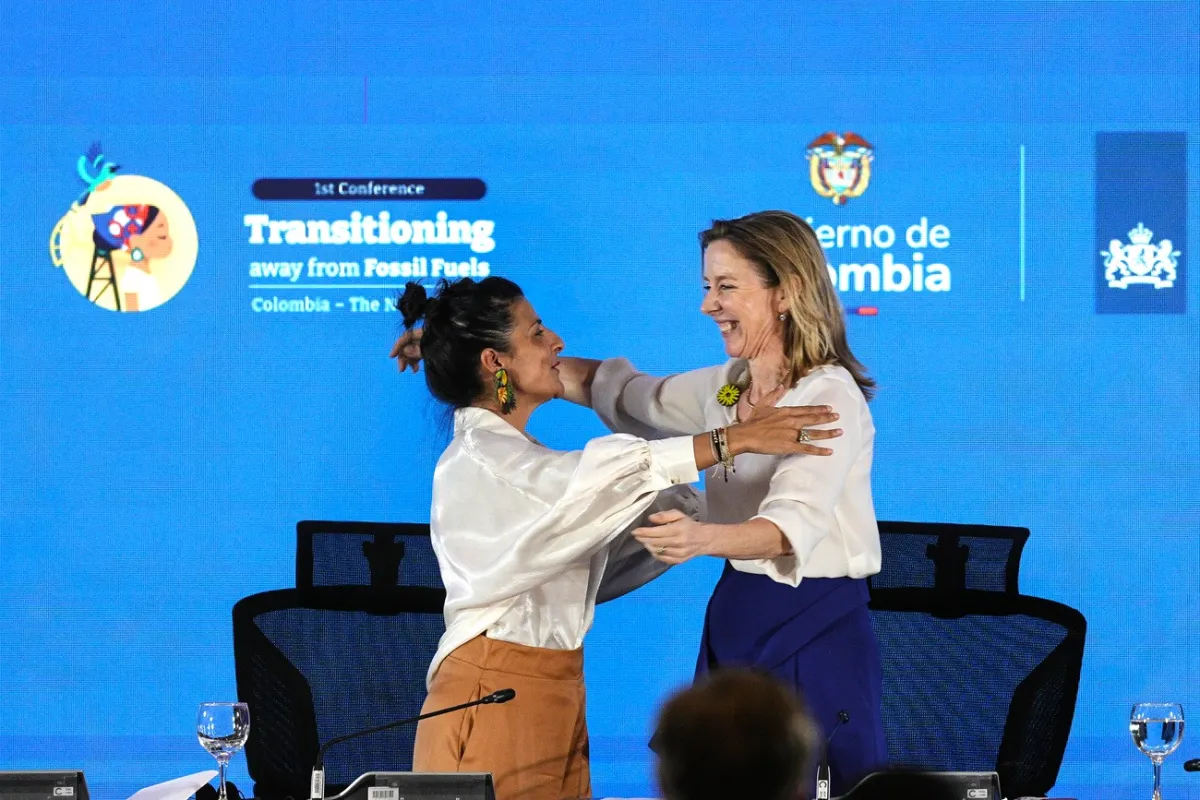
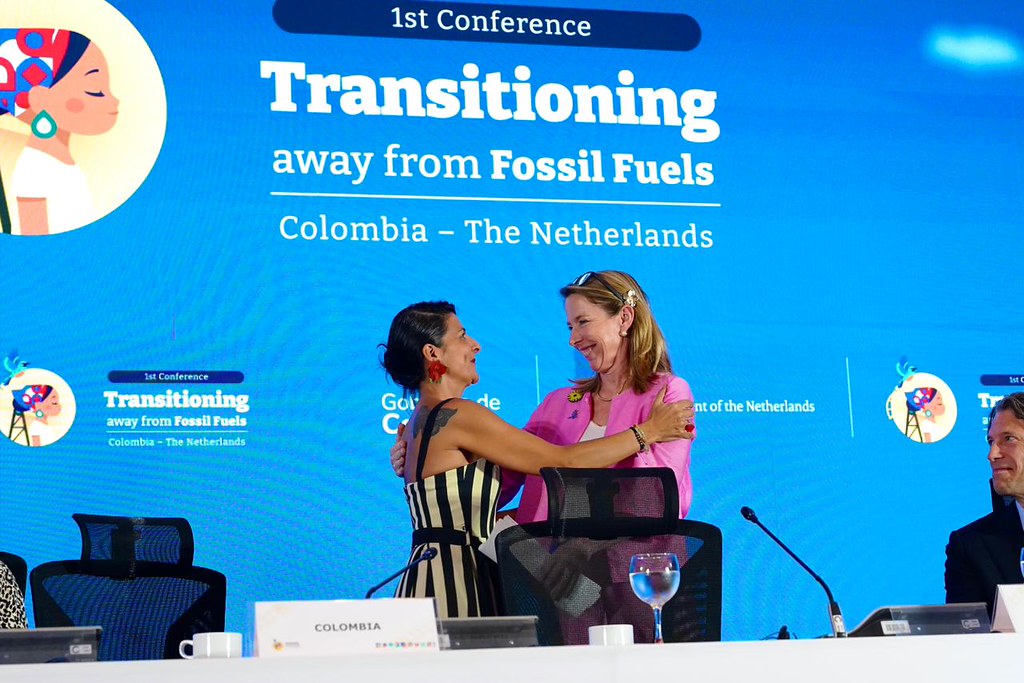
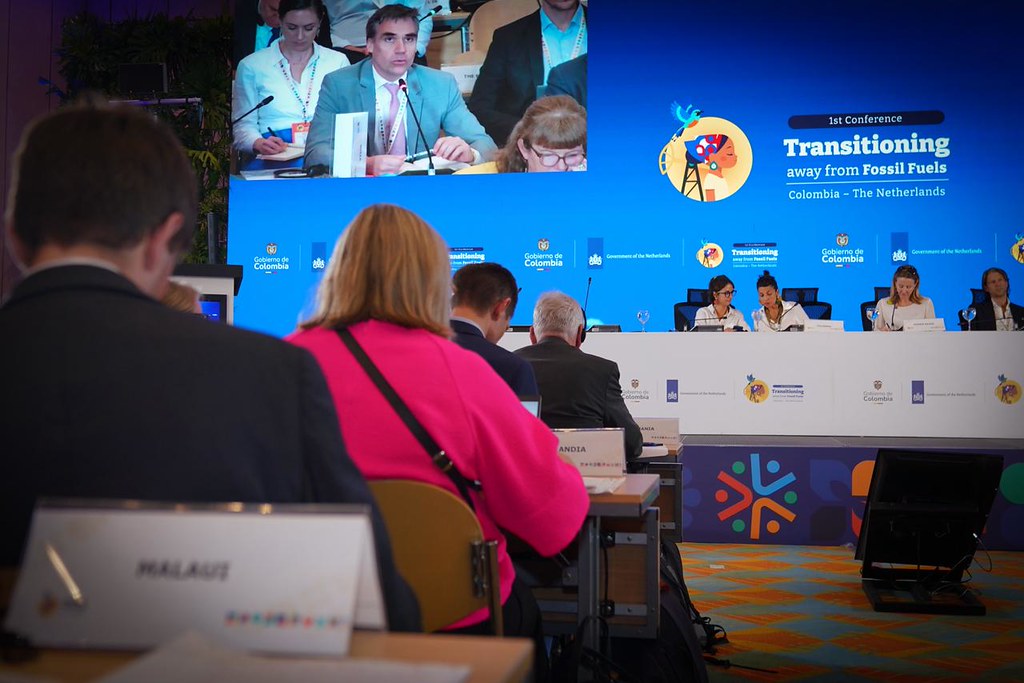
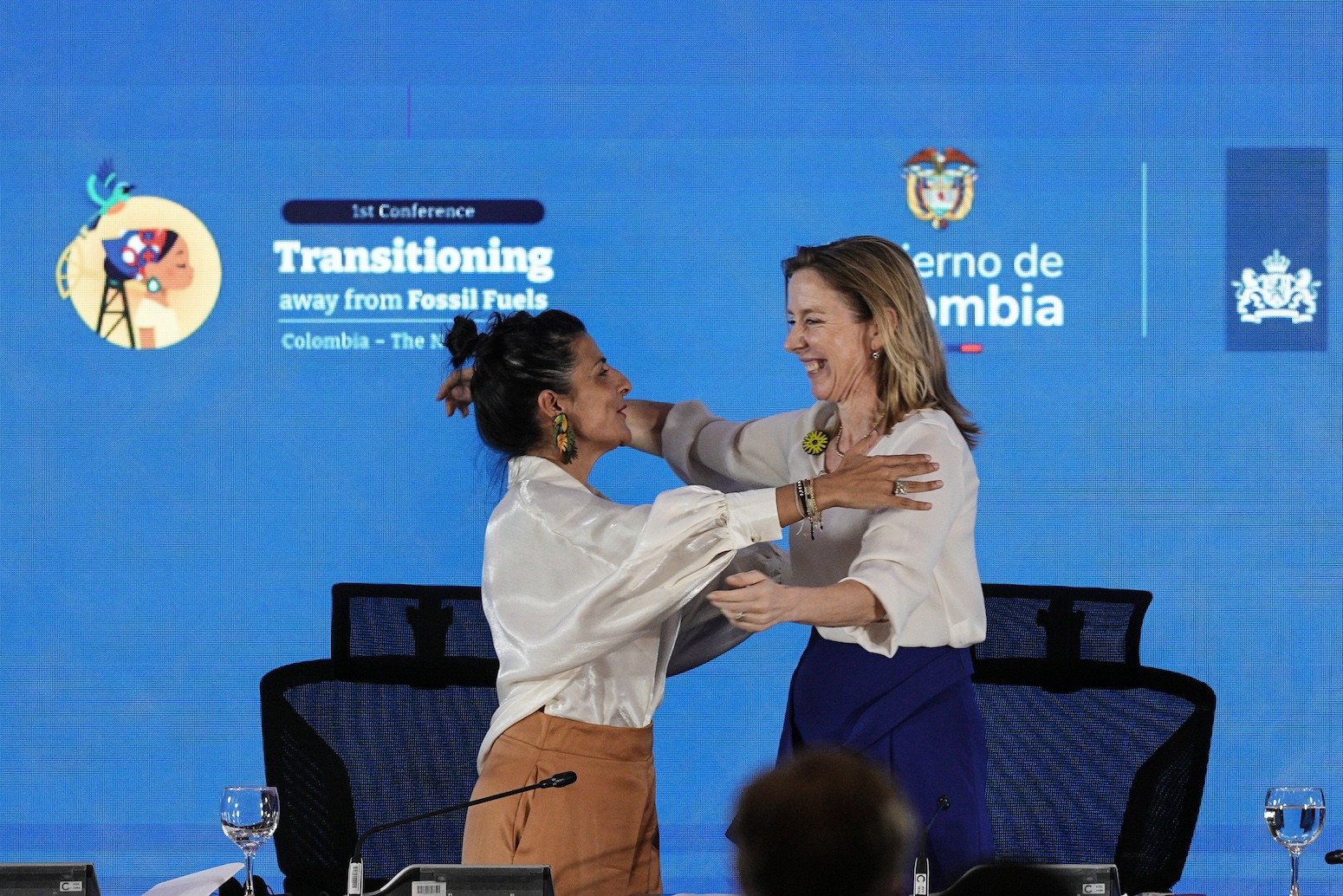
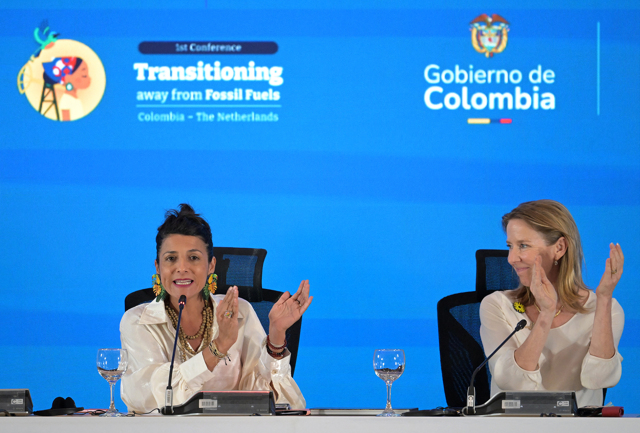
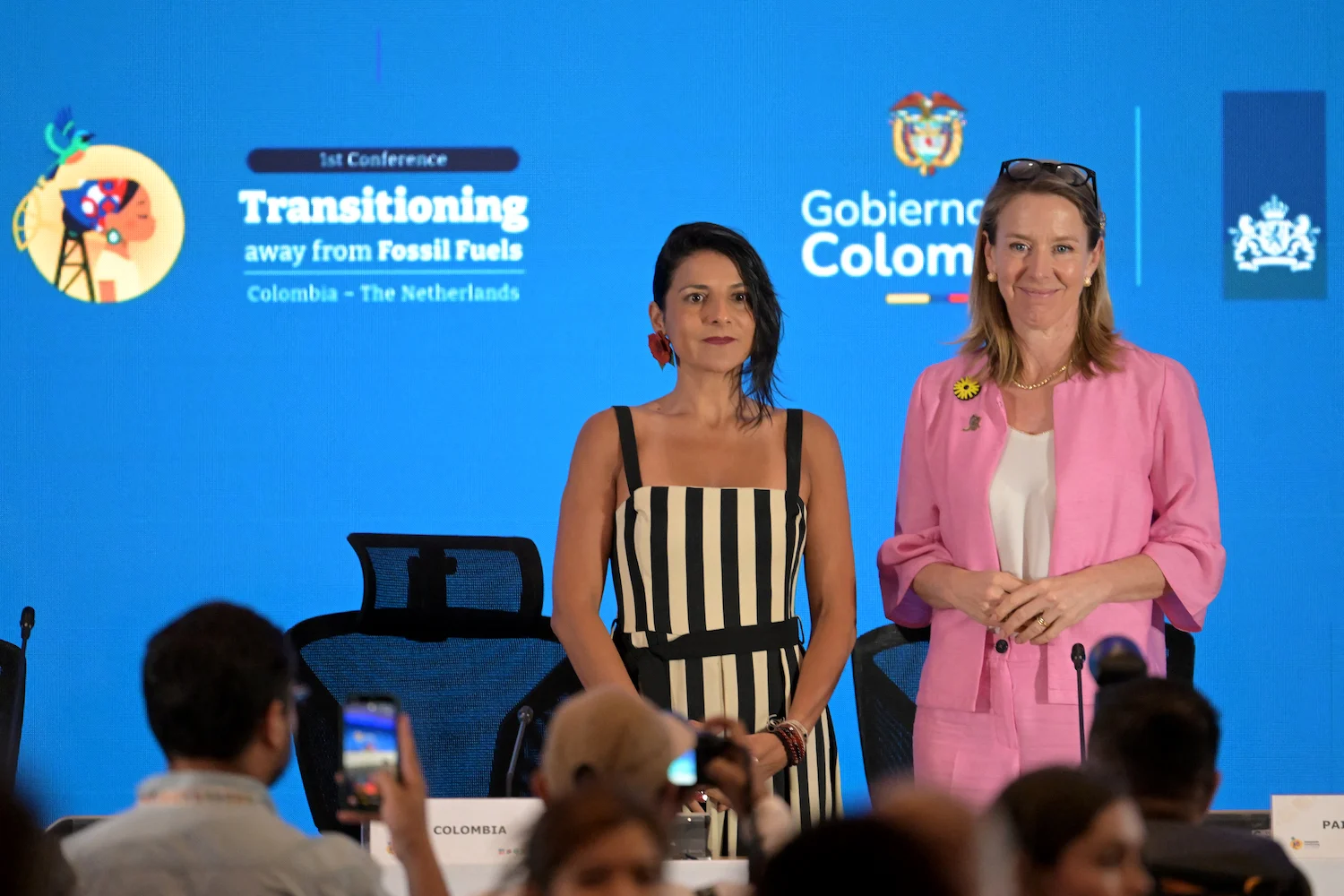
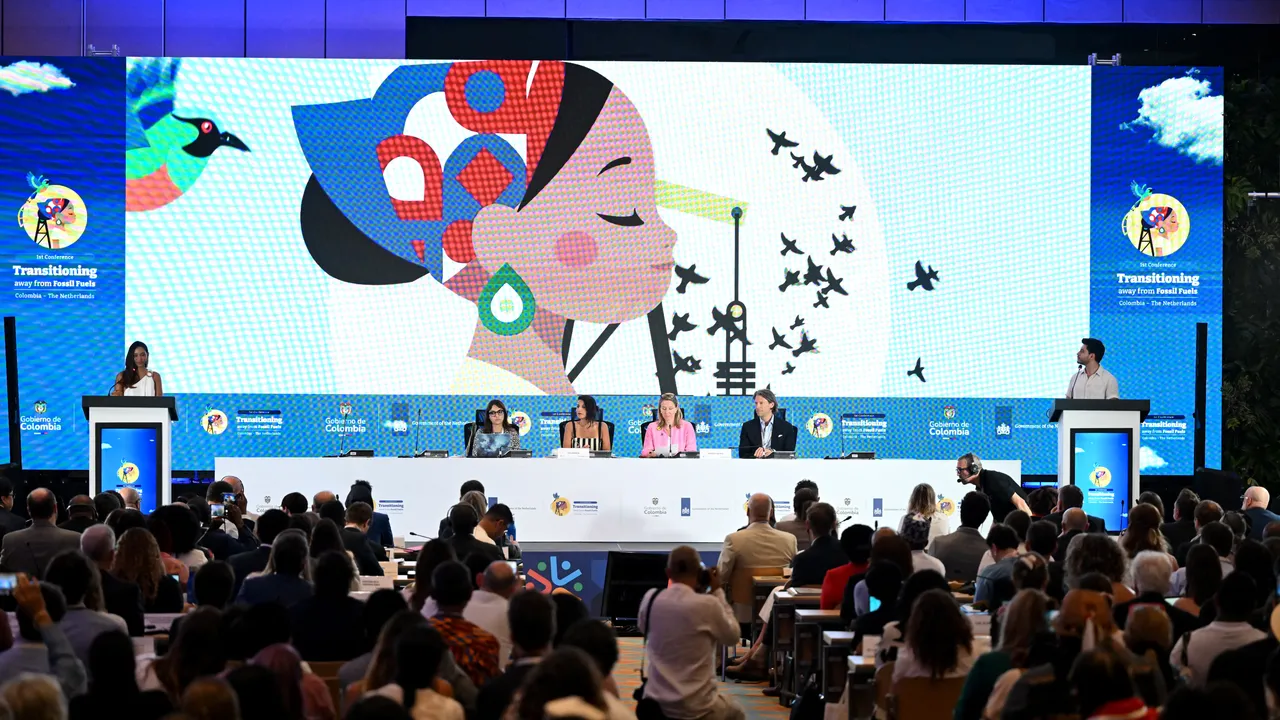
The setting was symbolic. A Caribbean port city and coal exporter, with ships loaded with the most polluting fuel anchored offshore, hosted the first international conference devoted to phasing out fossil fuels. At the close of the summit on Wednesday, April 29, the 57 countries gathered in Santa Marta, Colombia, outlined possible ways to move beyond coal, oil and gas. It was a strong political message, delivered amid an energy crisis triggered by the war in the Middle East.
The event, organized by Colombia and the Netherlands, aimed to address this critical issue in the fight against the climate crisis without taboos. Although fossil fuels are responsible for the vast majority of greenhouse gas emissions, they are rarely addressed at annual climate conferences, which are often paralyzed by the need for consensus and by industrial lobbying. In November 2025, COP30 failed to adopt a roadmap on the subject.
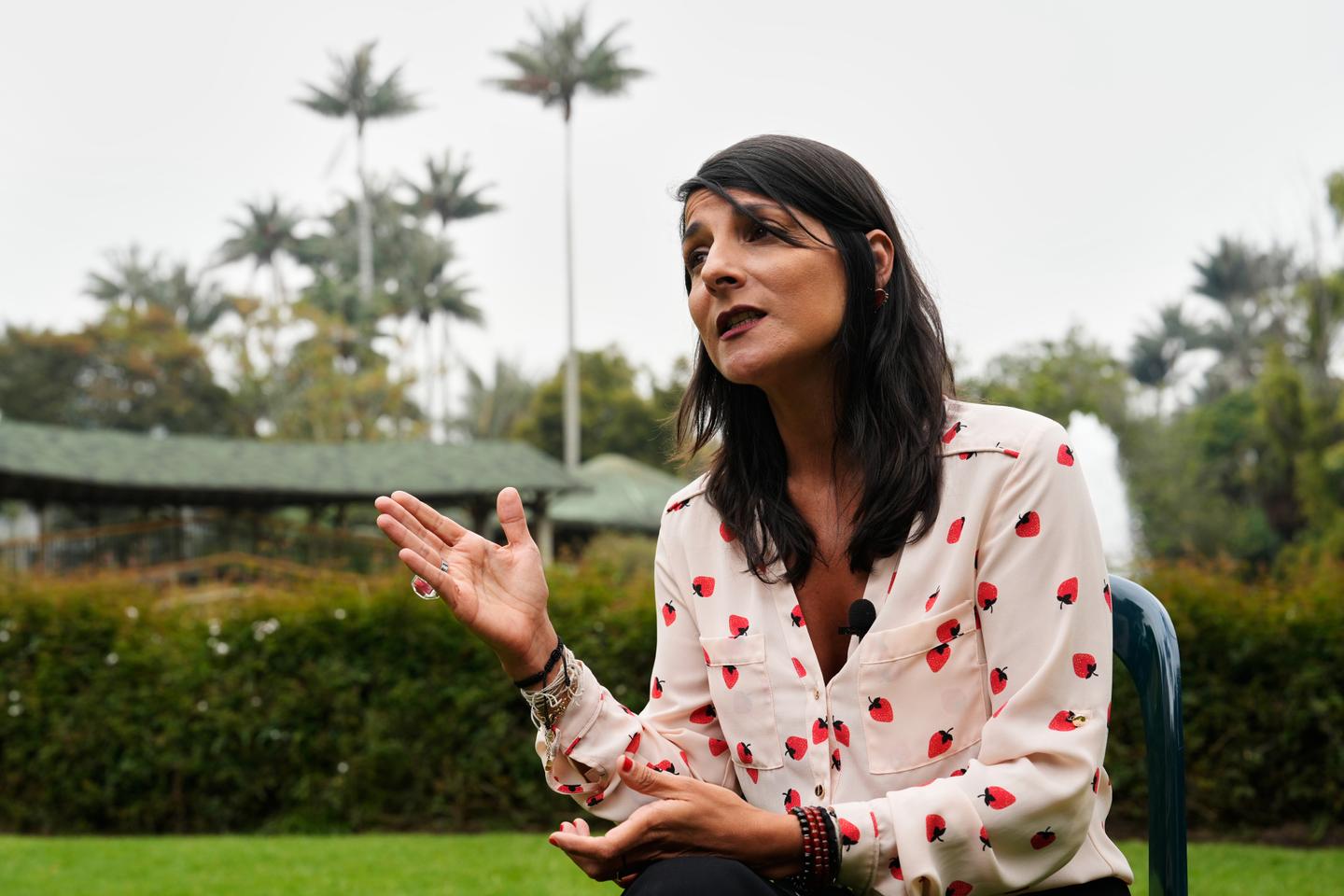
In Santa Marta, the participating countries – including fossil fuel producers such as Brazil, Canada, Norway and Nigeria, as well as the European Union and Singapore – sought to chart a different course. Accounting for 30% of global oil consumption and 30% of the world's gross domestic product (GDP), these states represent "an undeniable collective power," said Irene Vélez Torres, Colombia's environment minister. The largest emitters – China, the United States, India and Russia – were not invited.