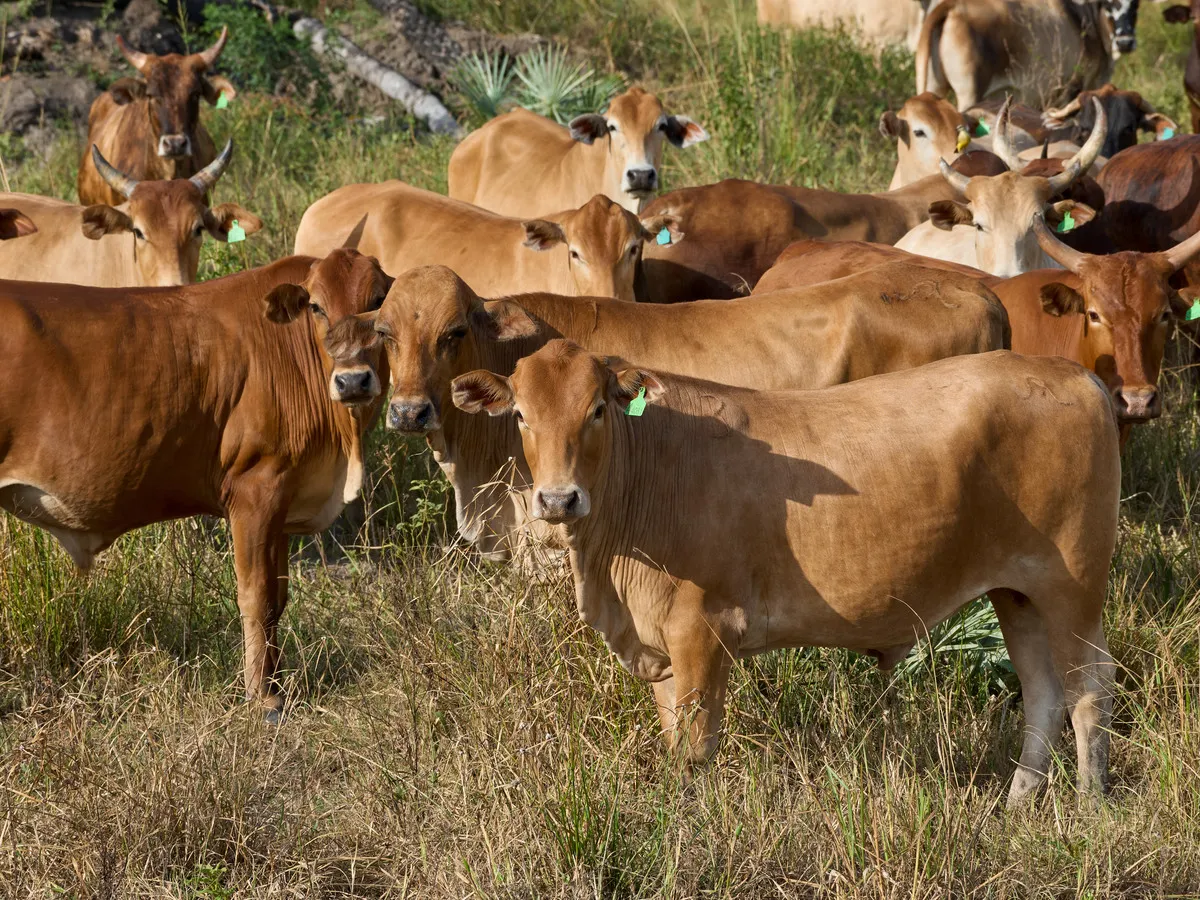
Skip to Content News Archives Economy Energy Oil & Gas Renewables Electric Vehicles Mining Commodities Agriculture Real Estate Mortgages Mortgage Rates Finance Banking Insurance Fintech Cryptocurrency Work Wealth Smart Money Wealth Management Investor Personal Finance Family Finance Retirement Taxes High Net Worth FP Comment Executive Women Puzzmo Newsletters Financial Times Business Essentials More Innovation Information Technology FP500 Podcasts Small Business Lives Told Tails Told Shopping Financial Post Store Obituaries Place a Notice Advertising Advertising With Us Advertising Solutions Postmedia Ad Manager Sponsorship Requests Classifieds Place a Classifieds ad Working Profile Settings My Subscriptions Saved Articles My Offers Newsletters Customer Service FAQ News Economy Energy Mining Real Estate Finance Work Wealth Investor FP Comment Executive Women Puzzmo Newsletters Financial Times Business Essentials HomeCommoditiesFinancial TimesCanada's beef producers say Mercosur trade deal will devastate industryFarmers fear a flood of cheap meat as Carney government looks for entry to South American blocAuthor of the article: You can save this article by registering for free here. Or sign-in if you have an account.Cattle graze at a ranch near Asuncion, Paraguay, on March 11, 2026. Photo by Santi Carneri/BloombergCanadian beef producers fear Ottawa’s plan for a free-trade deal with South America’s Mercosur bloc will lead to a flood of cheaper imported meat that risks devastating their multibillion-dollar industry.Subscribe now to read the latest news in your city and across Canada.Exclusive articles from Barbara Shecter, Joe O'Connor, Gabriel Friedman, and others.Daily content from Financial Times, the world's leading global business publication.Unlimited online access to read articles from Financial Post, National Post and 15 news sites across Canada with one account.National Post ePaper, an electronic replica of the print edition to view on any device, share and comment on.Daily puzzles, including the New York Times Crossword.Subscribe now to read the latest news in your city and across Canada.Exclusive articles from Barbara Shecter, Joe O'Connor, Gabriel Friedman and others.Daily content from Financial Times, the world's leading global business publication.Unlimited online access to read articles from Financial Post, National Post and 15 news sites across Canada with one account.National Post ePaper, an electronic replica of the print edition to view on any device, share and comment on.Daily puzzles, including the New York Times Crossword.Create an account or sign in to continue with your reading experience.Access articles from across Canada with one account.Share your thoughts and join the conversation in the comments.Enjoy additional articles per month.Get email updates from your favourite authors.Create an account or sign in to continue with your reading experience.Access articles from across Canada with one accountShare your thoughts and join the conversation in the commentsEnjoy additional articles per monthGet email updates from your favourite authorsSign In or Create an AccountorCanadian Cattle Association president Tyler Fulton said a Mercosur deal has “pretty dubious benefits” for the country, as Prime Minister Mark Carney seeks to double non-U.S. exports to reduce its over-reliance on the American economy.“It just doesn’t represent a reciprocal market opportunity,” he said. “There’s significant benefit in accessing the Canadian beef market, but there’s really very limited opportunity for Canadians.”The CCA, which represents 60,000 cattle farmers and feedlots, reports that imports into Canada from Mercosur countries increased 238 per cent from 2021 to 2025, adding their annual quotas were filled in days this year.Mercosur comprises Argentina, Brazil, Paraguay and Uruguay, with Bolivia in transition to full membership. Its exports are dominated by commodities such as oil, minerals and agricultural produce.Welber Barral, a consultant at BMJ Associados and former Brazilian trade official, said Canadian opposition was part of the negotiating process.“In Europe, it ended up leading to a quota. Brazil and Mercosur will try to make it free trade. It’s part of the game,” he said.Fulton dismissed claims of protectionism, as Canada is “very exposed to imports,” adding: “Canada last year imported 30 per cent of its beef while the U.S. is 19 per cent and the EU is seven per cent.”Brazil is the world’s largest beef exporter, with 3.5 million tonnes of shipments last year worth US$18 billion. Its exports in the first quarter of 2026 increased by 18 per cent in volume and more than a third in revenue, according to an industry body.The South American nation’s largest customer for beef, China, recently tightened access to its market. Industry experts predicted this could lead to product being diverted to other destinations. Fellow Mercosur member Argentina is another top producer.Fulton said the Mercosur deal risks undermining farmers’ growing national cattle herd numbers after prolonged drought while “China’s quotas add a surge in imports.”In 2025, Canadian beef exports reached $5.3 billion, up 7.7 per cent from 2024, despite slightly lower volumes. Canada sends 75 per cent of its beef exports to the U.S.Carney has travelled across the world seeking trade deals in a bid to “catalyze $1 trillion in total investment in Canada over the next five years.”Canada started Mercosur talks in 2018 but reinvigorated the process as a response to U.S. trade turbulence. It hopes to sign an agreement before the end of 2026, the FT reported in December.In April, Ontario’s beef farmers wrote to Carney opposing Mercosur access, “as it would introduce lower-cost, lower-quality imports that ultimately harm consumers, the environment, rural communities and farm families.”Fears of a flood of cheap produce led to a wave of protests by European farmers against the EU-Mercosur free-trade deal. Brussels then decided to provisionally apply the agreement from the start of May.Fulton said U.S. counterparts have warned that Mercosur beef imports are viewed as a “backdoor” into their markets that may breach the Canada-U.S.-Mexico trade agreement (CUSMA).Graeme Crosbie, a Farm Credit Canada senior economist, said Mercosur countries’ global reach in the beef trade was “indisputable” but they send mostly frozen or cheaper cuts to North America.“There needs to be caution with Mercosur, not just the beef sector, considering the CUSMA formal review kicks off in July,” he said.Brazil’s association of meat exporters pushed back against the criticism, saying the sector obeyed import quotas and Canada was not in their top 15 export destinations.“Last year, we exported approximately 14,000 tonnes of beef to Canada, a fairly low volume compared to the country’s consumption. In the first quarter of this year, it was approximately 3,000 tonnes, which equates to about 1,000 tonnes per month,” said a spokesperson.“Any agreement with Mercosur must work for Canadian businesses and workers across the country,” said a spokesperson for international trade minister Maninder Sidhu, who met with the CCA last week.Canada’s beef sector supports 350,000 jobs and contributes $34.2 billion to GDP each year.© 2026 The Financial Times Ltd Join the Conversation This website uses cookies to personalize your content (including ads), and allows us to analyze our traffic. Read more about cookies here. By continuing to use our site, you agree to our Terms of Use and Privacy Policy.
Canada's beef producers say Mercosur trade deal will devastate industry
Canadian beef producers fear Ottawa's free-trade deal with South America's Mercosur bloc will lead to a flood of imported meat. Read more.
1,124 words~5 min read