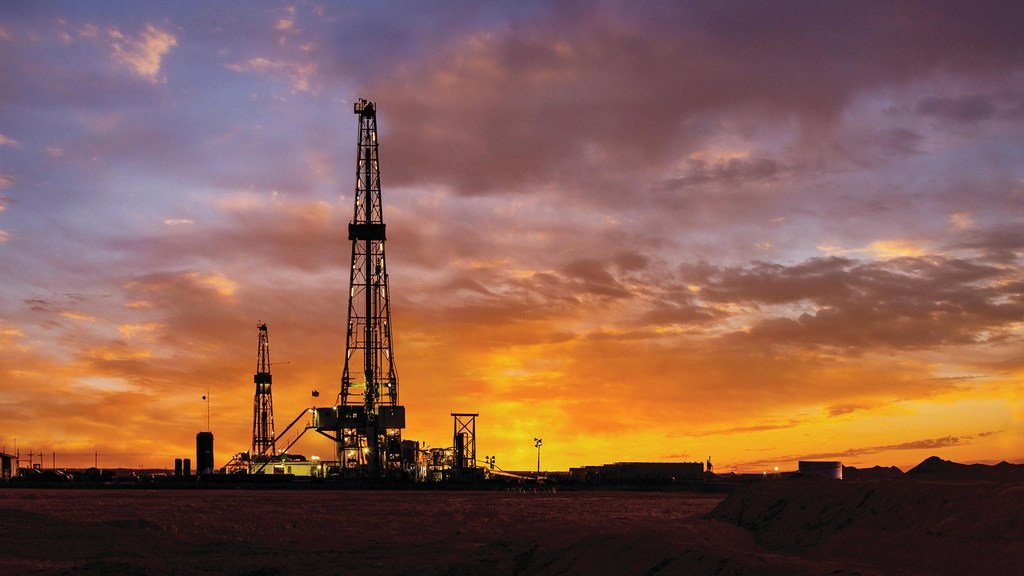
Oil from the US has been critical in filling some of the global supply gap stemming from the Mideast war and the resulting Strait of Hormuz closure. US oil exports are at record highs, and front-month and future oil prices are significantly higher than they were prewar. Still, US shale producers appear in no rush to accelerate upstream activity in the near term. As the Hormuz crisis drags on, companies are sticking to their capital strategies as executives await greater clarity on 2027 market conditions before ramping up. US crude oil production averaged 13.53 million barrels per day in the first quarter of 2026 and is expected to rise by about 210,000 b/d in the second quarter and average 13.65 million b/d for the full year, according to the Energy Information Administration (EIA). Shale producers — majors and public independents alike — are reluctant to increase spending on new production this year, focusing instead on free cash flow generation. Further, executives note, incremental production will lag any near-term spending. "The dollar we spend today doesn't turn into production, or at least peak production, until next year," says Richard Jackson, incoming CEO and current COO for Occidental Petroleum. To that end, the EIA sees US production averaging 14.10 million b/d in 2027. However, low gas prices — particularly in the Permian Basin, where associated gas was selling for close to minus $4 per million cubic feet this week — create challenging well economics, disincentivizing drilling even at elevated oil prices.
US Plays Key Supply Role But Output Boost Unlikely
Despite higher prompt and futures prices, shale players cite the uncertain market outlook for their cautious approach to increasing production this year.
249 words~1 min read