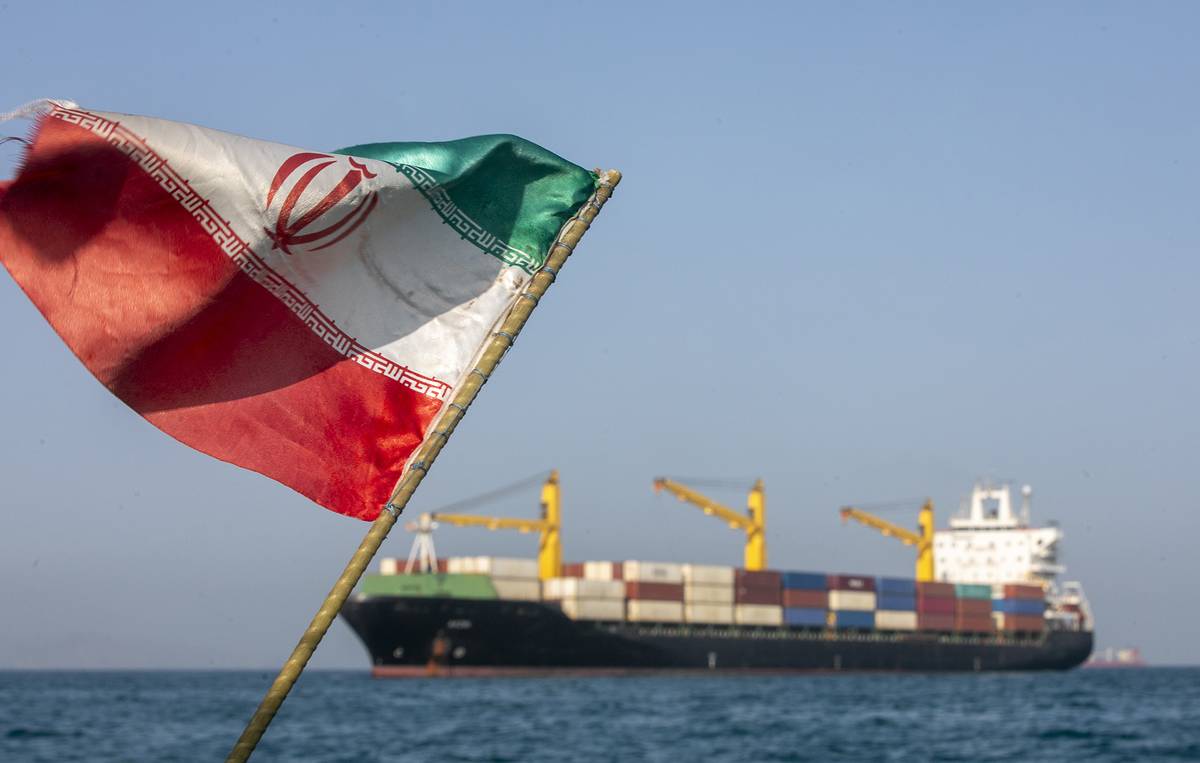
Most of the market buffers that have stopped oil futures prices from rallying to record highs could vanish before the reopening of the Strait of Hormuz, which puts the market in a “race against time,” according to Morgan Stanley.
Reduced overall crude imports into China and soaring exports from the United States have so far managed to partly offset the massive supply disruption due to the closure of the Strait of Hormuz.
However, if the chokepoint remains closed through the end of June, these buffers will have been exhausted and result in Brent Crude prices spiking, Morgan Stanley analysts wrote in a note carried by Bloomberg. “The path matters a reopening in June with US and Chinese buffers still partly intact is the base case; a closure that runs into late June or even July is the regime in which Brent flat price has to do work it has so far been able to avoid,” the investment bank’s commodity strategists said. [GooglePreferredSource] Despite the warning, Morgan Stanley kept its oil price forecasts unchanged, still expecting the physical Dated Brent marker to average $110 per barrel in the current quarter, $100 a barrel in the third quarter, and $90 in the last quarter of 2026.
If the Strait of Hormuz remains closed for a longer time than the U.S. and China could sustain with the tweaked levels of their crude oil exports and imports, respectively, Dated Brent could surge to as high as $150 per barrel, according to Morgan Stanley.