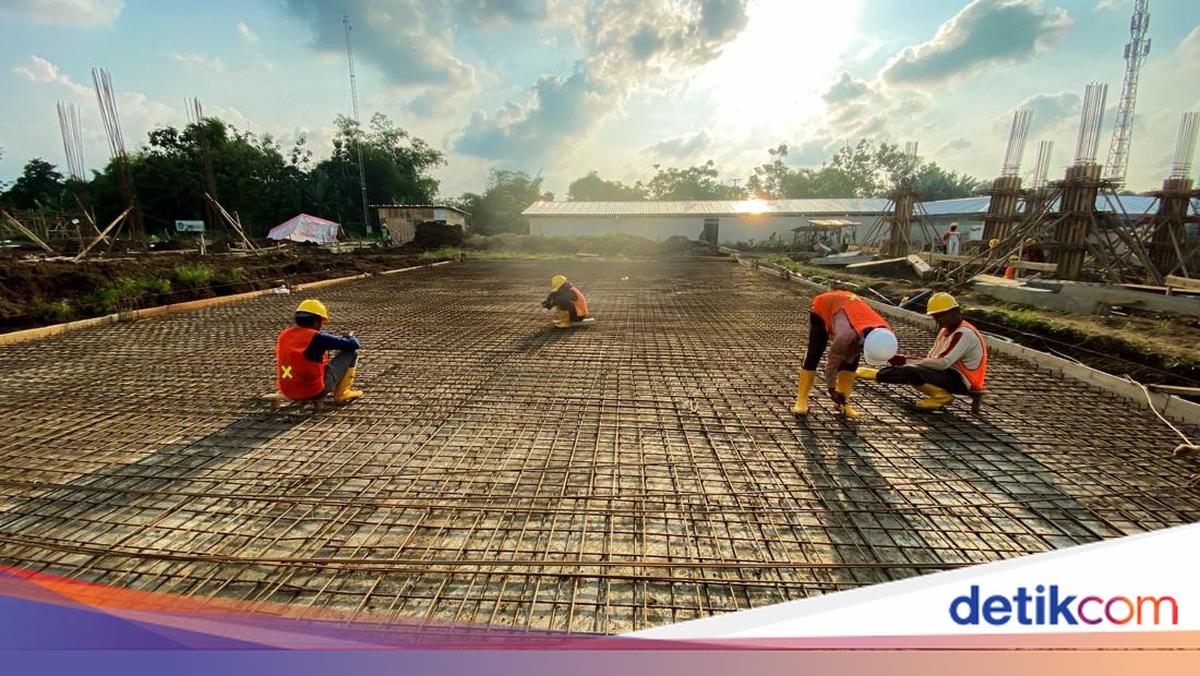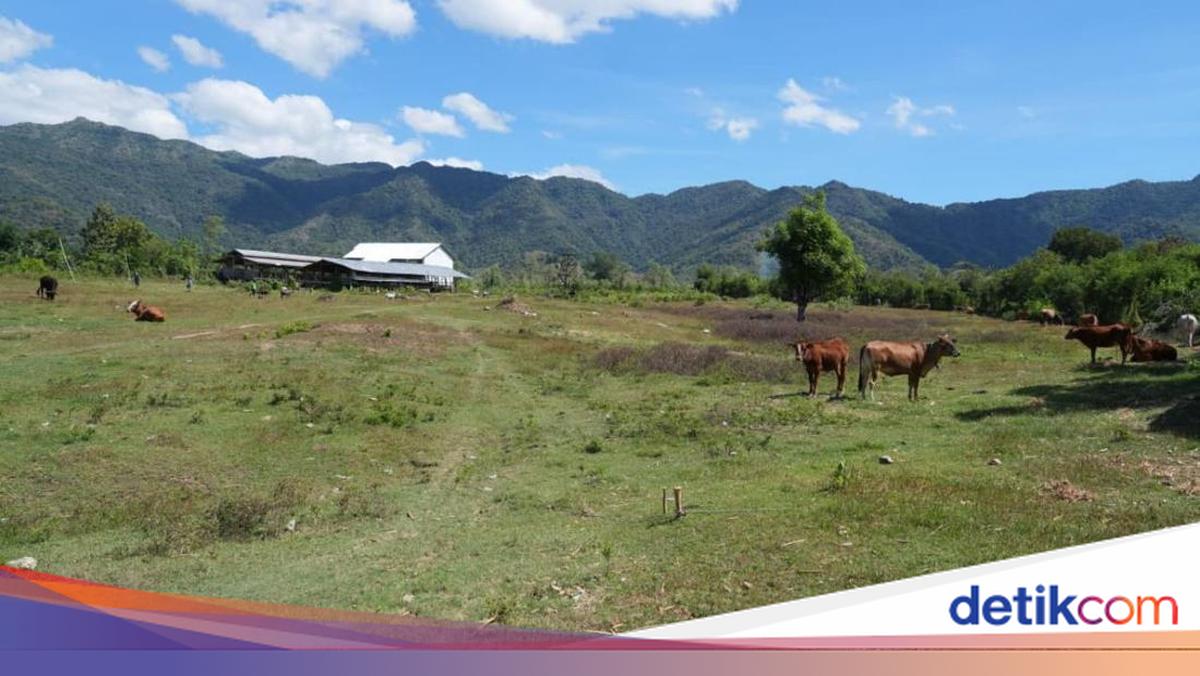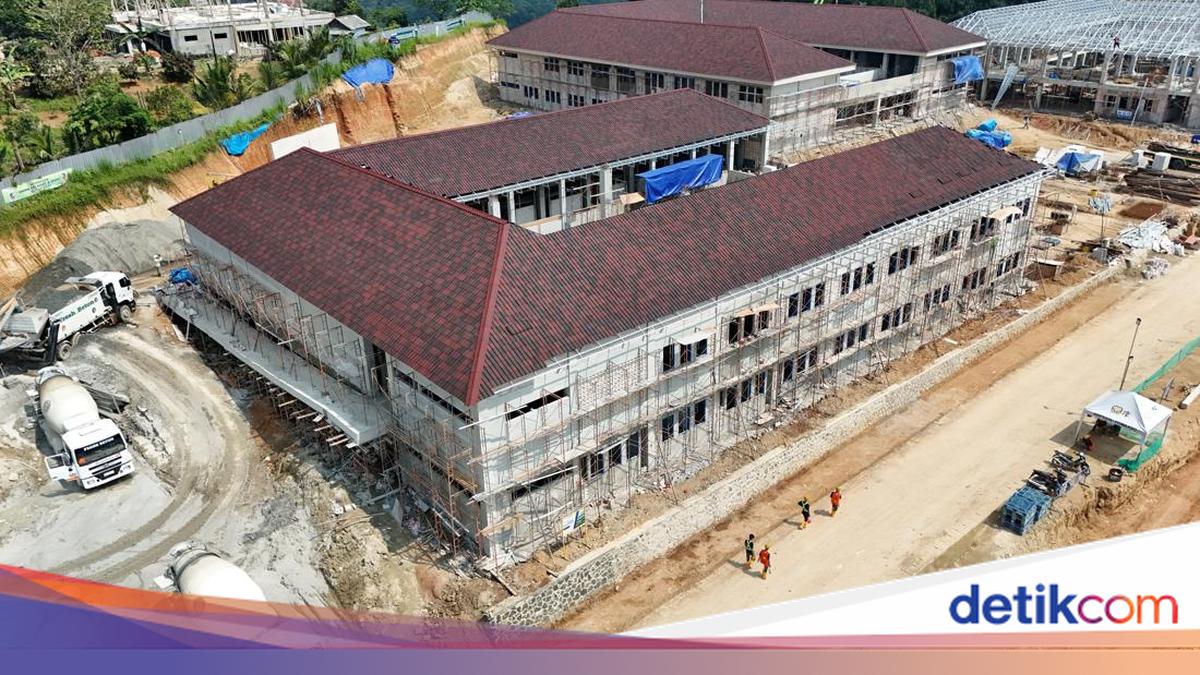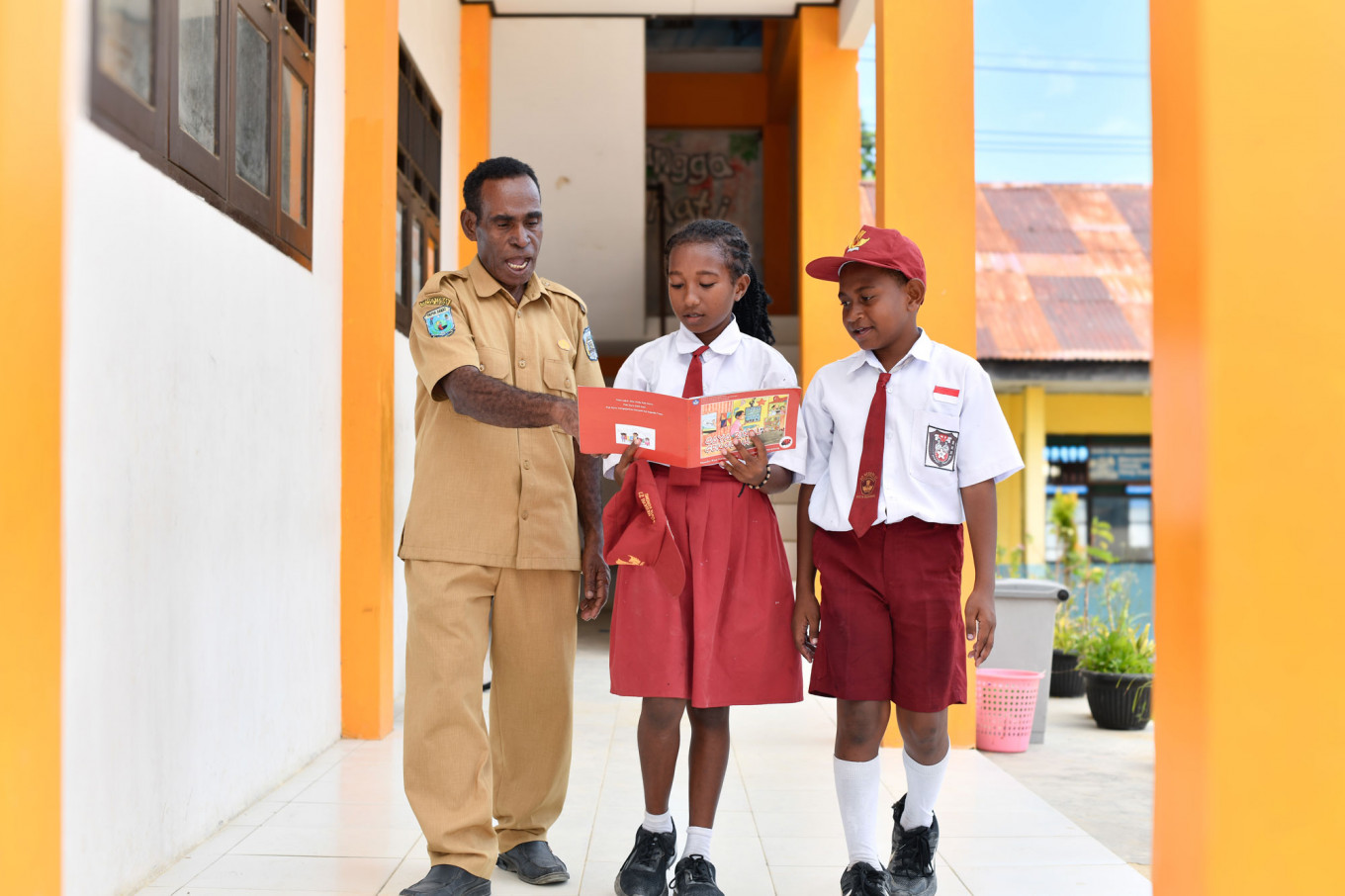
In Barma Baru village, Meyado district, Teluk Bintuni regency, West Papua, change is evident. TK Negeri Barma Baru, a kindergarten that for years had to endure a cramped, plywood-partitioned space, now stands in a more suitable building with much more adequate facilities.The kindergarten's revitalization efforts were spearheaded by a grant of Rp 780.5 million, which was used to build new classrooms, a school health unit (UKS) room, proper sanitation facilities and a children's play area.
Despite constraints such as a limited communication network and frequent rainy weather, the construction was finally completed after 120 working days, and the school now provides a safer and more comfortable learning space for the children.
Supriyanti, the principal of TK Negeri Barma Baru, said the revitalization program assistance was received at the end of 2025 after a long wait. "We never get tired of it. We’ve always put in the effort. God willing, if we don't get it this year, maybe we will next year," she said.
The school’s revitalization assistance is just one example of the government’s continuous efforts to strengthen education services in frontier, outermost and disadvantaged (3T) regions, aiming to promote equitable access to quality education.