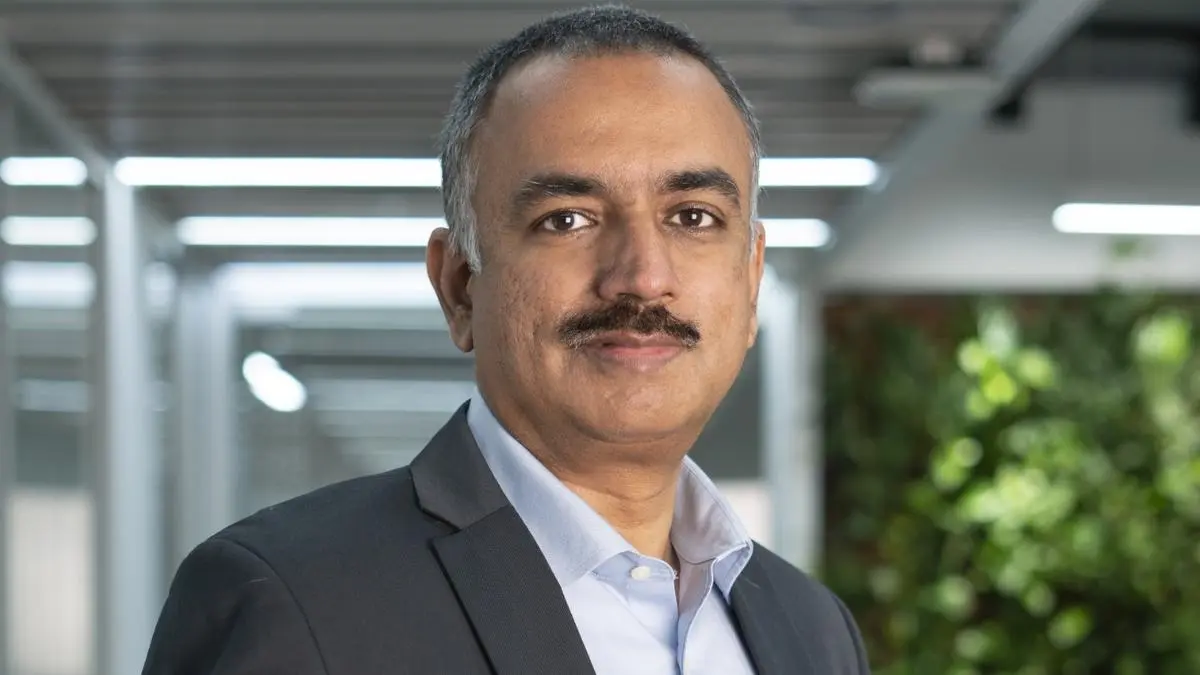
Stephanie Sievers, managing director at Philips APAC, said connectivity and remote care models would be key to improving access, as cost and staffing pressures intensify, particularly in geographically dispersed markets, such as Indonesia.
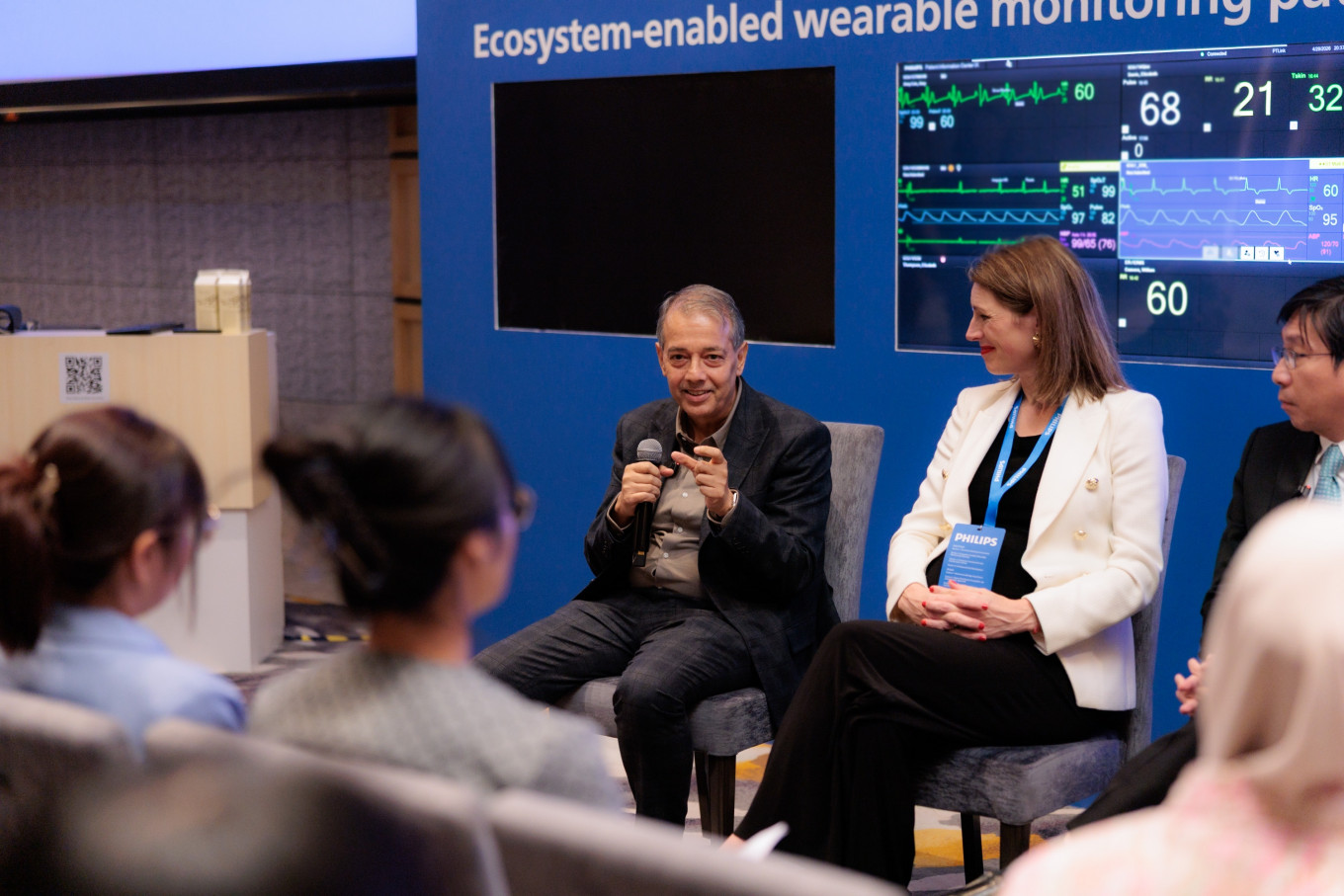
Philips unveiled on April 29, 2026, a new patient monitoring strategy designed to help hospitals address workforce shortages and improve care coordination in Singapore during the Philips APAC Innovation Summit. (Philips/- )
As hospitals across the region balance expansion against limited manpower and rising medical costs, Royal Philips is turning to artificial intelligence to support monitoring and centralized care models that it says have helped hospitals save around US$1,770 per patient, mainly by streamlining workflows and reducing resource use.The system, unveiled at the company’s Innovation Summit on Wednesday in Singapore, integrates patient data across hospitals and care settings into a single platform. Thus, clinicians can use the system to monitor patients remotely, prioritize cases and make faster decisions.
A key component is the Enterprise Command and Care Coordination Center, which enables continuous monitoring of patients’ vital signs, including heart activity, across locations.