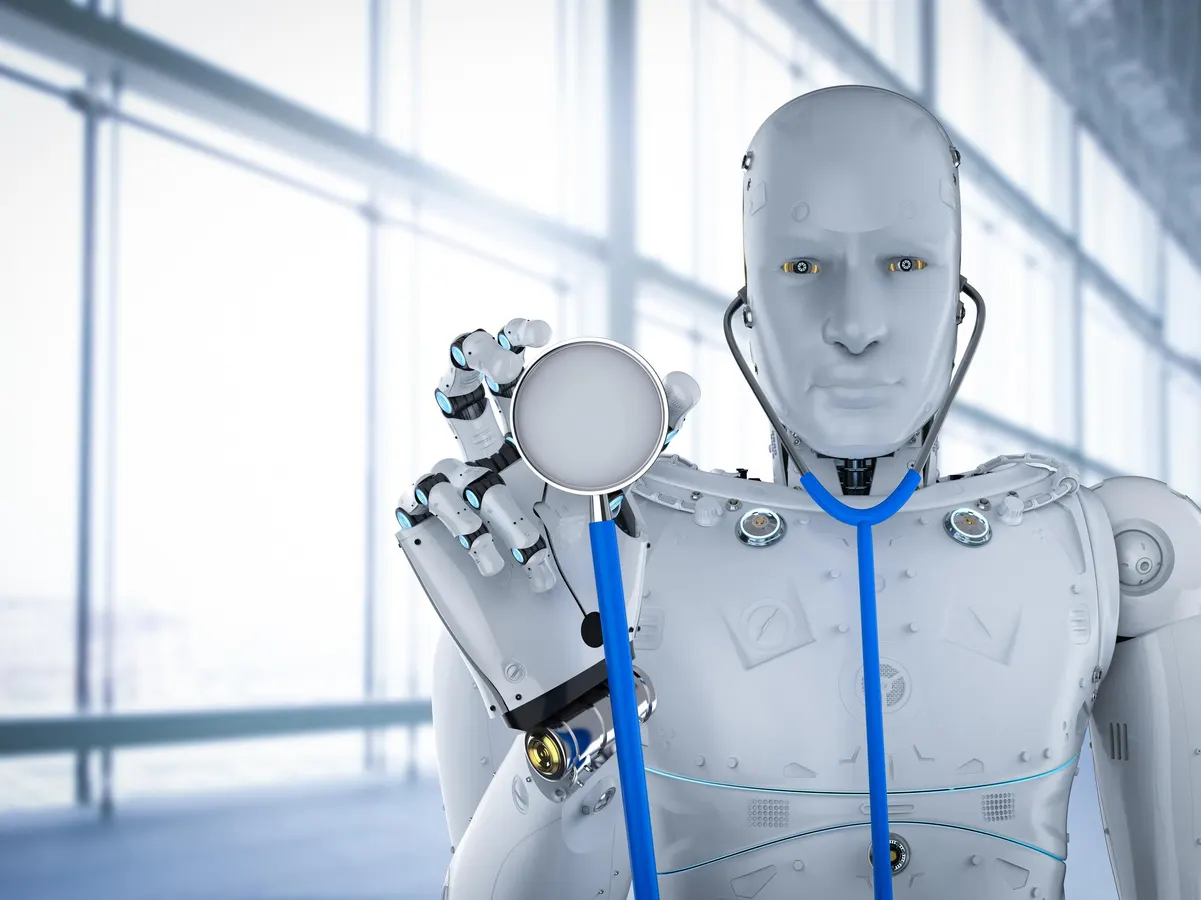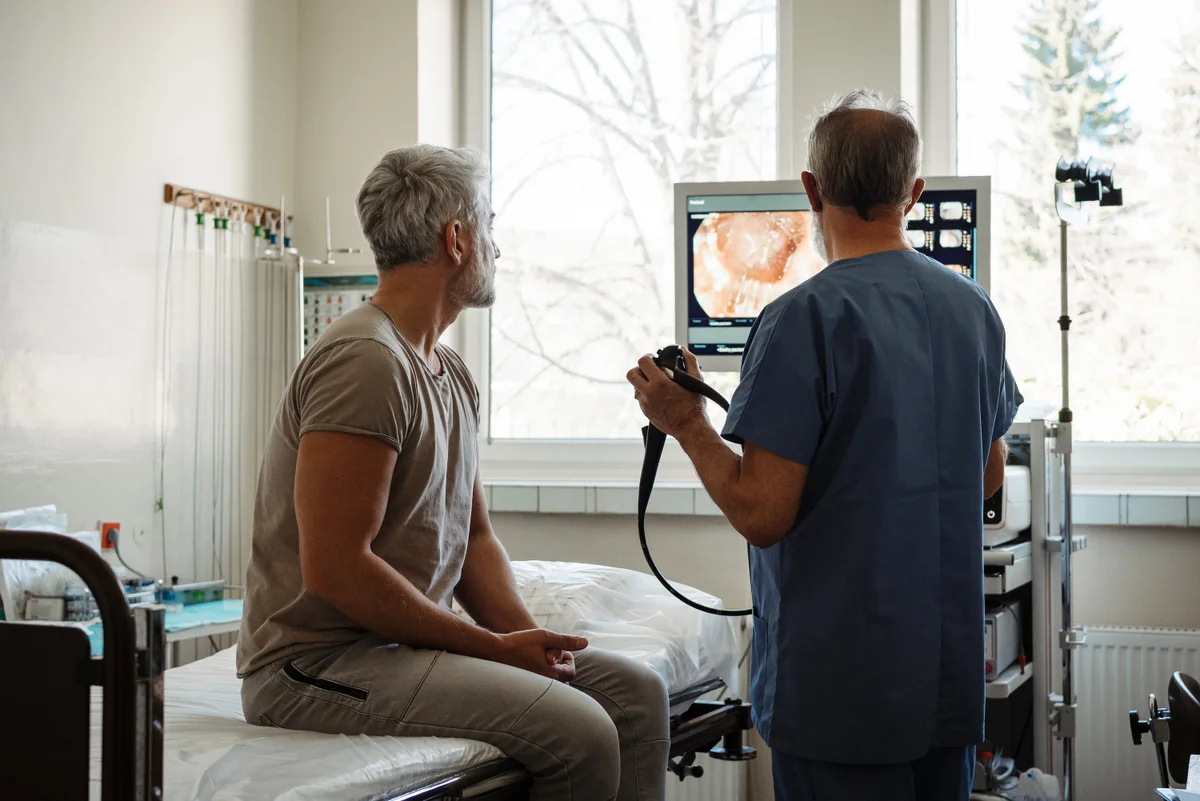
AI is spreading in workplaces around the globe—and healthcare isn’t being left out. From fortifying diagnostic accuracy to filling up electronic medical records (EMRs), AI is helping to ease the workload of healthcare professionals worldwide. In June, Microsoft unveiled an AI diagnostic system that scored four times higher than human doctors in identifying complex medical cases from the New England Journal of Medicine.
But will doctors be the next profession at risk from AI automation?
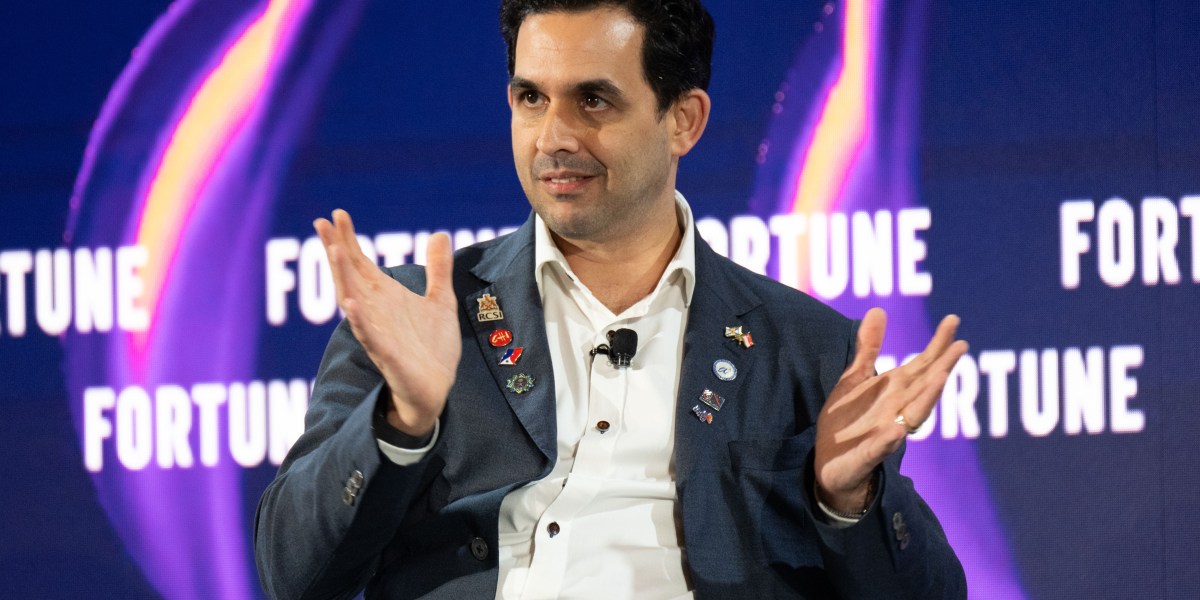
“Clinicians are not going to be replaced by technology, but those who don’t use it will be replaced by those who do,” Zubin Daruwalla, who oversees clinical innovation at Singapore’s National University Hospital (NUH), said at the Fortune Innovation Forum in Kuala Lumpur, Malaysia on Monday.
Yingying Gong, founder of Yidu Tech, was more optimistic about how AI and doctors will interact.
China has an aging population, with around 300 million people over the age of 60. Hence, doctors have a heavy workload, seeing between 30 to 100 patients each day. Yidu Tech developed an AI copilot to assist doctors in their medical work.