Artificial intelligence can now outperform doctors at diagnosing patients in the emergency department, according to a new study in Science.
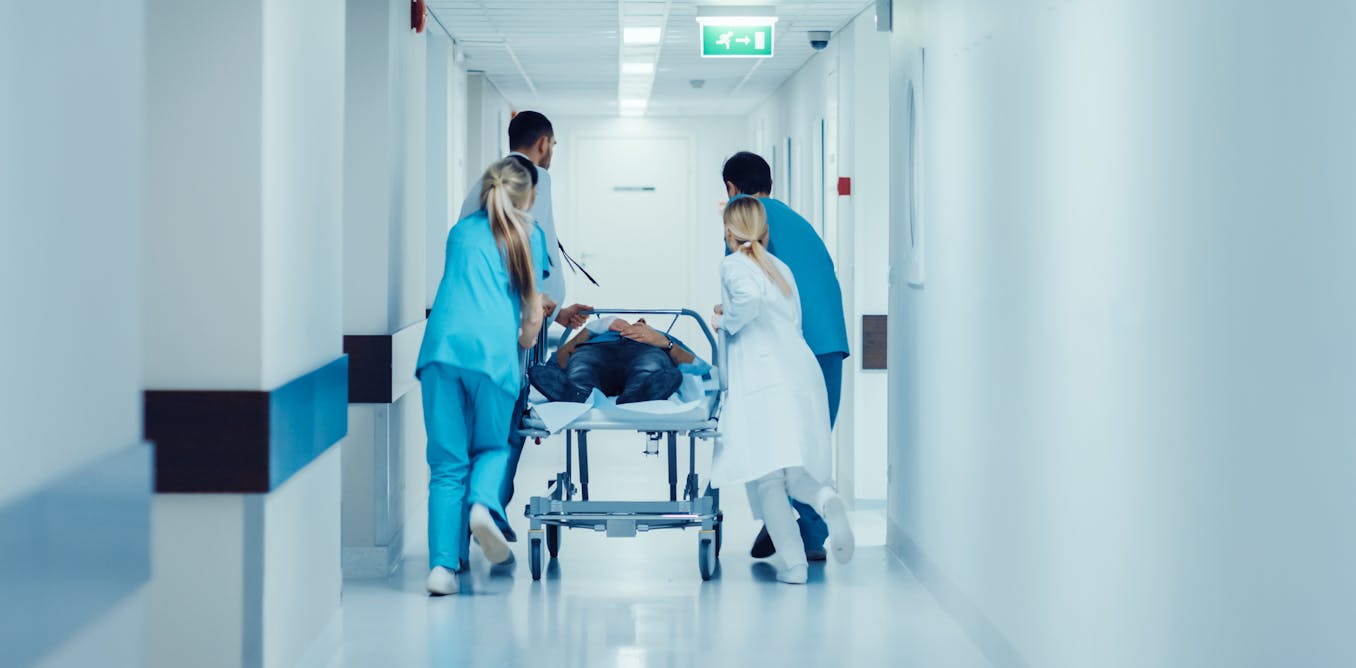
The AI was given written notes from real emergency department records from a hospital in Boston, US, and asked to weigh in at different points during the patient’s care. At the earliest stage – triage, when a patient first arrives – the AI identified the correct diagnosis, or something closely related, in 67% of cases.
The two doctors used for comparison managed 50% and 55%. That’s a meaningful gap, especially at the moment when information is scarcest and uncertainty is highest.
This study matters because the field is moving so fast. Earlier research showed that large language models – the technology behind systems like ChatGPT – could pass medical licensing exams. Interesting, but not all that illuminating. Passing an exam is not the same as being useful on a ward.
This new study goes further. It puts AI alongside doctors across several tasks, using genuine clinical text from a real emergency department. That makes it more directly relevant to medical practice than most of what’s come before. It suggests these systems are developing into something that could genuinely help doctors think through a wide range of possible diagnoses, especially in situations where missing a serious condition is the main concern.