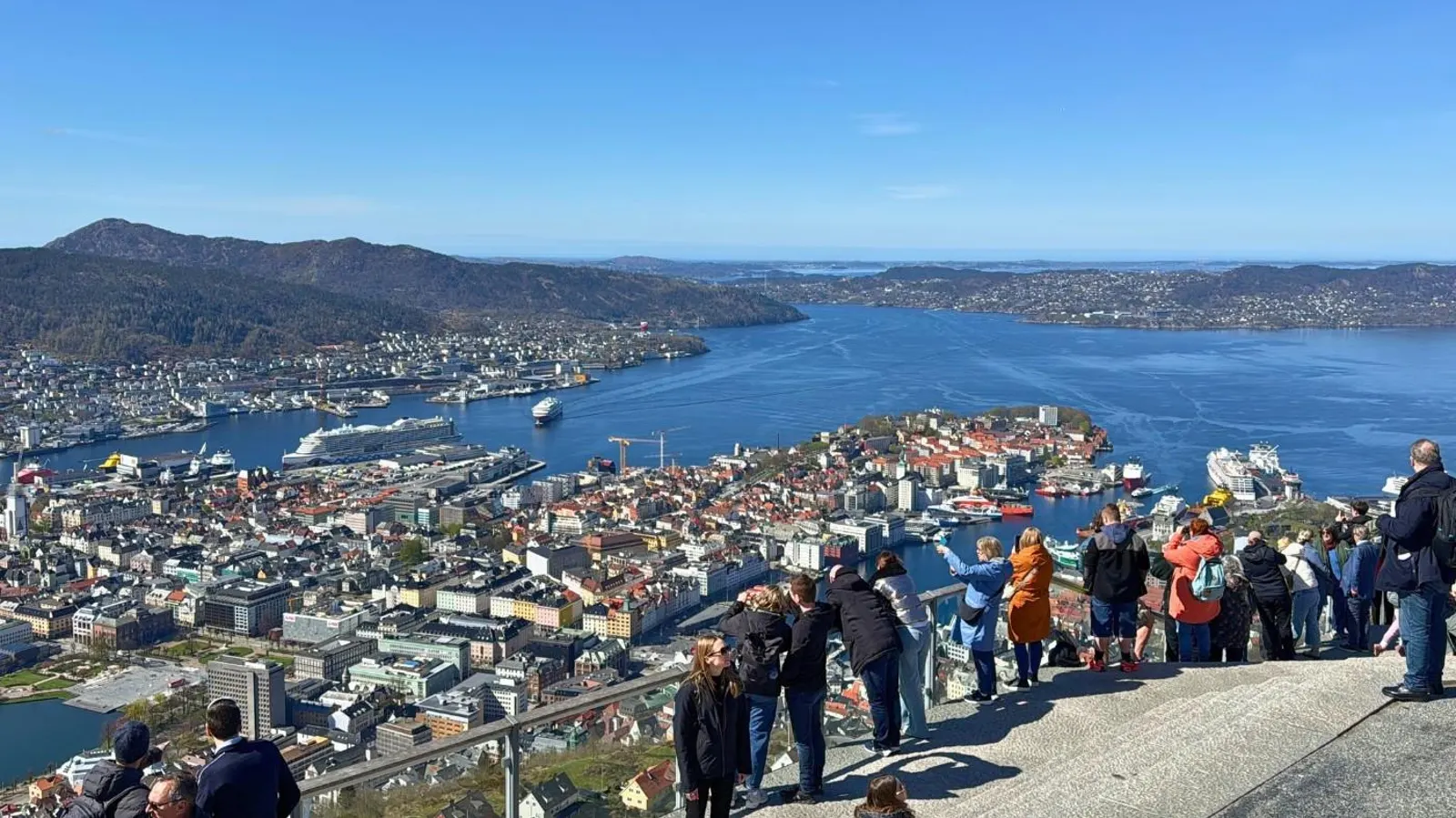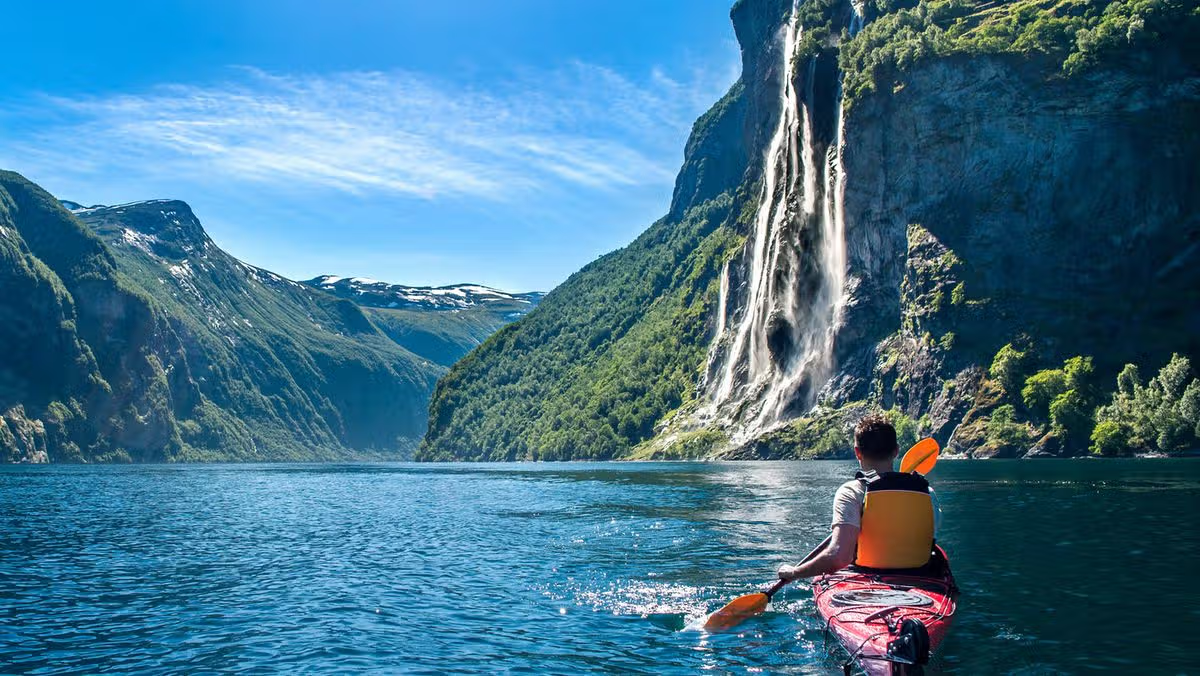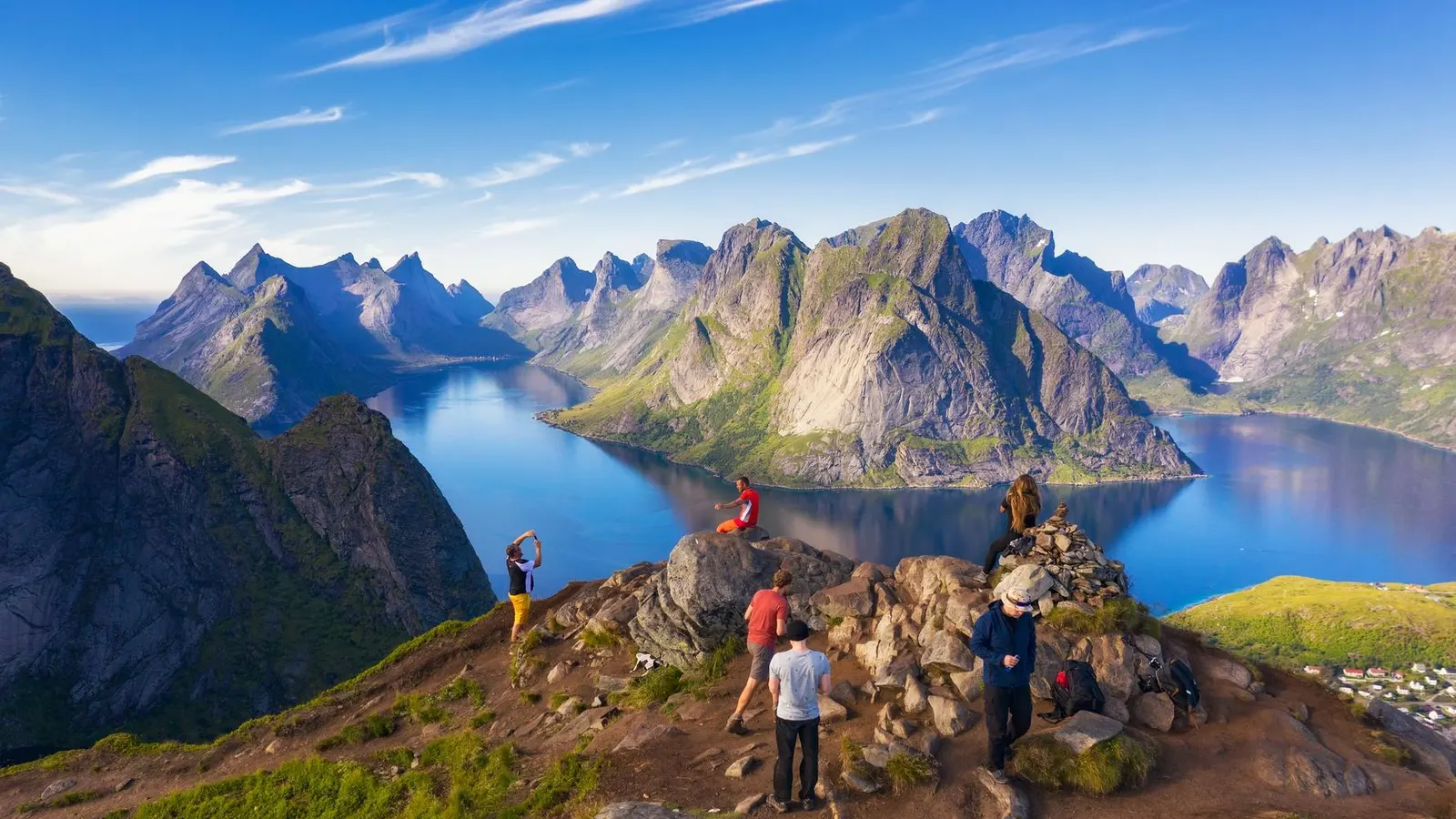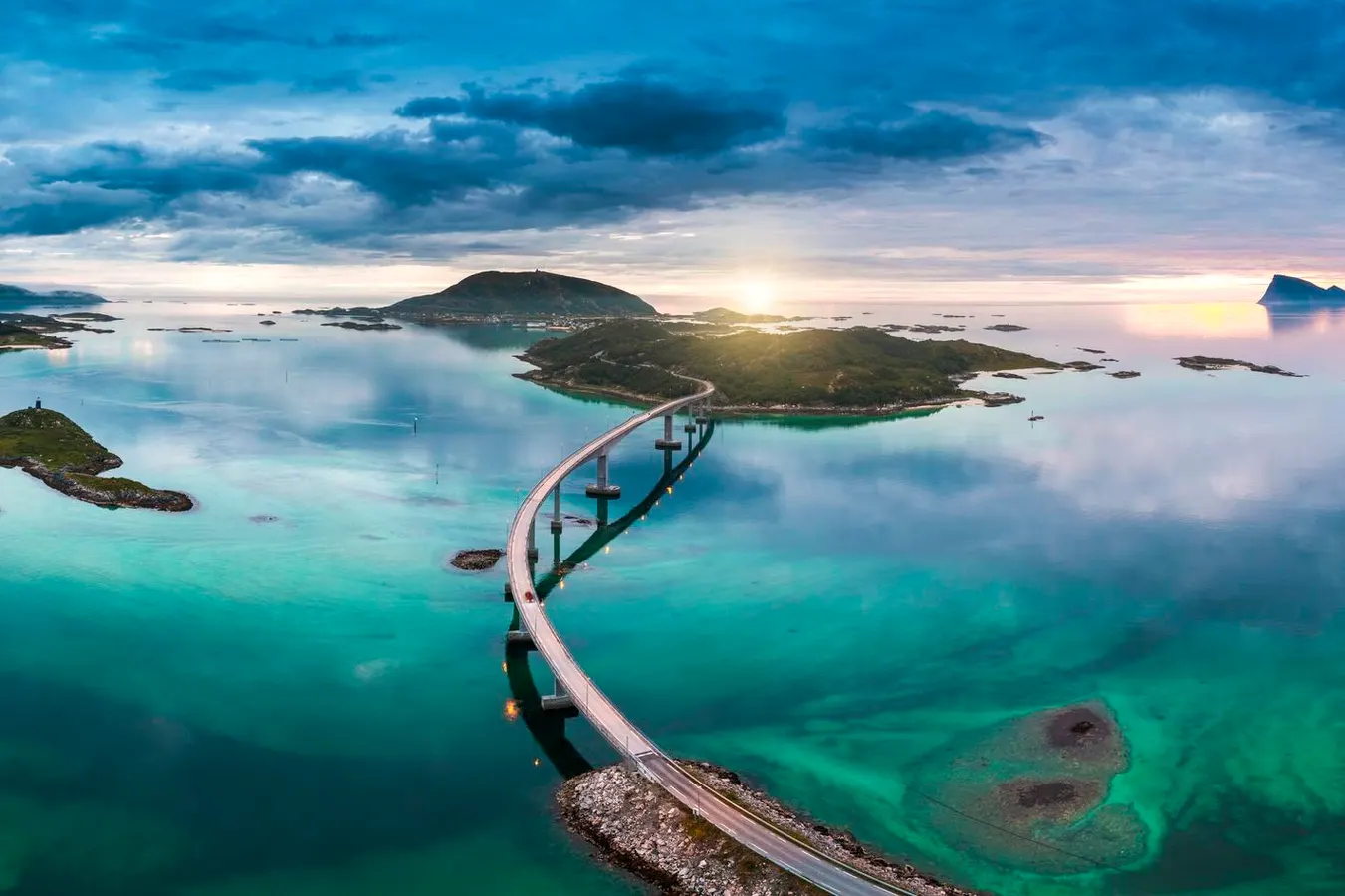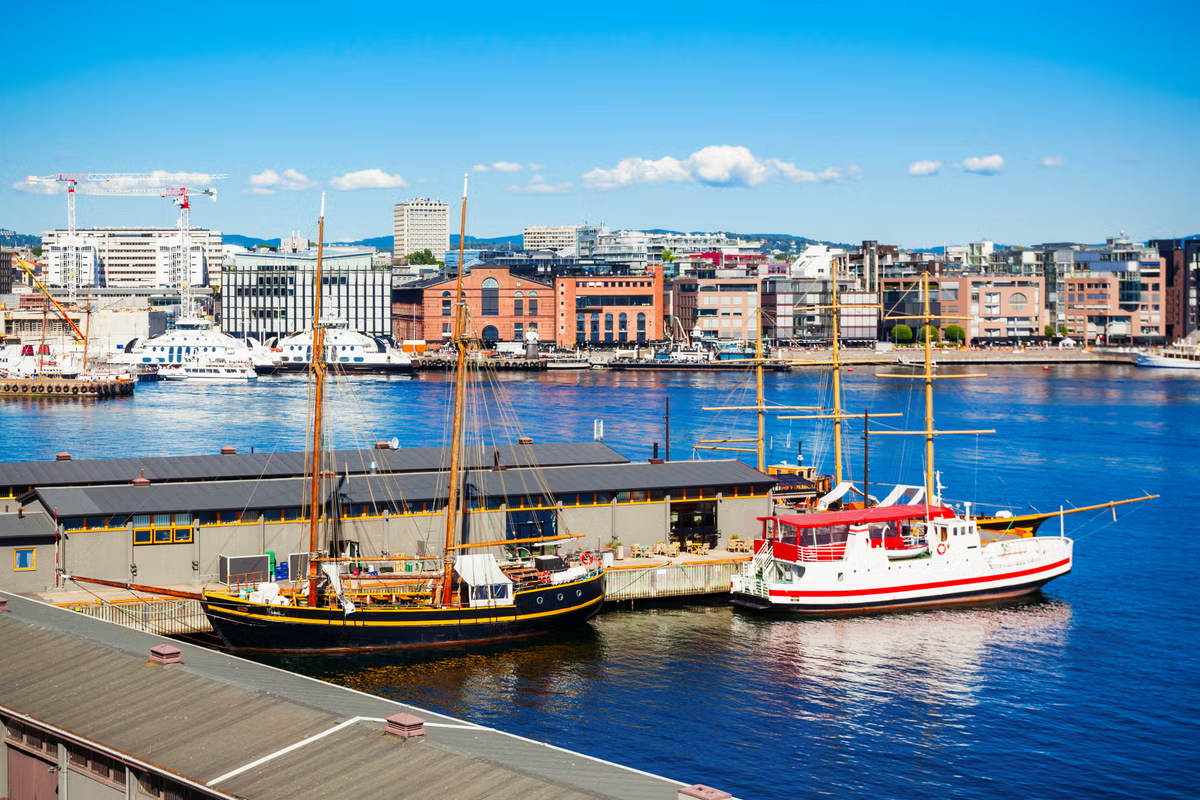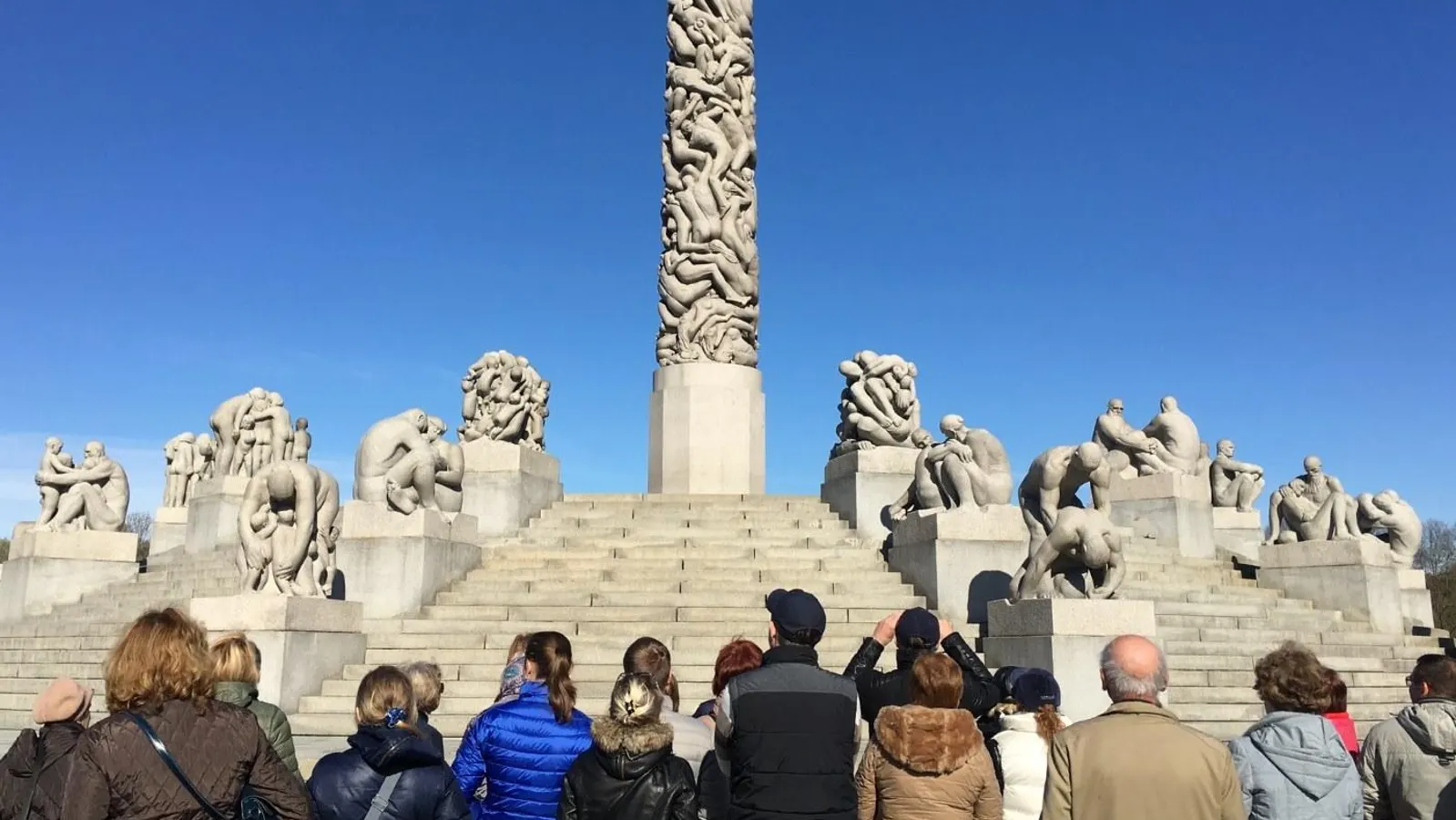
Scandinavia's top tourist attractions can get crowded in the high season of summer.David NikelScandinavia is undoubtedly heading into another busy summer as vacationers look north for cooler weather, outdoor space, clean cities and dramatic scenery.Norway, Sweden and Denmark all fit that brief well, which is exactly why some of their most famous places are starting to feel the pressure.That does not mean travelers should avoid Scandinavia. It does mean they should plan differently.Crowds in the region are rarely spread evenly. They cluster around a relatively small number of places: Copenhagen’s Nyhavn, Stockholm’s Gamla Stan, Bergen’s Bryggen and Norway’s best-known fjord villages, for example.Step a little away from those places, or visit them at a different time of day, and the experience can change completely.Use Scandinavia’s Long Summer DaysOne of Scandinavia’s greatest summer advantages is daylight. In southern Norway, Sweden and Denmark, evenings are long and bright. In northern Norway and northern Sweden, the midnight sun changes the possibilities of travel altogether.That extra daylight is useful. Popular viewpoints, waterfront districts and easy walking routes are often busiest from late morning through mid-afternoon. Visit early, or wait until the evening, and you may find a very different atmosphere.In Norway, this matters at places such as Flåm, Geiranger and Lofoten’s best-known photo stops. In cities, the same principle applies. Copenhagen’s harbor areas, Stockholm’s waterfronts and Oslo’s fjordfront are all more pleasant outside the main daytime rush.Watch Cruise Ship SchedulesIn Norway especially, cruise traffic can transform a destination for a few hours.Some of the world’s biggest cruise ships operate Norwegian fjords cruises through the summer months.David NikelSmall fjord ports such as Flåm, Geiranger, Olden and Eidfjord can feel crowded when a large ship is in port. The same is true in Denmark’s Skagen.Even bigger cities, including Bergen, Stavanger and Ålesund, see noticeable pressure around their main sights on busy cruise days. This does not mean cruise ports should be avoided. It means timing matters.Travelers staying overnight have an advantage. Visit the main sights before passengers disembark, or later in the day once excursions have returned to the ship. A fjord village that feels overloaded at noon may feel almost empty by early evening.Checking port schedules before finalizing a day’s plans is one of the simplest ways to improve a Norway itinerary.Stay Longer In Smarter BasesMany first-time visitors try to cover too much ground, linking Copenhagen, Stockholm, Oslo, Bergen, the fjords and sometimes Lofoten in one trip.That may look efficient on a map, but it often means spending too much time traveling and less time experiencing the best of the destinations.A slower itinerary usually works better. Spend several nights in one fjord region instead of treating it as a photo stop, base yourself in one part of Sweden and explore by train or boat, or combine Copenhagen with smaller Danish towns rather than moving constantly.Avoiding crowds does not always mean skipping famous places. In Norway, Aurland, Lærdal, Sogndal and Balestrand can offer calmer access to the wider Sognefjord region than Flåm itself. In Denmark, towns such as Roskilde, Helsingør and Odense can add a different pace to a Copenhagen-focused trip without requiring a complicated itinerary.Swap Famous Sights For Similar ExperiencesThe goal is not to find “hidden gems.” That phrase often creates problems for small places with limited infrastructure. A better approach is to look for similar experiences that do not depend on one famous name.The Uppsala rune stones were erected when Sweden was in the process of converting to Christianity.David NikelTravelers drawn to Lofoten for coastal scenery could consider Vesterålen, Senja or Norway’s Helgeland coast.In Sweden, Stockholm is only one version of a Swedish summer. Uppsala offers history and easy access from the capital, while Dalarna, Värmland and the High Coast offer lakes, forests, small towns and coastal landscapes without the same pressure on the busiest city sights.Visitors who want a historic Nordic city with water, food and walkable neighborhoods should look beyond the capitals. Trondheim, Gothenburg, Malmö, Aarhus and Odense all make strong summer city breaks.Consider Scandinavia In Late SummerJune and July offer the longest days and the strongest summer atmosphere. They also coincide with the school vacation period and peak demand.Late August and early September can be a strong alternative. Local schools are usually back in session, many attractions remain open, and cities feel calmer. The weather is less predictable, especially in Norway’s mountains and northern regions, but the trade-off can be worthwhile.For city breaks, scenic rail trips, fjord travel and gentler outdoor itineraries, late summer can deliver much of the appeal with fewer people.MORE FROM FORBESForbes5 Travel Trends Fueling Scandinavia’s Tourism BoomBy David NikelForbesWhat Travelers Can Expect From Denmark In 2026By David NikelForbesSweden Wants To Become The World’s Slow Travel LeaderBy David Nikel
How To Avoid Crowds In Scandinavia This Summer
Scandinavia is set for a busy summer as travelers head north for coolcations and outdoor escapes. Here’s how to avoid the crowds in Norway, Sweden and Denmark.
781 words~4 min read