Our writer first hiked in the Lake District, Eryri and Dartmoor in the 1970s. Their beauty remains unrivalled, but they are more popular than ever. So, here’s how to avoid the crowds
B
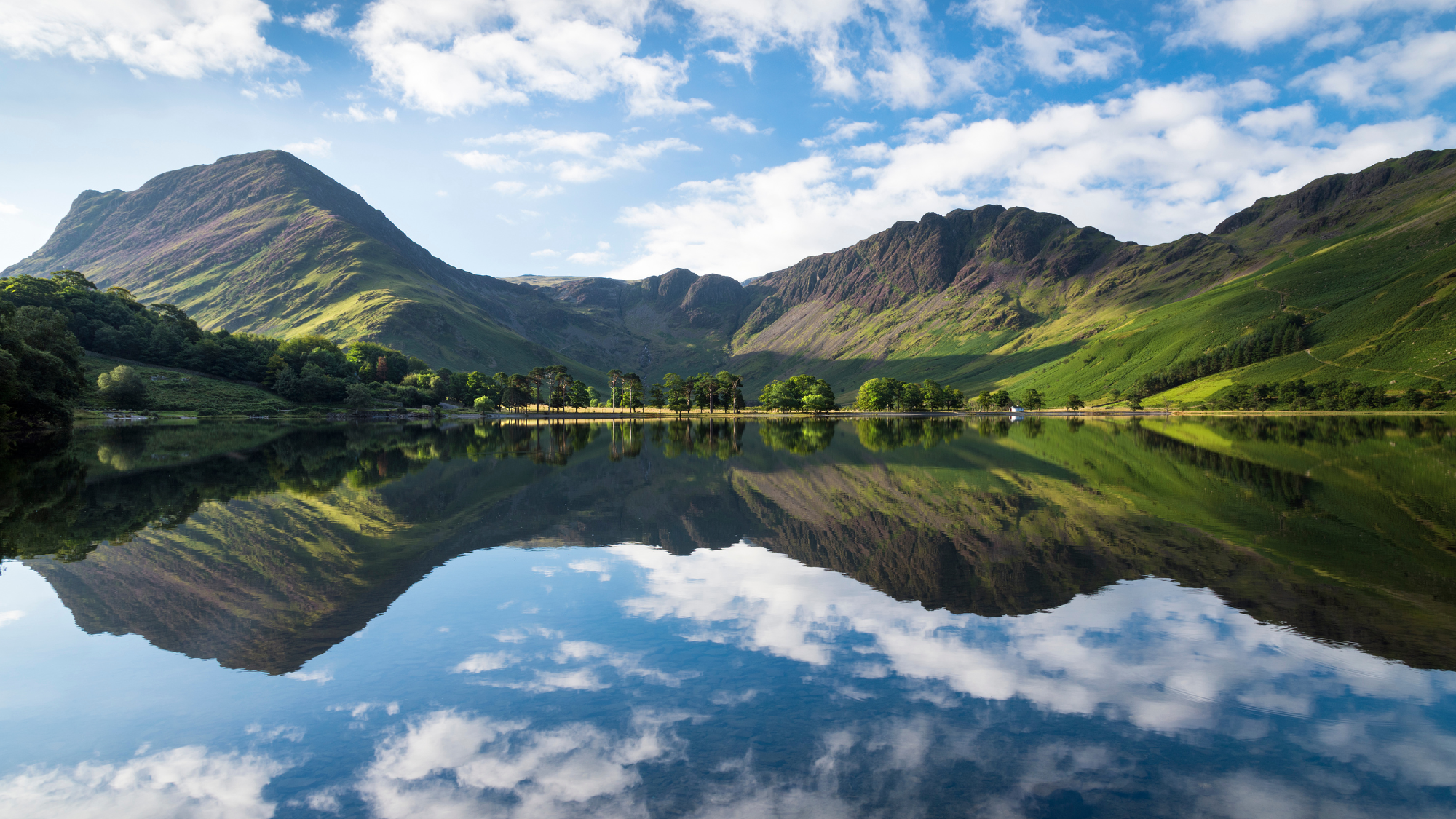
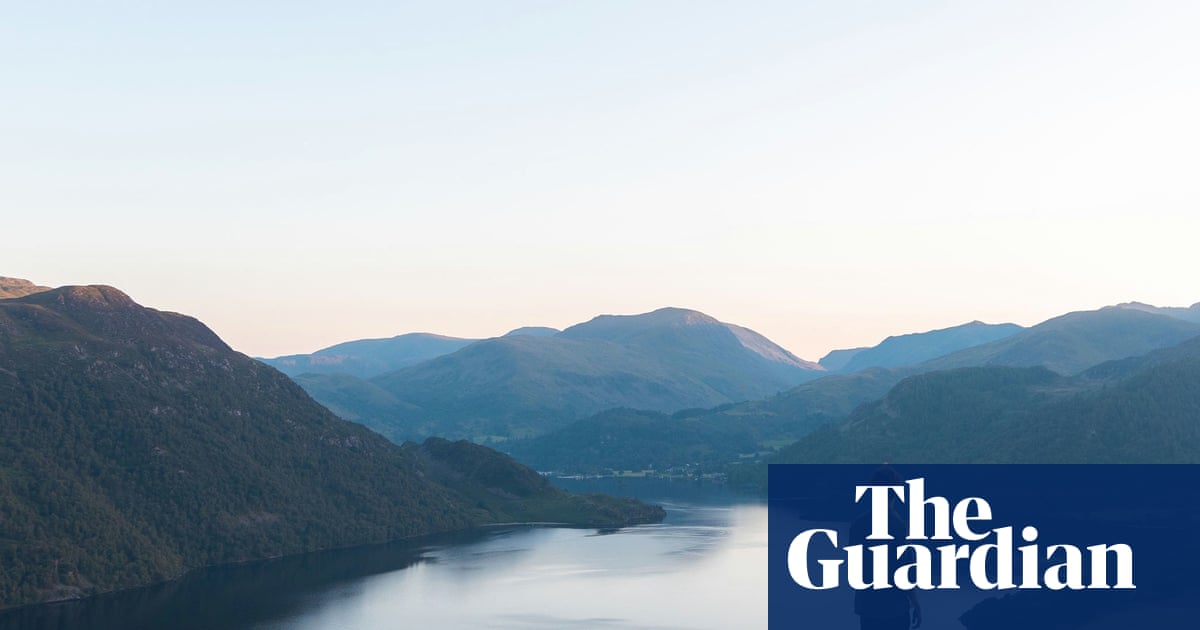
efore we enter the clouds on snow-capped Helvellyn, I glance back down at Ullswater. The early morning sun is bursting around the dark corners of High Dodd and Sleet Fell, sending a flush of light across the golden bracken and on to the hammered silver of the lake.
Further away to the south, ragged patches of snow cling to the high gullies. The nearest village, Glenridding, can barely be seen behind the leafless trees and all I can hear is the gurgle of the stream. It is the quintessential Lakeland scene: the steep slopes above the water, the soft colours and hard rock, all combining into something inimitable. And judging by the photographic and artistic record, it is one that has hardly changed since the Cumbrian wind first ruffled a Romantic poet’s curls.
Our best loved national parks – the Lake District, Peak District, Eryri (Snowdonia) and Dartmoor – all officially opened 75 years ago, in 1951. It was the result of a long campaign, arguably begun by one of those Romantics, William Wordsworth, a poet whose particular love for the Lakes led him to observe that the area should be “a sort of national property, in which every man has a right and an interest who has an eye to perceive and a heart to enjoy”. The resident of Dove Cottage at Grasmere fought, successfully, against railway building, noting the stupidity of destroying something precious in the pretence of increasing its influence.