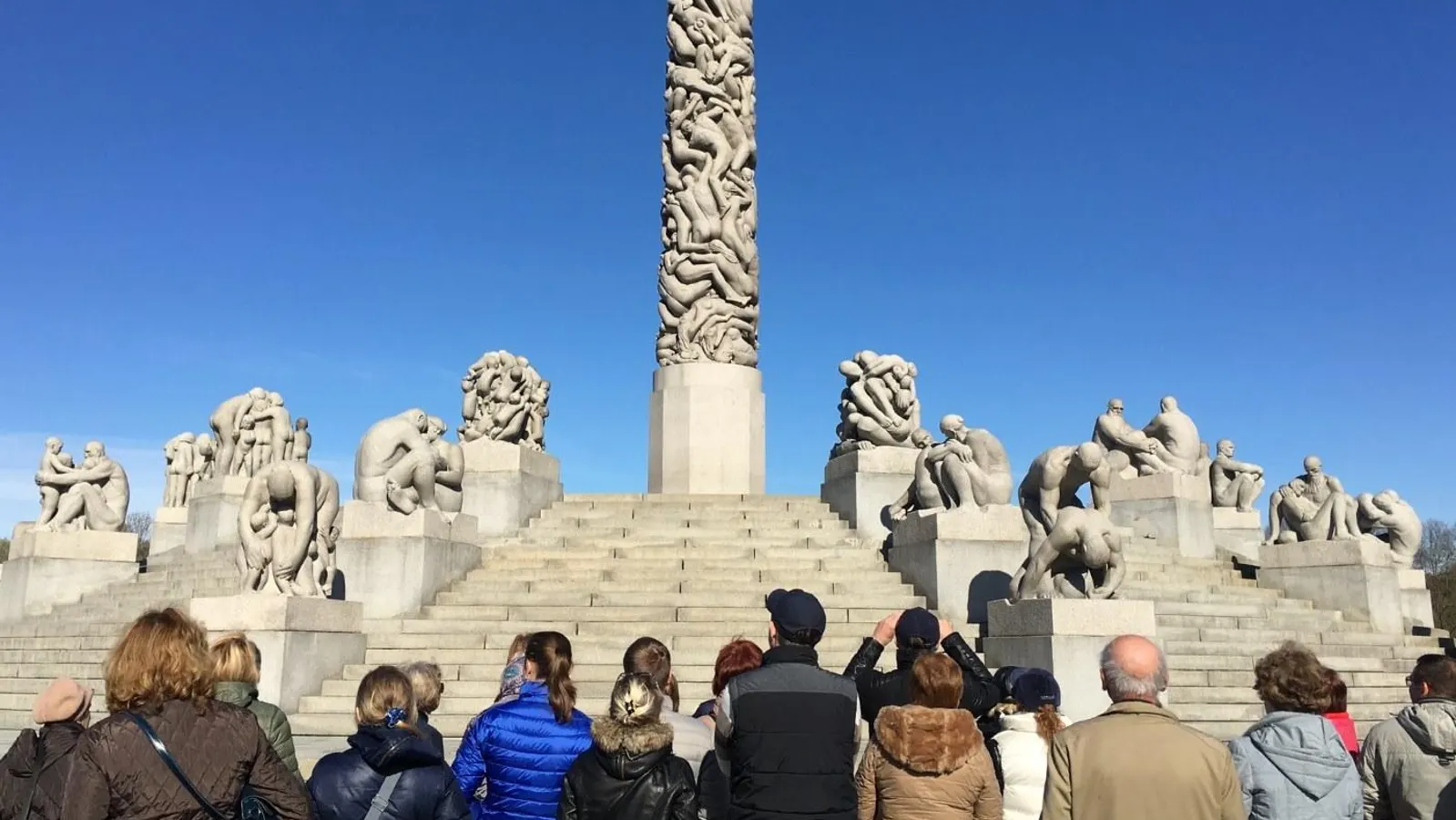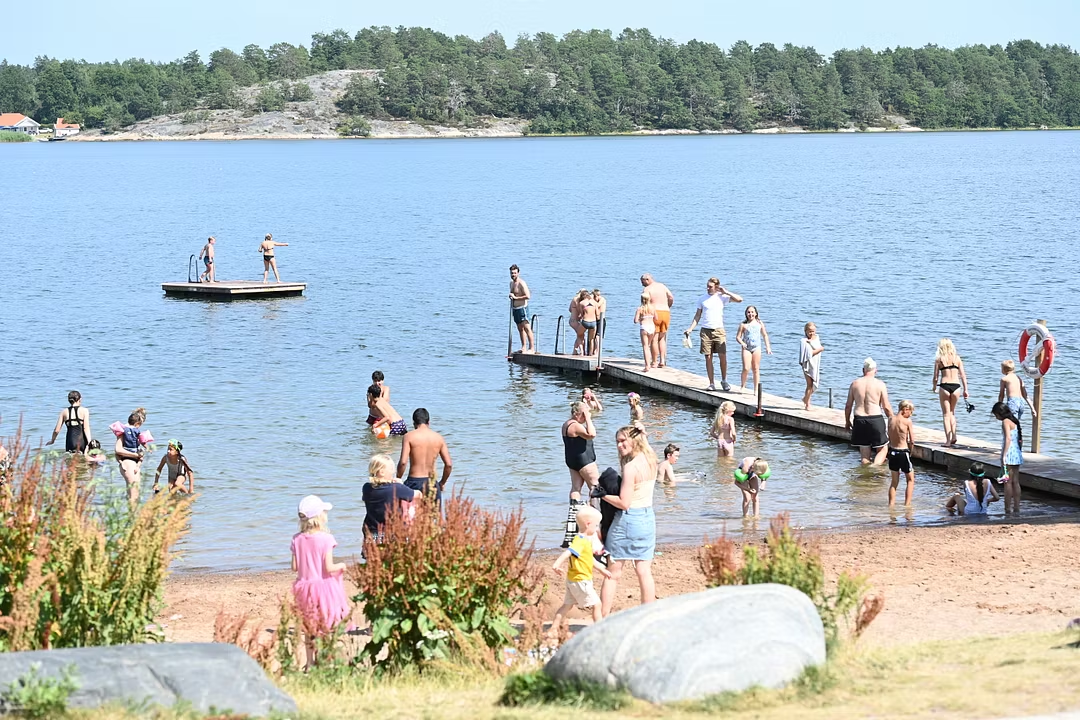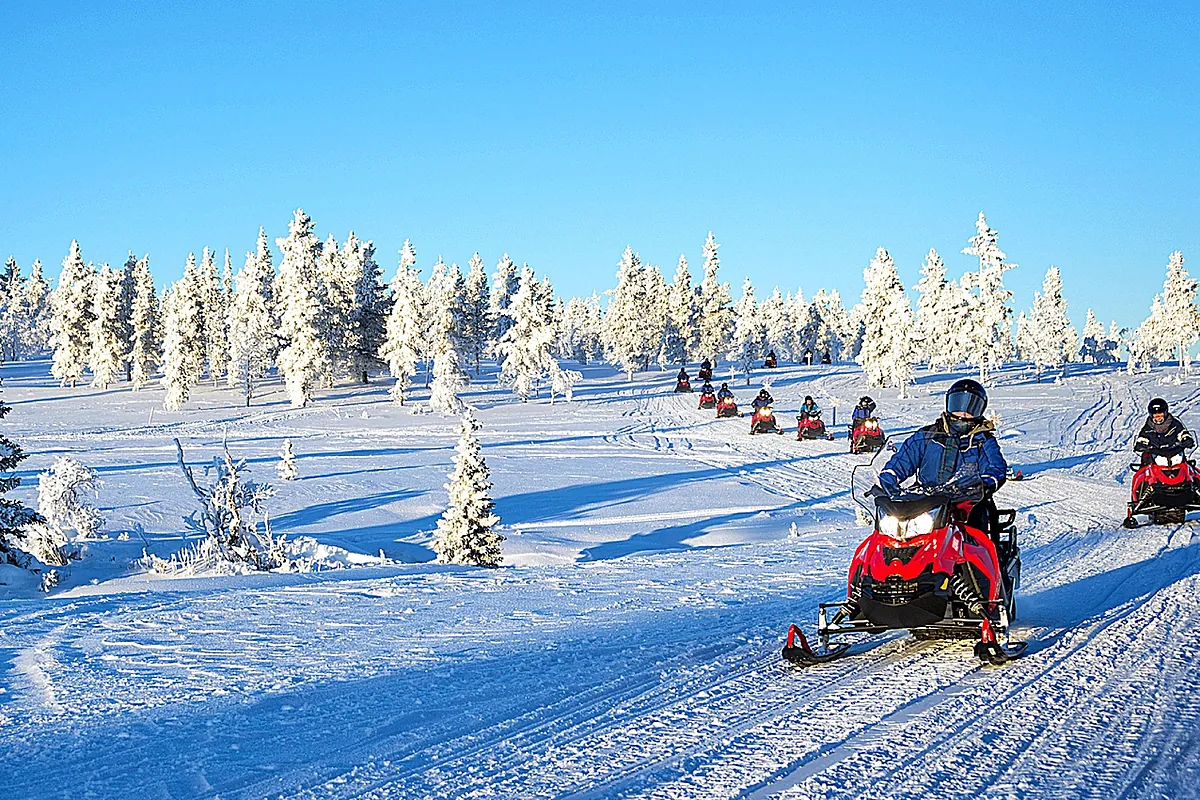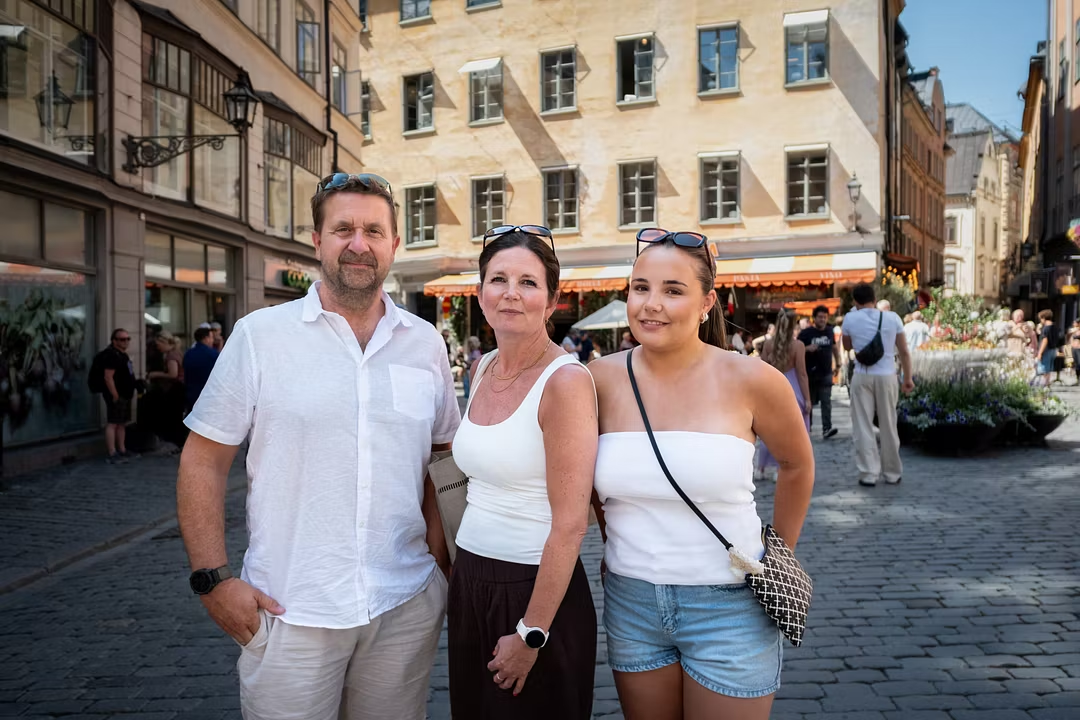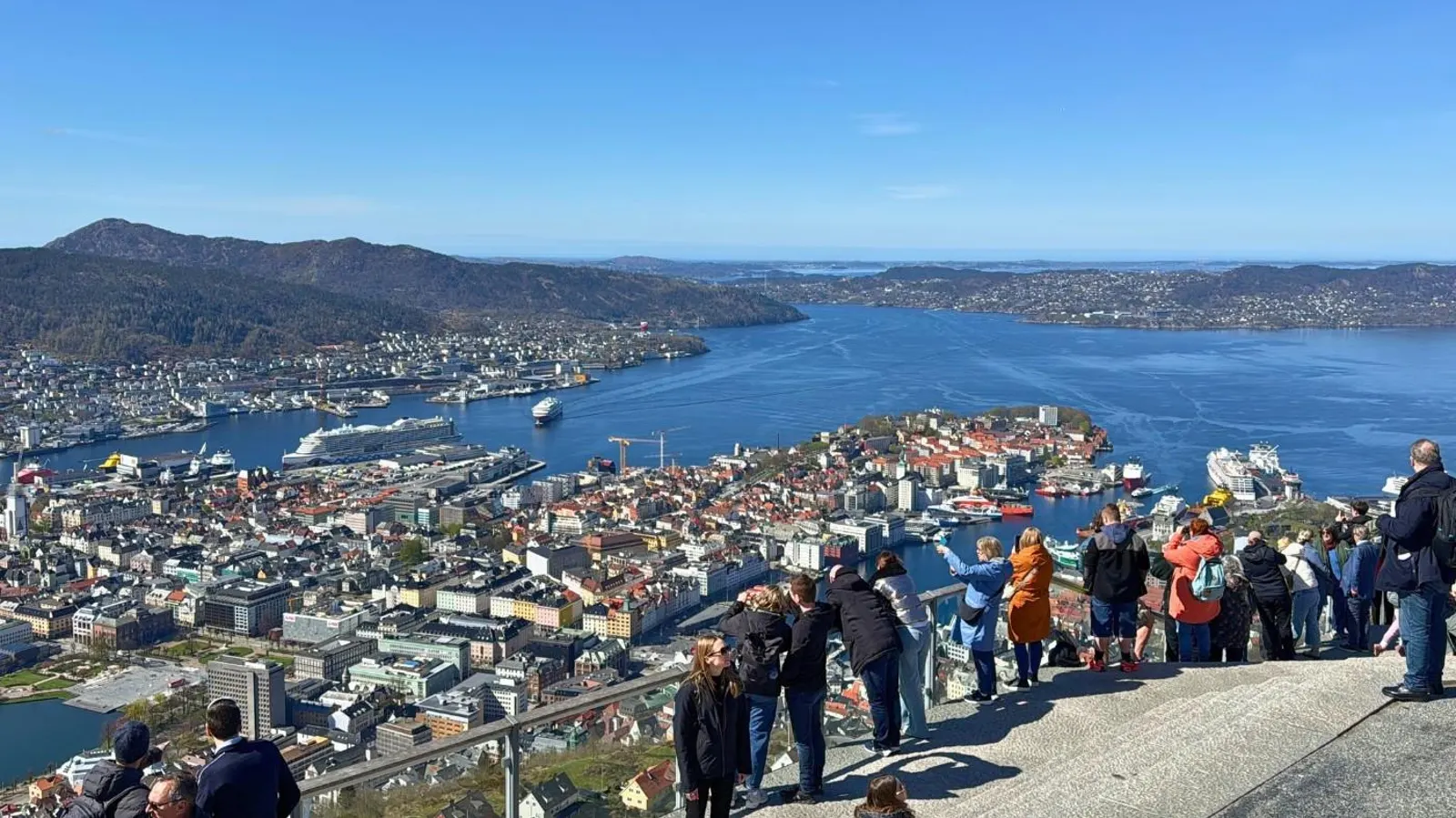
Even in April, Norway's Bergen can welcome three cruise ships per day meaning tourist attractions can be busy in what is traditionally the off-season.David NikelScandinavia’s tourism growth is no longer just about iconic fjords, design capitals or bucket-list winter trips. The data shows a clear shift underway and it’s one being driven by a different kind of traveler.Across the region, demand is rising. Statistics Norway reported 40.6 million guest nights in 2025, up 5.2% year on year, with foreign demand jumping 14% to a record 14.2 million.In Sweden, guest nights reached 70.8 million, while Denmark had already set a record in 2024 with 65.2 million overnight stays, more than half of them international.That growth is not evenly distributed, nor is it being driven by the same audiences as a decade ago. Instead, a new profile is emerging, shaped by climate concerns, changing travel habits and a broader rethinking of what a “good trip” looks like.In short, Scandinavia is not just attracting more visitors. It is attracting different ones.Climate Travel Is Moving NorthThe biggest shift is structural. As extreme heat, wildfires and overtourism reshape travel patterns in southern Europe, more travelers are looking north. The idea of the “coolcation” has quickly moved from marketing buzzword to measurable trend.But the appeal of Norway, Sweden and Denmark goes beyond simply cooler temperatures.Long daylight hours, access to water, open landscapes and relatively low population density combine to offer something increasingly rare in global tourism: space.For many travelers, especially those coming from densely populated or heat-affected regions, that matters just as much as headline attractions.This is not a short-term spike. It reflects a deeper shift toward climate-aware destination choice, and Scandinavia is well positioned to benefit.The Northern Lights EffectIf summer demand is being reshaped by climate, fall and winter demand is being supercharged by science.The current solar cycle is expected to deliver some of the strongest aurora activity in more than a decade, with peak conditions across 2024 to 2026. That has turned northern lights travel from a niche ambition into a mainstream driver of demand.Destinations across northern Norway and Sweden are seeing increased winter interest, not only from long-haul travelers but also from Europeans taking shorter seasonal breaks and off-season cruises.The impact goes beyond winter itself. Aurora tourism has helped reposition Scandinavia as a year-round destination, reducing reliance on the traditional summer peak and encouraging more balanced visitor flows.Shoulder Season Is No Longer SecondaryFor decades, Scandinavia’s tourism model was highly seasonal. That is changing.Spring and fall are no longer seen as compromise periods. Instead, they are increasingly marketed, and perceived, as the optimal time to visit. Fewer crowds, lower prices and a more relaxed pace align closely with evolving traveler priorities.Tourism bodies in both Sweden and Denmark have actively promoted off-peak travel, not just to manage capacity but to reshape the visitor experience itself.The result is a gradual flattening of demand across the calendar. Growth is no longer concentrated in July and August. It is spreading.The Rise Of Slower, More Intentional TravelAnother defining characteristic of the new Nordic traveler is how they travel, not just where they go.Short, high-intensity itineraries are giving way to longer stays, fewer destinations and more immersive experiences. This aligns closely with what Scandinavia naturally offers: nature-based activities, smaller cities and a culture that prioritizes balance and quality of life.The concept of slow travel has moved from niche to mainstream, and it fits seamlessly with Nordic geography. Ferries, scenic railways and regional travel networks make it possible to move at a different pace, without sacrificing accessibility.It is not that cities like Copenhagen or Stockholm are losing appeal. Rather, they are becoming gateways to a broader, more distributed travel experience.Connectivity Is Catching Up With DemandRising interest alone does not translate into growth without access.Across Scandinavia, international air traffic has continued to recover, with airports in Norway, Sweden and Denmark all reporting increased passenger numbers in 2025. Much of that growth is being driven by international routes.This matters because it enables the trends already underway. More direct flights, better connections and improved year-round capacity make it easier for travelers to choose Scandinavia, whether for a summer escape or a winter experience.Is Scandinavia Better Value Now?Scandinavia has long been perceived as expensive, and in absolute terms, that has not changed. What has changed is the comparison.Currency fluctuations, combined with rising prices in traditional Mediterranean destinations, have narrowed the perceived gap. In some cases, travelers are finding that the overall cost difference is smaller than expected, particularly outside peak season.That shift in perception is subtle, but important. It lowers the barrier to entry for first-time visitors, of which there are many.MORE FROM FORBESForbesWhy Scandinavia Does Slow Travel So WellBy David NikelForbesTry These 10 Foods On Your Next Trip To ScandinaviaBy David NikelForbesSweden Wants To Become The World’s Slow Travel LeaderBy David Nikel
5 Travel Trends Fueling Scandinavia’s Tourism Boom
Scandinavia tourism is booming. Discover how coolcation trends, Northern Lights travel and shifting visitor habits are driving growth in Norway, Sweden and Denmark.
798 words~4 min read