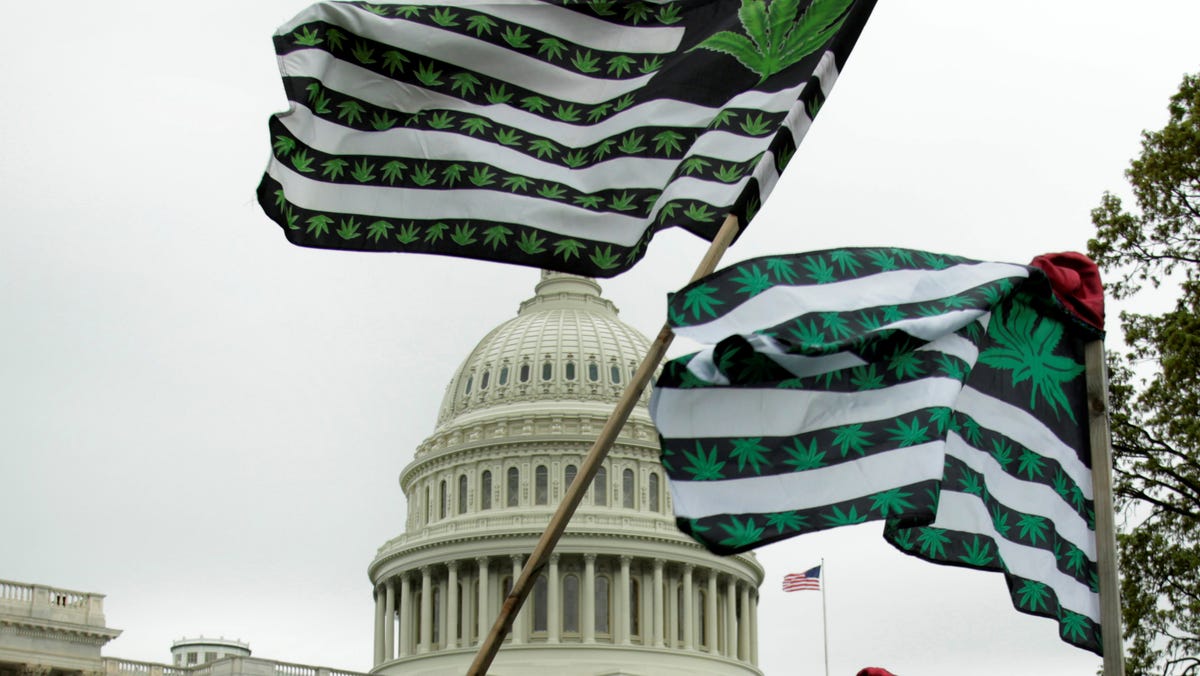
Despite years of momentum to loosen restrictions on weed, including a recent order from the Trump administration’s Department of Justice, there is still a big disconnect between states and the federal government.
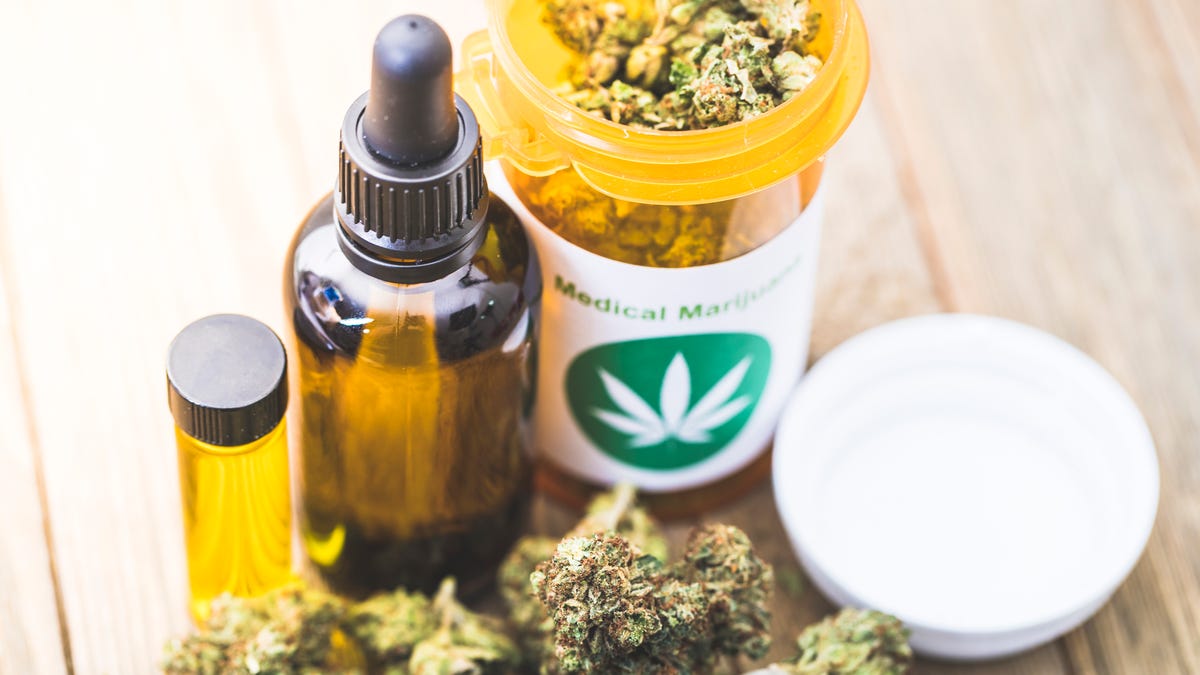
On April 23, the Department of Justice said it was easing federal restrictions by moving some kinds of marijuana with medical use from Schedule I, the most heavily controlled drugs under the Controlled Substances Act, to Schedule III, which can be legally prescribed.
But the move doesn't apply to all marijuana, and it doesn't make recreational use legal at the federal level. The Trump administration said it was able to quickly make this narrow change while still pursuing a more sweeping rescheduling.
With the DOJ’s most recent action, someone who uses medical marijuana in a state that has a medical use program, if they follow the state’s rules, is no longer breaking federal law, said Heather Trela, director of operations and fellow at the Rockefeller Institute of Government.
But experts have told USA TODAY that the move to reclassify marijuana doesn't satisfy the yearslong push to make it legal for other uses, and won't resolve conflicts between federal and state laws.