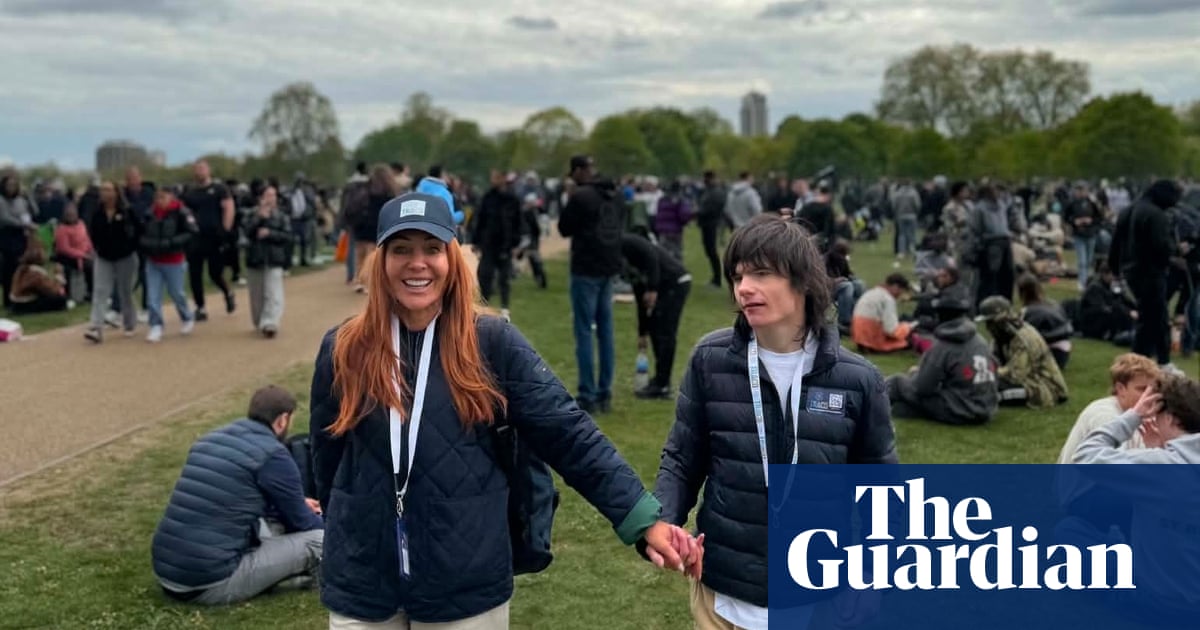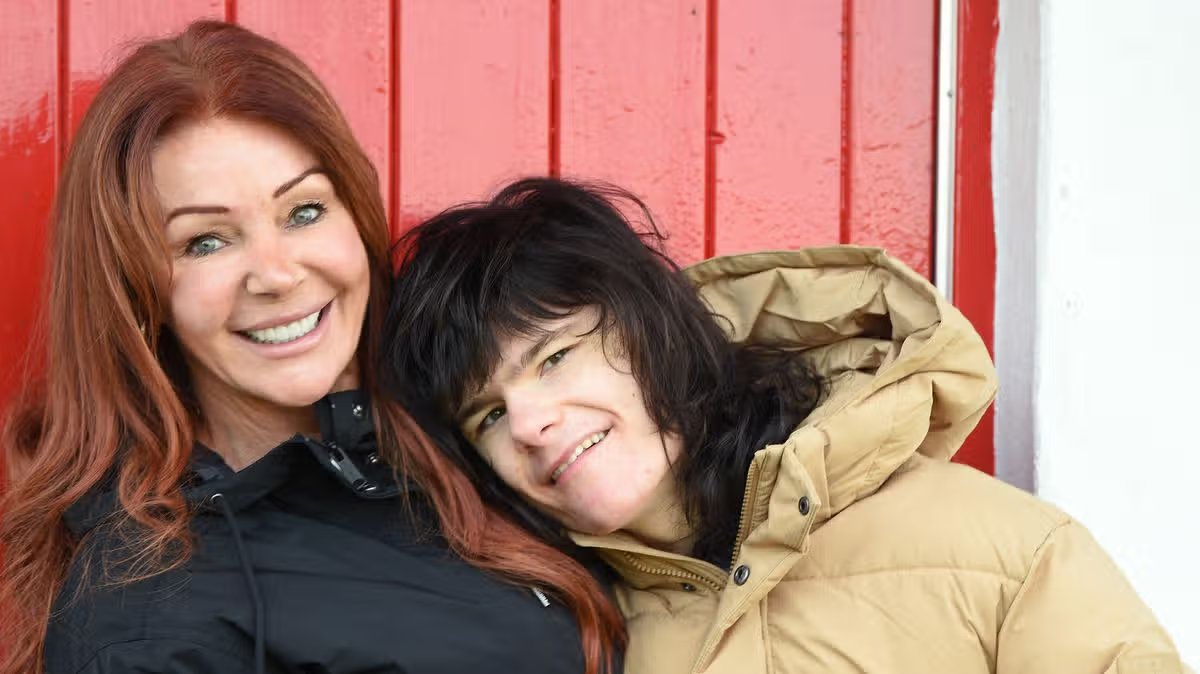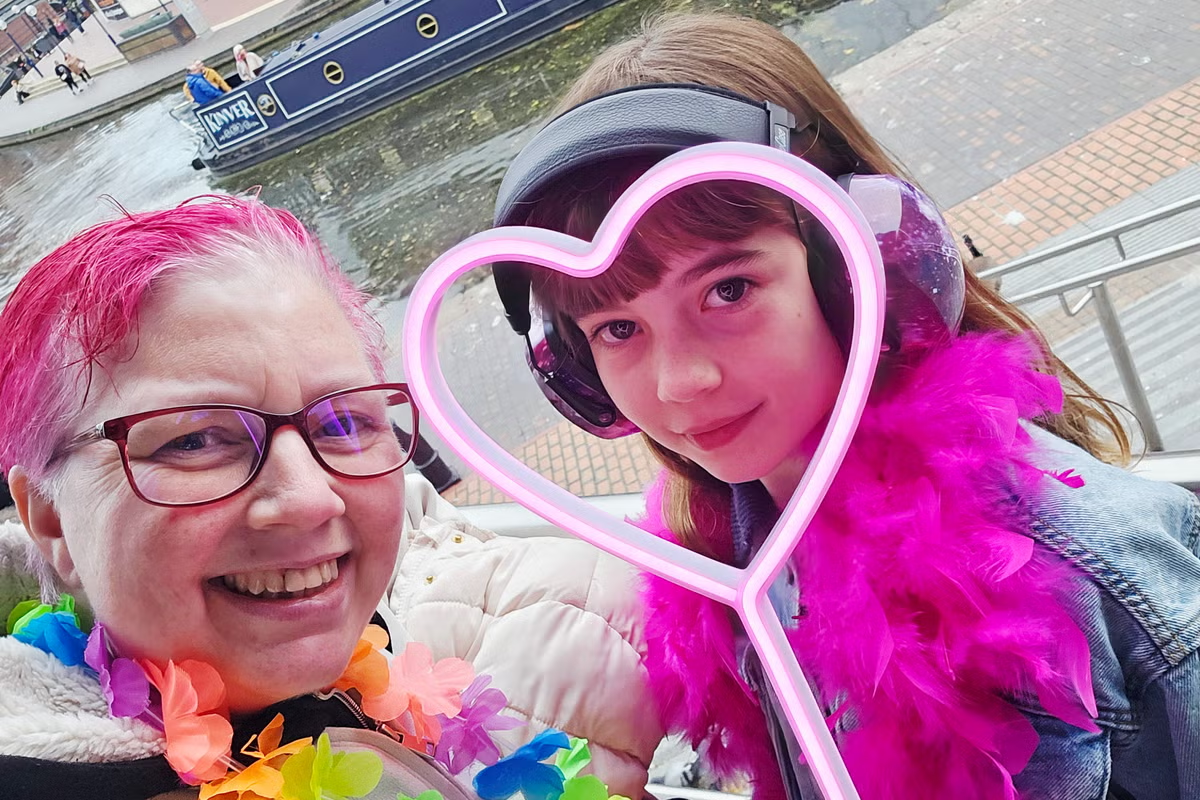
Two mothers fought British bureaucracy to obtain lifesaving cannabis medicines for their children. But most patients are having to go private – at huge cost
I
n the summer of 2012, Britain was in a festive mood. It was the year of the queen’s diamond jubilee and the London Olympics, and the country was celebrating. But for former hairdresser Hannah Deacon and her young family in Warwickshire, it was a summer of ambulances, hospital wards and doctors rushing in and out of emergency rooms.
Eight months earlier, Deacon had given birth to a healthy baby boy named Alfie. The early months of his life had been challenging for her and her partner, Drew, as they are for any first-time parents, but by the summer, Alfie was sleeping and feeding well, and it felt like the family was settling into the new rhythm. However, one night the couple woke up to find their baby’s little body gripped by a paralysing seizure.
The family lived in the market town of Kenilworth. They immediately rushed Alfie to their local hospital, in Warwick, but it lacked an intensive care unit and the staff had no experience of these types of seizures. Alfie’s health worsened by the hour. At first the doctors followed the protocols for an infant heart attack. When this failed, they switched to the treatment for someone suffering a febrile seizure, the convulsions that a child can suffer when they have a particularly high temperature. Alfie’s seizures were whole-body. Each time they struck him, his tiny frame would strain and convulse, and he would stop breathing. Deacon watched in horror each time her baby began to turn blue. The doctors called a number of paediatric specialists but couldn’t get Alfie into Birmingham children’s hospital – the nearest big specialist unit – as it was already overcrowded. He was finally given a bed at Stoke hospital, which had an intensive care unit for children.