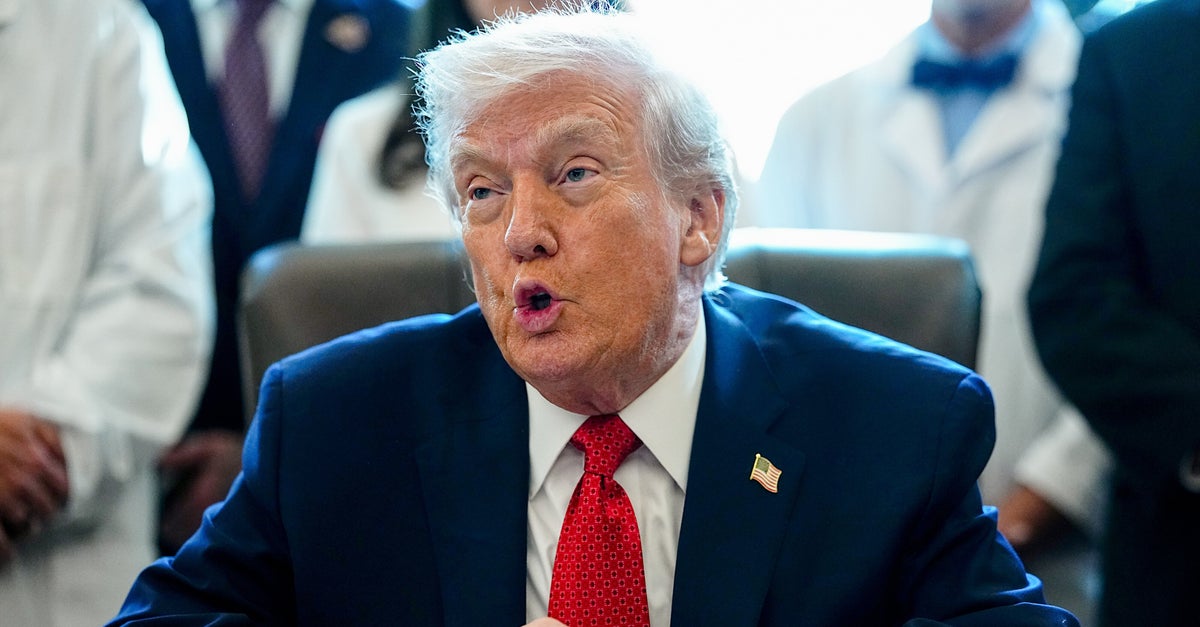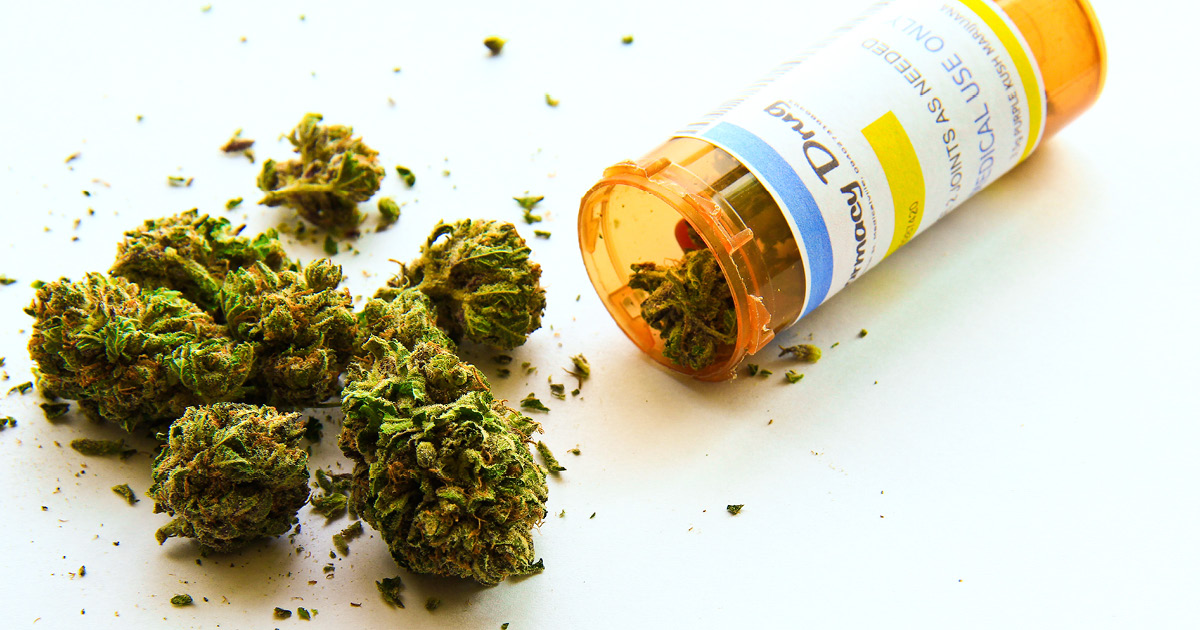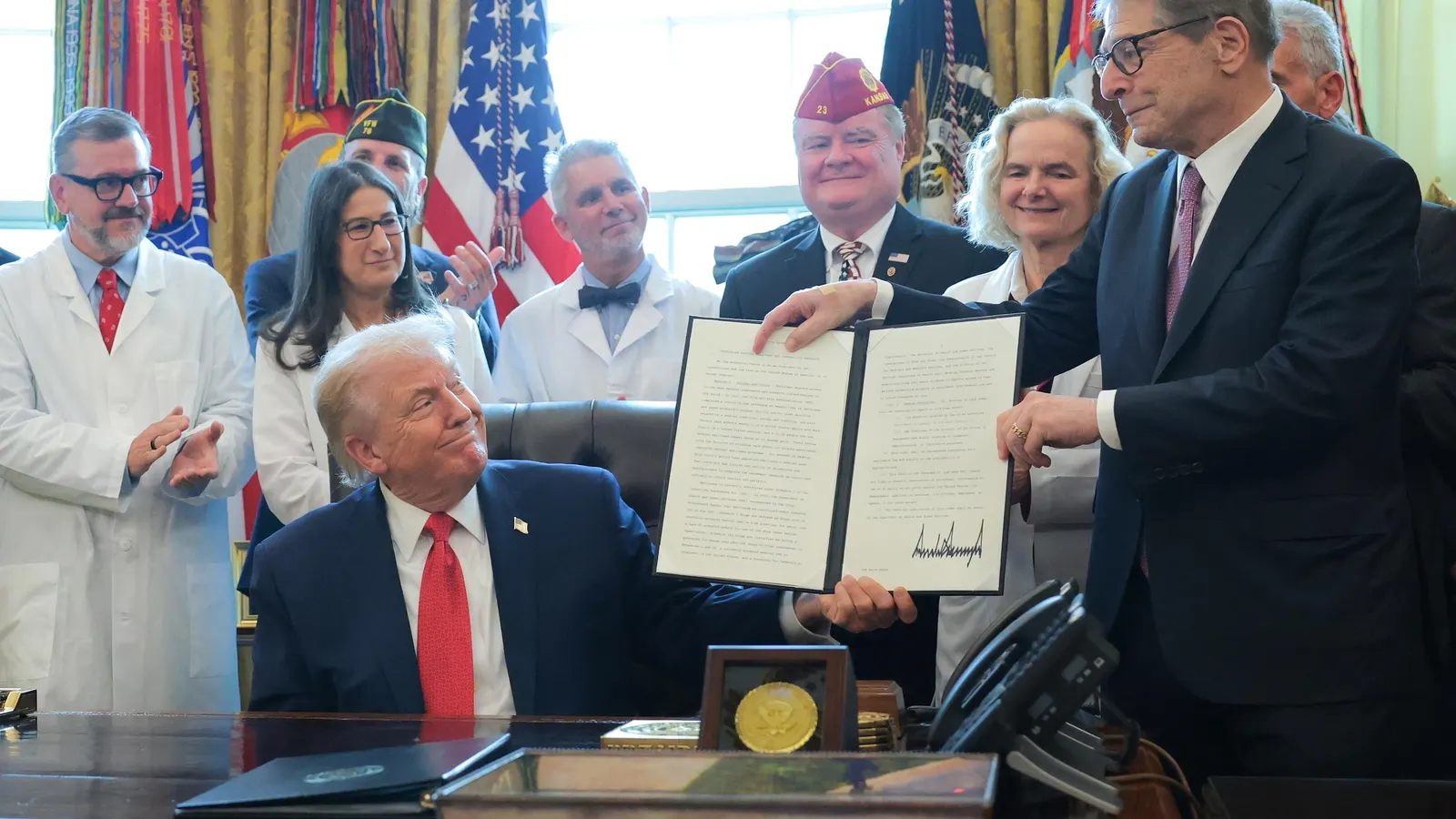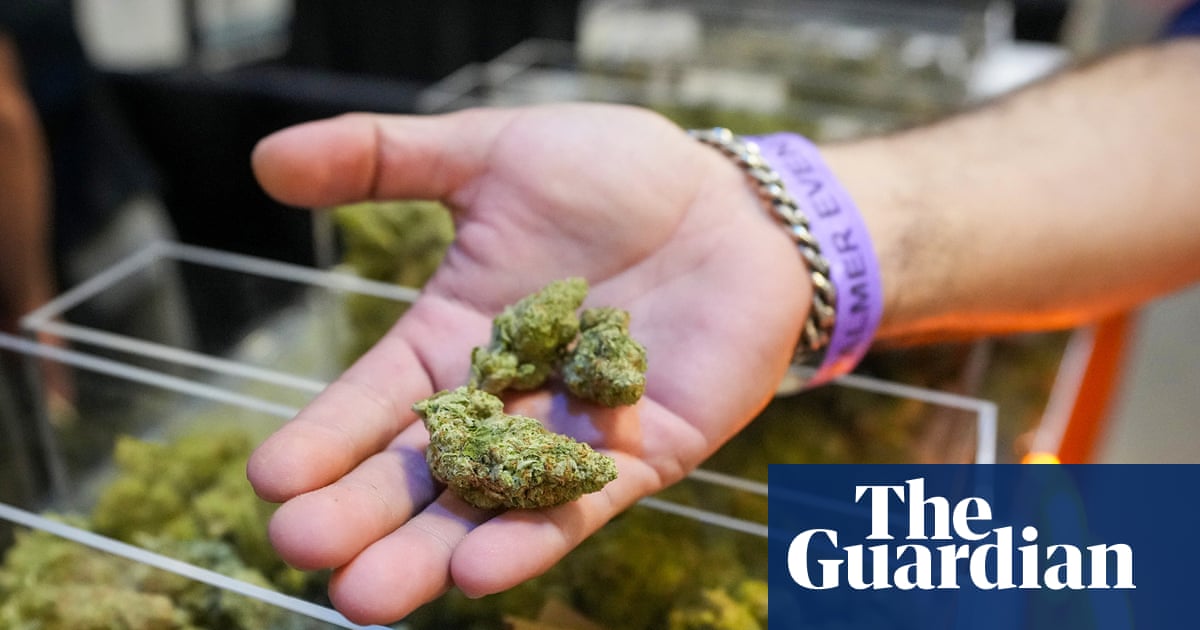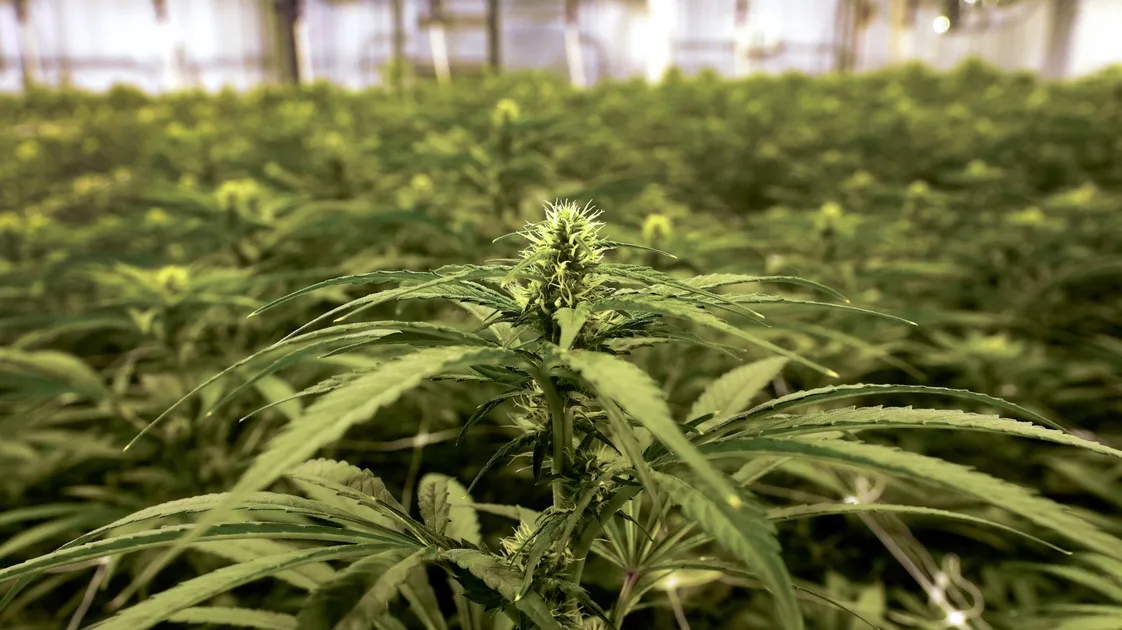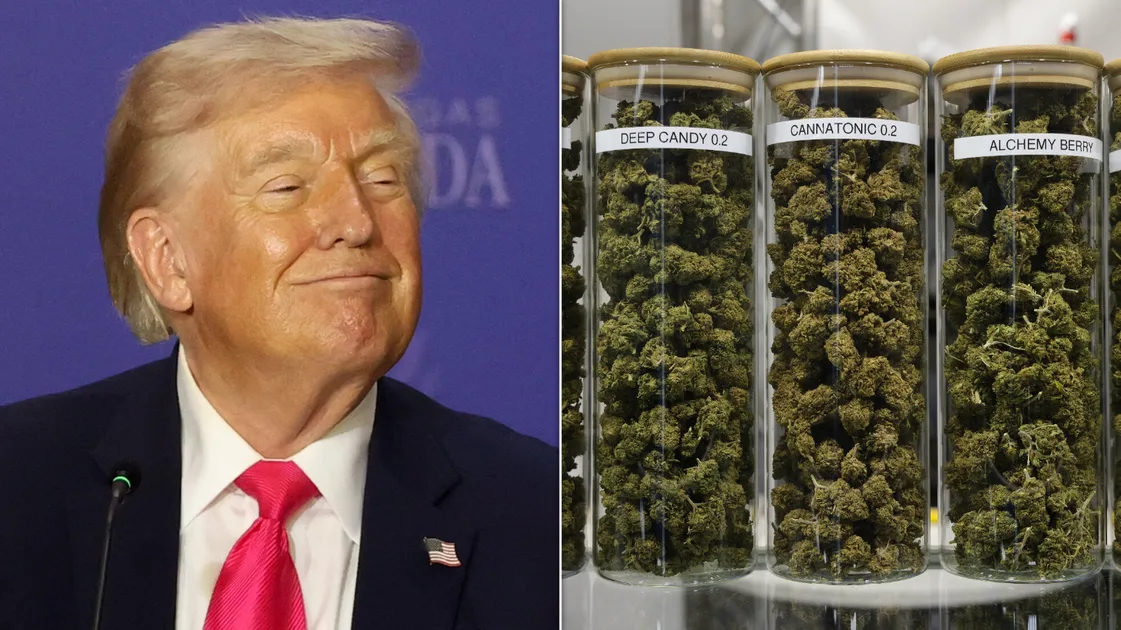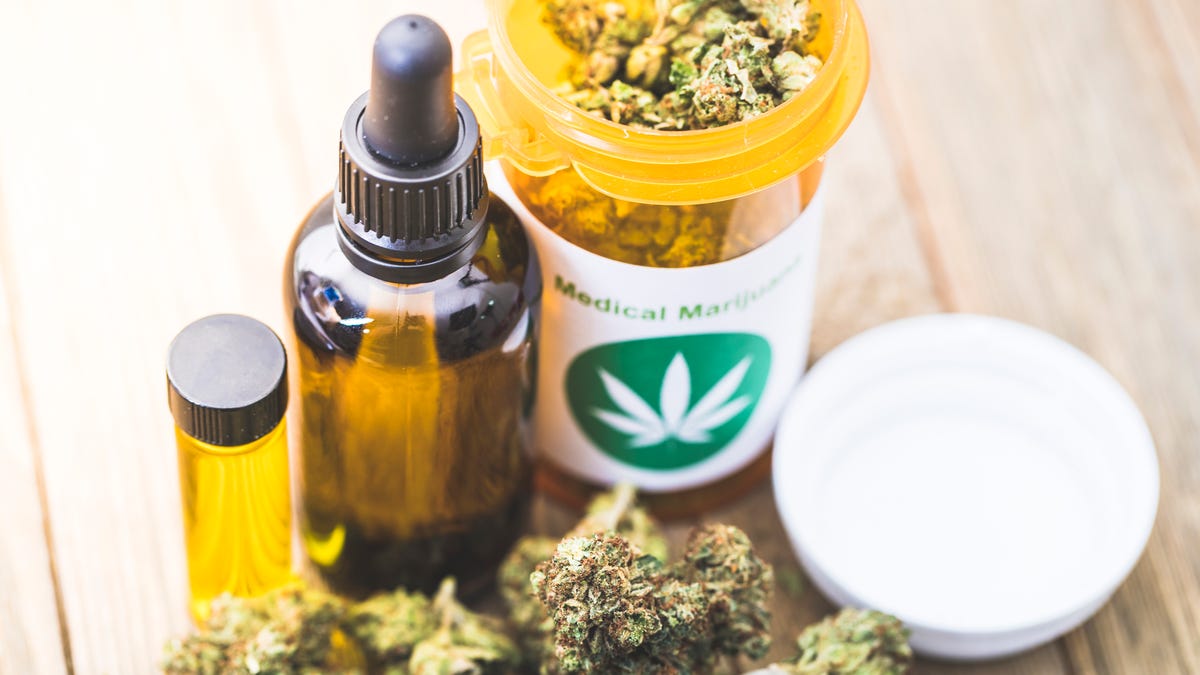
As the Department of Justice moves to reclassify medical marijuana products as a less dangerous substance, we're answering your burning questions about THC.
Marijuana won’t become legal at the federal level when it's reclassified from a Schedule I to Schedule III drug, but it will make it easier for the industry to operate and for research to be conducted.
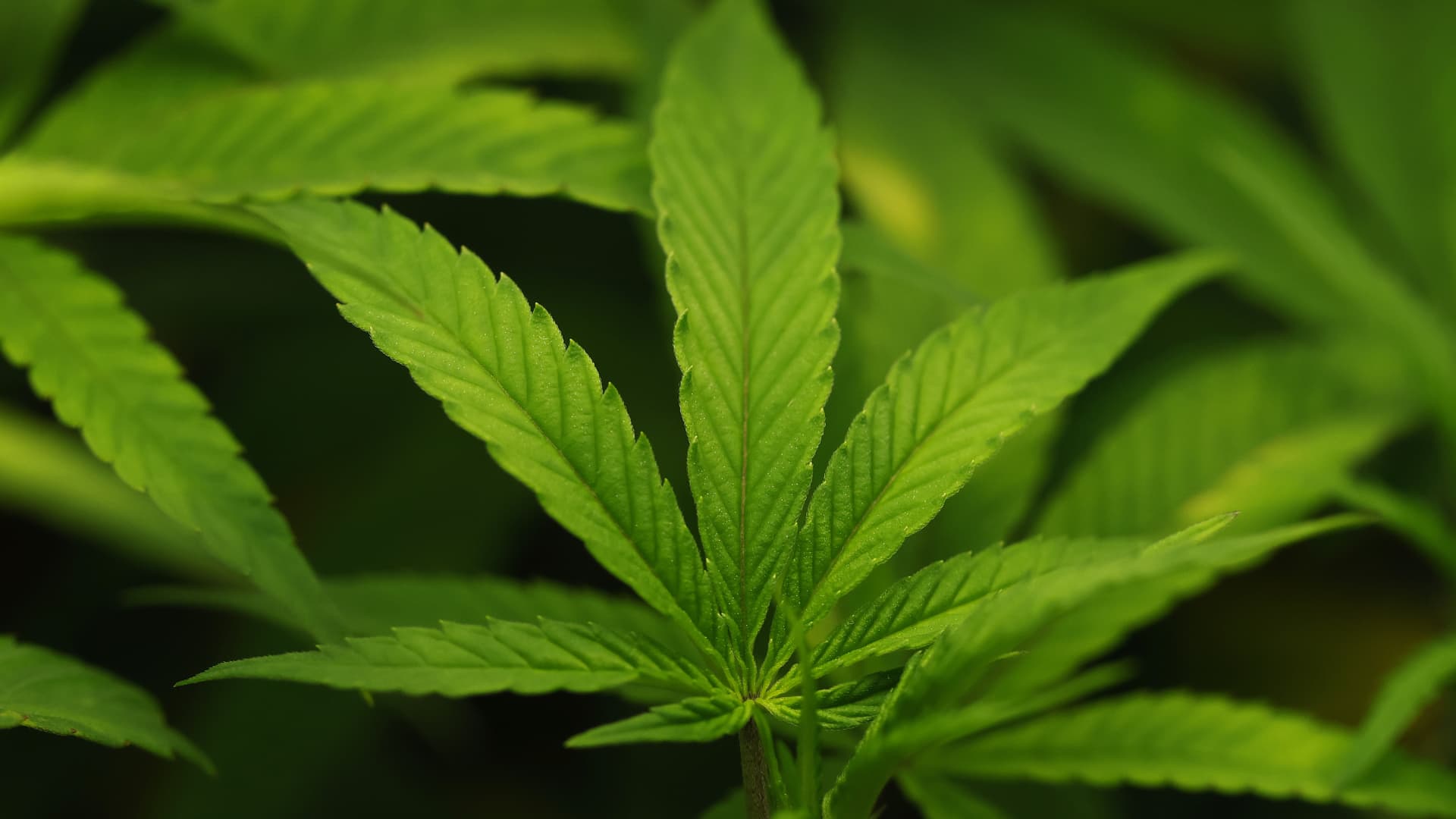
Tetrahydrocannabinol, known colloquially as THC, isn't new. But as more lawmakers move to legalize and decriminalize possession and use of marijuana, more medical researchers are diving into learning more about how the drug affects the human body.
Among health experts, the jury is still out on THC, CBD and the use of marijuana in general, as those in medical and research fields weigh the benefits and risks.
"This is the big challenge with cannabis: How do we facilitate the beneficial medical applications, allow for what society has determined is acceptable recreational use and also guard against the very real harms?" Gregory Tung, an associate professor at the Colorado School of Public Health who holds a doctorate in health policy, previously told USA TODAY. "This is difficult and will likely require a mix of policy, rules, regulations and education."