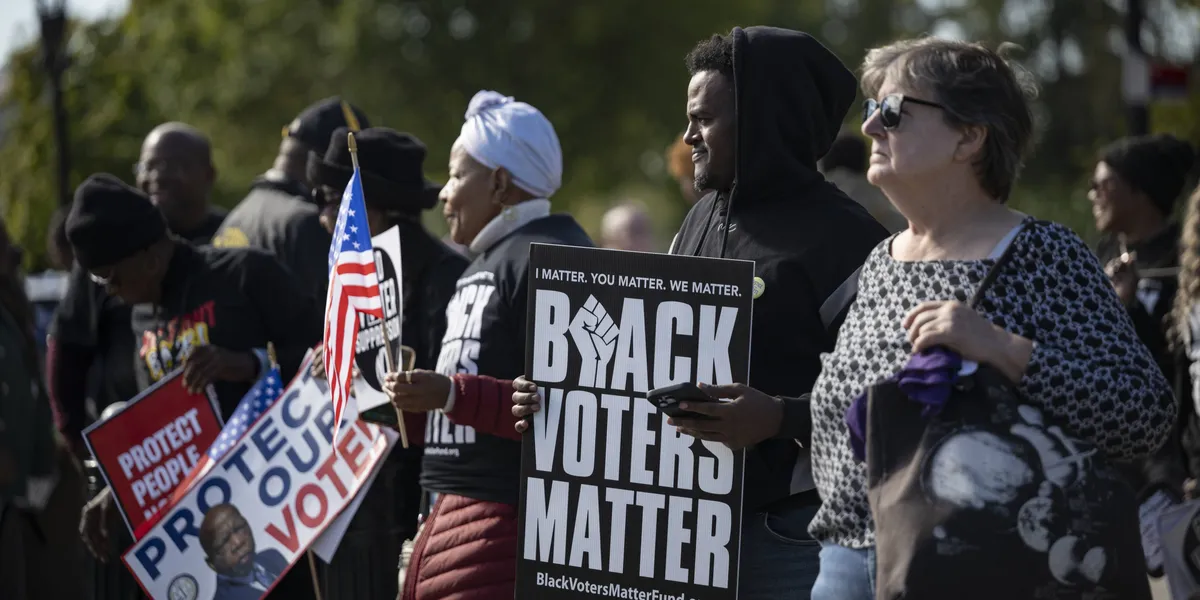
Decision gives mapmakers in Republican states power to crack districts into pieces and dilute votes into oblivion
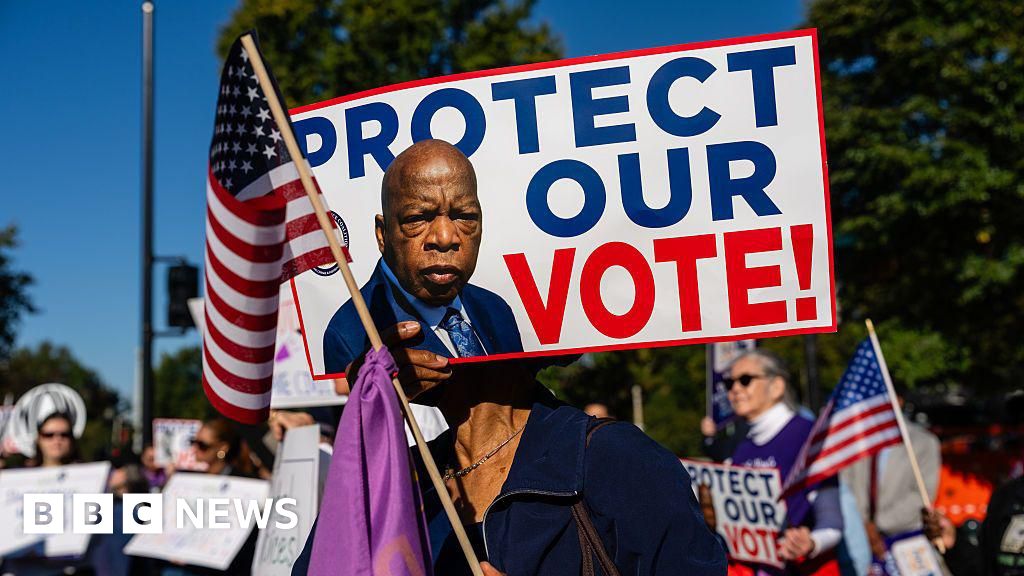
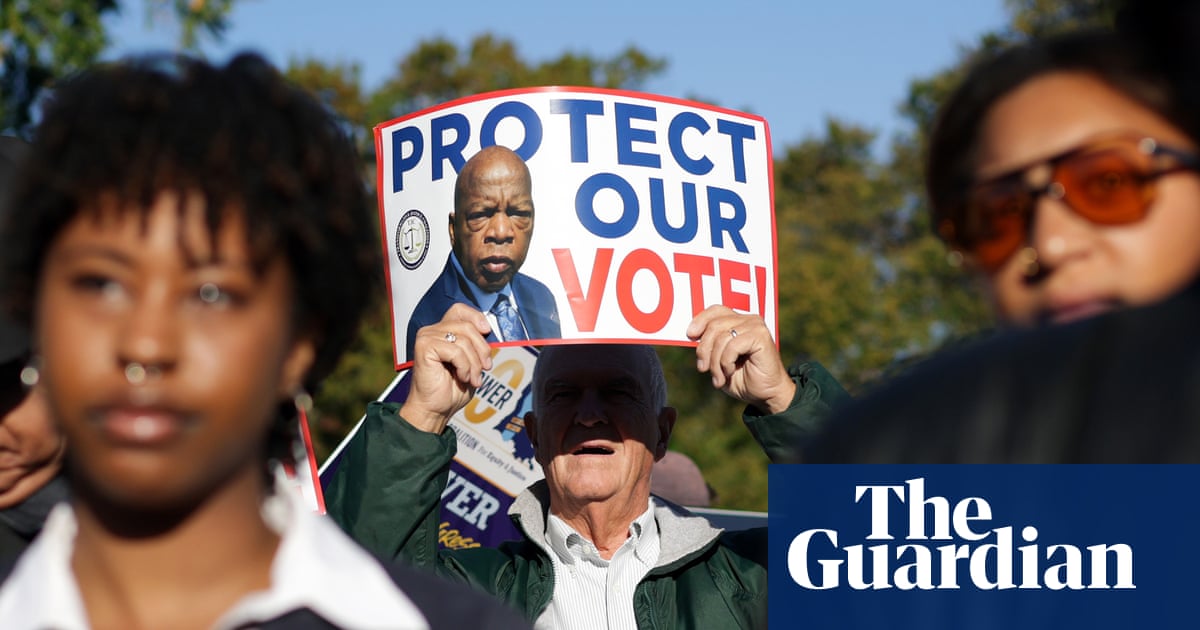
The Voting Rights Act was a political peace compact written in John Lewis’s blood.
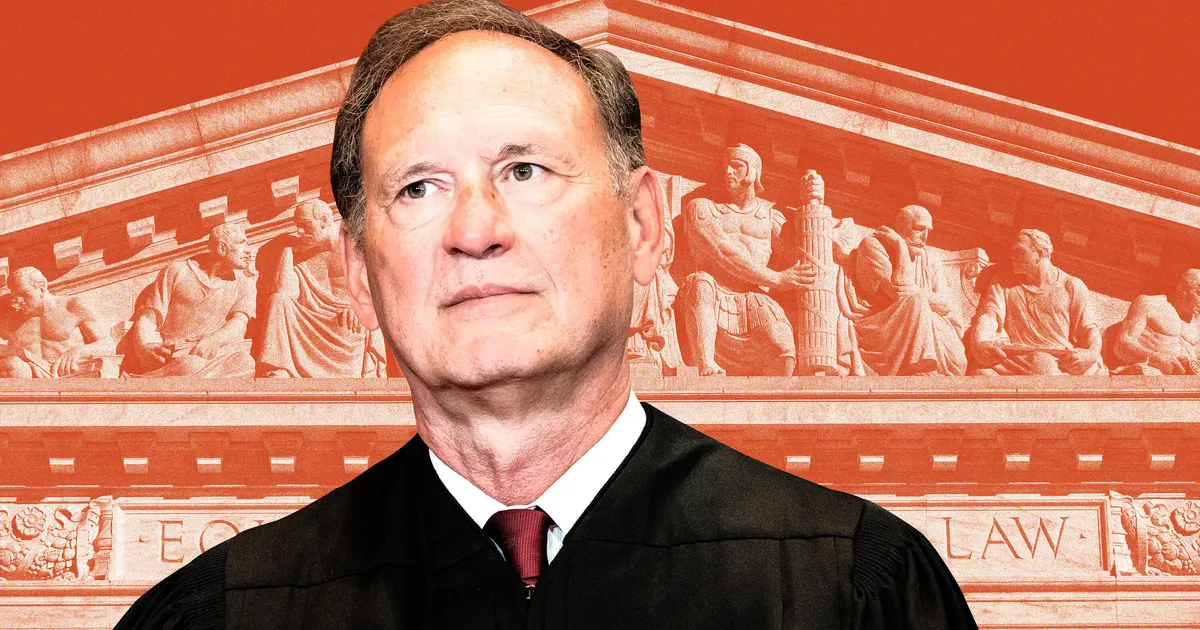
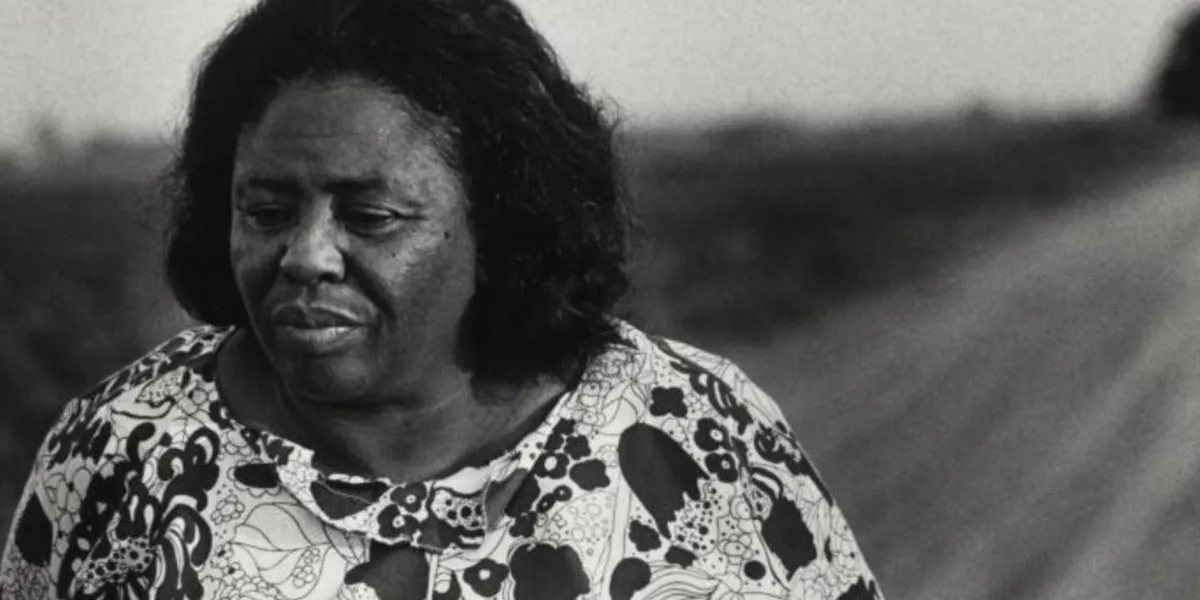
The Callais v Landry decision by the US supreme court, which set aside much of section 2 of the Voting Rights Act, whitewashed that blood from history, along with that of thousands of other Americans who fought segregationist white supremacists at lunch counters and bus stations and courthouses for political equality.
“This ruling is a major setback for our nation and threatens to erode the hard-won victories we’ve fought, bled, and died for,” the NAACP wrote in a statement following the decision.
The passage of the Voting Rights Act has created a Congress that better reflects the ethnic and racial diversity of the country. But it also established a racial taxonomy in politics that associates non-white voters with Democrats.