The U.S. Supreme Court’s conservative majority on Wednesday handed Republicans their biggest victory yet in the perpetual battle to control the House of Representatives and statehouses across the country — but it may have come too late to have much of an effect on this year’s midterm elections.
The 6-3 ruling effectively gutted the Voting Rights Act’s requirement that districts be drawn to give minority voters a chance to elect representatives of their choosing. One practical effect of that requirement was the protection of reliably Democratic-voting majority-minority districts, even in solidly red states where lawmakers could otherwise favor the GOP.
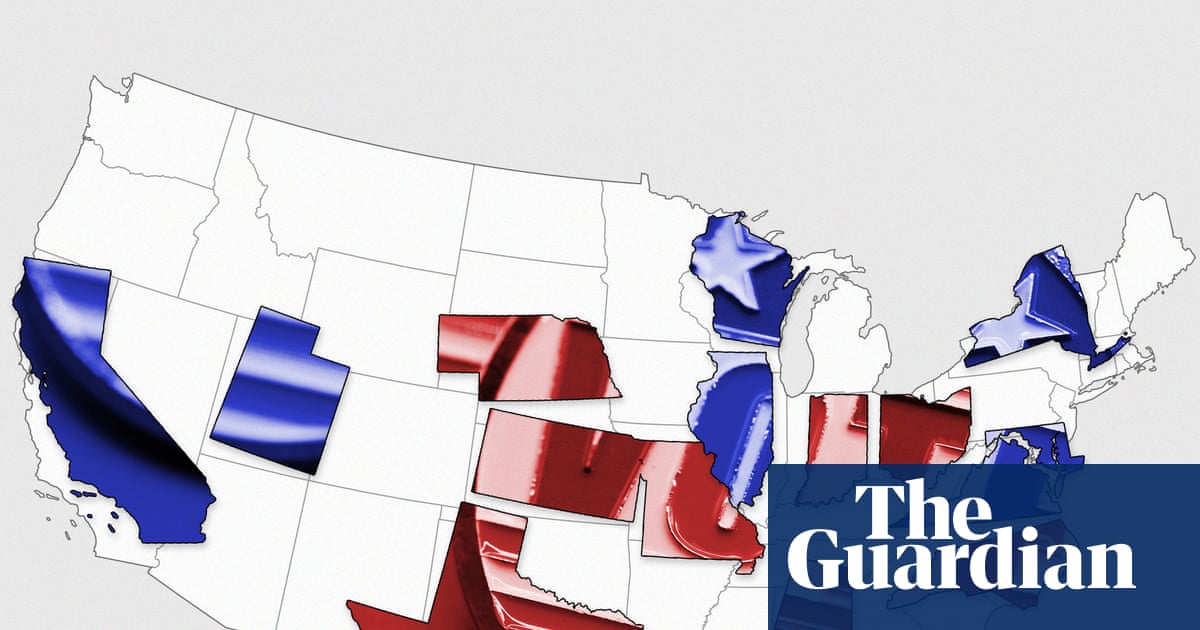
With that mandate now largely gone, Republican lawmakers across the country — and especially in the South — have a freer hand to eliminate Democratic-leaning districts and pad the total number of seats they can win to hold the U.S. House. There are more than a dozen such seats in Republican-controlled states.
Shortly after the ruling, Republicans were urging a review of their congressional maps in Louisiana, Tennessee and elsewhere.
Their immediate challenge is that the ruling came down well after filing deadlines for this year’s primary elections — and in some cases, after those primary elections have been held. That means ballots are set and in some states early and absentee voting has already begun.