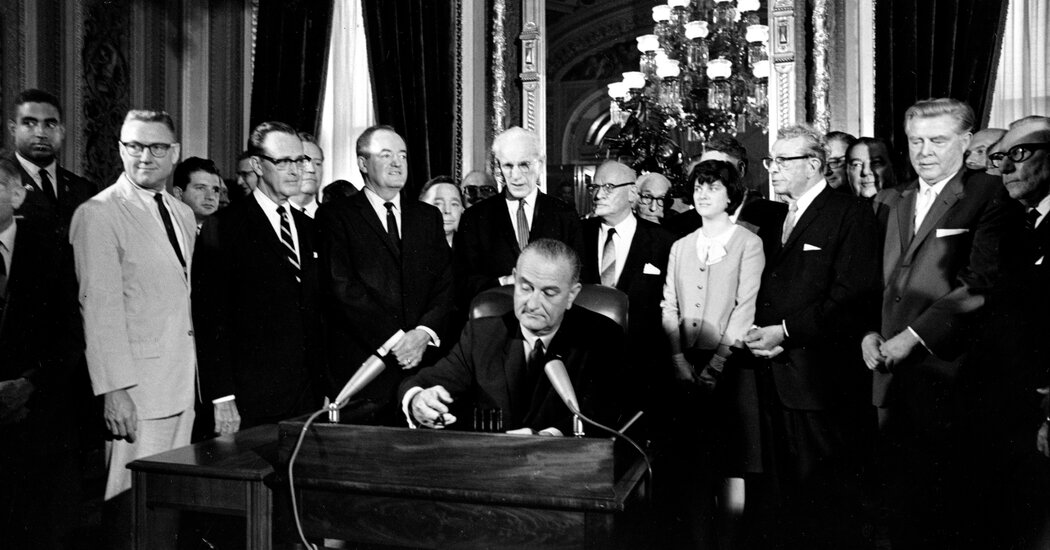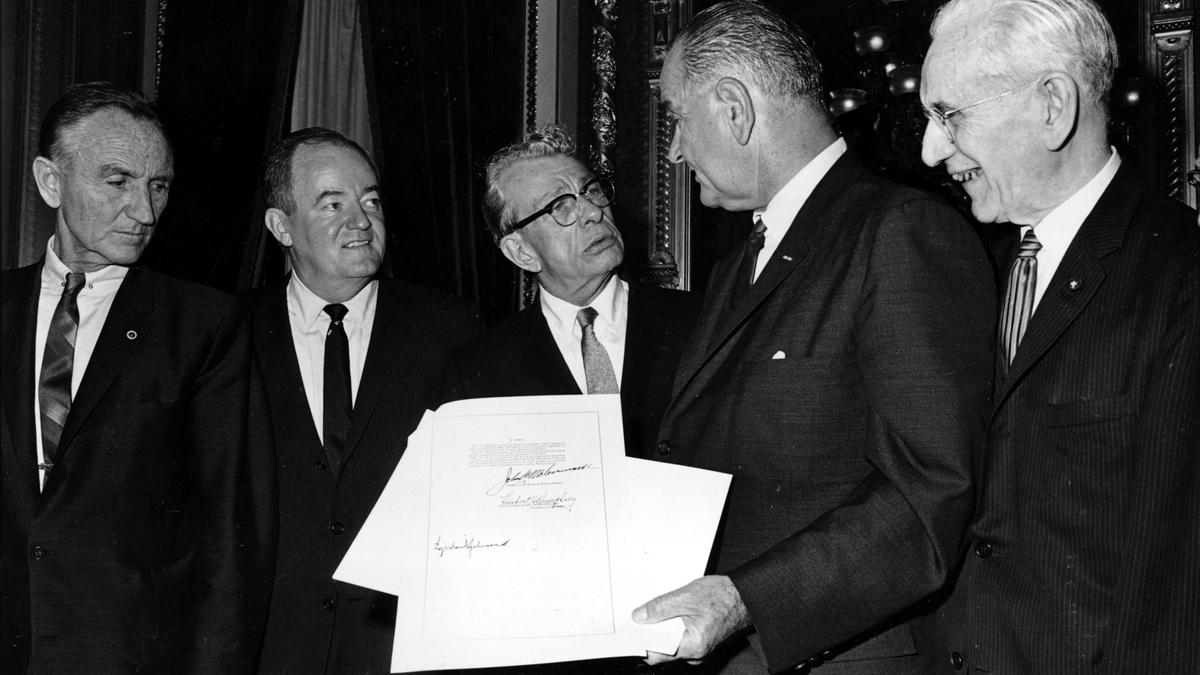
President Lyndon B. Johnson knew the legislation he was about to sign was momentous, one that took courage for certain members of Congress to pass since the vote could cost them their seats.
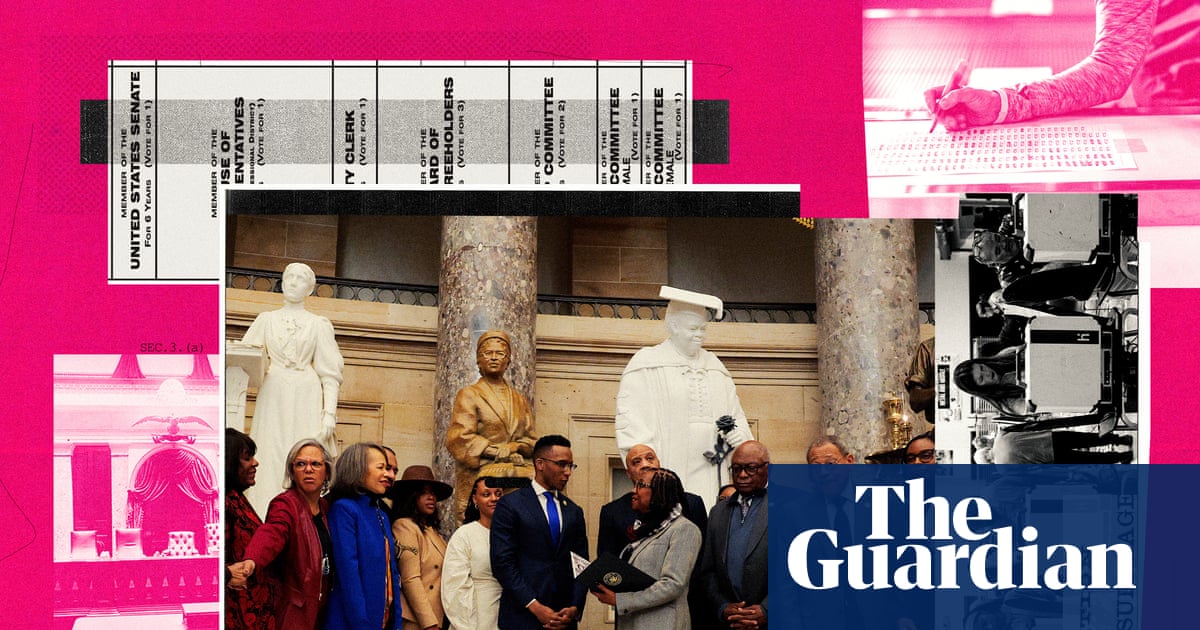
To honour that, he took the unusual step of leaving the Oval Office and going to Capitol Hill for the signing ceremony. It was Aug 6, 1965, five months after the “Bloody Sunday” attack on civil rights marchers in Selma, Alabama, that gave momentum to the Bill that became known as the Voting Rights Act.
In the six decades since, it became one of the most consequential laws in the nation's history, preventing discrimination against minorities at the ballot box and helping to elect thousands of Black and Hispanic representatives at all levels of government.
Human Rights Watch warns U.S. heading to 'authoritarianism'
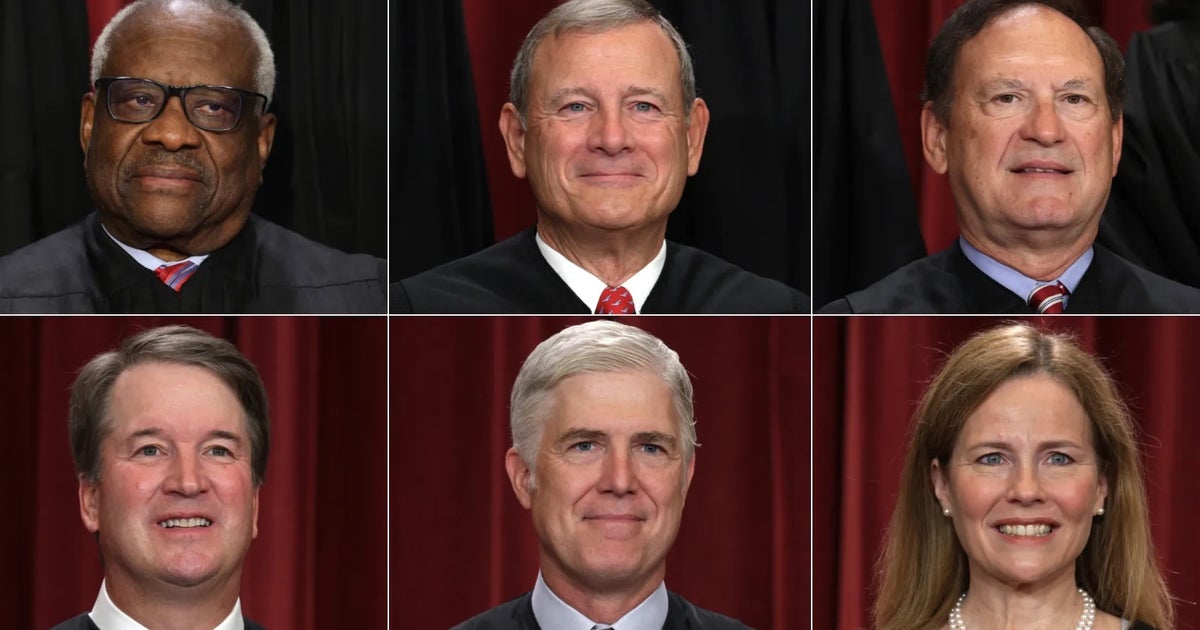
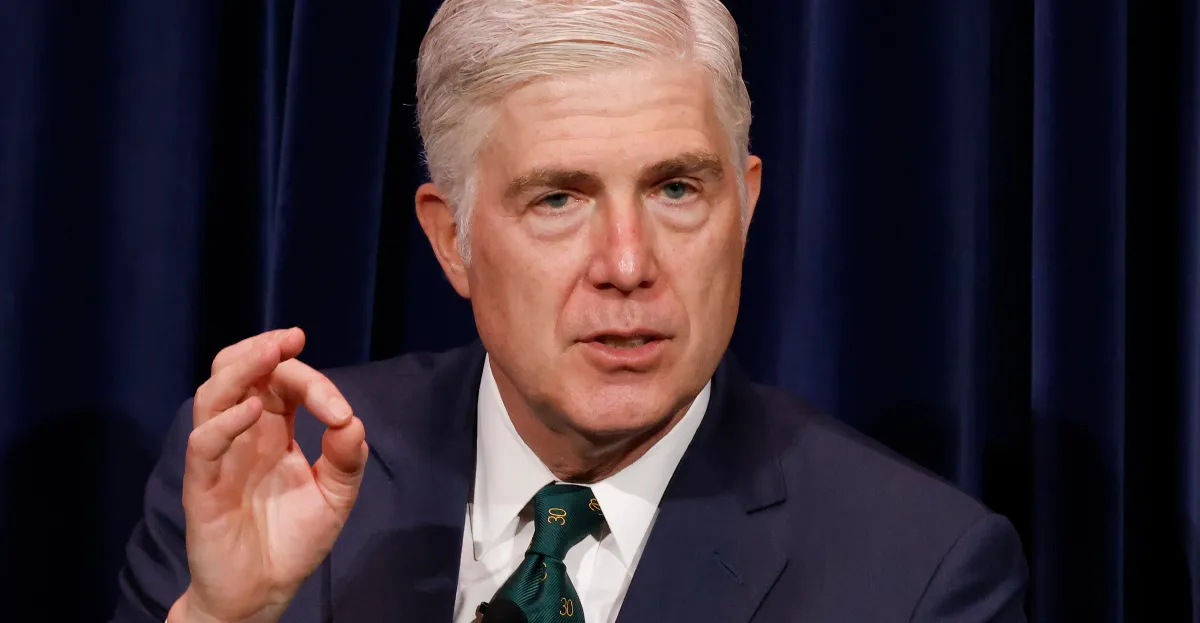
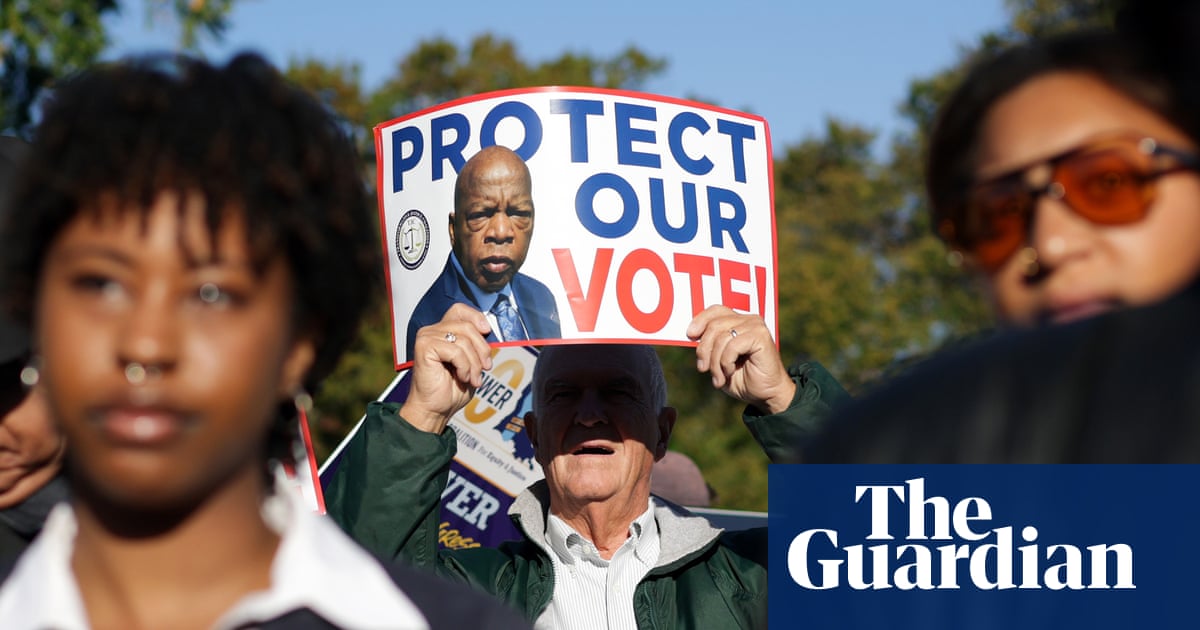
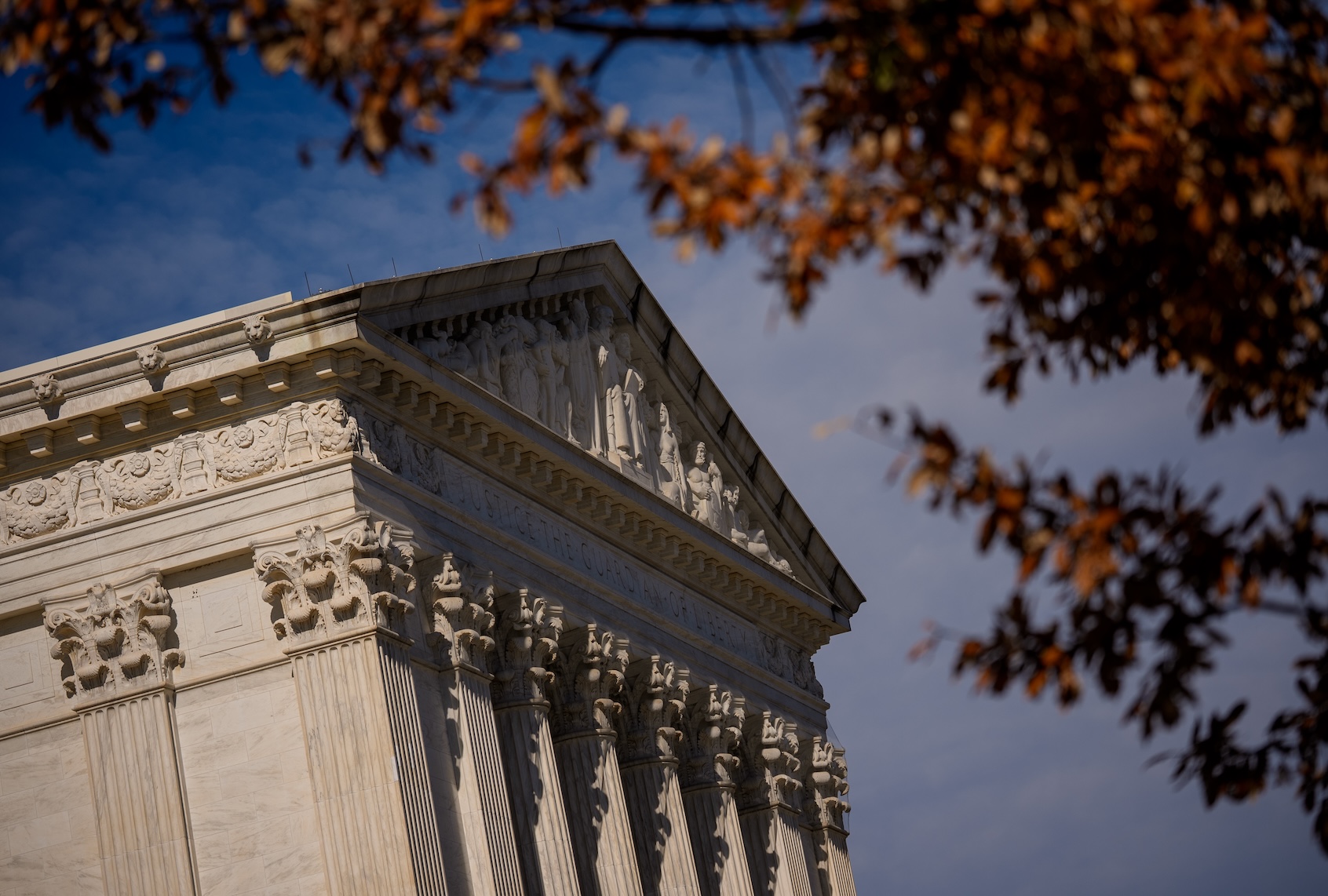
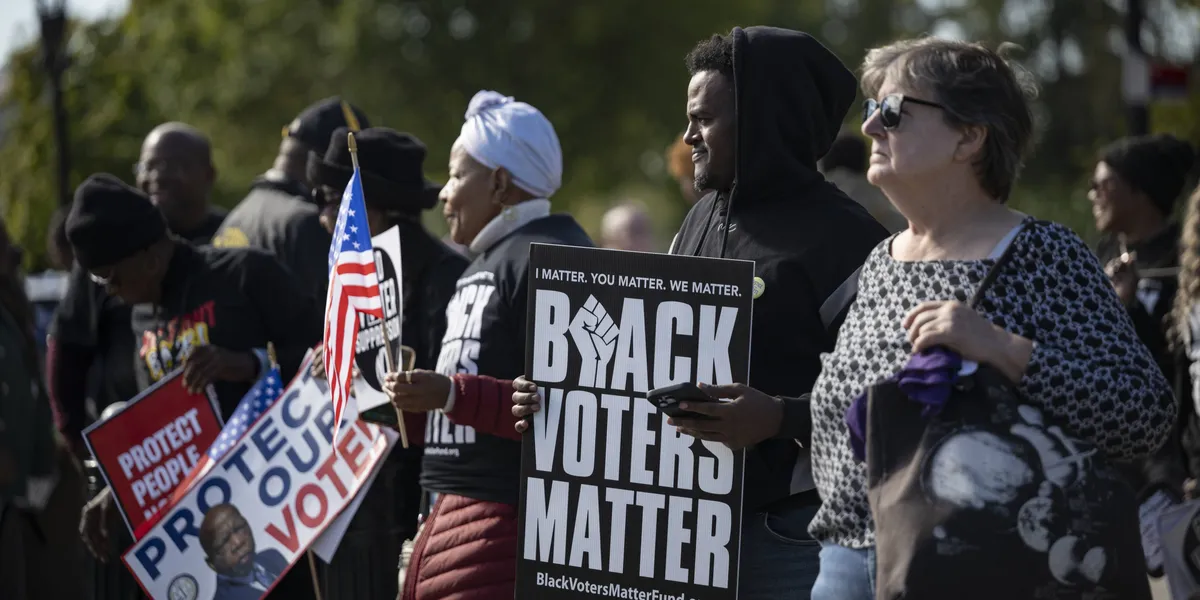
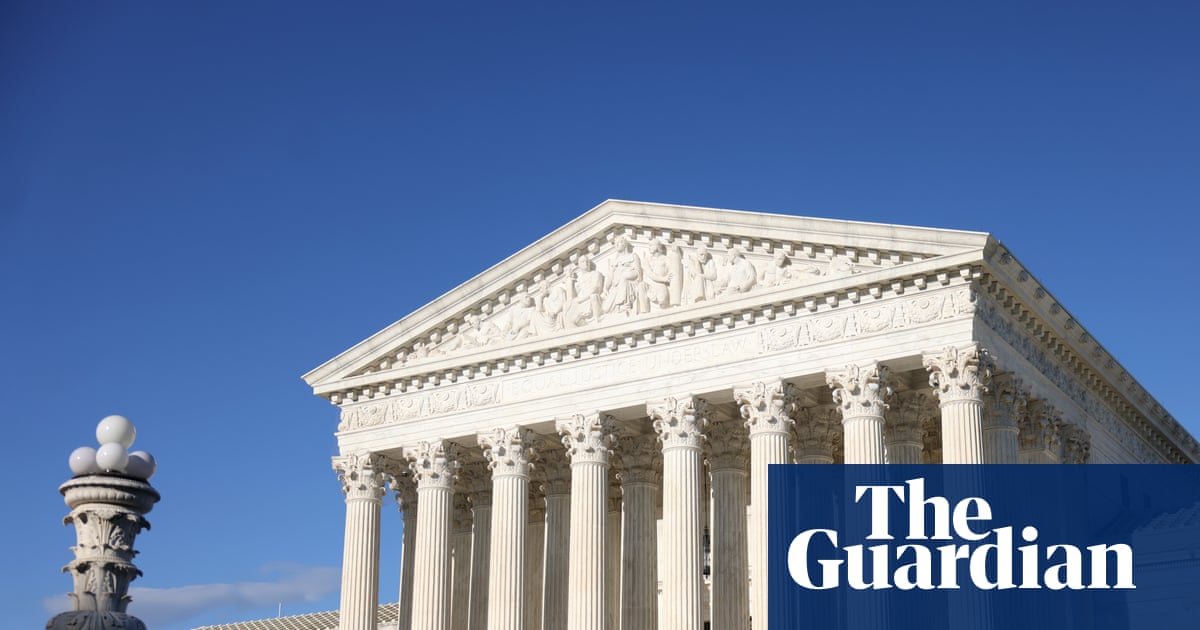
On Wednesday (April 29, 2026), the U.S. Supreme Court knocked out a major pillar of the law that had protected against racial discrimination in voting and representation. It was a decision that came more than a decade after the court undermined another key tenet of the law and led to restrictive voting laws in a number of States. Voting and civil rights advocates were left fearful of what lies ahead for minority communities.