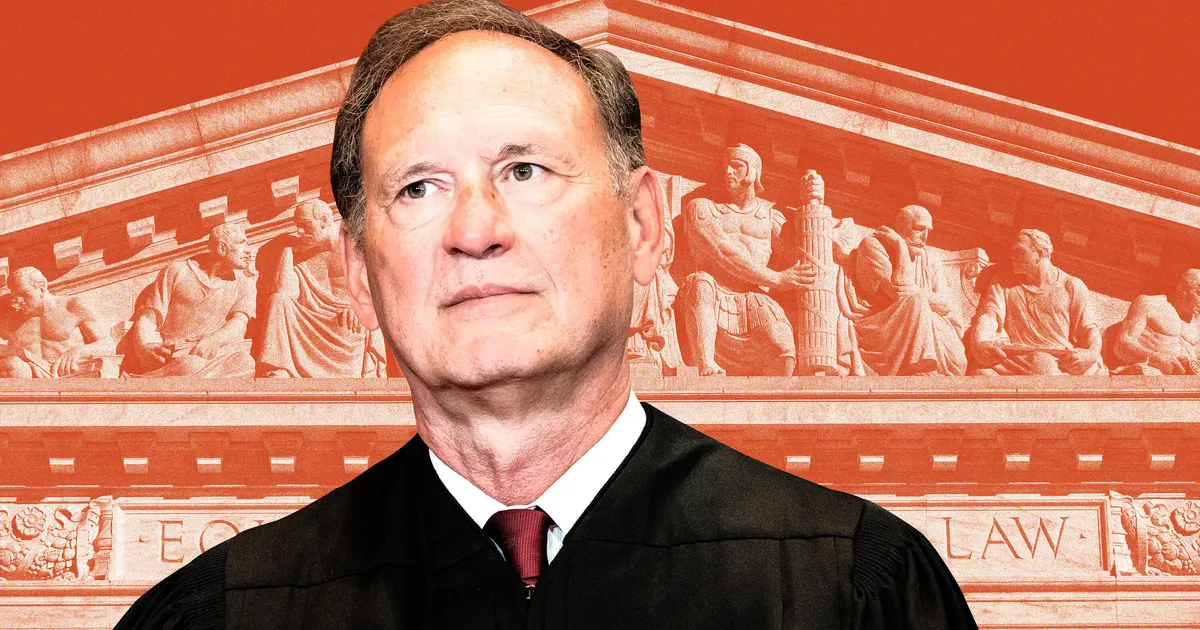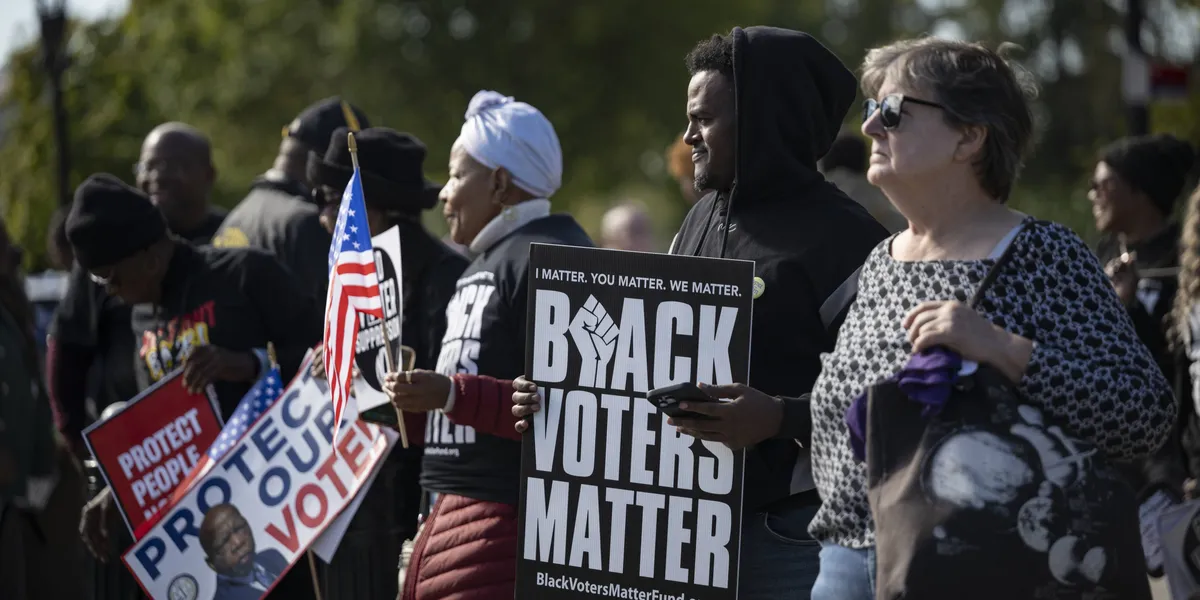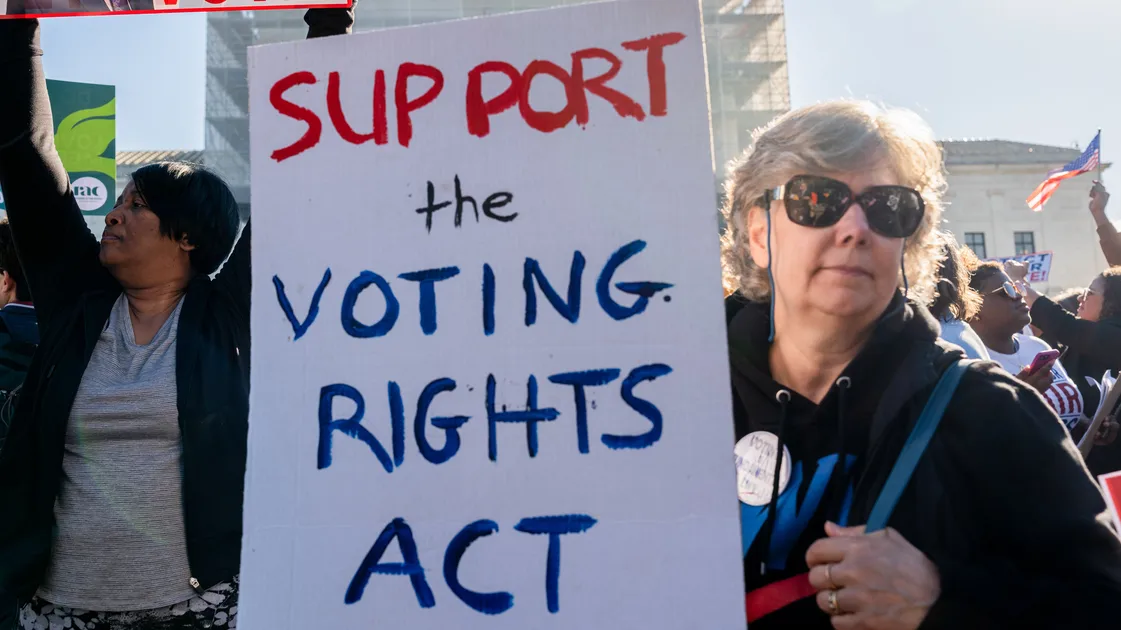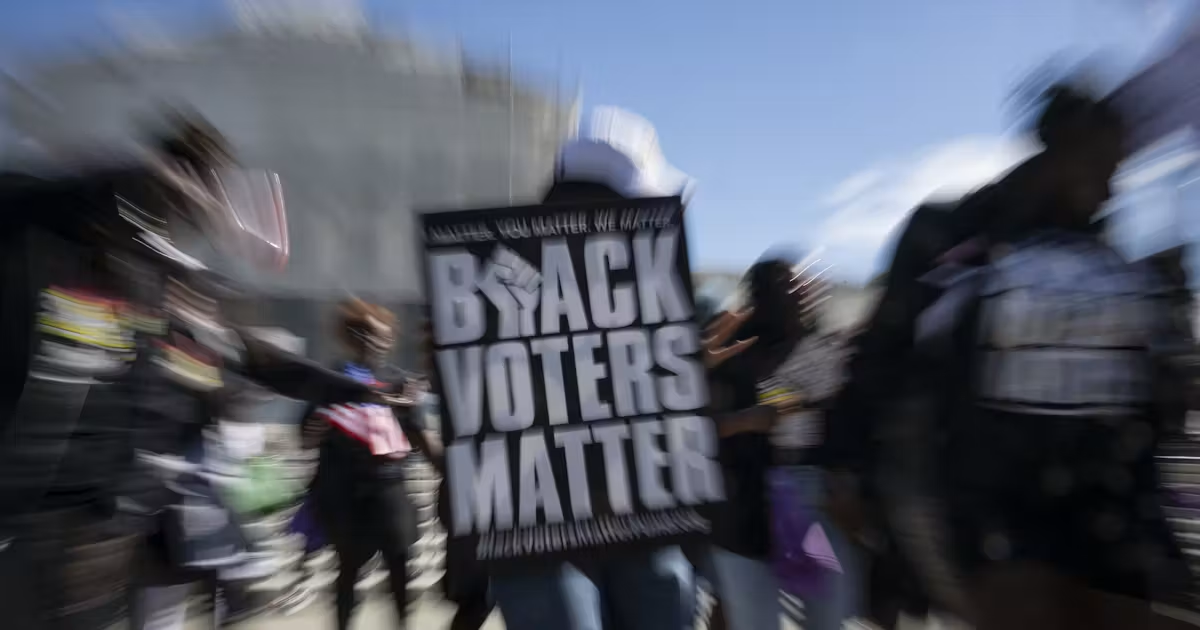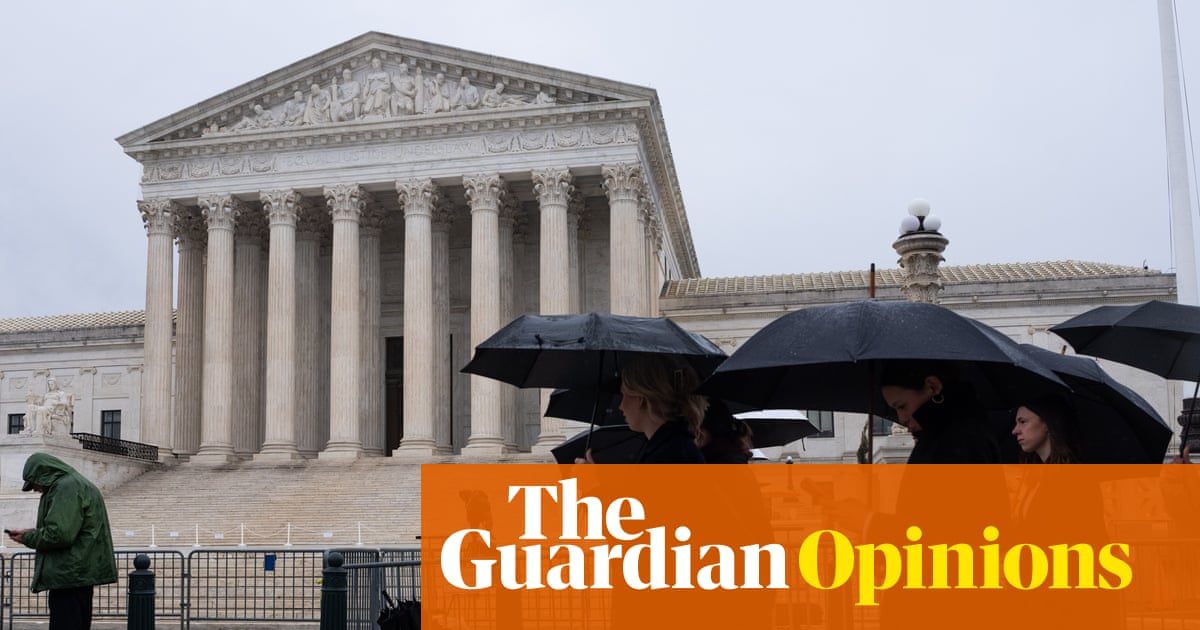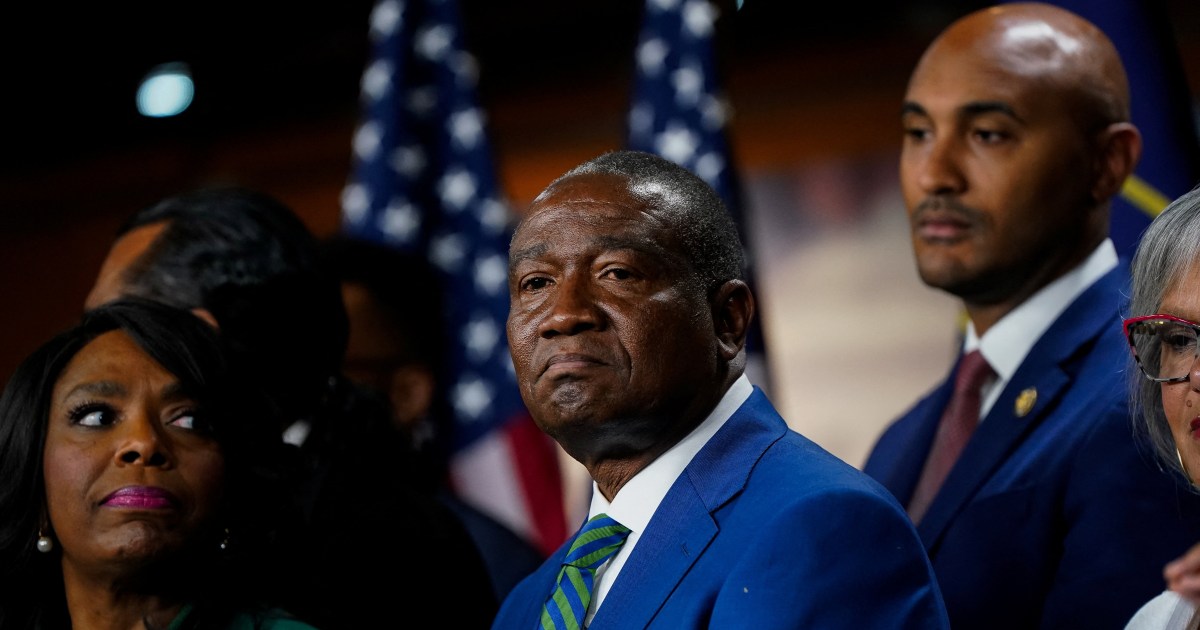
The Supreme Court’s 6-3 decision Wednesday to permit states to redraw voting districts in such a manner as to decrease minority representation could well set the U.S. back to before the landmark Voting Rights Act of 1965.
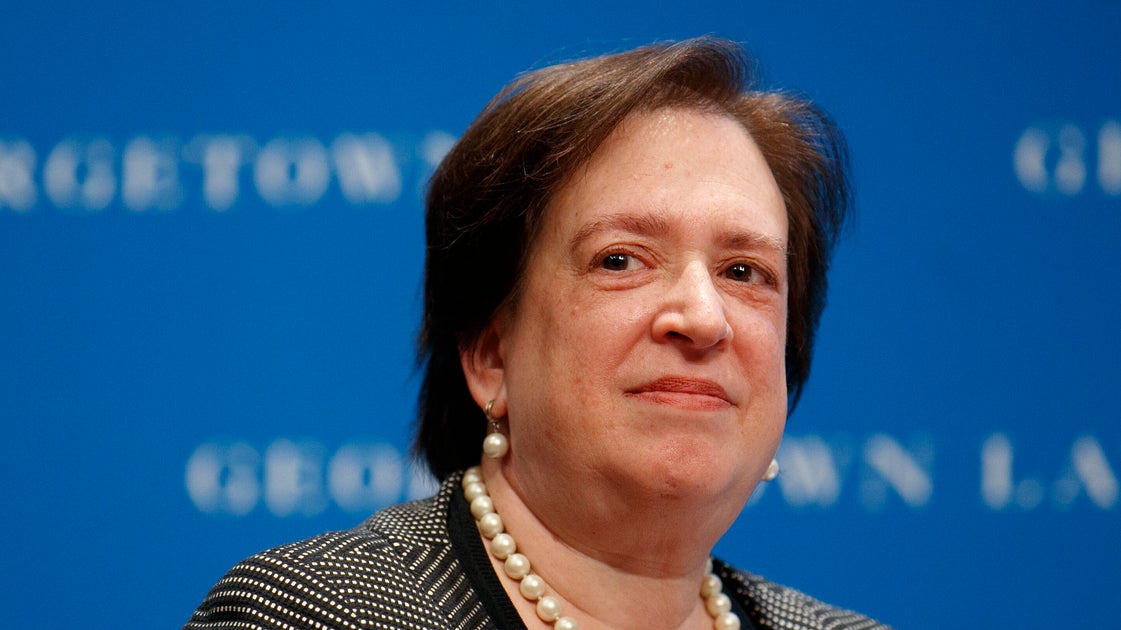
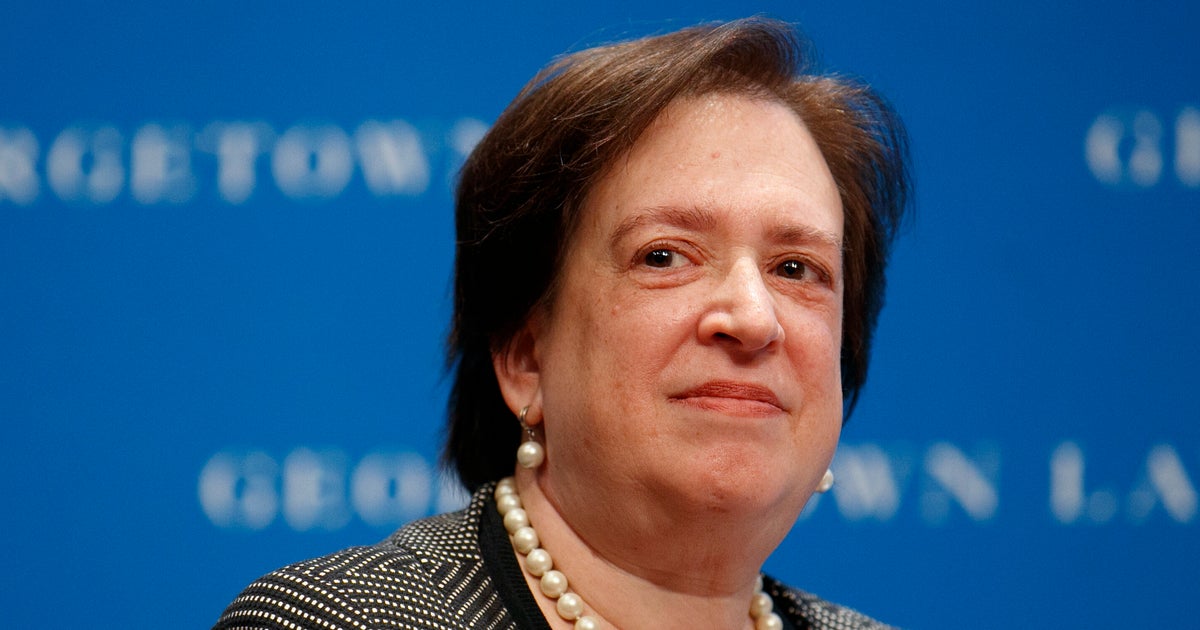
So warned Justice Elena Kagan in a dour dissent in Louisiana v. Callais, offering a long and dispiriting look at all the ways states circumvented the 15th Amendment from its ratification in 1870 until at least 1965.
Justices Ketanji Brown Jackson and Sonia Sotomayor joined Kagan in the dissent.
The 15th Amendment guaranteed racial equality in voting, yet Kagan noted that in the century that followed, for practical purposes, it did almost nothing of the sort.
“Especially in the South, States soon put in place a host of facially race-neutral devices to systematically disenfranchise African American citizens,” she wrote. “Poll taxes, literacy tests, ‘good character’ exams, property qualifications, convoluted registration processes—all these and more, when combined with administrative discretion, effectively suppressed the Black vote.”