N
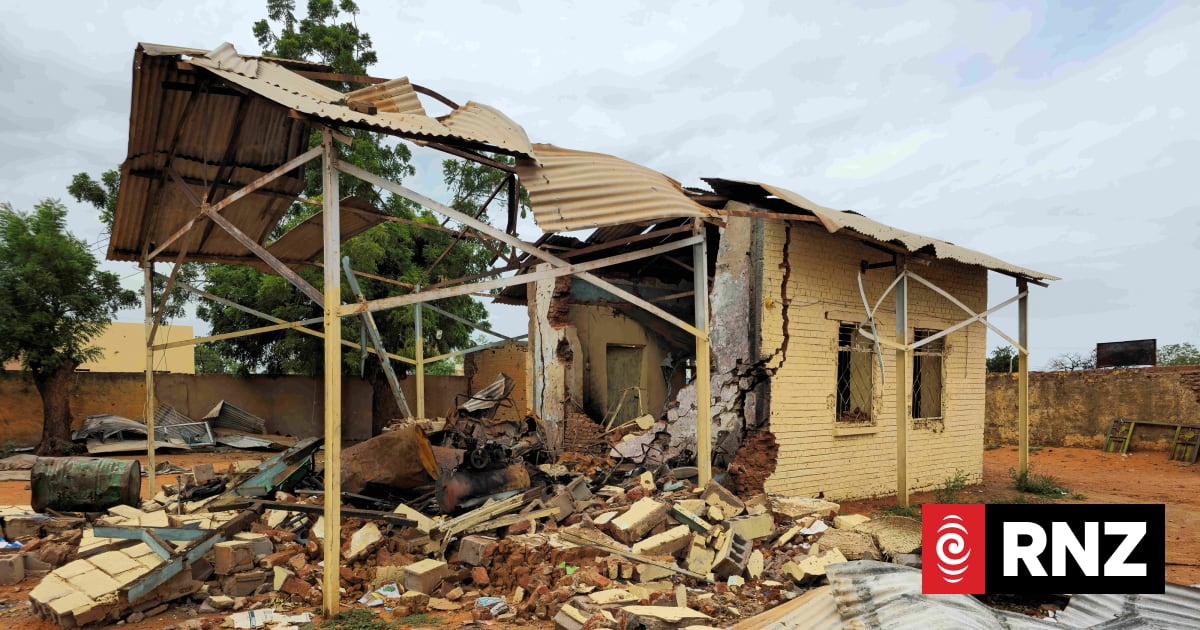
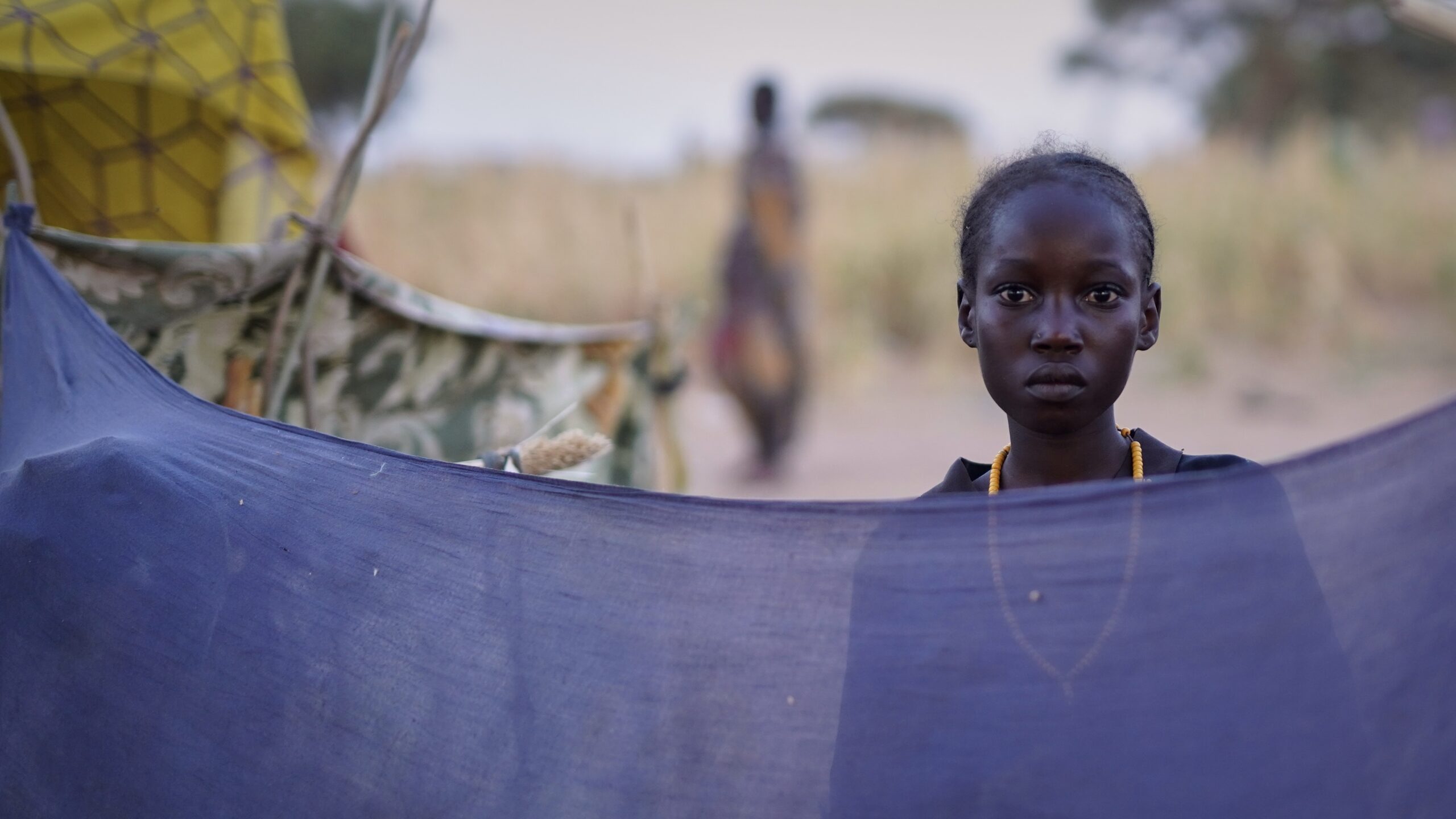
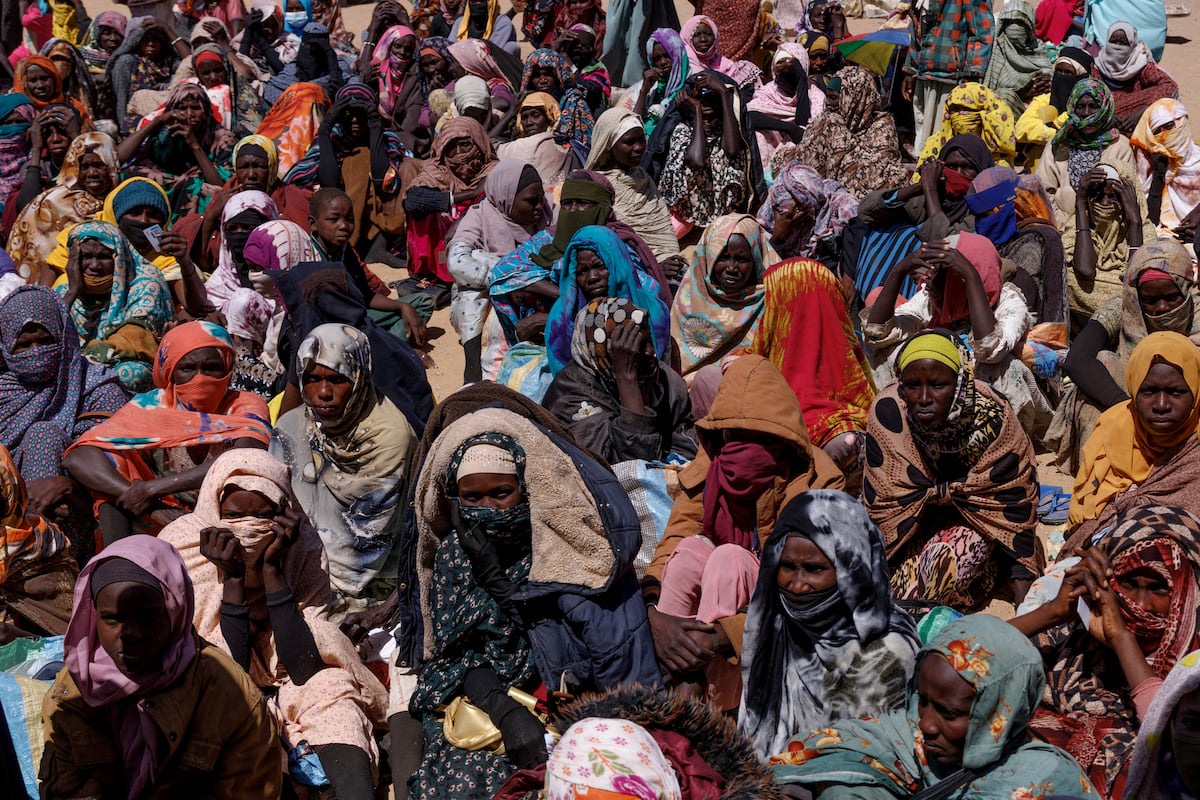
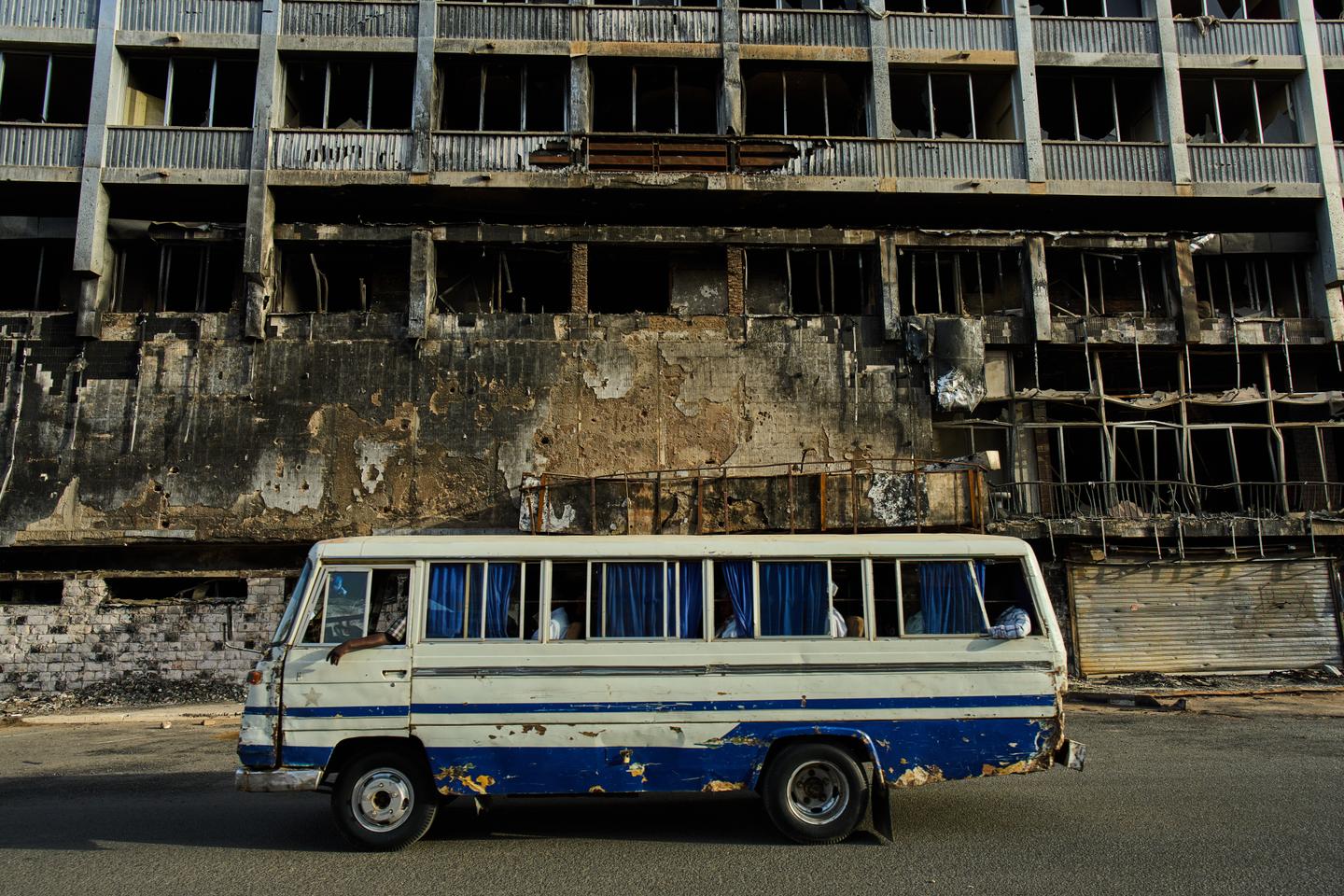
ot all deaths are equal, and neither are all tragedies. This is an unavoidable truth in journalism: Outrage is selective. A curious mix comes into play here, involving the political and symbolic significance of a conflict, its geographical proximity, and its accessibility. In short, a combination of factors determines whether the media pays attention. By these standards, Sudan barely registers. It's among the world's major tragedies, yet it remains a second-tier concern. This April, Sudan enters the fourth year of a "civil" war, which threatens to completely destroy the country.
At the crossroads of the Horn of Africa and the southern edge of the Arab world, Sudan is one of the poorest nations on the planet. Since April 2023, two warlords, driven solely by greed, have been ravaging this country of more than 50 million inhabitants. On one side is the regular army's chief, General Abdel Fattah al-Burhan; on the other, Mohammed Hamdan Dagalo, known as "Hemedti," who leads a militia group called the Rapid Support Forces (RSF). Two large bank accounts; two substantial personal fortunes stashed somewhere in the Gulf emirates; two armed groups, each backed by foreign supporters who help sustain a conflict that is far from purely domestic.