https://arab.news/za75h
The toll of the war in Sudan goes far beyond damaged infrastructure and lost lives — it has inflicted deep wounds on the dignity of its people. Families are torn apart, healthcare systems lie in ruins, and routine medical care has become a distant memory. The conflict has turned everyday survival into a monumental challenge; civilians face violence, displacement, hunger, and illness without access to even basic health services.
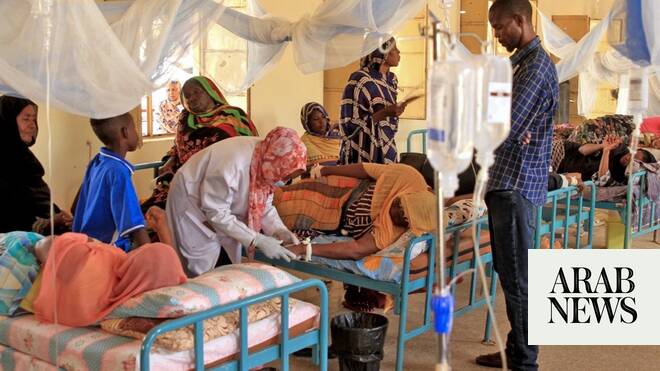
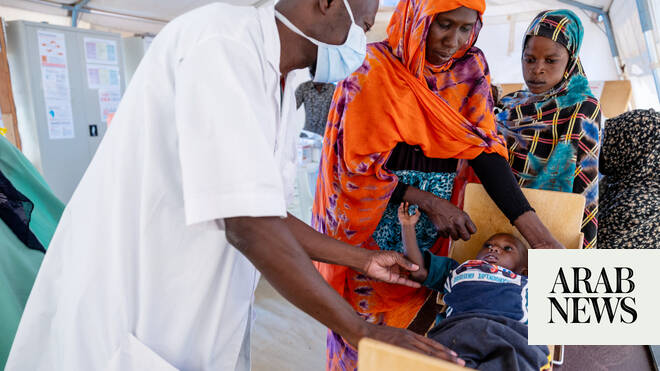
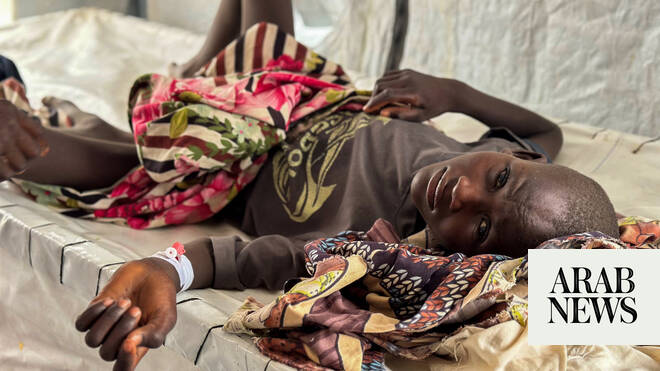
This unfolding tragedy not only undermines the past sense of normalcy but also erodes hope. The inability to care for the sick and vulnerable assaults the core of human dignity. Hospitals have been attacked, clinics looted and occupied, and health workers have either fled, been threatened, or paid with their lives. These are not just physical injuries — this is a psychological blow to a nation’s spirit.
Over the past two years, the war between the Sudanese Armed Forces and the Rapid Support Forces has turned critical portions of the health system into ghost towns. Almost 38 percent of health facilities have been rendered nonfunctional, and just 14 percent of hospitals still operate at full capacity, according to assessments by the World Health Organization’s HeRAMS monitoring program. Khartoum — once the heartbeat of Sudan’s health services, providing close to 70 percent of national care — has been particularly devastated. In many areas, medical facilities lie in ruins, with equipment destroyed or looted, and essential supply chains severed.