https://arab.news/8qvmf
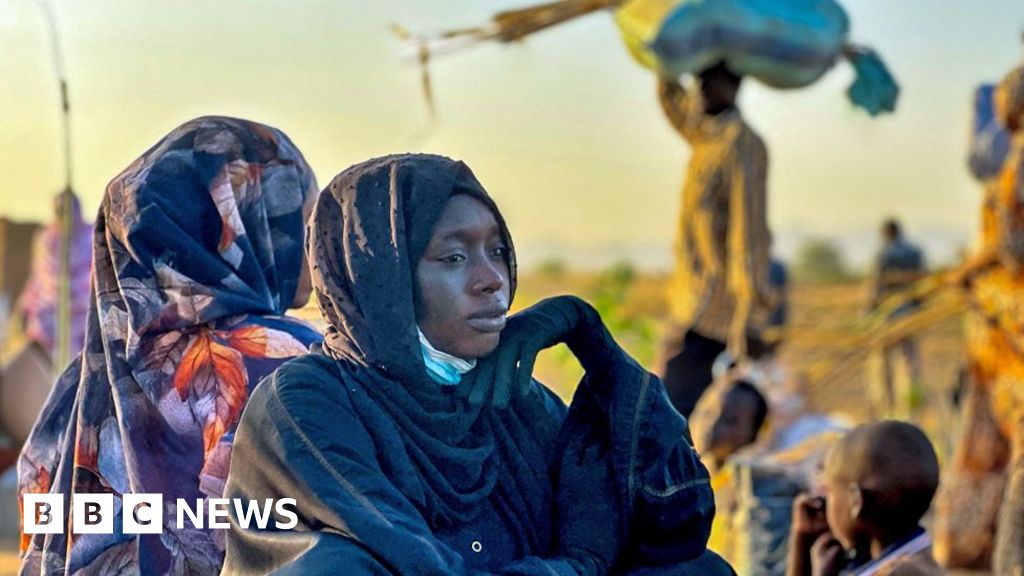
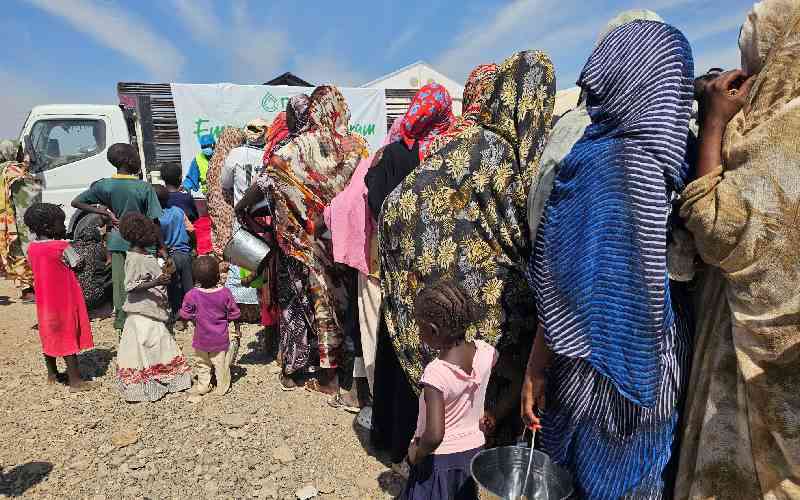
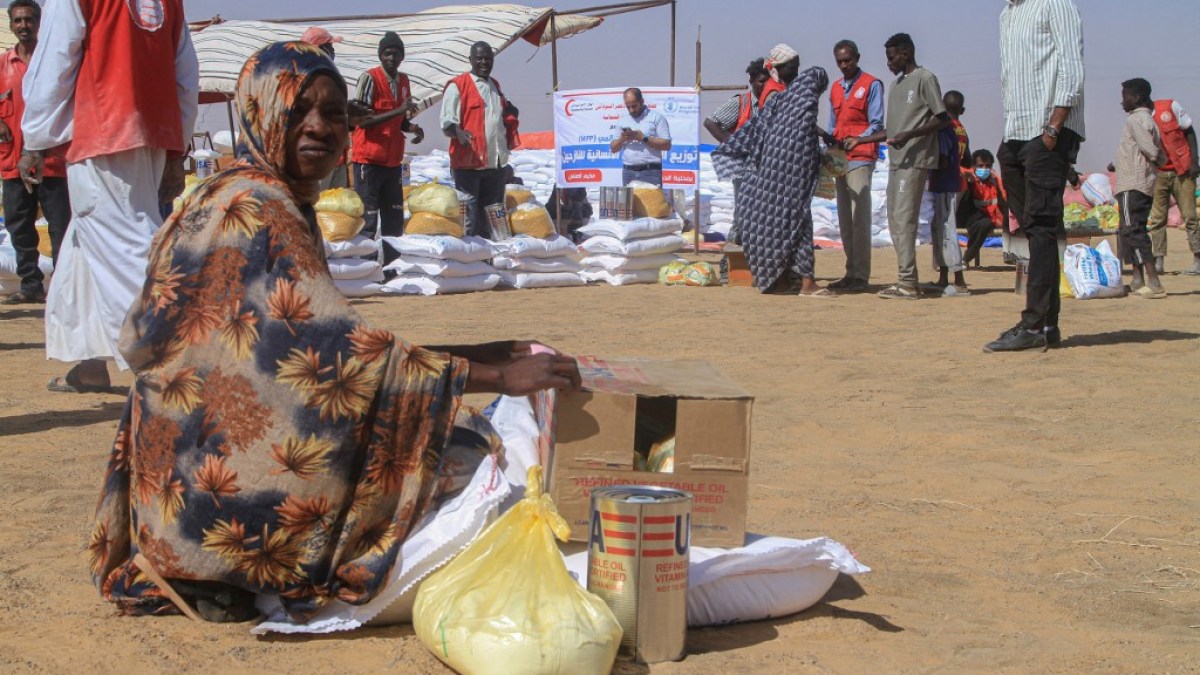
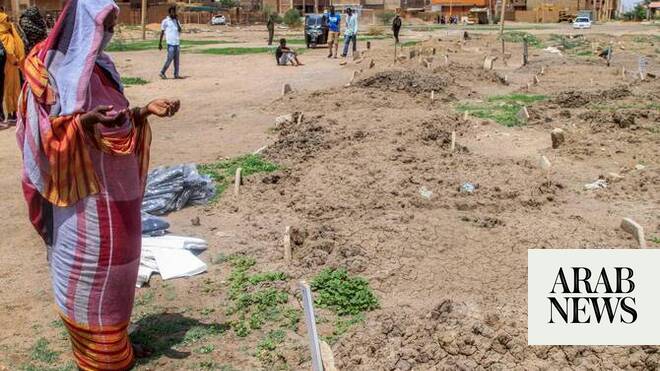
The war in Sudan is not an anomaly; it is a prototype. A conflict that has directly killed at least 150,000 people, displaced over 11 million, and pushed half the population into acute food insecurity sets the pace for a terrifying global trend. Each new headline, woeful statistic or offensive showcases a form of warfare for which the global community possesses no effective response.
This is no longer the clean, contained proxy warfare of the past half-century, but a messy, multi-layered struggle defined by the weaponization of everything from commercially available drones to global financial networks. It is playing out in a theater where state authority has collapsed, supplanted by rival military factions and a dense web of external actors, from regional middle powers to international arms networks whose competing interests fuel the fire without offering an exit.
This is the shape of wars to come.
First, the mechanics of violence have evolved. Armed drones, once limited to the periphery, now form the core of a callous strategy that blurs the lines between combat and collective punishment. Their function extends far beyond reconnaissance to the primary instruments of siege and terror we see today. For instance, a single drone strike on a displacement shelter at Dar Al-Arqam in El-Fasher killed 57 people, while another that struck the Saudi Maternal Teaching Hospital claimed over 70 lives.