A devastating ‘war of atrocities’ will continue as long as the United Arab Emirates and others back the belligerents
“B
loody unacceptable.” The UN’s top official in Sudan, Denise Brown, abandoned the language of diplomacy in addressing the failure to tackle a devastating three-year conflict which has been overshadowed by Ukraine, then Gaza, and now Iran. The humanitarian crisis has dominated discussions of Sudan, she argued: “How about focusing on finding a solution to end the war?”
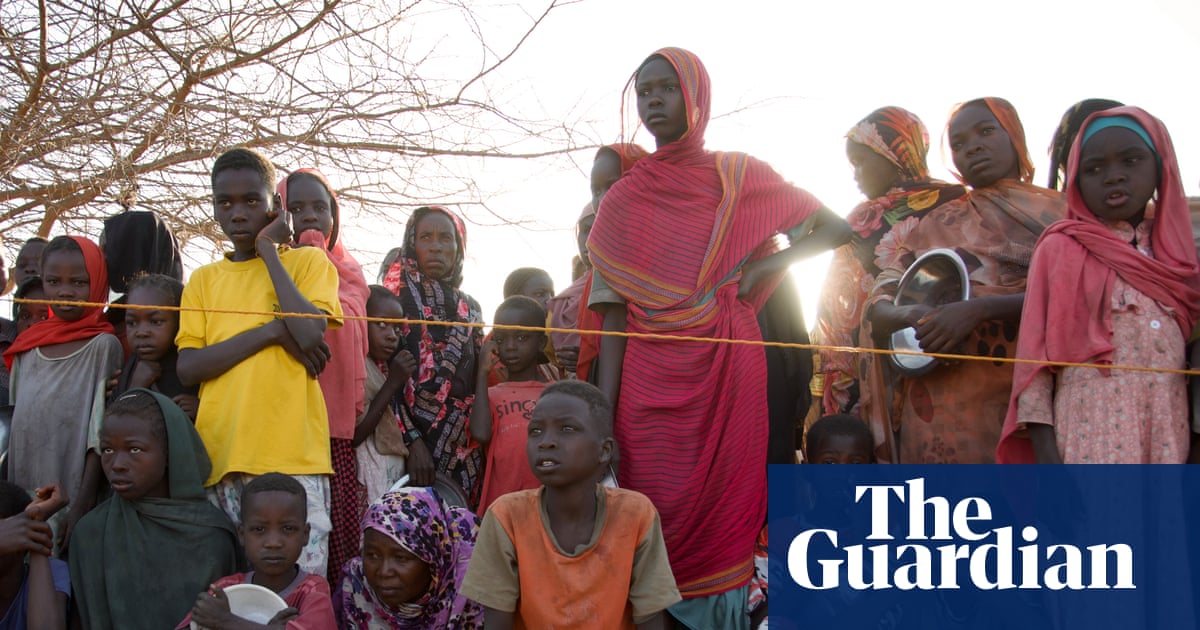
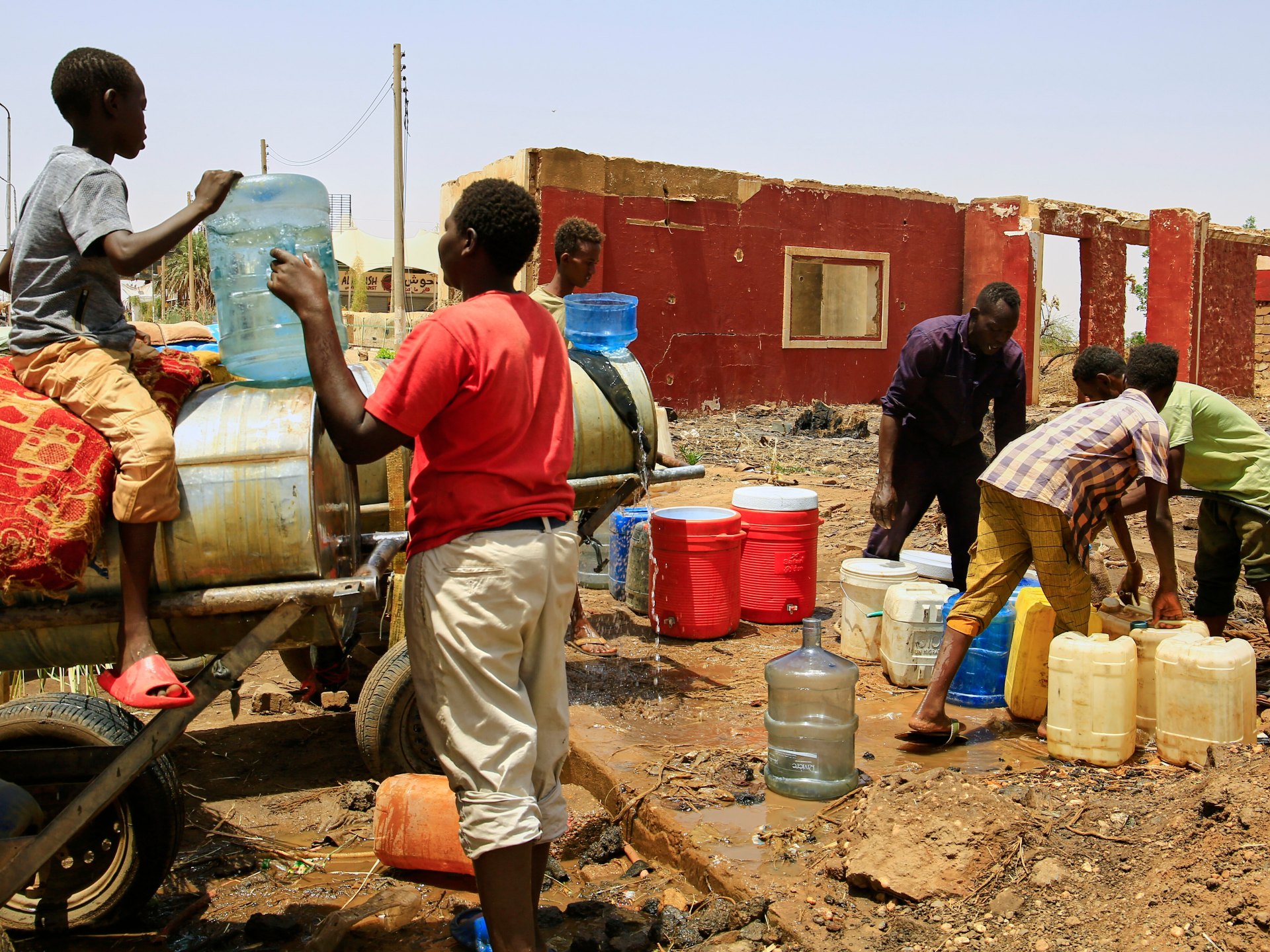
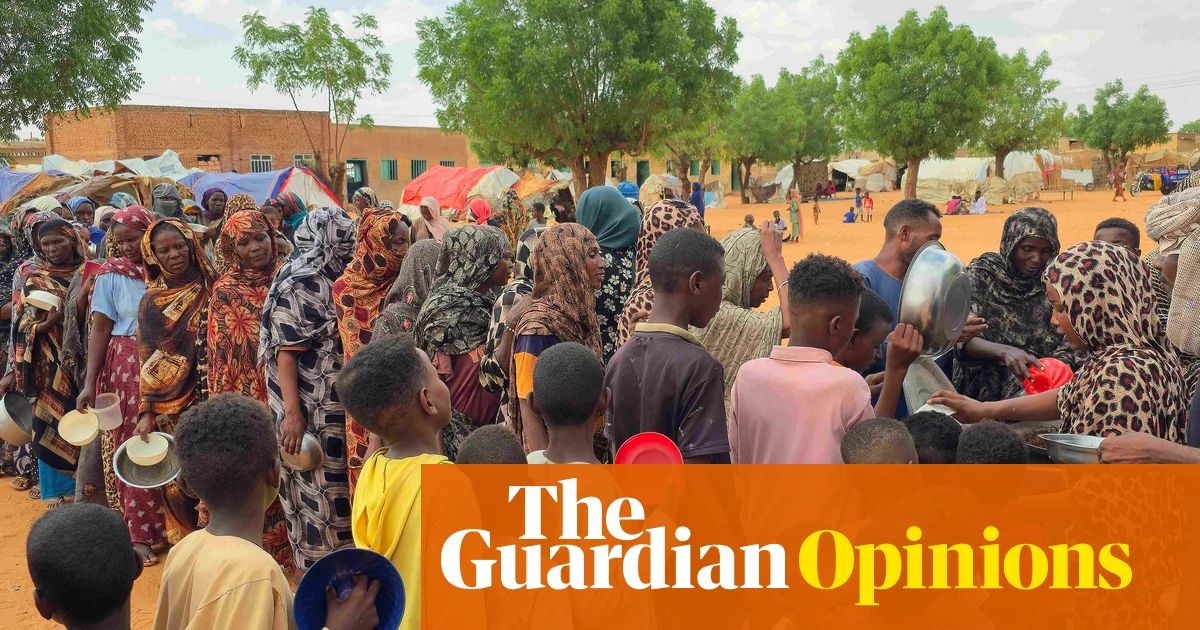
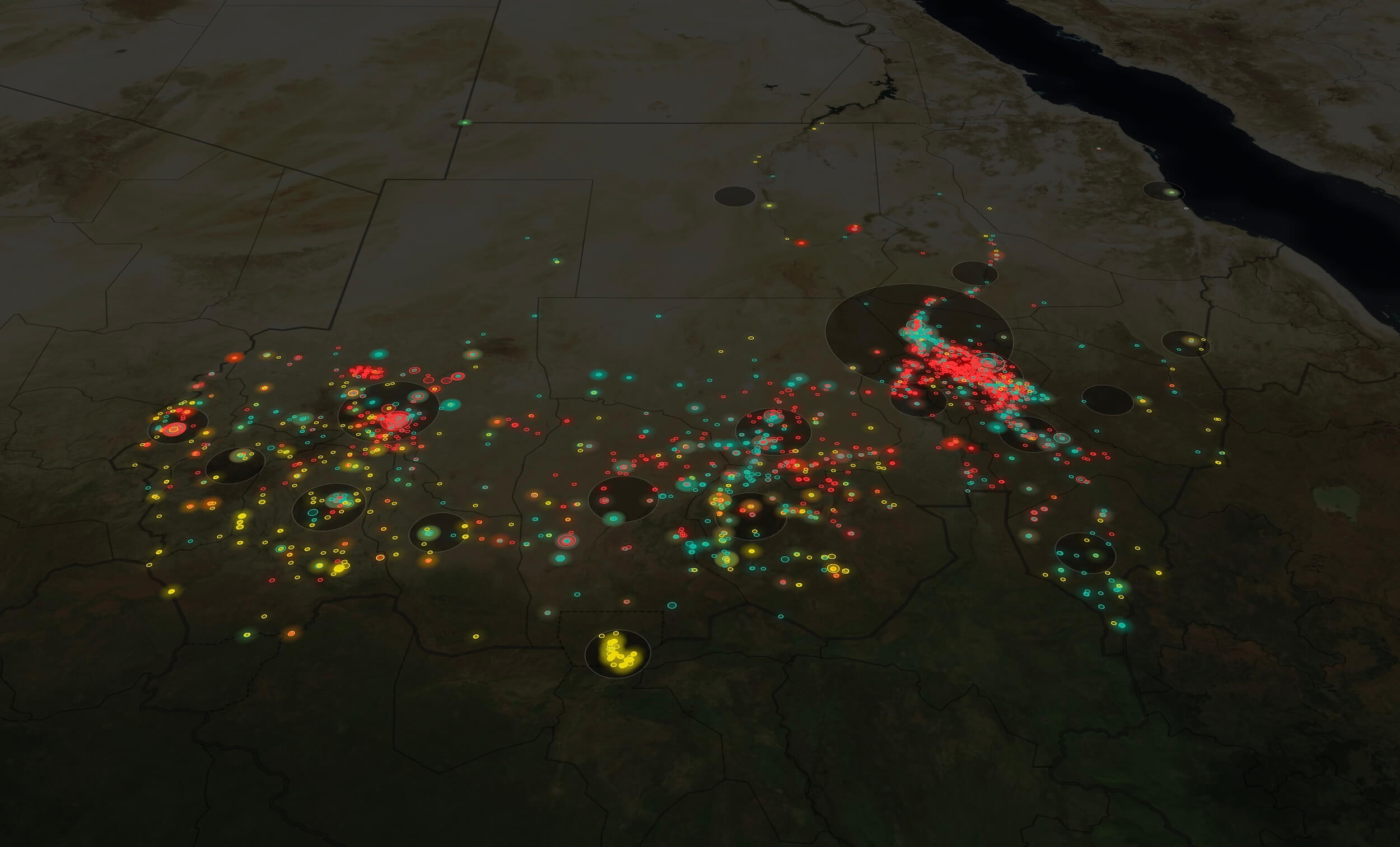
The international conference convened in Berlin on Wednesday is intended to inject a sense of urgency, as the conflict enters its fourth year. Since Sudan’s generals turned upon each other, having overthrown the civilian government, tens if not hundreds of thousands of people have been killed. Four million have fled abroad to other fragile nations, and millions more are displaced internally. More than half the population – approaching 30 million people – are acutely food insecure. Much of the capital, Khartoum, lies in ruins.
Far from burning out, the conflict has intensified and the two sides have hardened their positions. In the last year, the paramilitary Rapid Support Forces (RSF), under Gen Mohamed Hamdan Dagalo, have set up a rival government in the country’s west. Up to 10,000 people were massacred in the brutal siege and capture of the city of El Fasher in Darfur by the RSF and its allies, which a UN mission said bore “the hallmarks of genocide”.