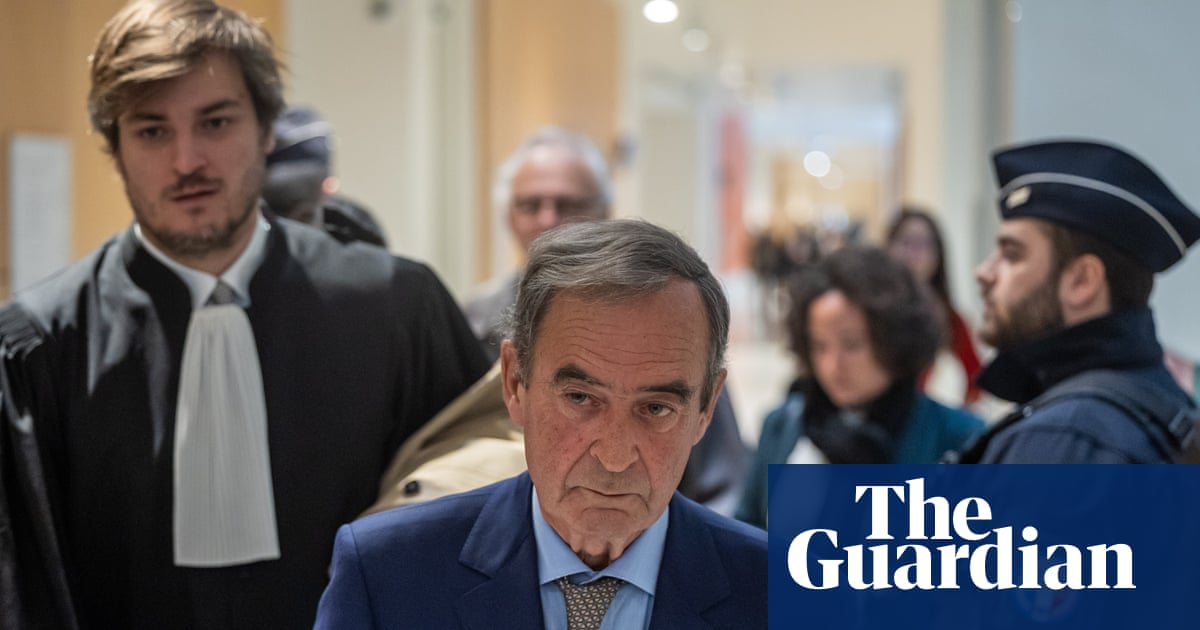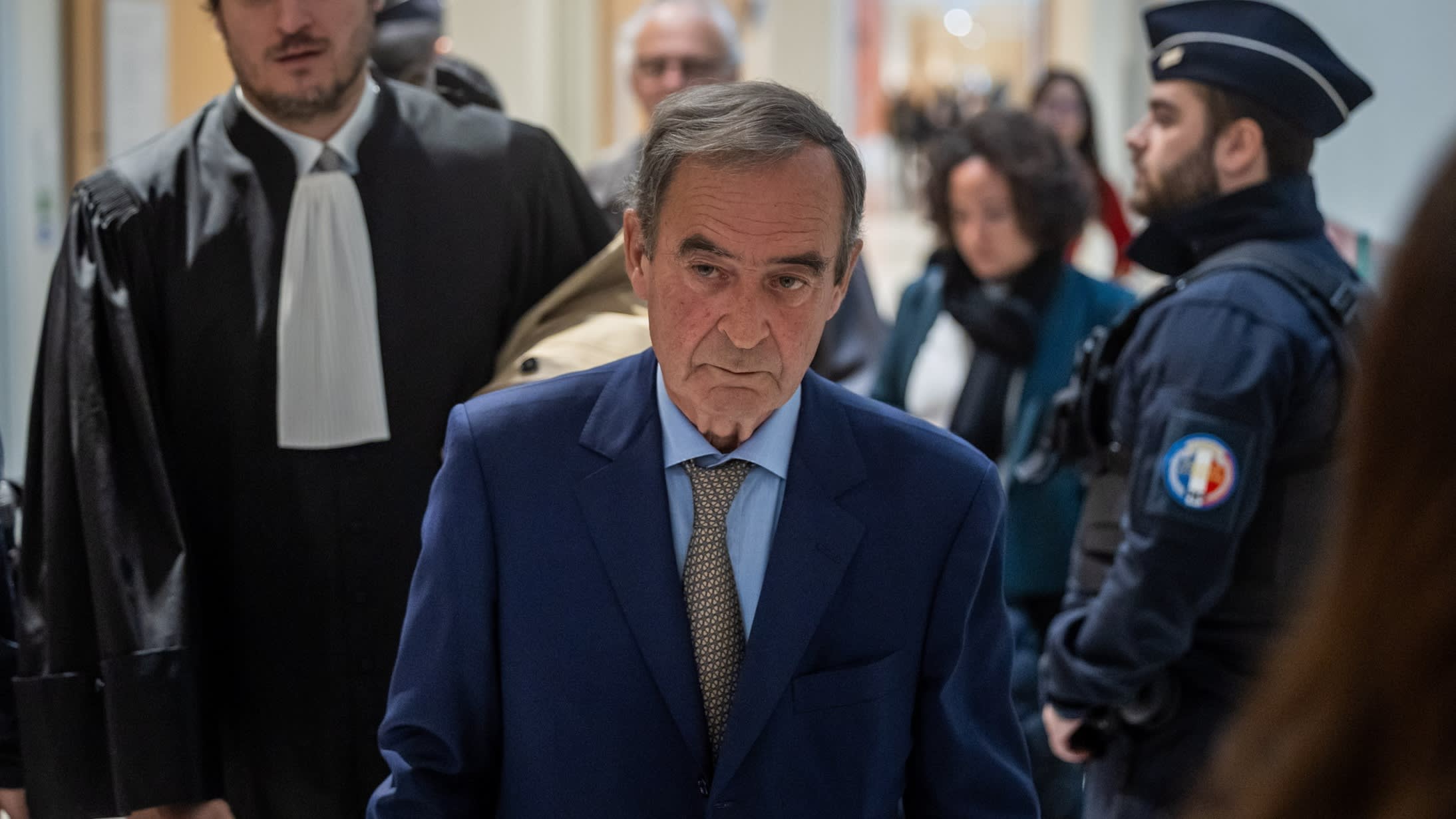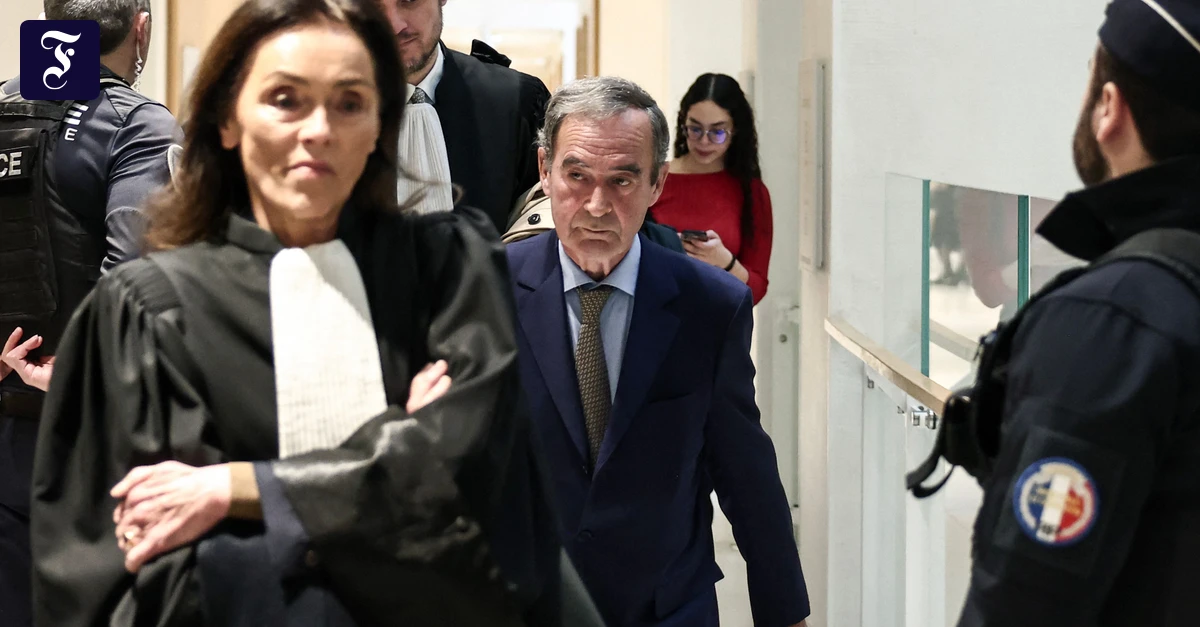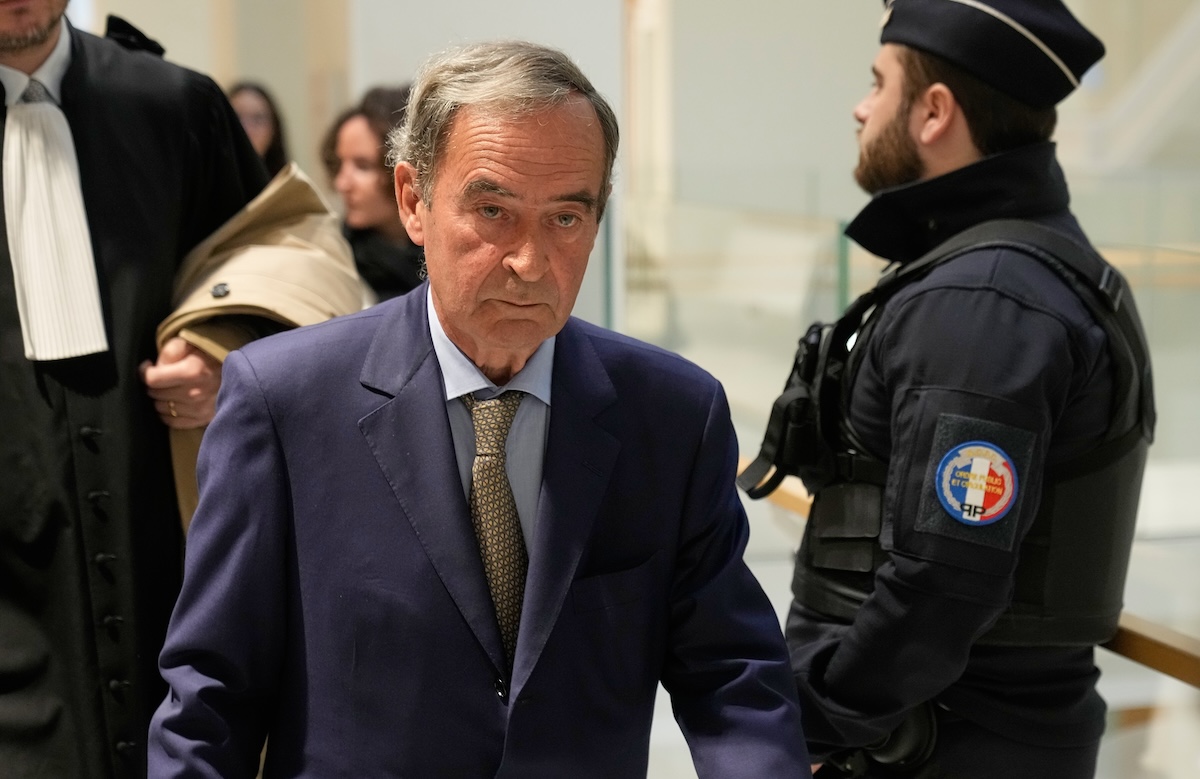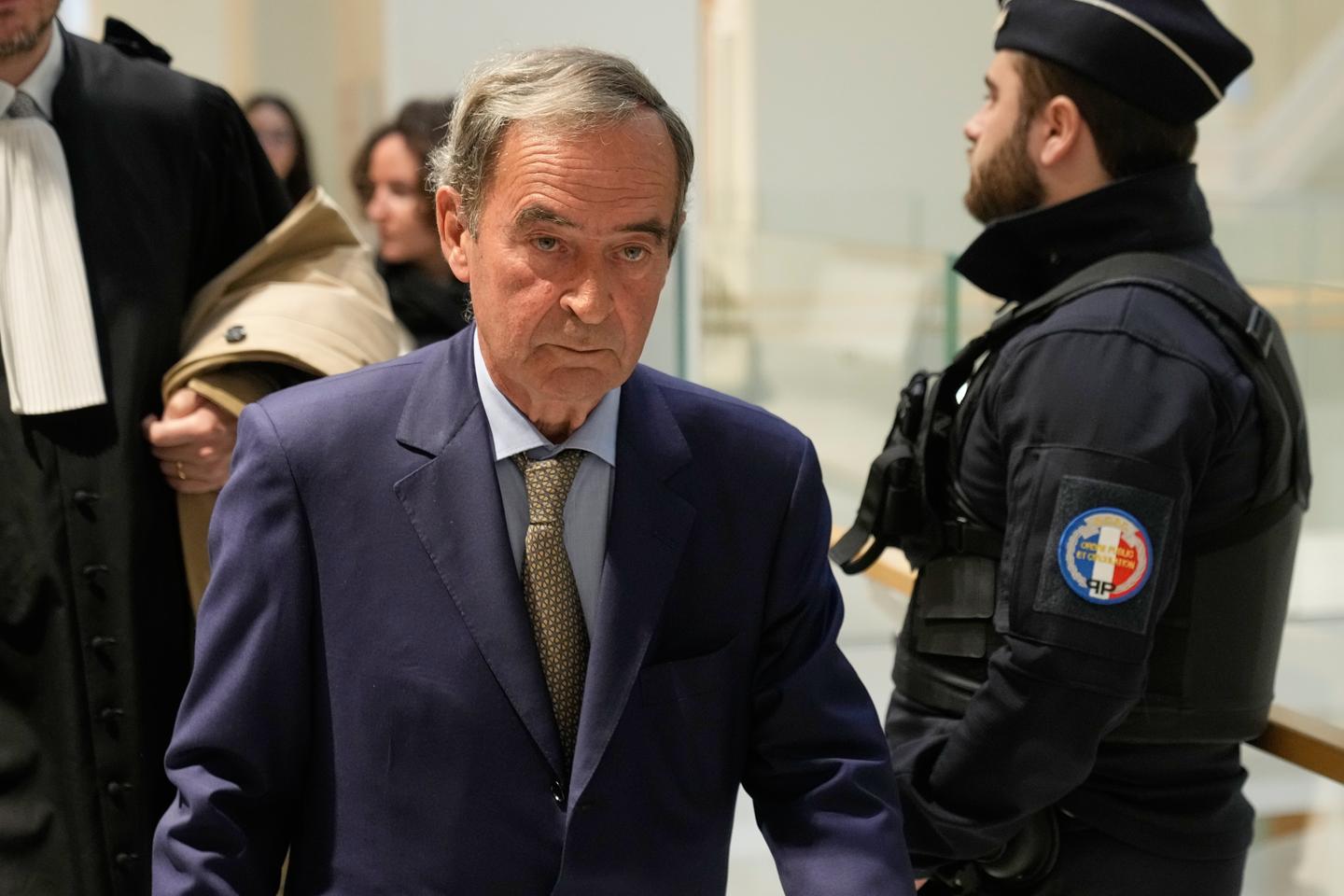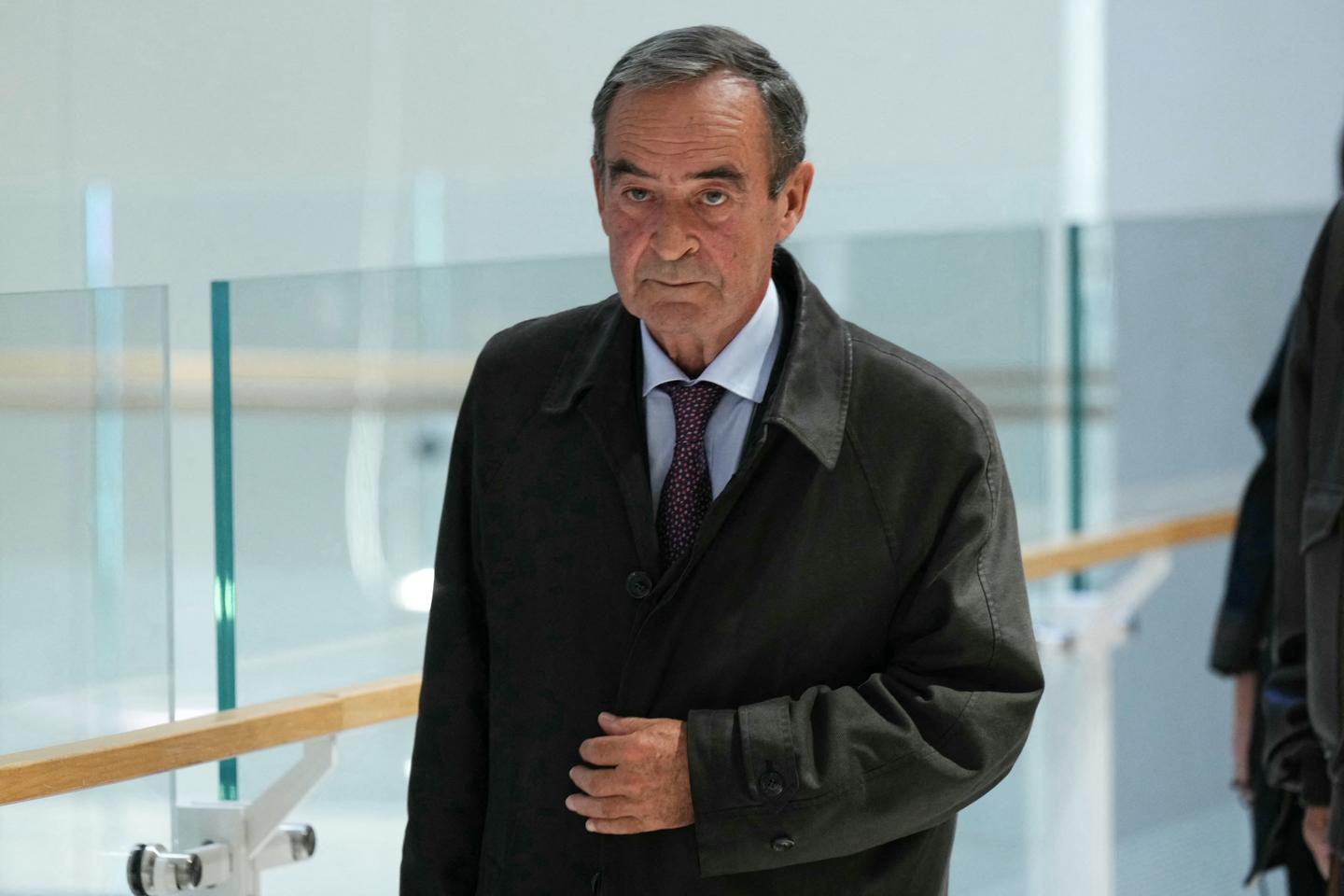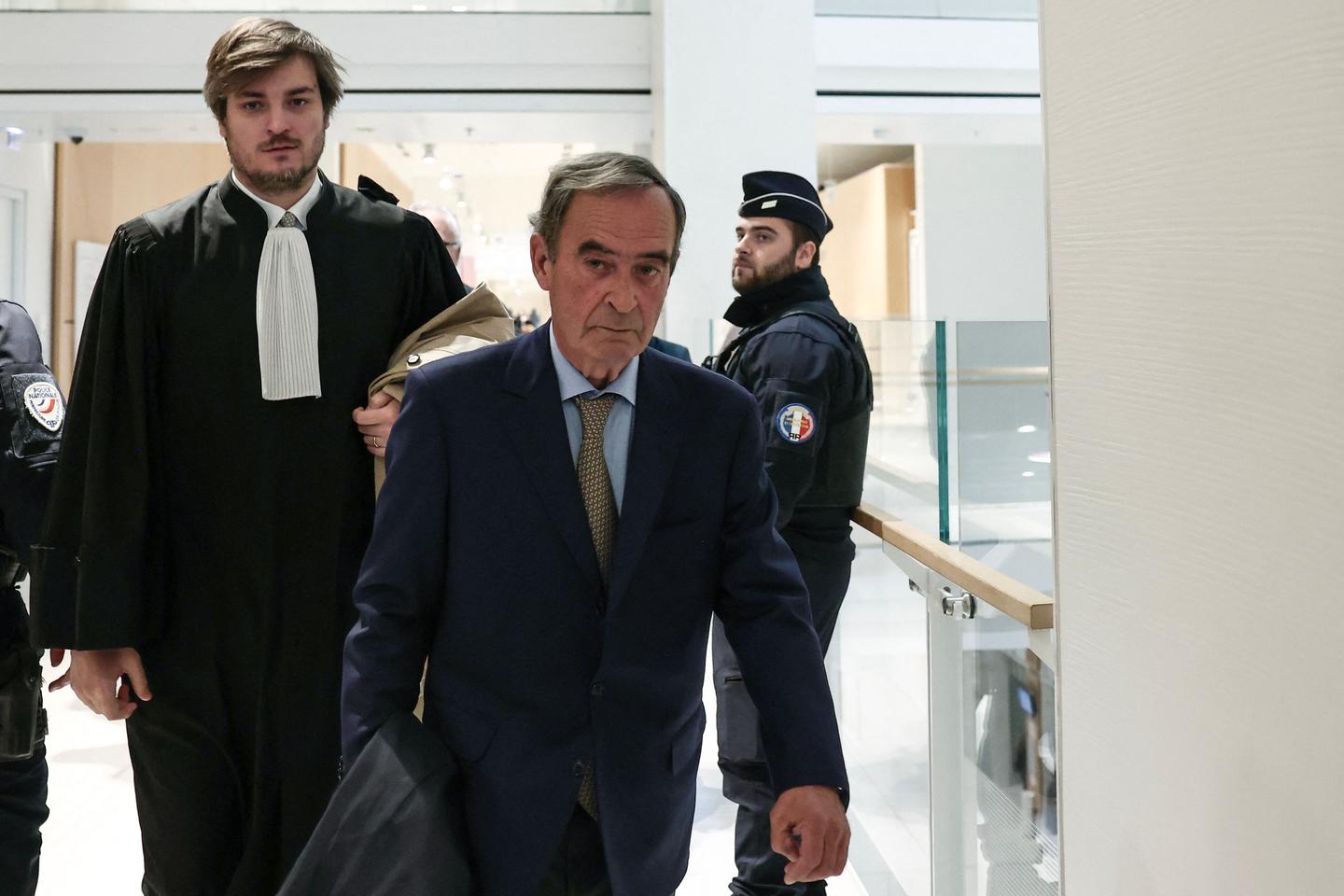
Former Lafarge CEO Bruno Lafont arrives at the Paris court, April 13, 2026. BEHROUZ MEHRI/AFP
This is a case of "extreme gravity" that "irreparably" harmed public order and the fundamental interests of the nation: an "organized, opaque and illegal" system of terrorism funding involving an "unprecedented" amount of €5.6 million; "cynical" management decisions; and defendants who "shirked" their responsibilities through "absurd" denials and "deceptive" arguments that, for some, bordered on "cowardice."
Subscribers only
Lafarge trial: A deep dive into how the cement giant made a pact with jihadists
The trial of the Lafarge group and eight of its former executives and employees, who face charges of paying money to various terrorist groups in Syria between 2013 and 2014 in order to keep a cement factory operating in the country, came to an end on Monday, April 13. Judge Isabelle Prévost-Desprez's verdict resounded painfully for nearly four hours as the ruling was read in the courtroom of the 16th chamber of the Paris criminal court.