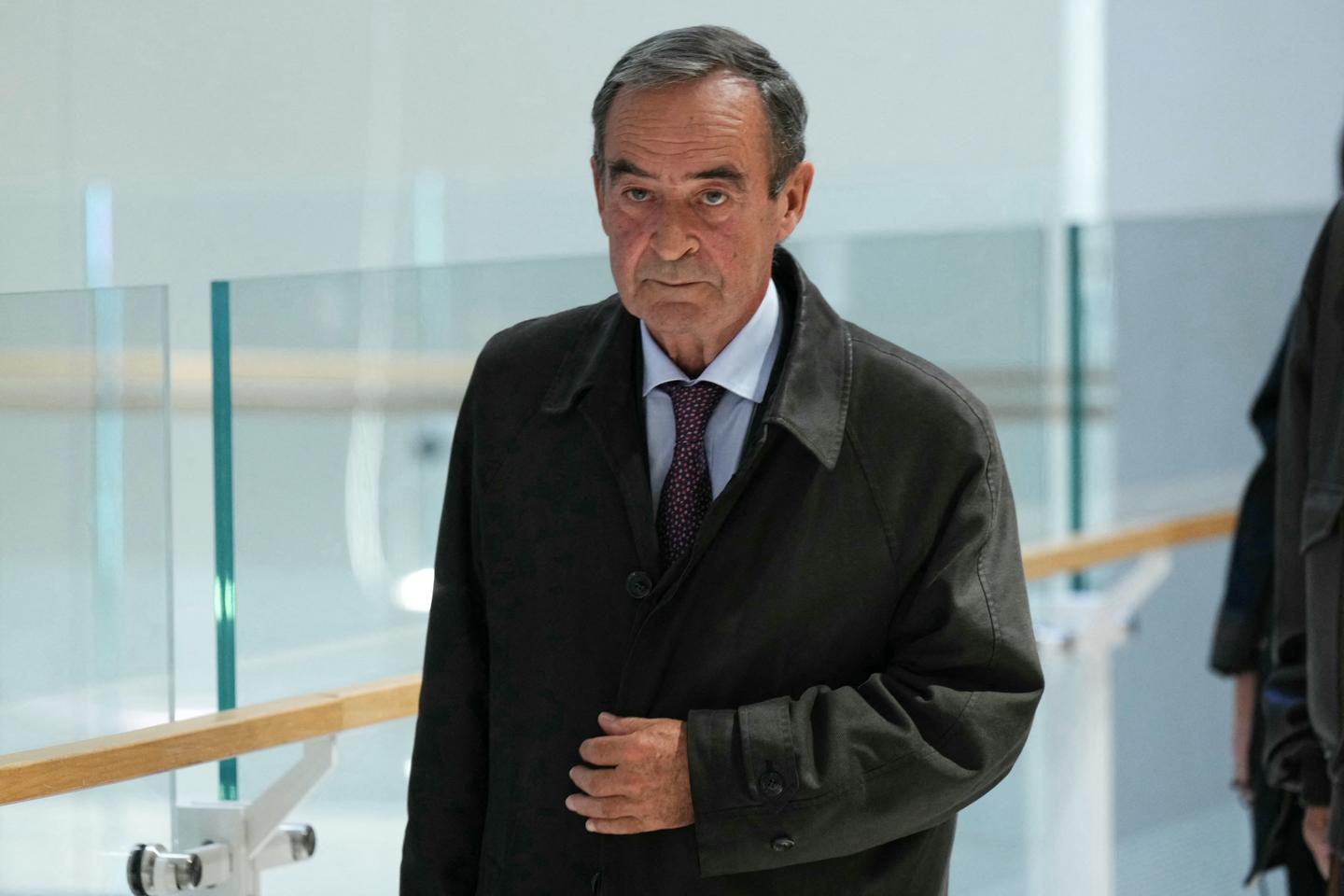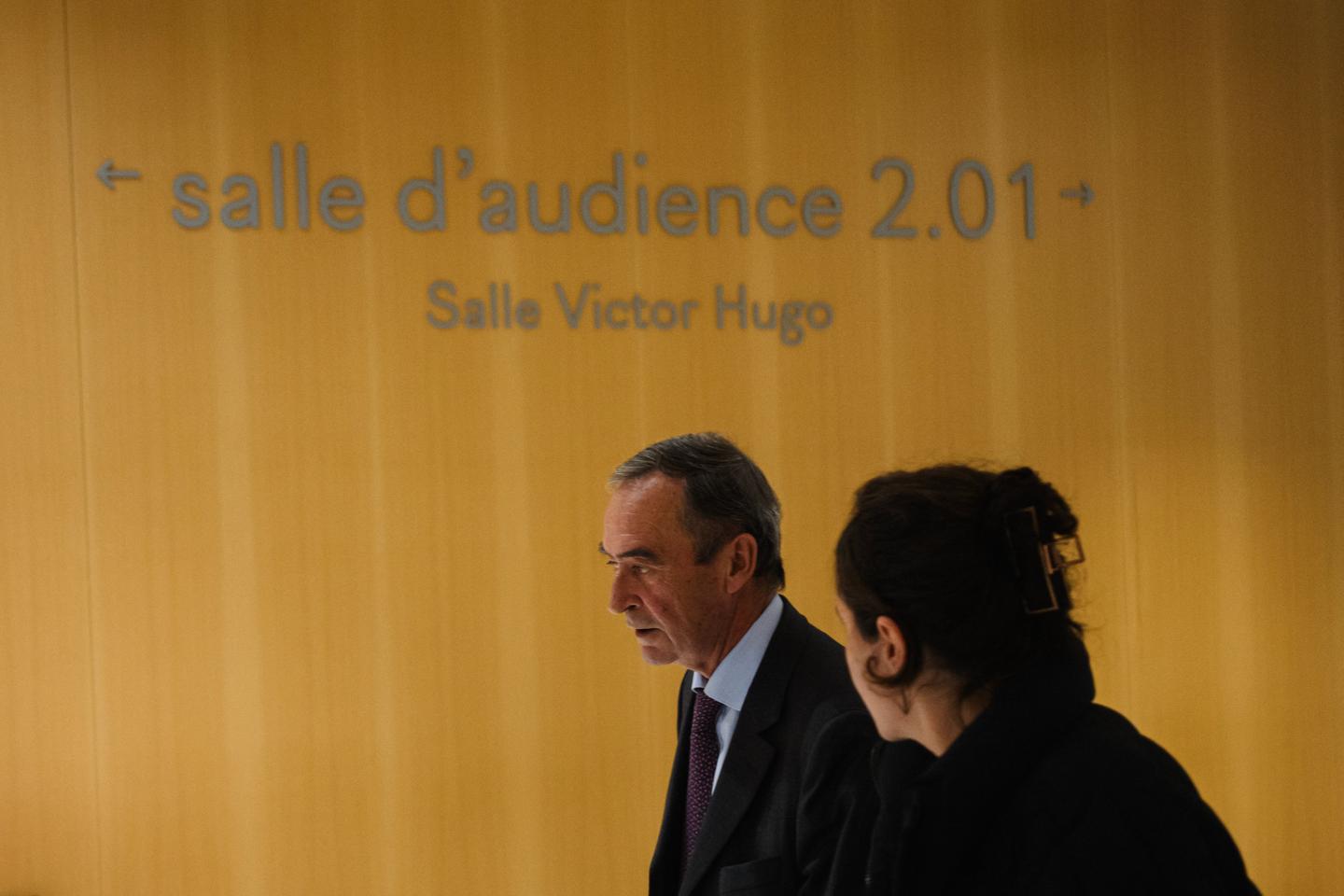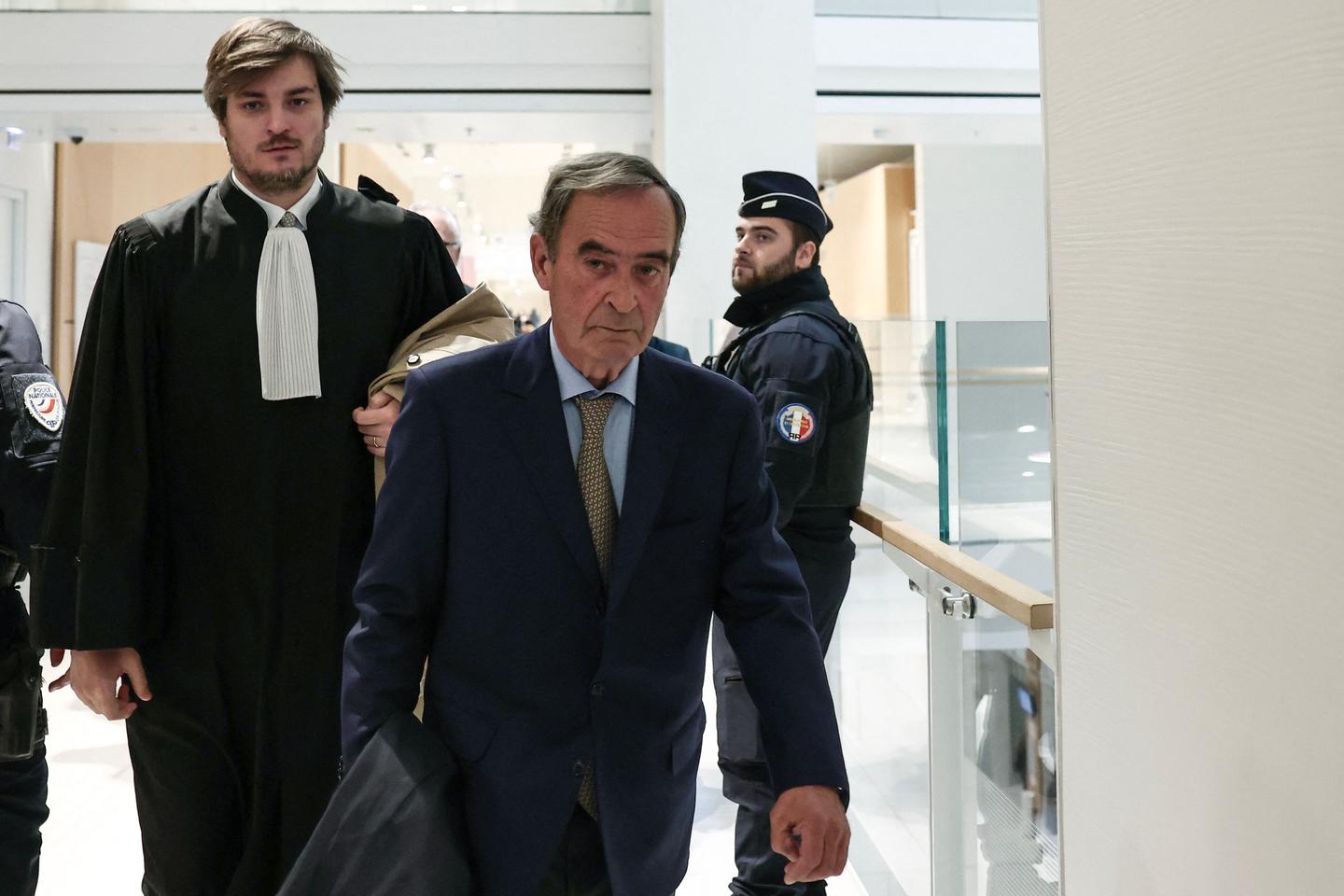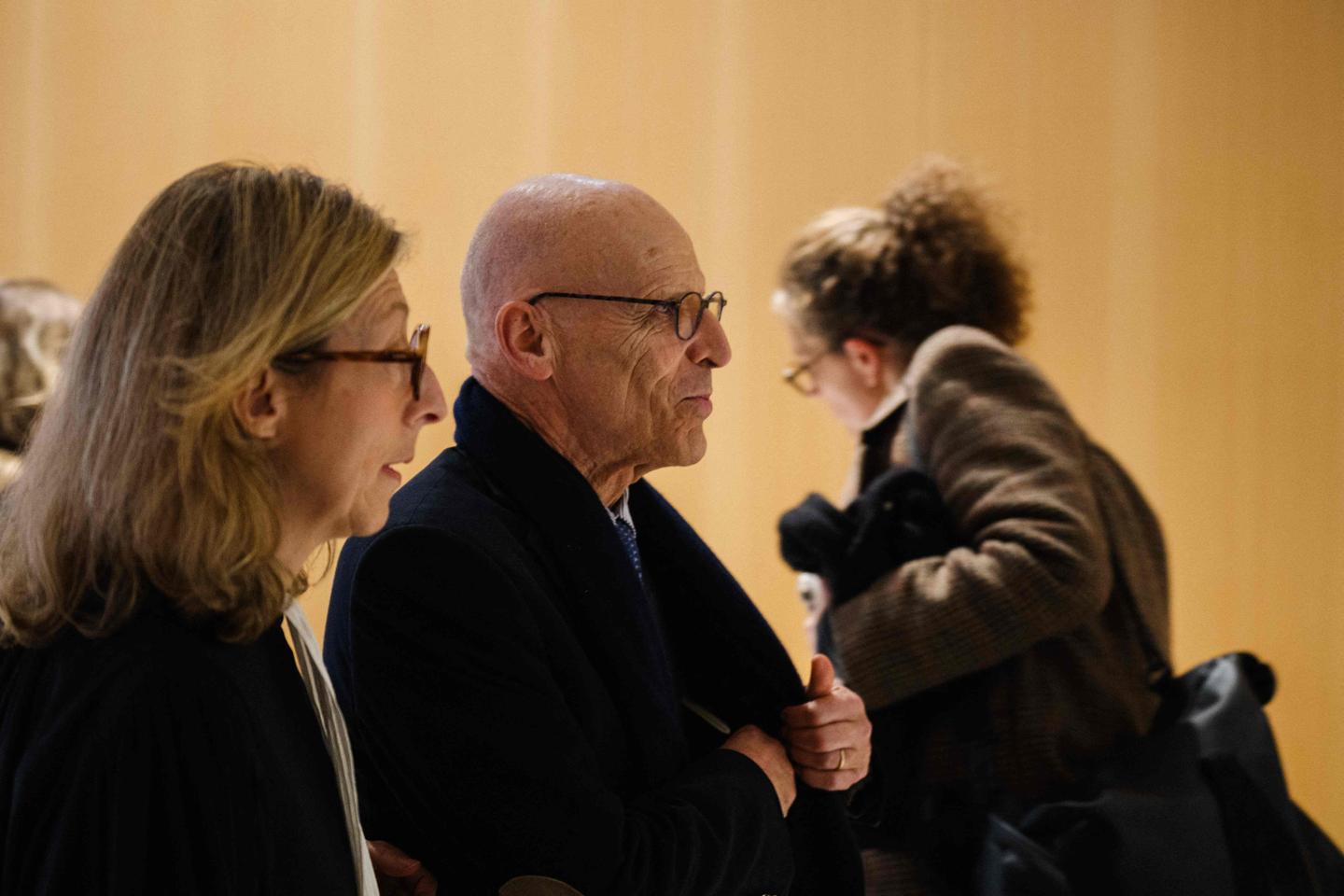
Christian Herrault, former deputy director general of operations at Lafarge responsible for Syria, and his lawyer, Solange Doumic, at the Paris court on November 4, 2025. DIMITAR DILKOFF/AFP
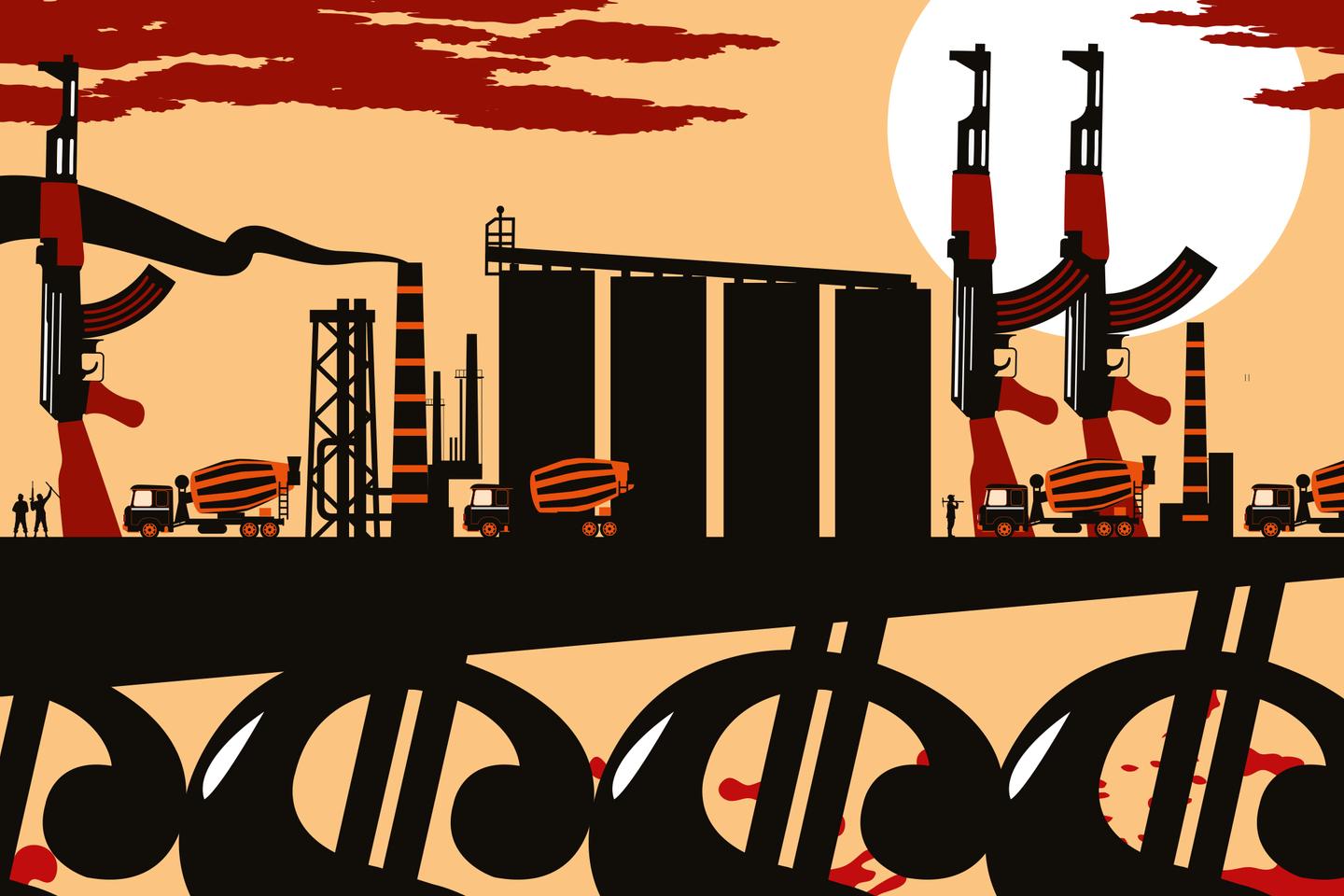
After an initial week spent examining company decision-making processes in the terrorism funding case brought against French cement firm Lafarge, the trial entered a new phase on Monday, November 24. This time, the Paris court zeroed in on the question at the crux of the high-profile trial: the "funding of terrorist groups" that resulted from that chain of decisions.
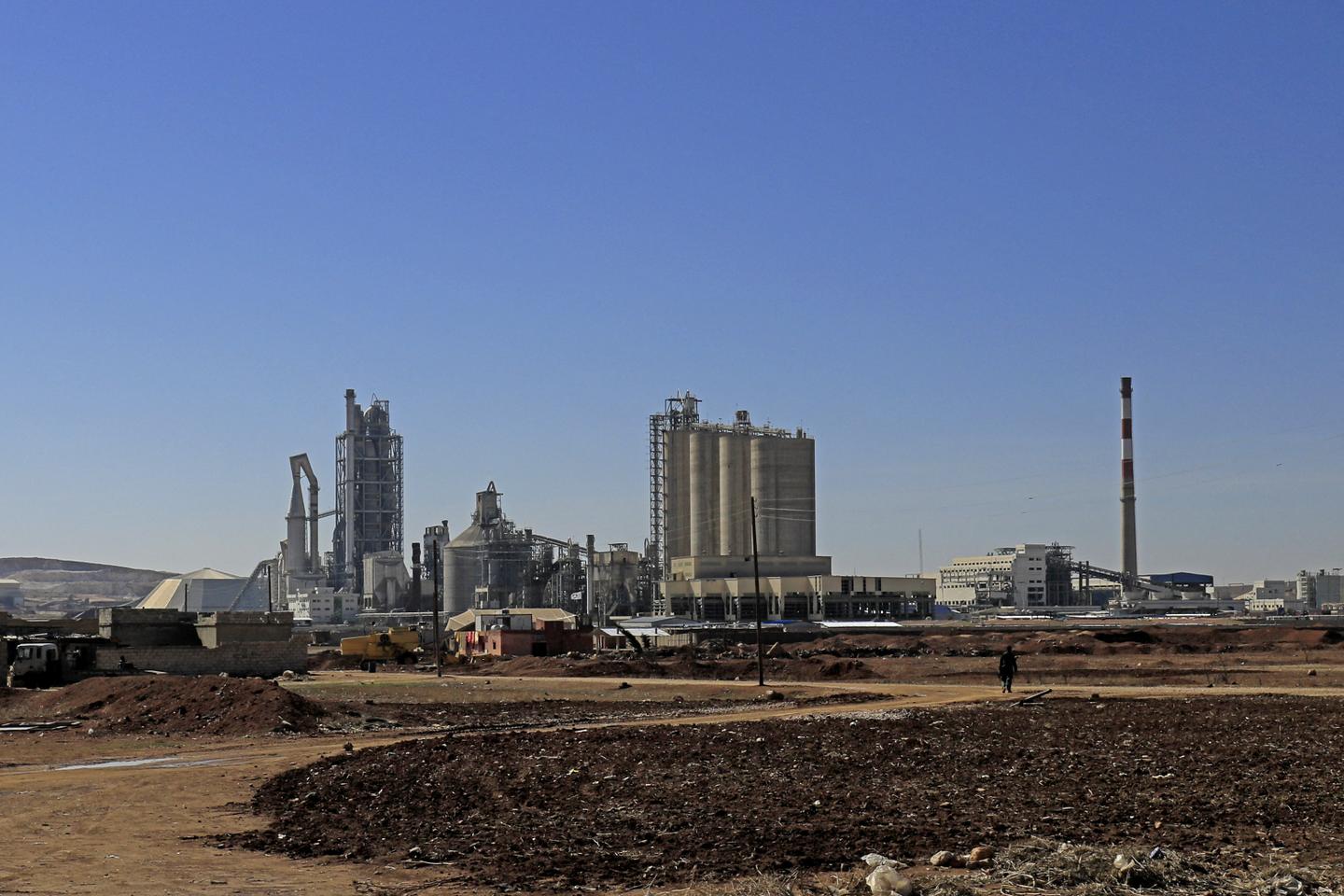
During the tense first week of hearings, former leaders of Lafarge and its Syrian subsidiary, Lafarge Cement Syria (LCS), tried to explain how the cement maker ended up as the last French company still operating in the country by the end of 2012 – more than a year into the brutal repression launched by now-deposed president Bashar al-Assad. "There was a conviction that the war would not last," said Bruno Pescheux, the former director of the Jalabiya cement plant, on Friday. "The crisis was like a tunnel, and everyone kept telling us we would see the light at the end of it. But the light never came."
Subscribers only
Lafarge terrorism financing trial: Bruno Lafont, the CEO who 'didn't ask questions'