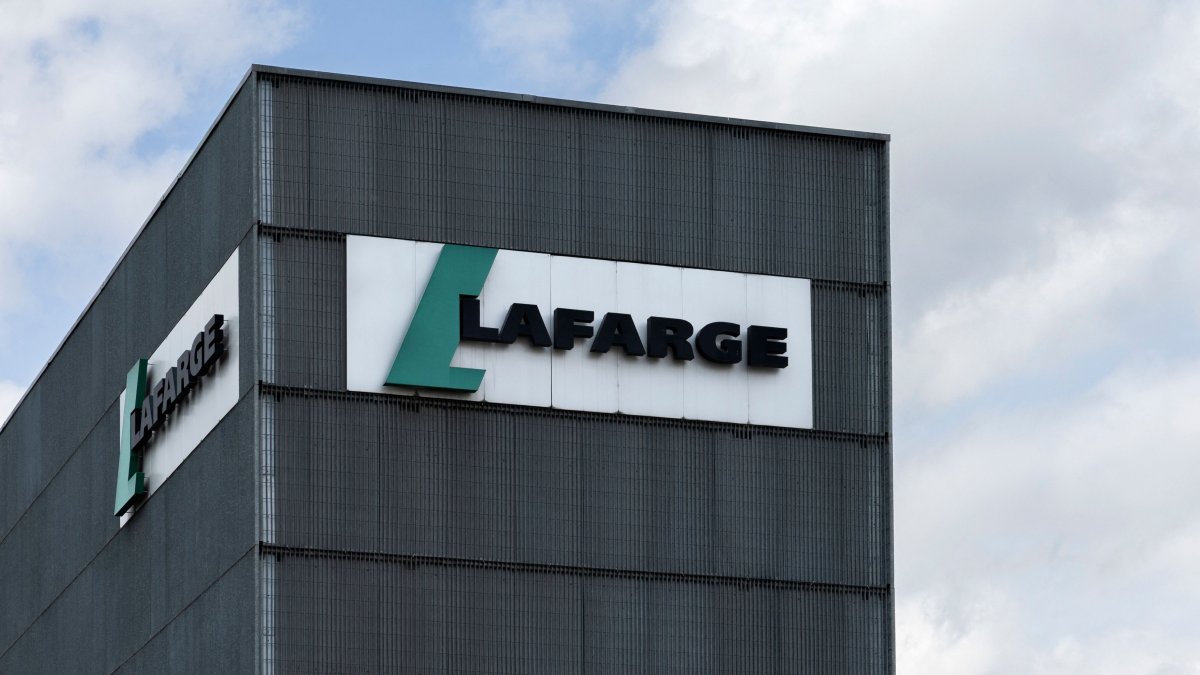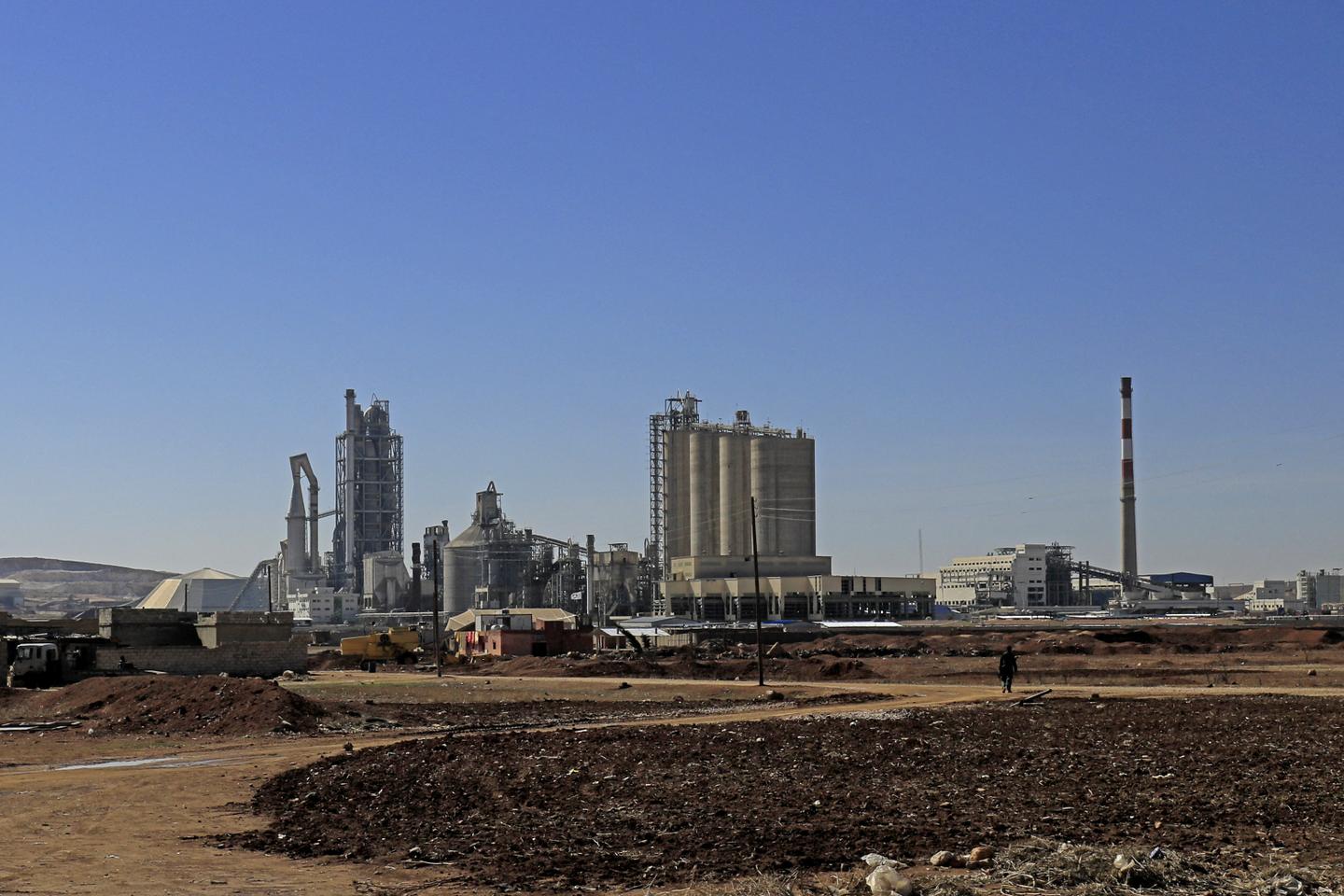
The Lafarge Cement Syria plant, near Jalabiya, Syria, on February 19, 2018. DELIL SOULEIMAN/AFP
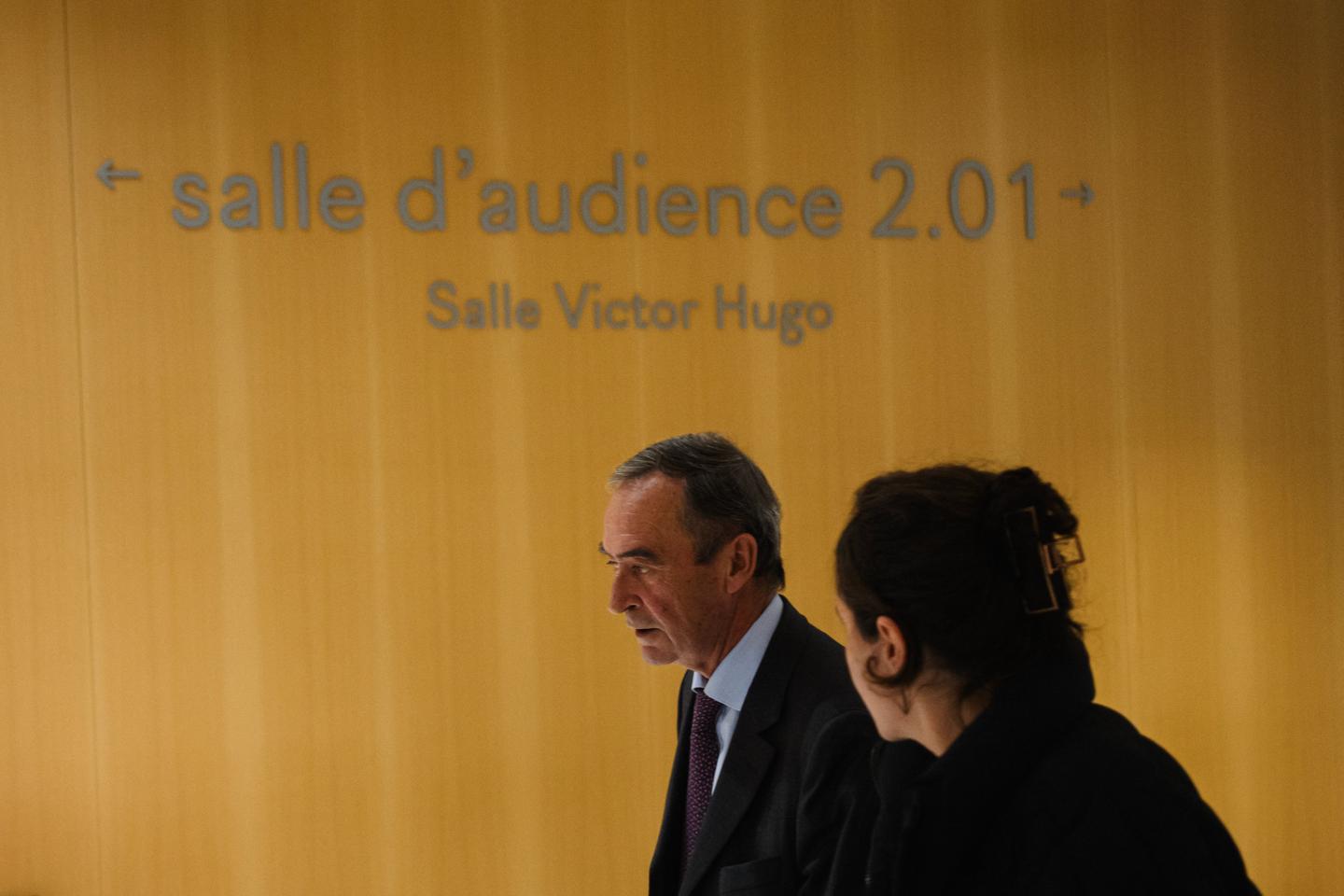
Eight and a half years after a judicial investigation was launched into the French cement maker Lafarge's activities in Syria, the first trial stemming from the sprawling inquiry is set to open on Tuesday, November 4, at the Paris criminal court.
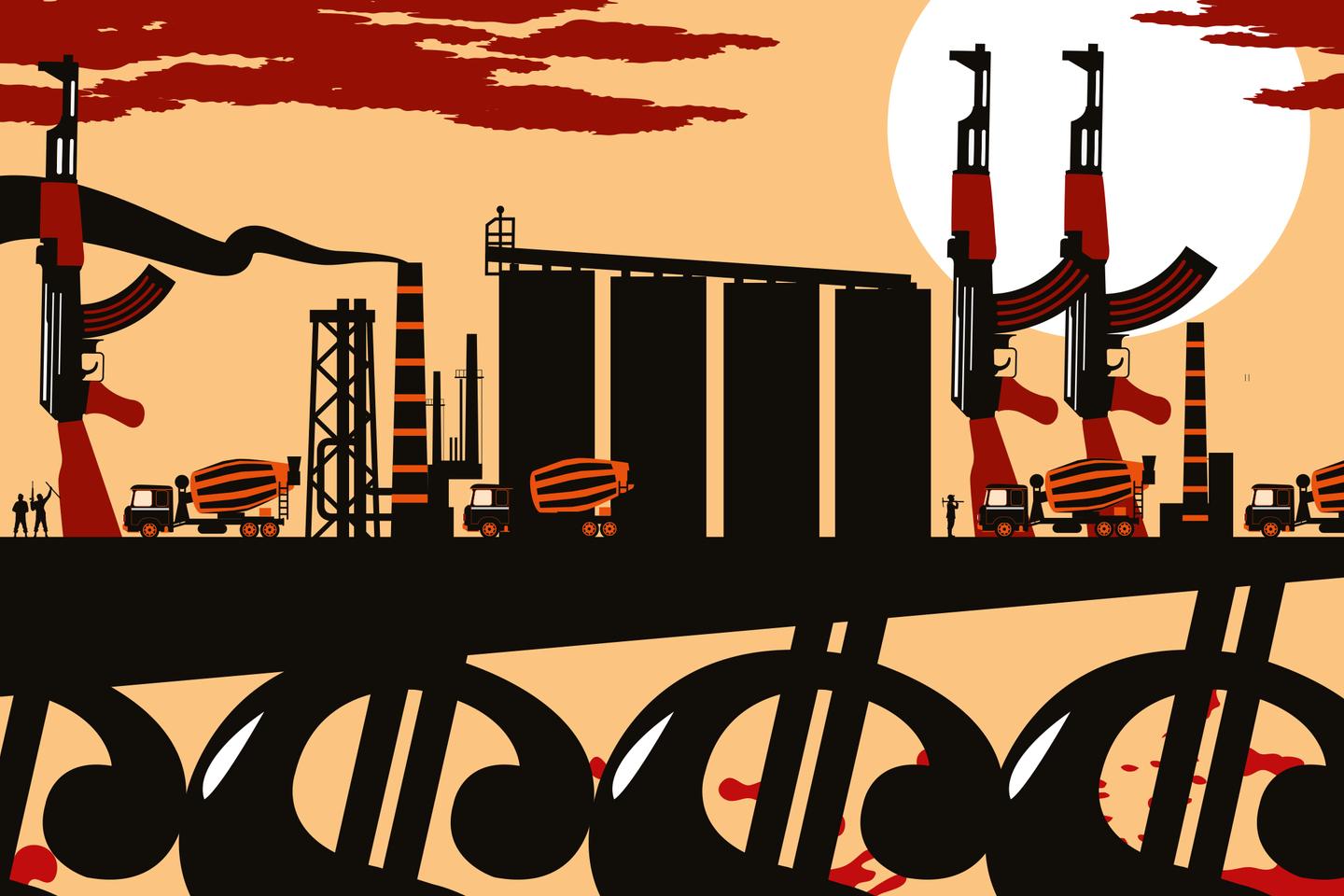
The accusations against Lafarge are damning: The company stands accused of having made financial arrangements with jihadist groups that were tearing Syria asunder between 2012 and September 2014, solely to keep one of its plants running near Jalabiya, in the north of the country.
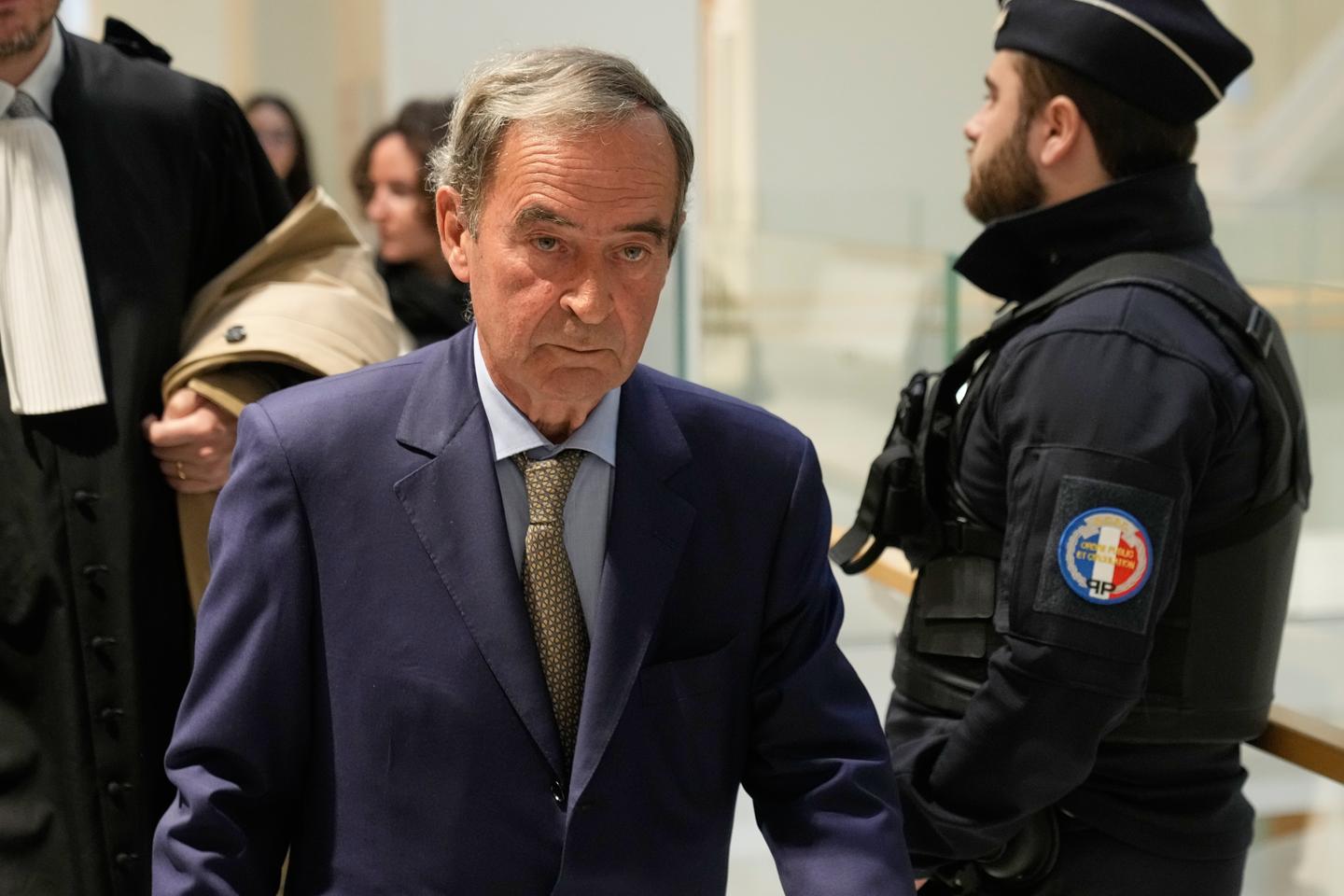
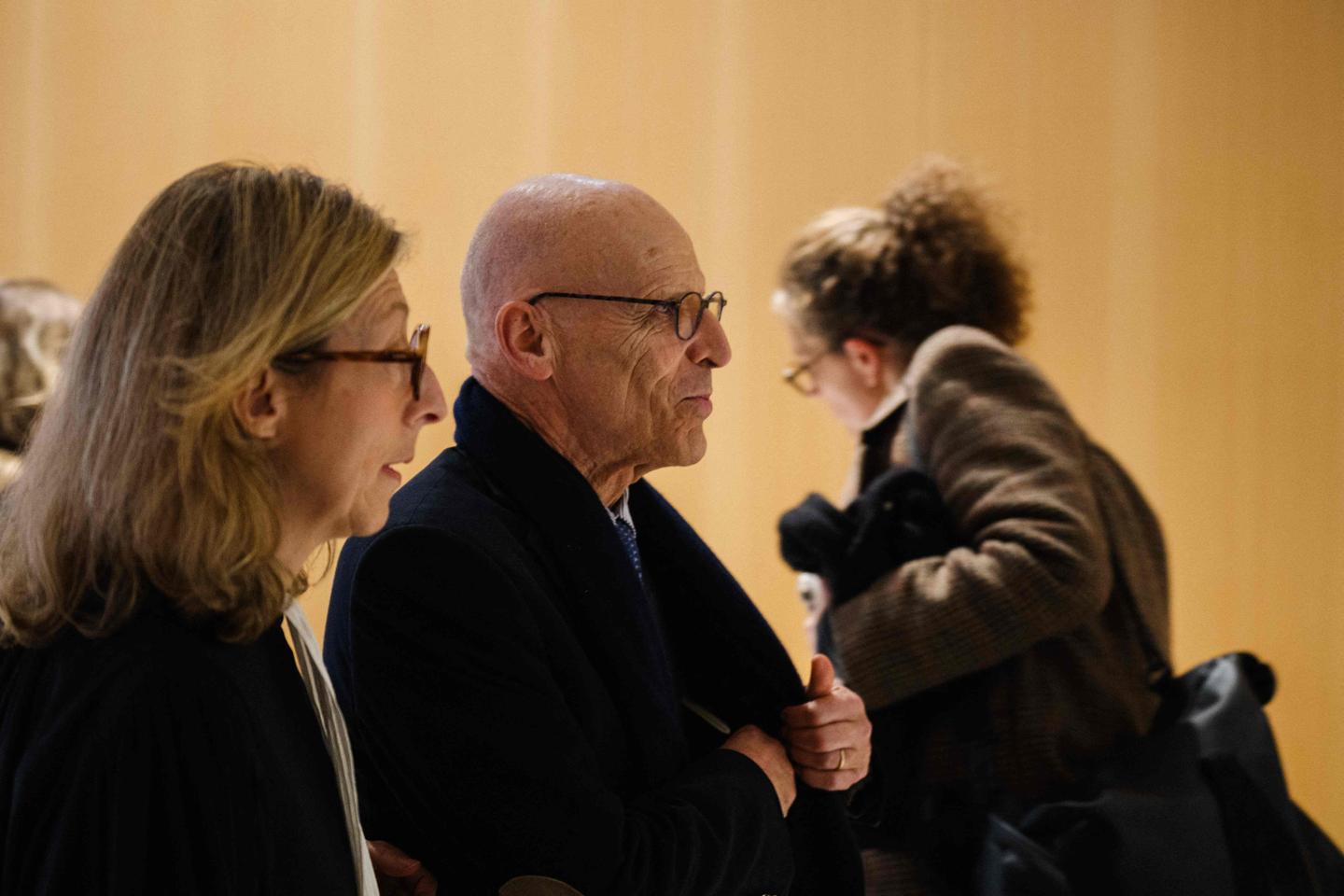
Nine defendants are being tried for "funding terrorism" and, for some, also for a customs offense of "failing to comply with international financial sanctions." First and foremost among the defendants is a corporate entity: Lafarge SA, which became a subsidiary of the LafargeHolcim group in 2015 after its acquisition by the Swiss cement giant Holcim. The other eight are individuals, including several former Lafarge executives and managers of its Syrian subsidiary, Lafarge Cement Syria (LCS).
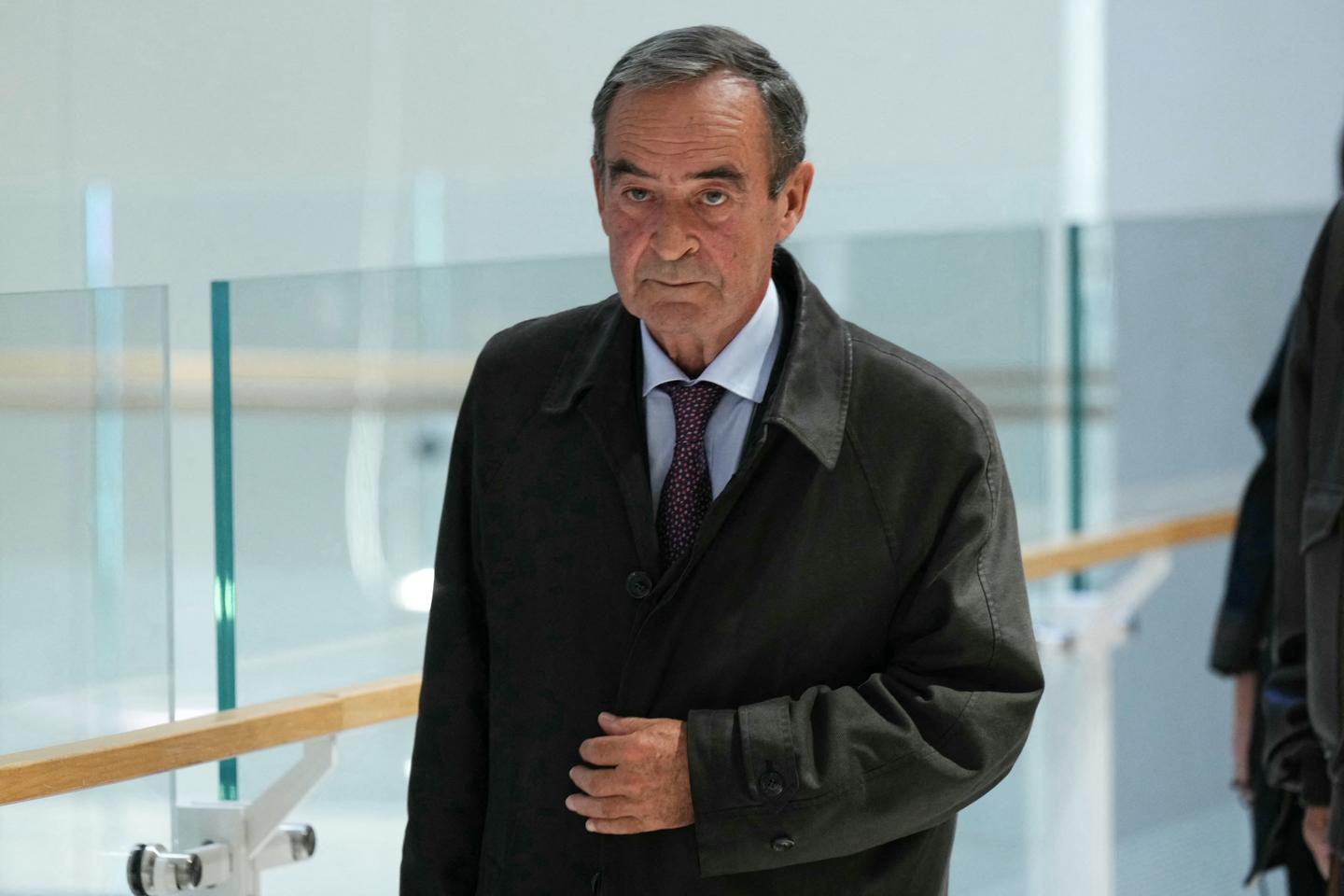
Among the defendants are former Lafarge CEO Bruno Lafont; Christian Herrault, deputy managing director of operations for Syria; two successive LCS plant managers, Bruno Pescheux and Frédéric Jolibois; and two of the plant's security chiefs, Jacob Waerness, a Norwegian, and Ahmad Jaloudi, a Jordanian national. Two men who operated as intermediaries between the cement company and armed groups are also on trial: Syrian-Canadian dual national Amro Taleb and Firas Tlass, a Syrian man. Tlass, who is under an international arrest warrant, will be tried in absentia.