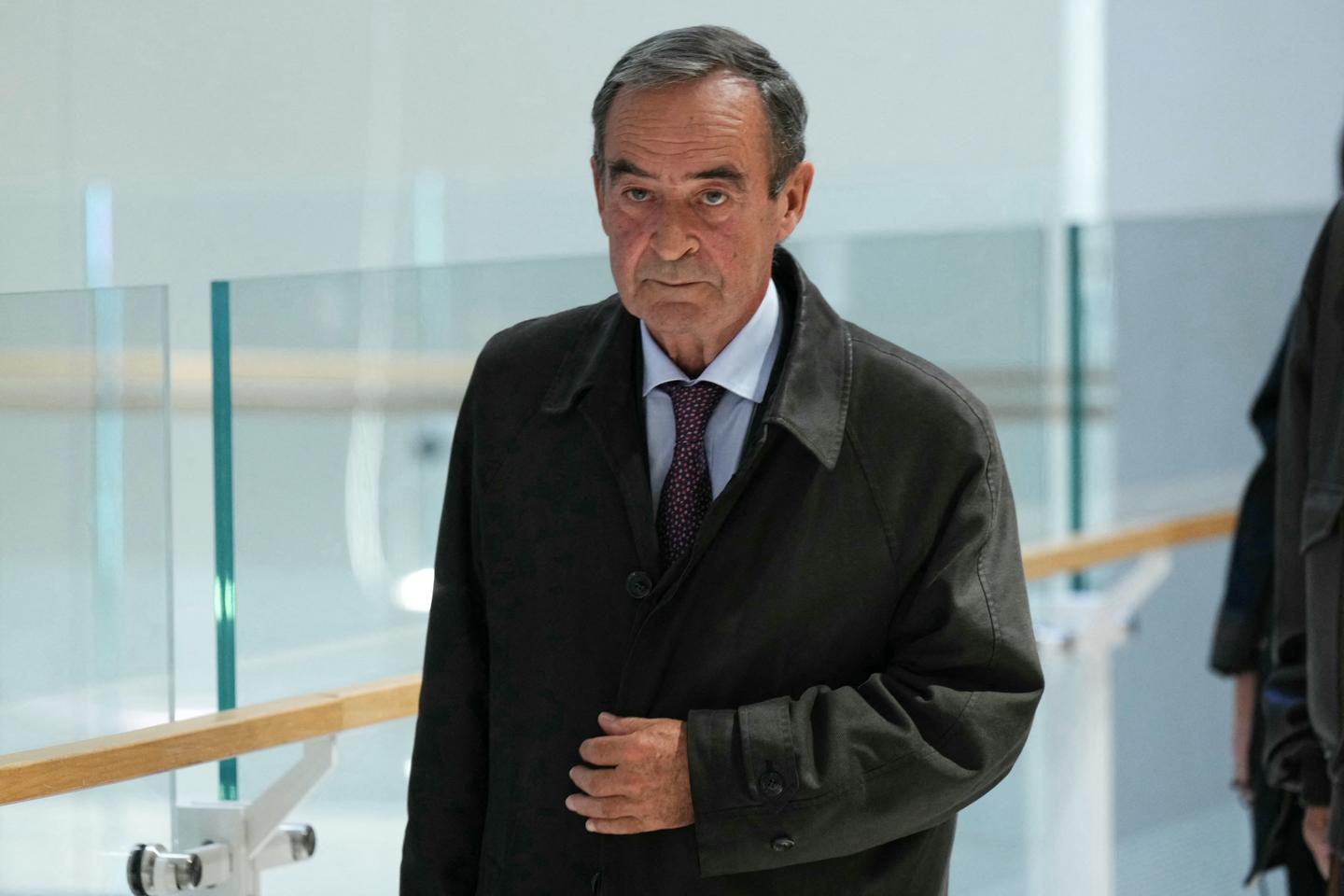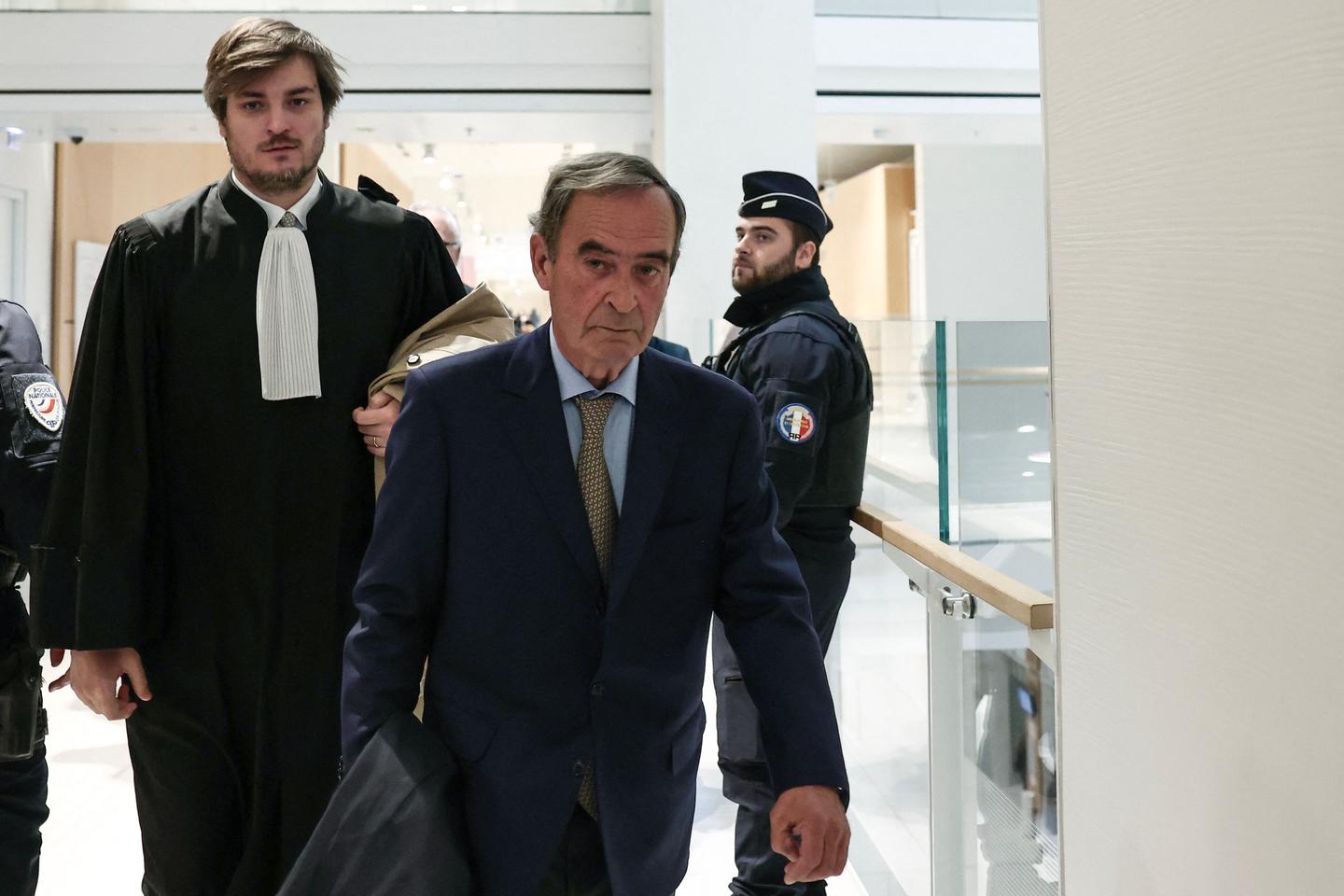
Former Lafarge CEO Bruno Lafont during the first day of the cement company's trial for allegedly funding terrorism in Syria, at the Paris courthouse, November 4, 2025. DIMITAR DILKOFF / AFP
After three final days focused on defense arguments, the proceedings in the Lafarge trial for terrorism financing concluded on Friday, December 19, before the Paris criminal court. While awaiting the verdict, scheduled for April 13, 2026, attorneys offered a provisional conclusion to four weeks of particularly arduous debate, during which several participants in the trial admitted to sometimes losing their way in the complexity of the case.
To this already intricate case, the defense attorneys who took turns at the bar over three days sought to add further shades of gray, nuance and, in a word, doubt, making the task of the court, presided over by Isabelle Prévost-Desprez, even more challenging. Alix de Saint Germain, one of the two lawyers representing Christian Herrault, Lafarge's former deputy chief operating officer, summed up the perilous ambition of these arguments on Friday by quoting writer Paul Valéry: "What is simple is always false, what is not simple is unusable."
On the surface, the simplest defense fell to Jacqueline Laffont, who represents her near-namesake, Bruno Lafont, the former CEO of the cement group. Lafont is the highest-ranking executive to be indicted. The prosecution sought the stiffest sentence for him on Tuesday, a total of six years in prison and a €225,000 fine. The prosecution justified this punishment in part by his position: "When the horse stumbles, it is the rider who is responsible," the prosecutor said sharply.