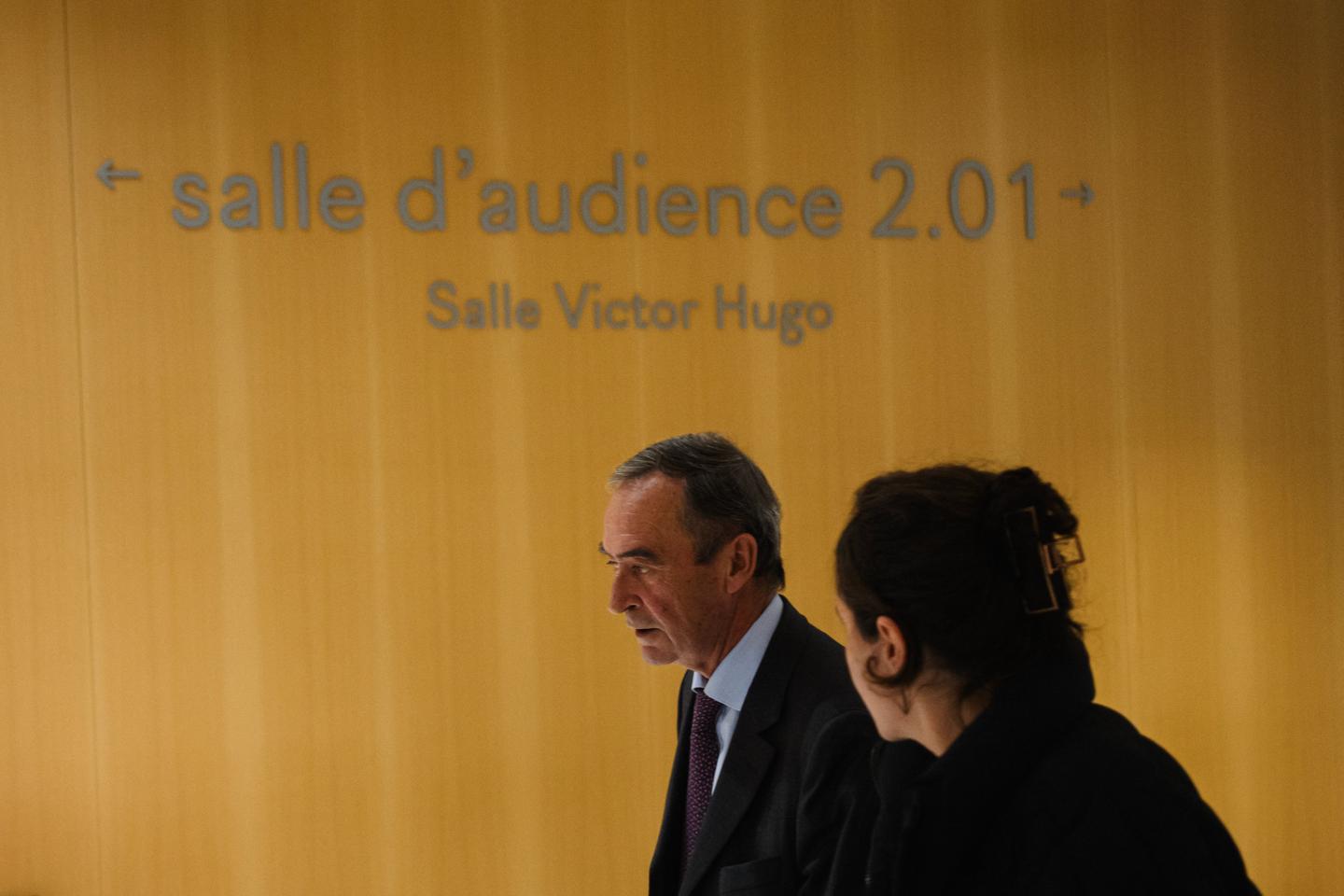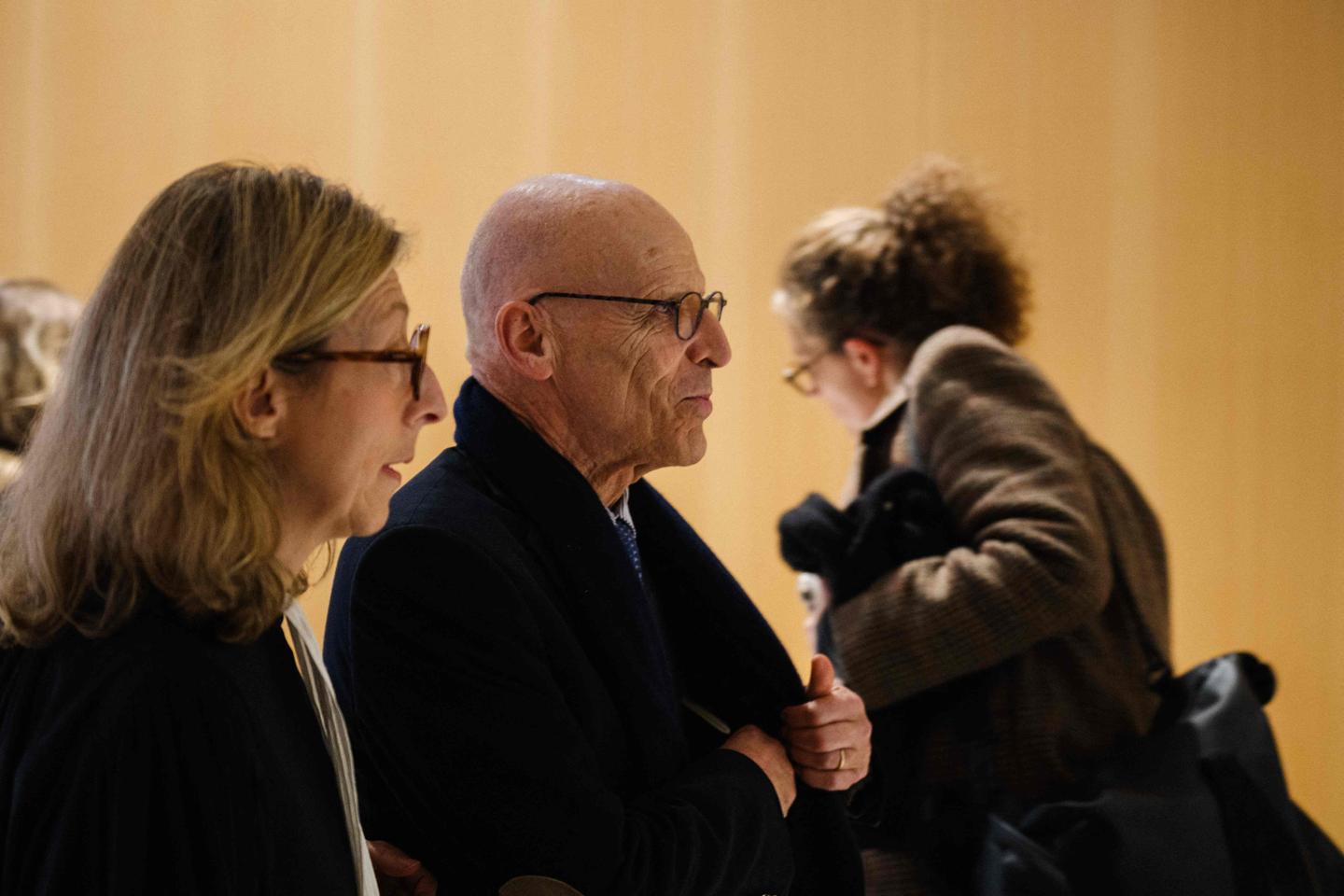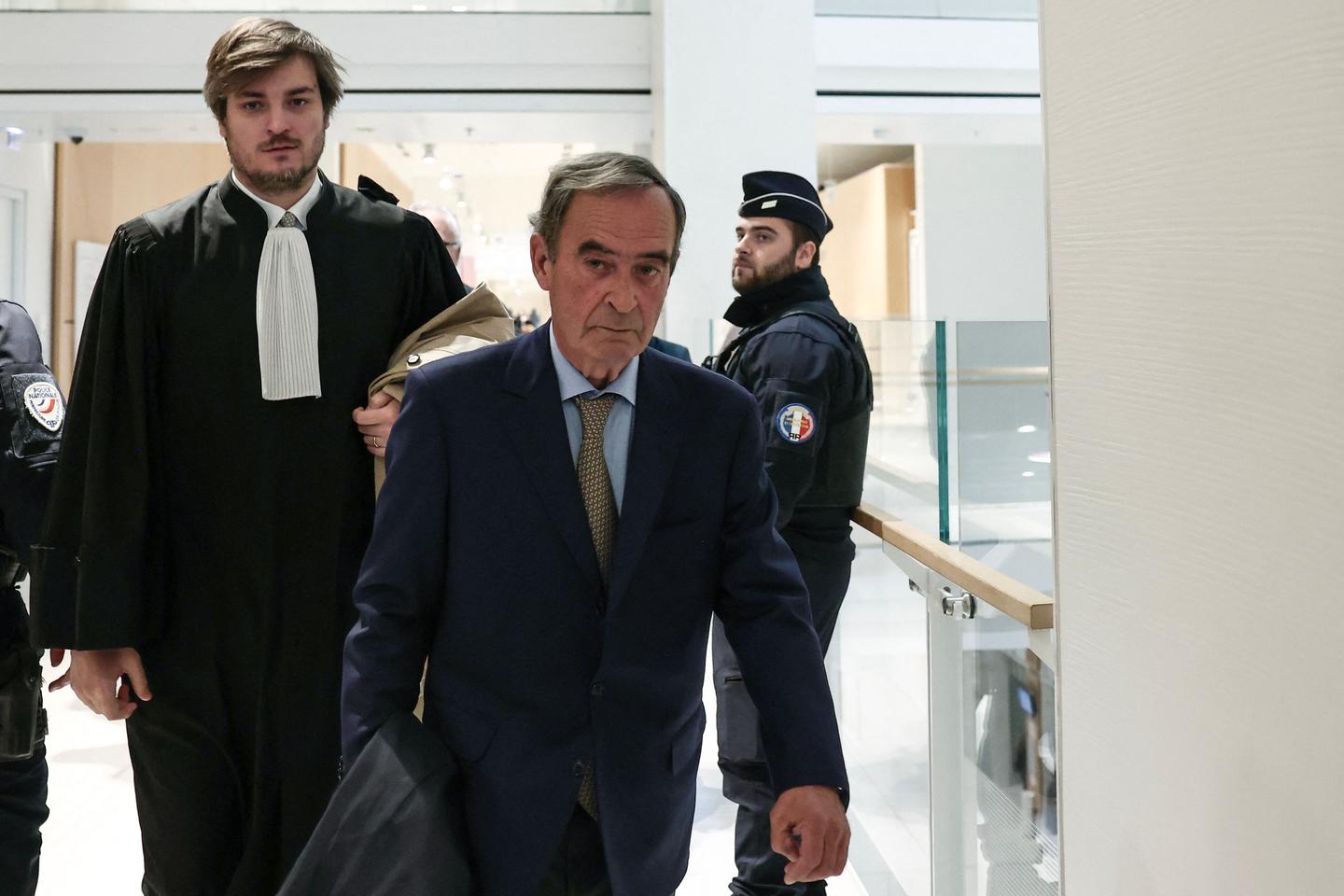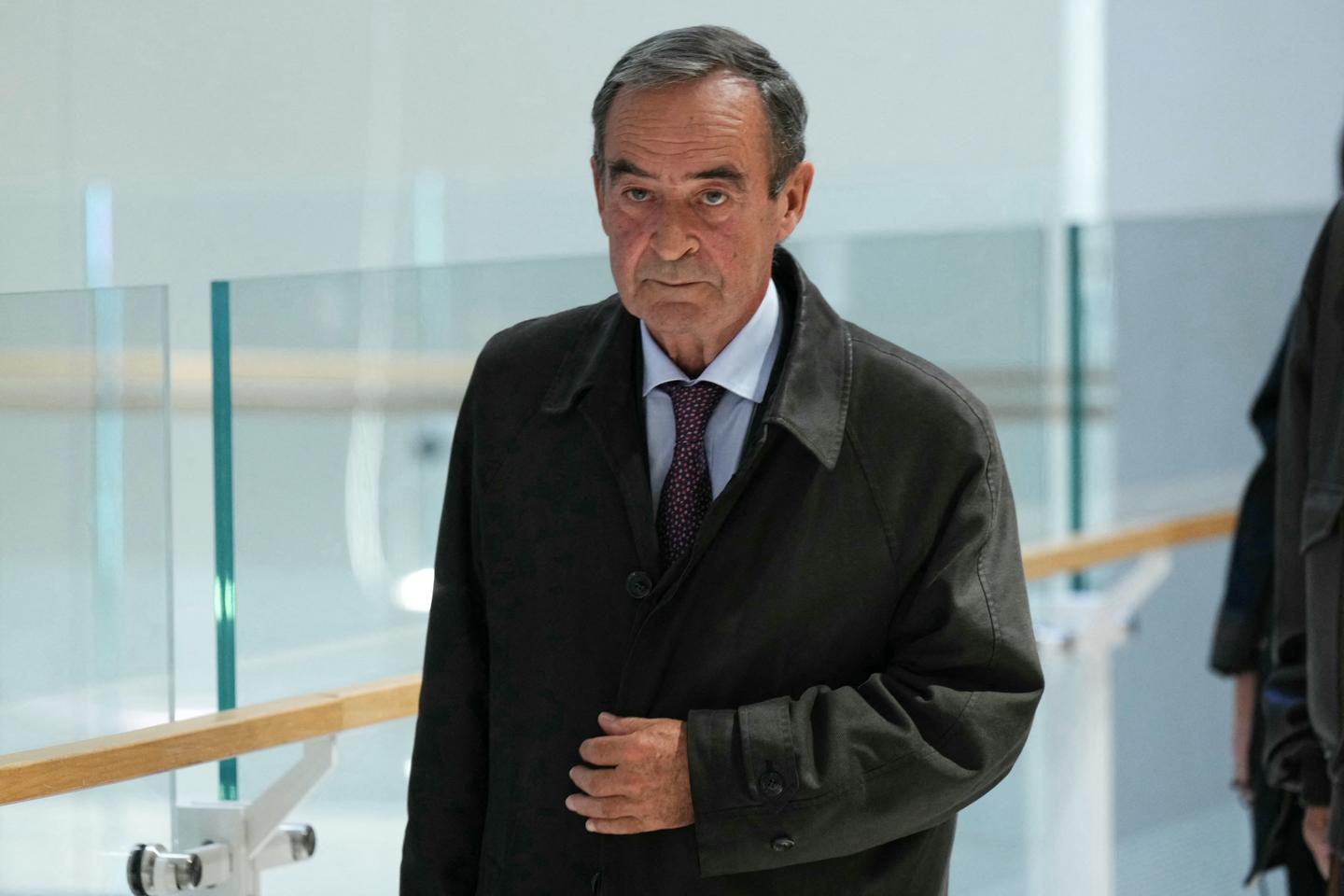
Former Lafarge CEO Bruno Lafont on the opening day of the French cement group's trial at a Paris courthouse, November 4, 2025. DIMITAR DILKOFF/AFP
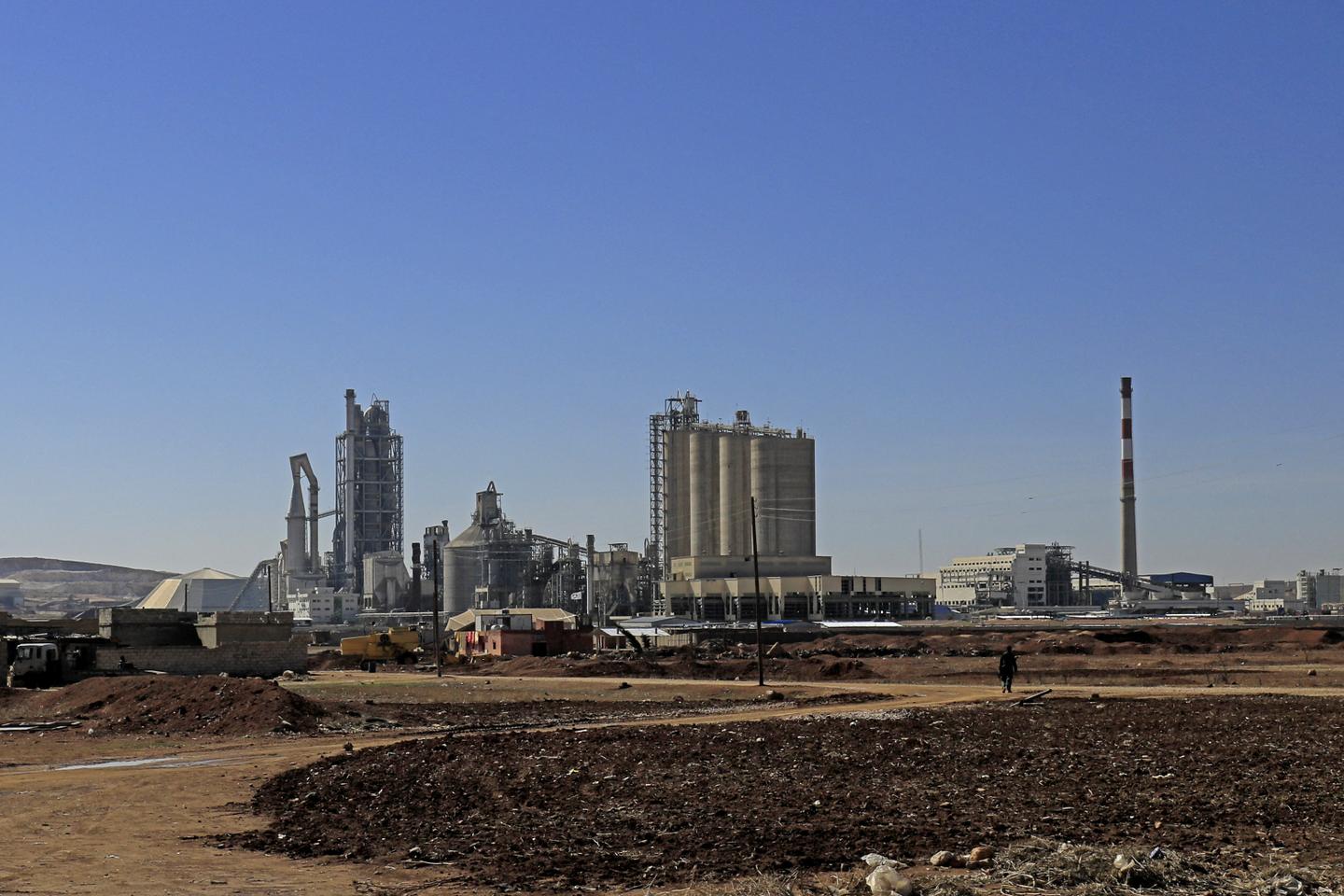
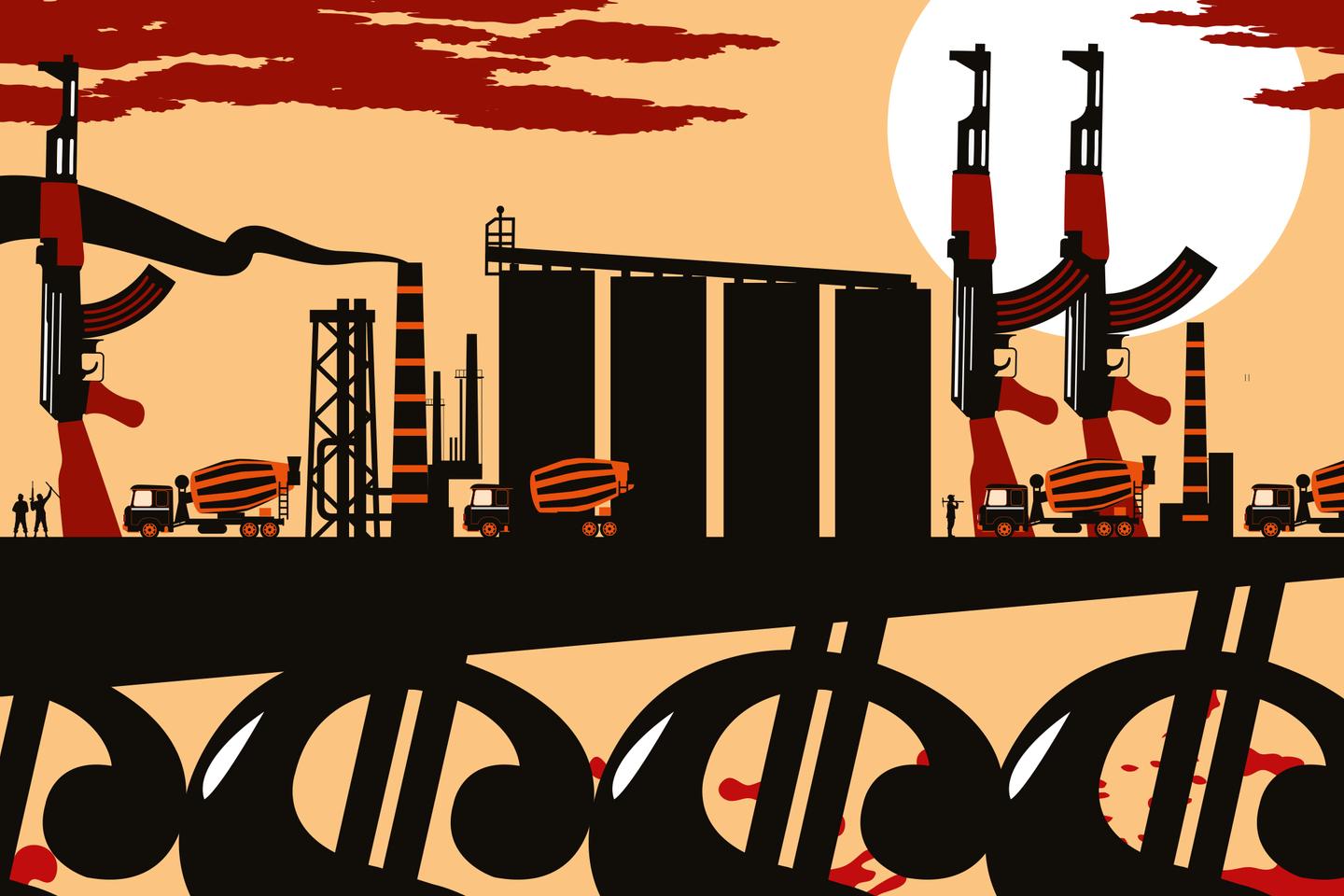
The trial of cement manufacturer Lafarge for terrorism financing – an unprecedented charge for a multinational company – came off the rails after two days, on November 5, due to a procedural error. After this false start, the proceedings finally resumed on Tuesday, November 18, but began on a flat note. The heart of the case – the payment of several million euros to terrorist groups controlling the region around the Jalabiya cement plant in northern Syria between 2012 and 2014 – would be discussed later.
Before delving into the core of the matter, Isabelle Prévost-Desprez, president of the 16th criminal chamber of the Paris court, opted to approach this highly complex case in concentric circles. After an opening lesson on cement manufacturing, the history of Lafarge – "founded in Ardèche [southeast France] in 1833" – and a review of two decades of jihad in Iraq and Syria on Tuesday, the judge undertook, on Wednesday, a second interim report (there will be 10 in all) focusing on the "economic entities." That is, the relationship between the parent company, Lafarge SA, and its Syrian subsidiary, Lafarge Cement Syria (LCS).