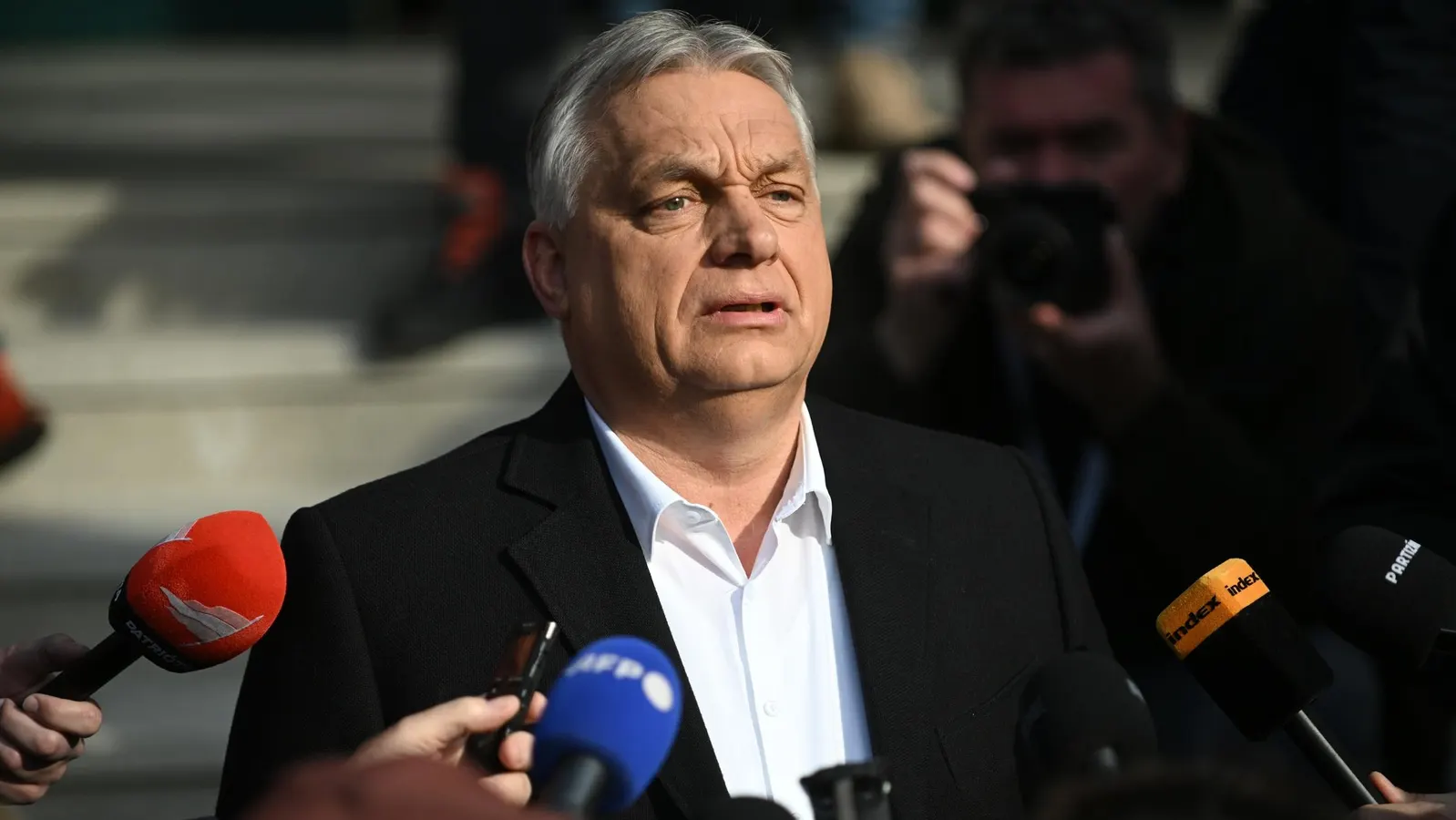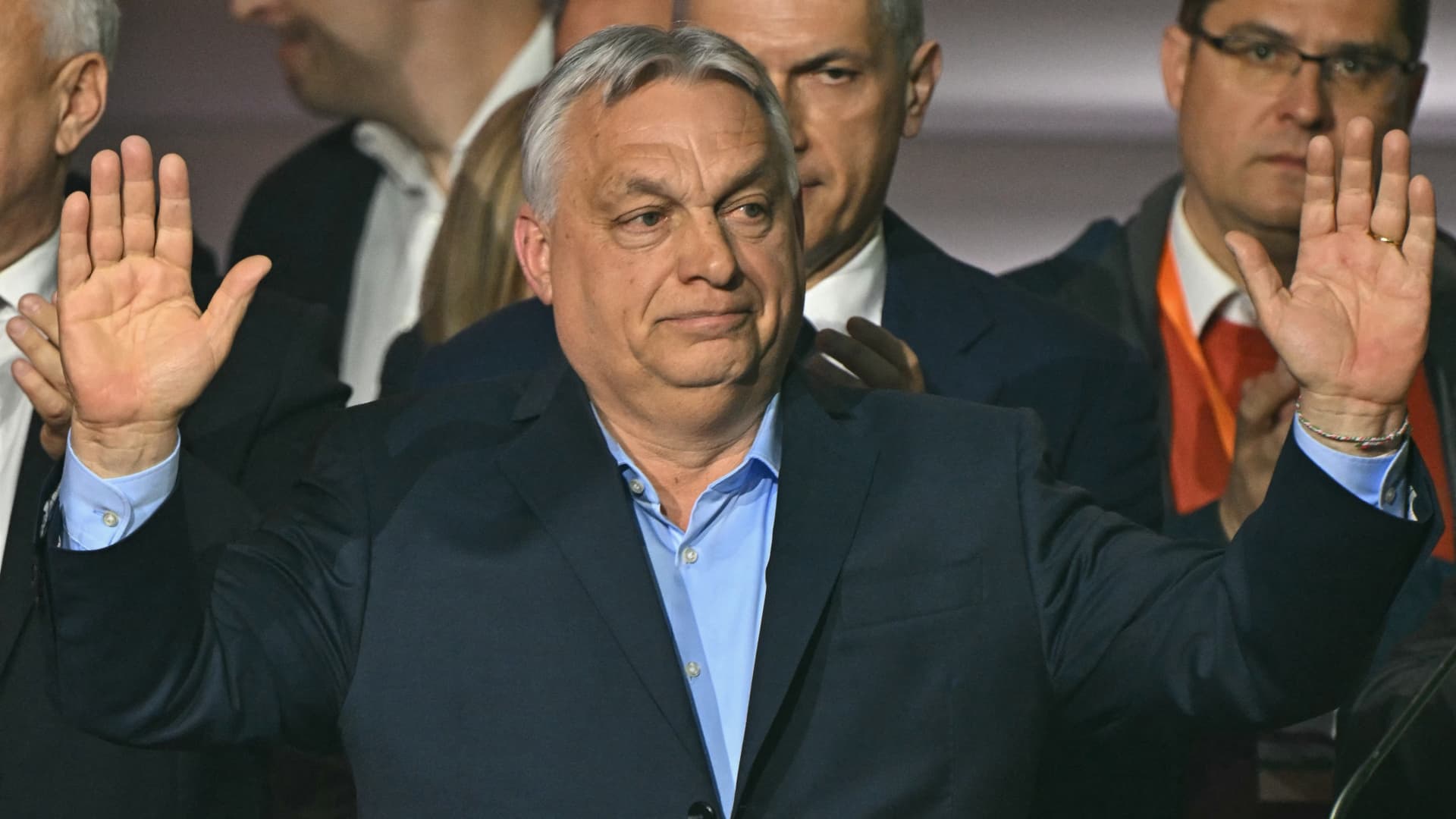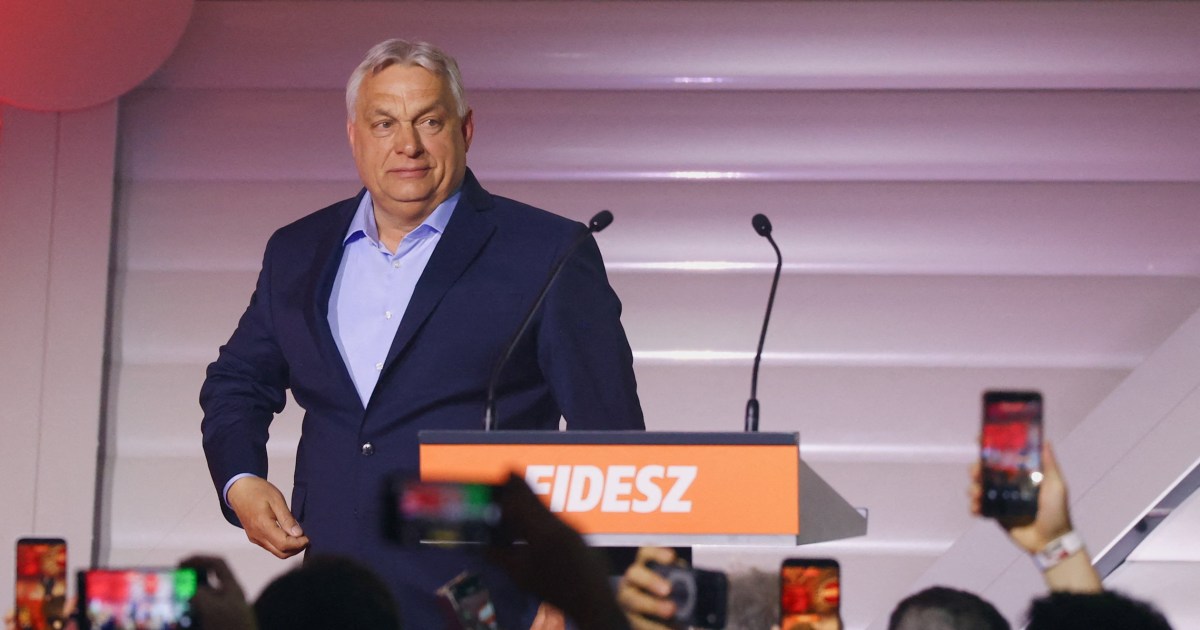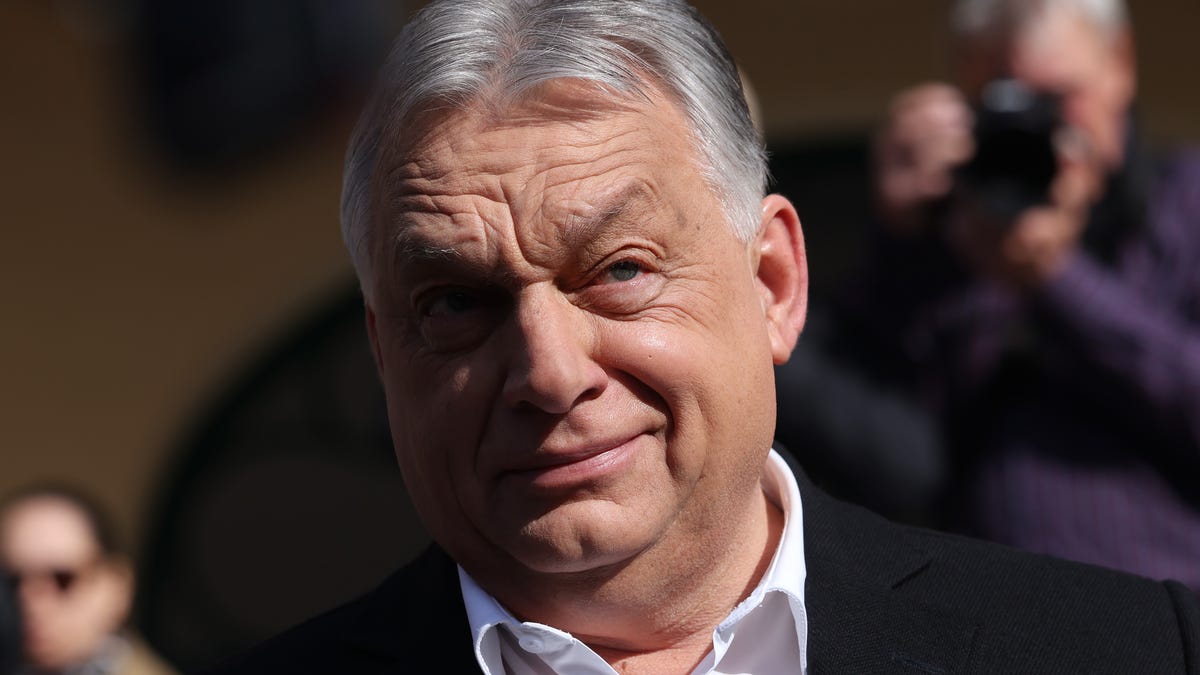
Stunning loss of rightwing populist in Hungary carries symbolic and psychological significance for US politics
For US Democrats seeking rays of light in the dark landscape of Donald Trump’s authoritarian onslaught, illumination has arrived from the unlikely source of Budapest.
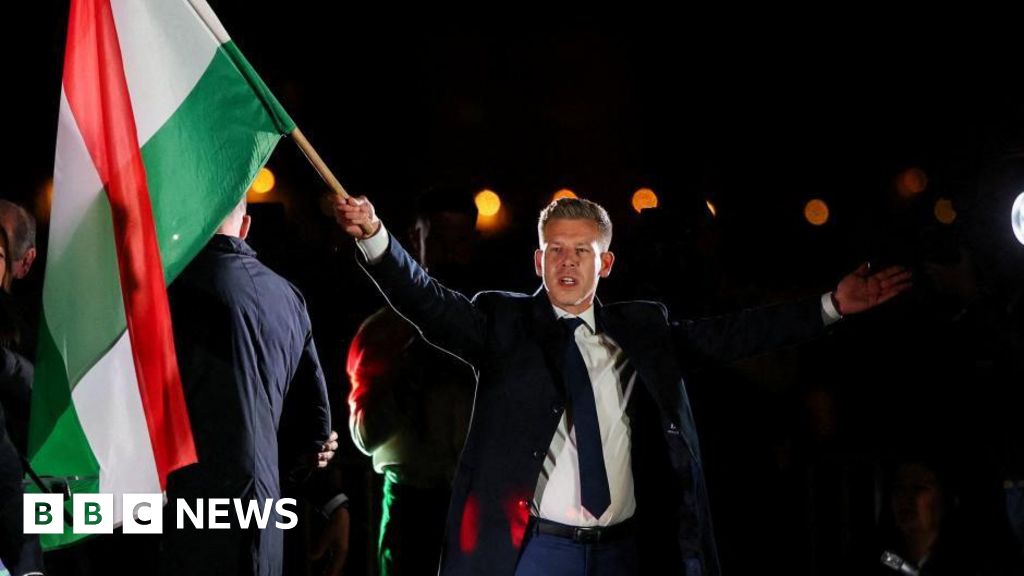
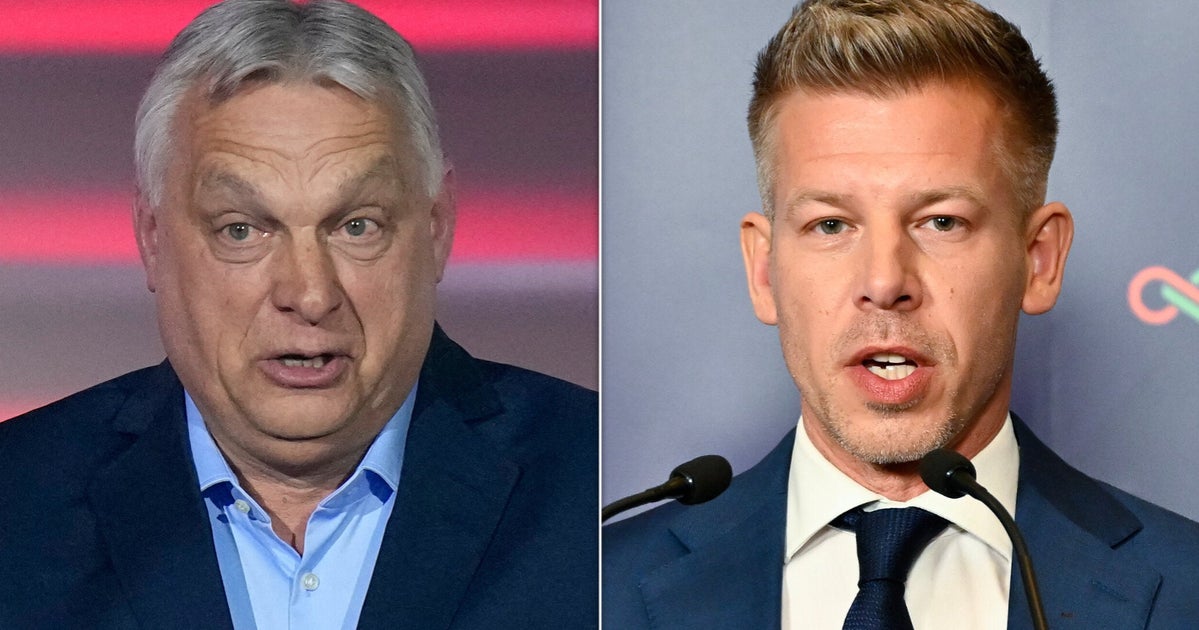
Viktor Orbán’s stunning defeat in Hungary’s general election – ending 16 years of unbroken rule for his governing Fidesz party – carries symbolic and psychological significance for American politics out of all proportion to the central European country’s modest size and distance from the US.
For years, Orbán has been the inspiration, lodestar and muse to US Republicans, drawn to his heady mix of electoral success, concentration of increasingly autocratic power, and populist messaging blending anti-immigrant xenophobia with conservative Christian values.
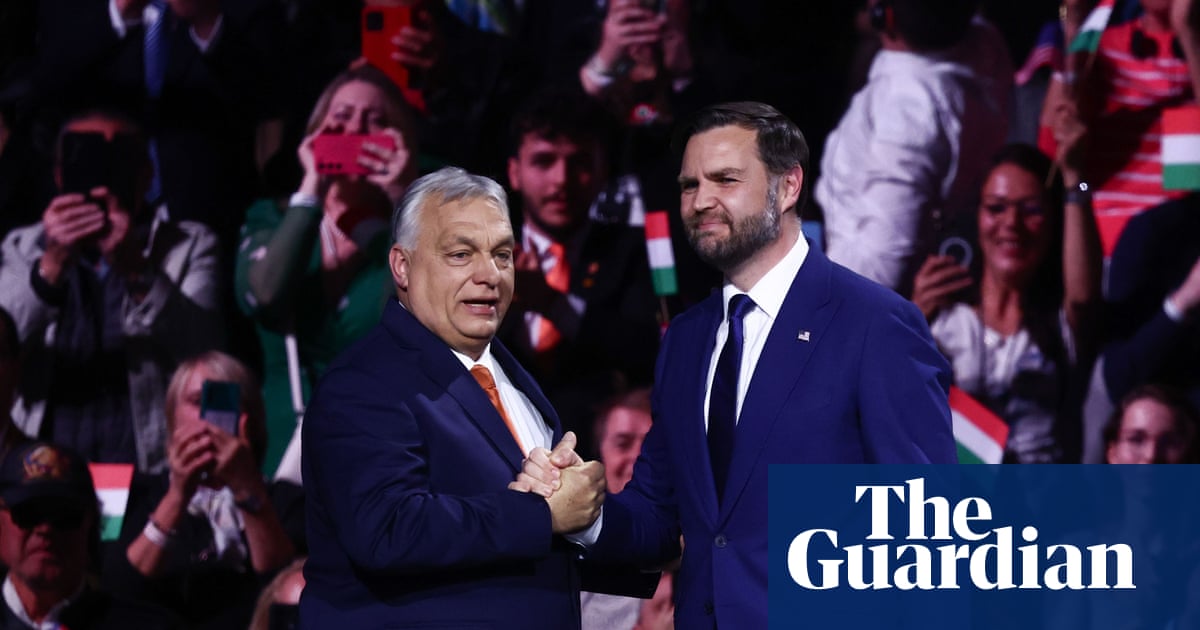
Orbán visited Trump at Mar-a-Lago and the White House three times during 2024 and 2025, with the US president frequently paying homage to the Hungarian prime minister in important forums – including a presidential debate with Kamala Harris. Among the many things on which the two saw eye-to-eye was a shared admiration for Russia’s president, Vladimir Putin.