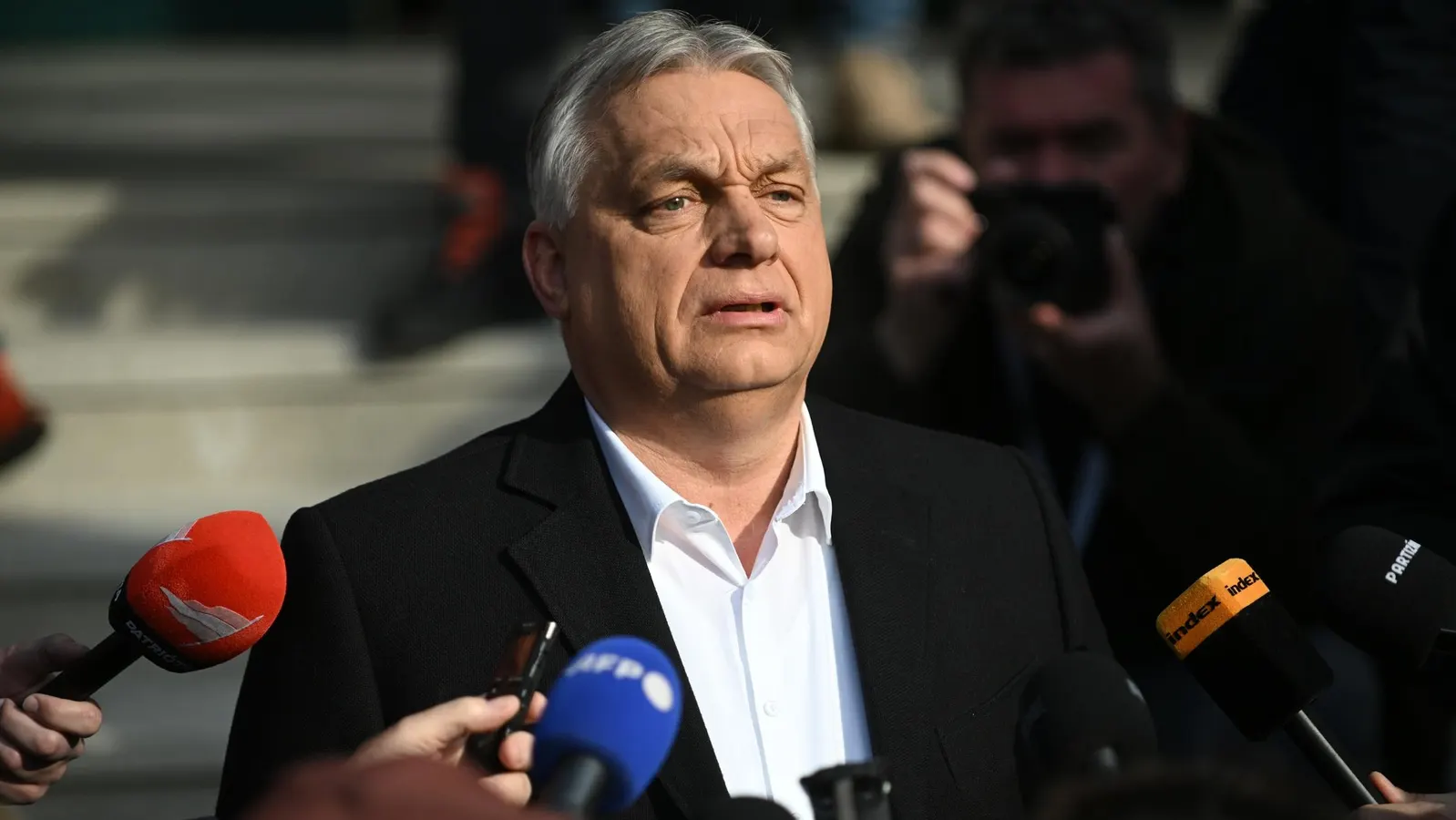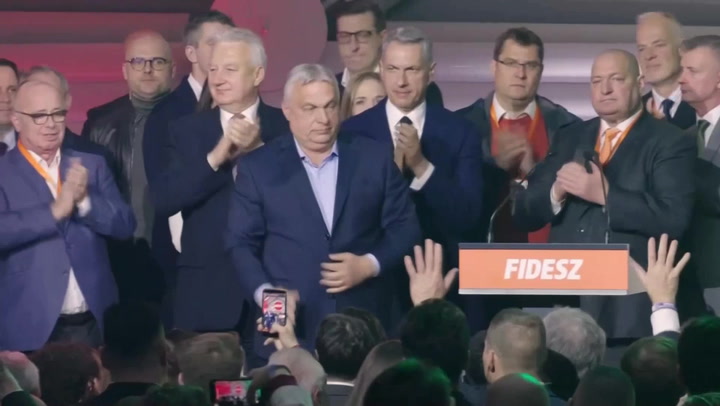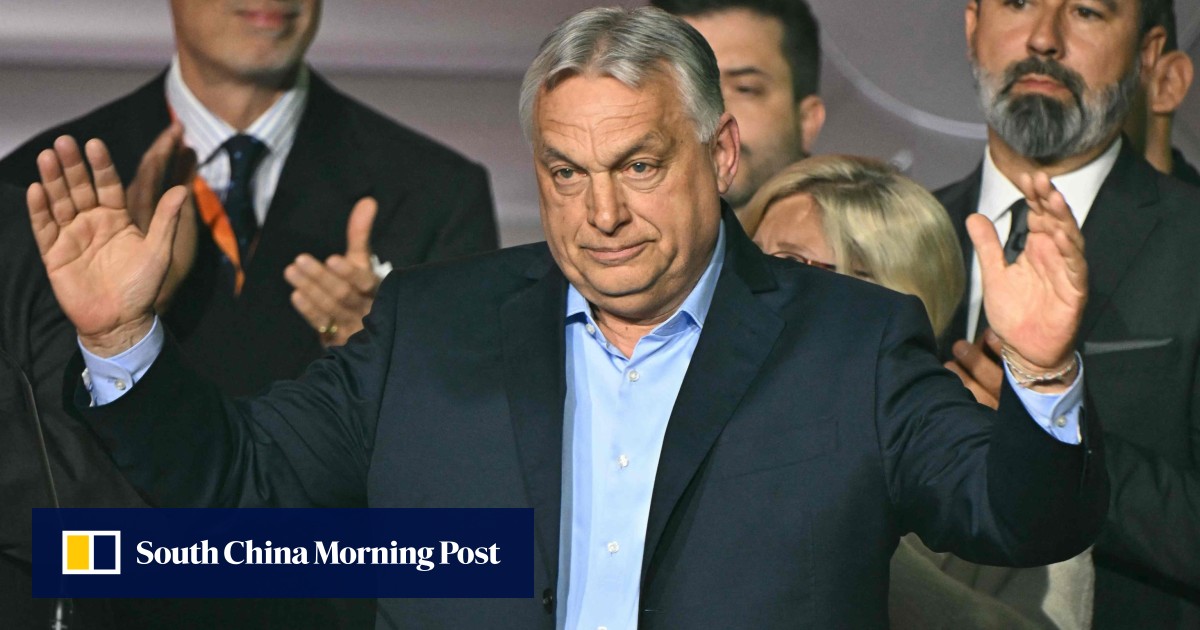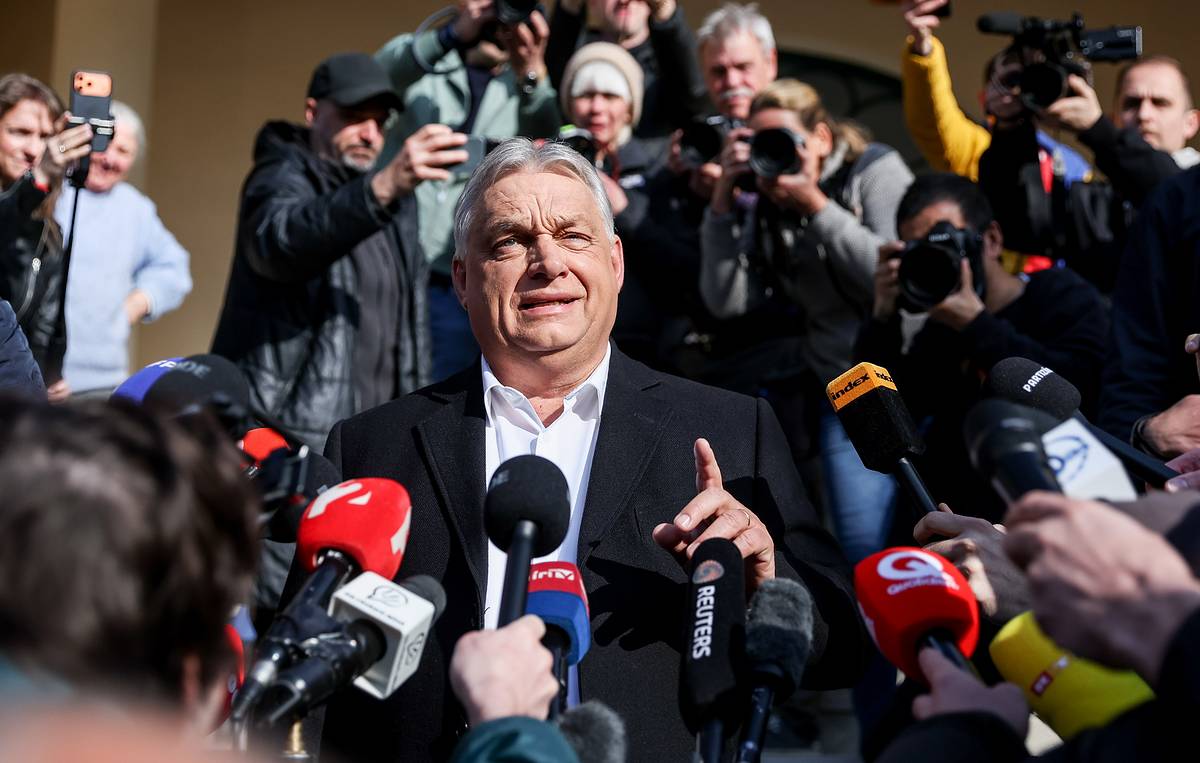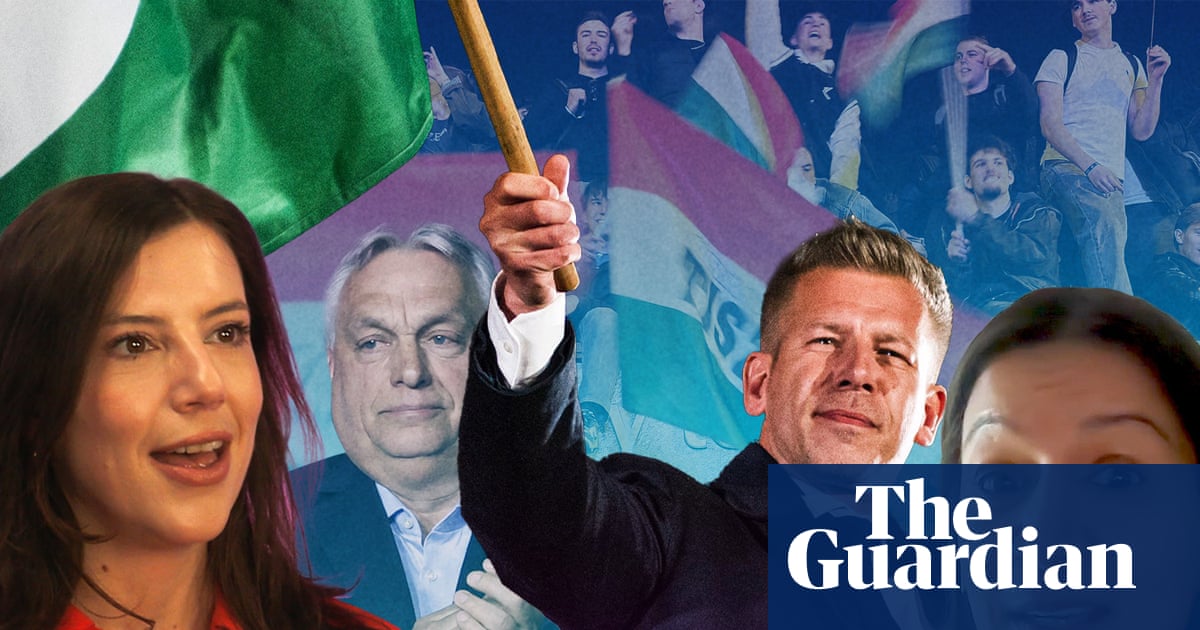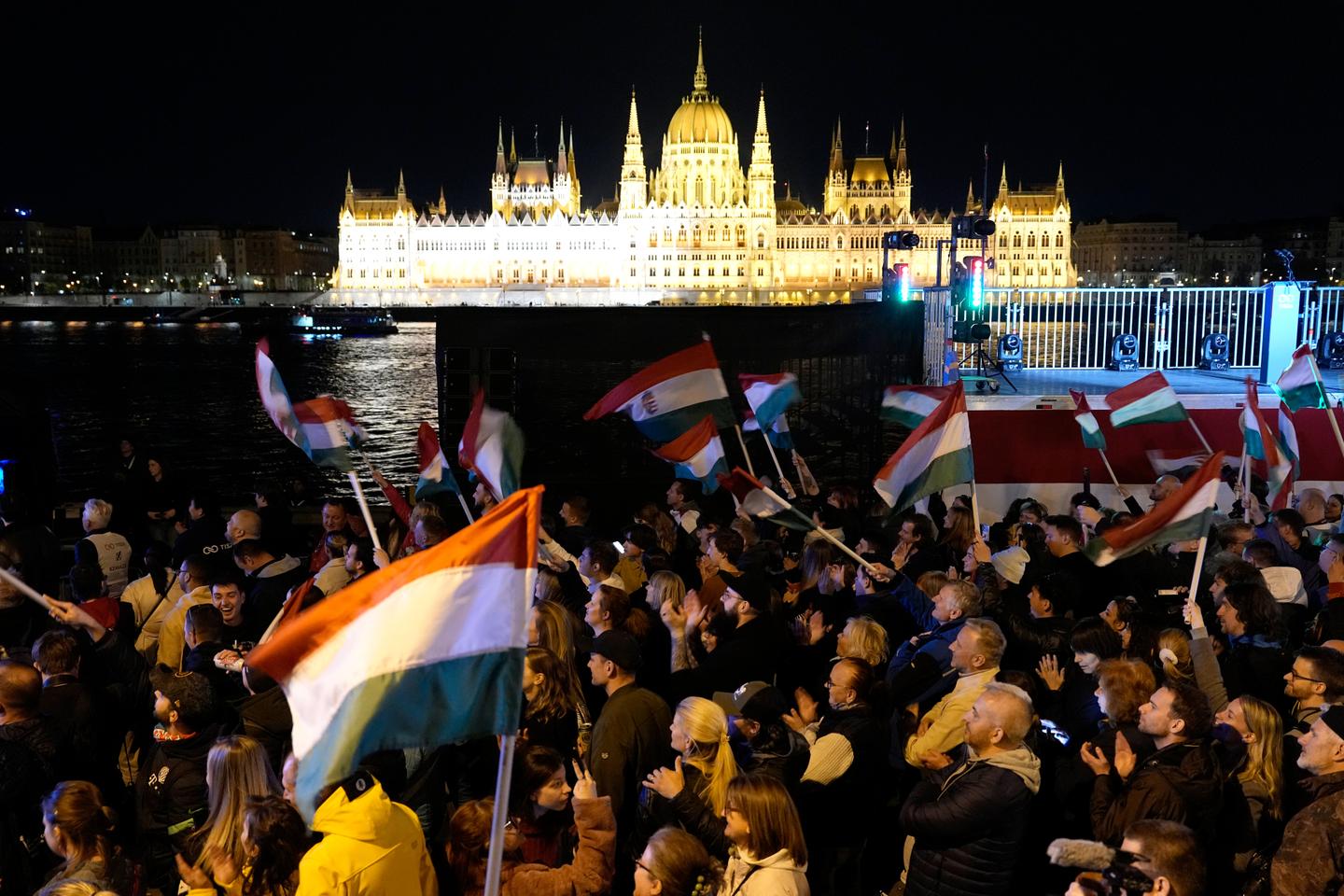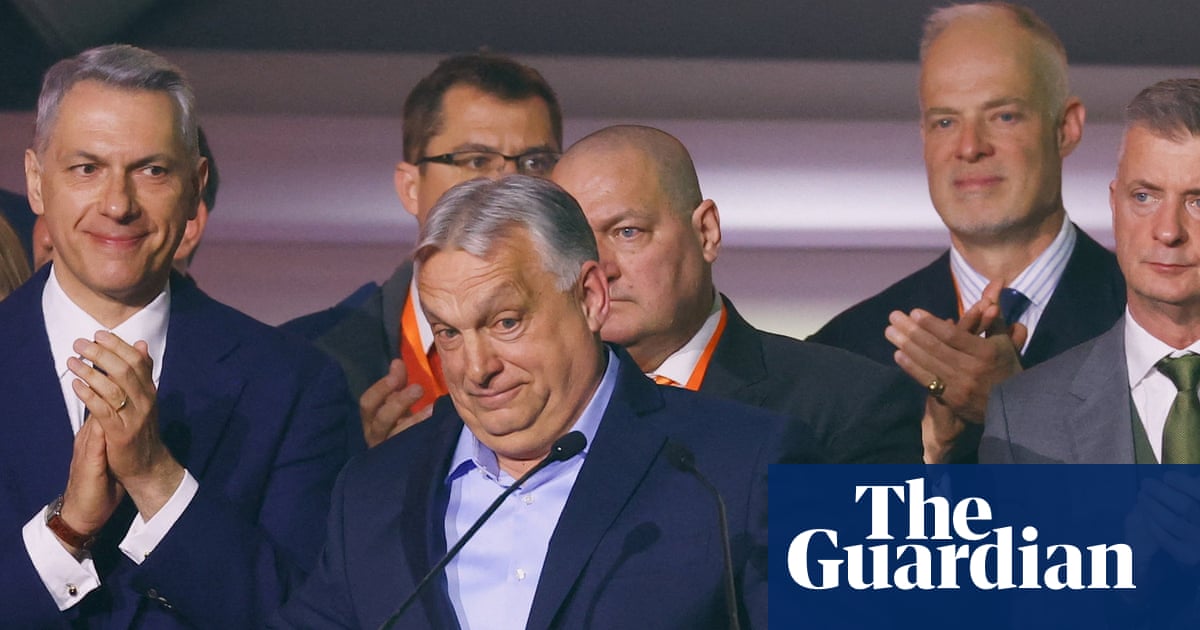
Hungarian Prime Minister Viktor Orbán conceded defeat on Sunday, April 12, after the country's opposition party Tisza was projected to win the parliamentary elections in a landslide, marking a setback for his allies in Russia and President Donald Trump.
Orbán, a veteran nationalist leader, has led Hungary since 2010 after securing four consecutive election victories alongside his Fidesz party. During his 16 years in power, Orbán, 62, drew international criticism over various issues, including democratic standards, media freedom, and LGBTQ+ rights.
Critics have drawn comparisons between Orbán and Trump, citing what they characterize as attacks on governmental institutions, democratic backsliding, and the rollback of civil rights. The Hungarian prime minister has been considered a hero to many in the MAGA movement, and critics of Trump have also compared the president's second-term agenda to the playbook Orbán has used to consolidate power in Hungary.
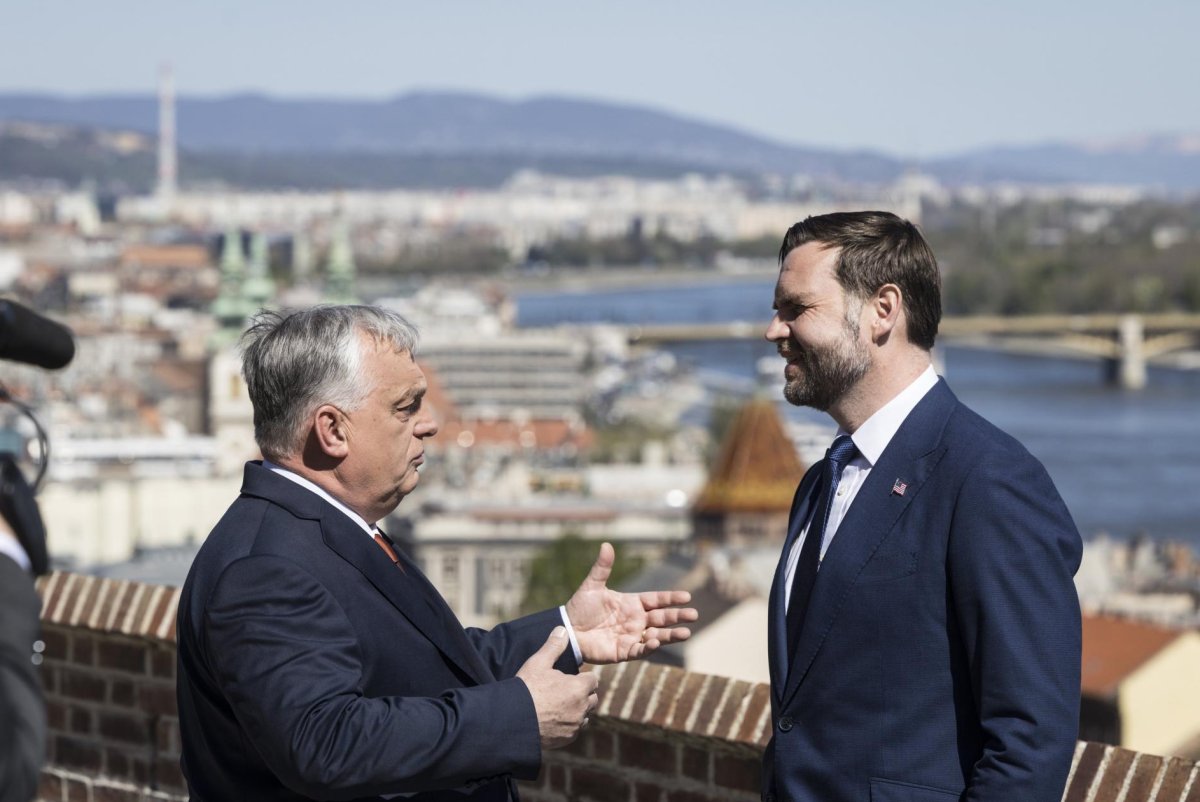
But after three years of economic stagnation and soaring living costs, as well as reports that oligarchs close to the government are amassing more wealth, many Hungarians have grown increasingly weary of Orbán. Vice President JD Vance visited Hungary just days before the elections in a last-minute push to help Orbán.