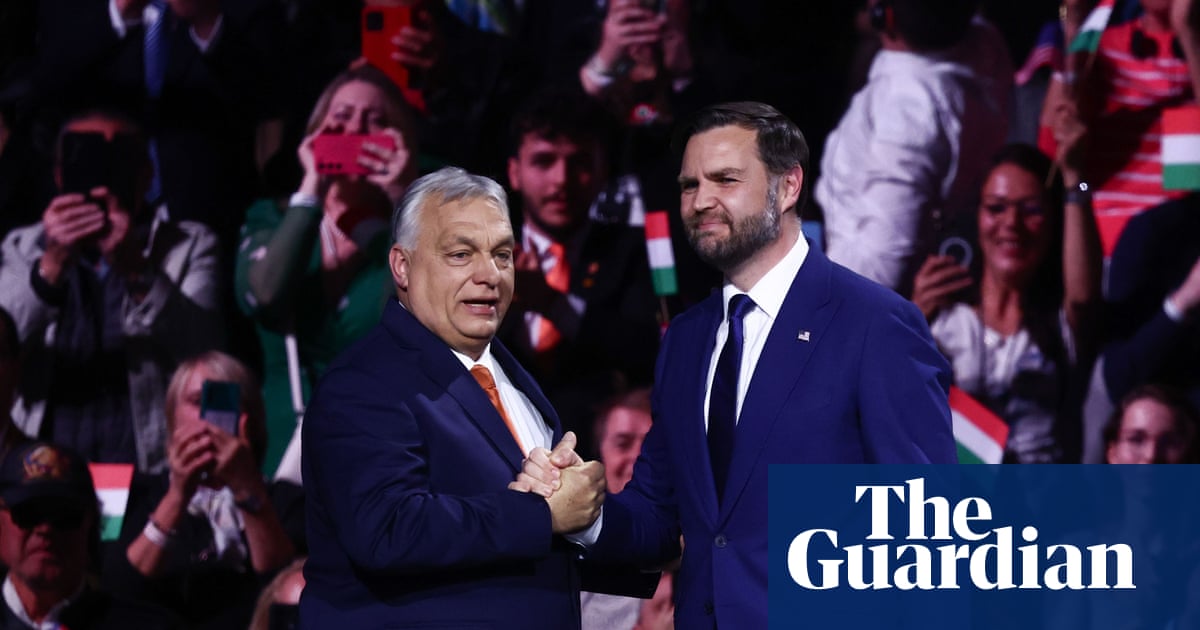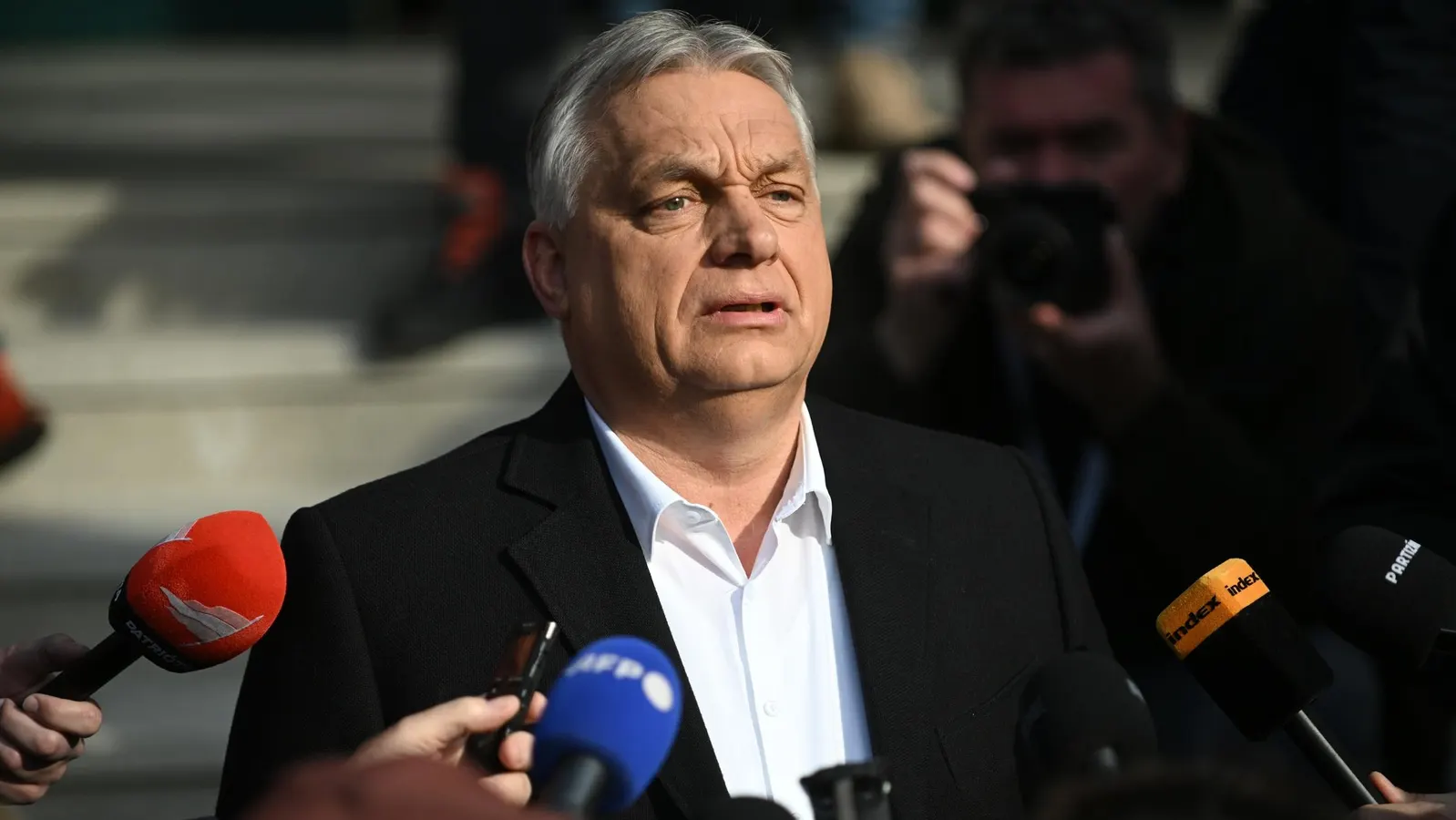
A T-shirt featuring Viktor Orban and Donald Trump at the home of Akos Szilagyi, a supporter of the outgoing Hungarian prime minister, in Budapest, April 14. DENES ERDOS / AP
During his 16 years in power, Viktor Orban turned Hungary into a nerve center of the reactionary international. Does his defeat in the April 12 legislative elections signal a stall in this movement's momentum? Italian historian Steven Forti is an associate professor of contemporary history at the Autonomous University of Barcelona (UAB), where he coordinates a European research project in Spain on extremist rhetoric and narratives.
Given Orban's prominent role within global far-right movements, what influence have his ideas and political practices had?
The main tenets of Orban's doctrine – rejection of immigration and minority rights, sovereignism – are well known and not particularly original in the history of the far right. What stands out more is Orban's practice of "mimicking democracy": formally respecting democracy and the rule of law (including the principle of elections, from which he has now emerged defeated), while simultaneously undermining institutions from within – undermining parliament, controlling the press, changing the constitution. After Vladimir Putin, Orban was the first leader within the European Union to break out of the classic dichotomy between democracy and authoritarianism, creating a gray area where the line between the two can be crossed.