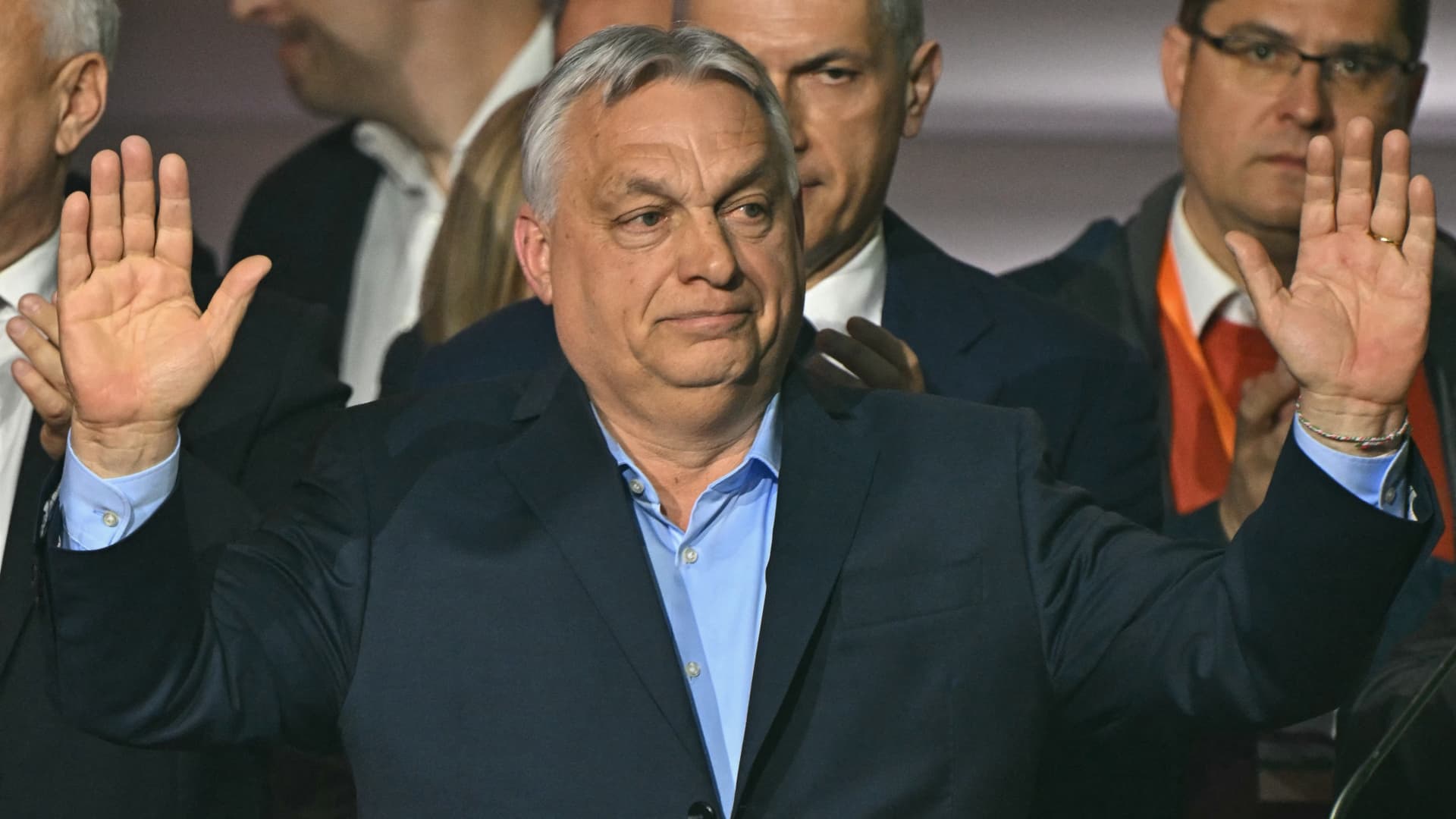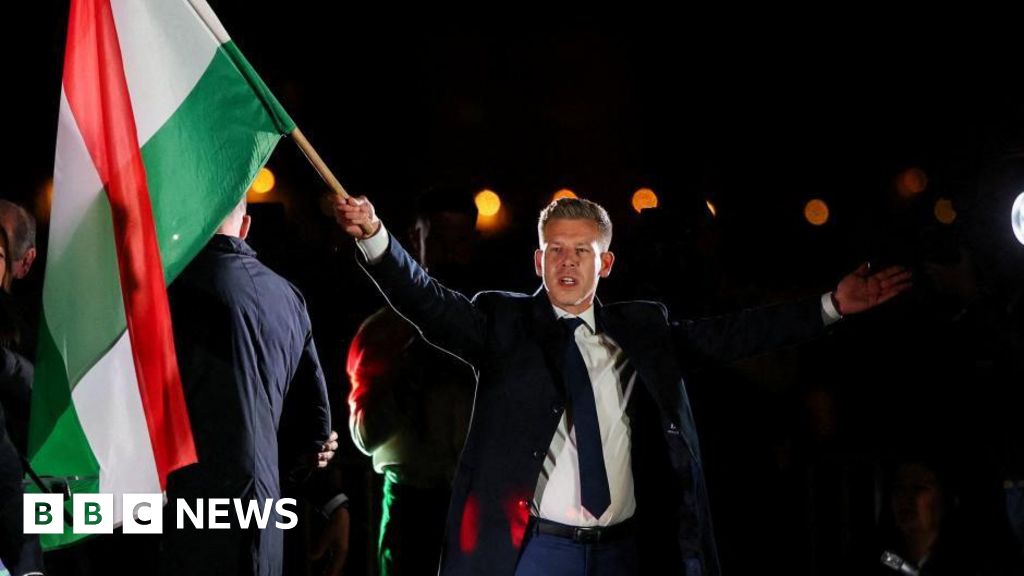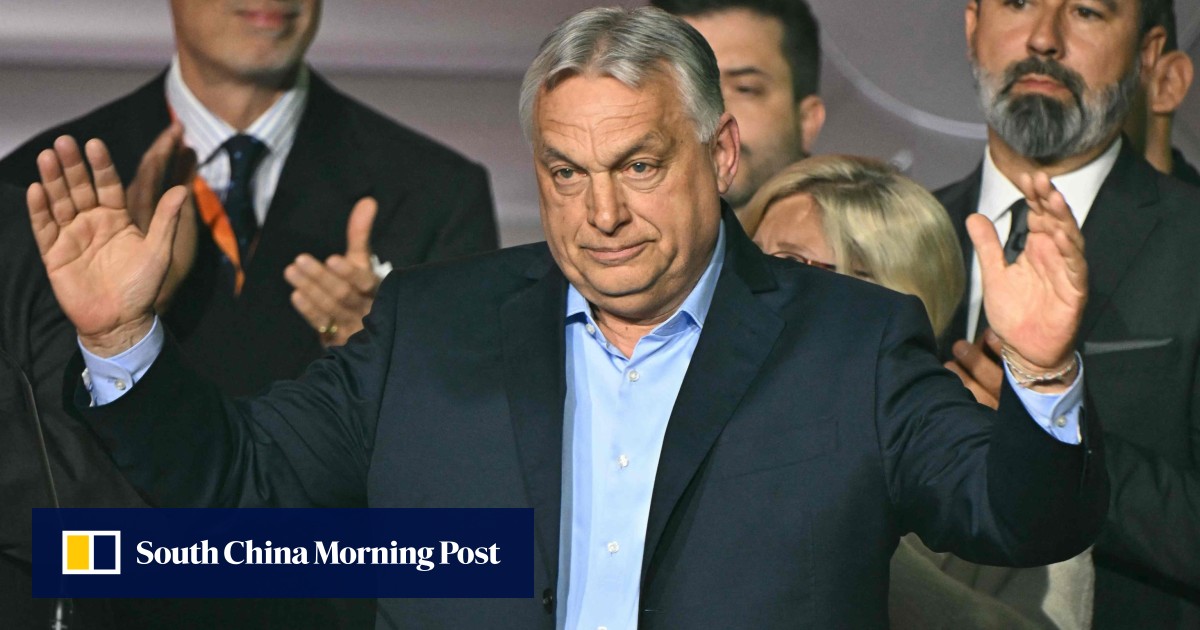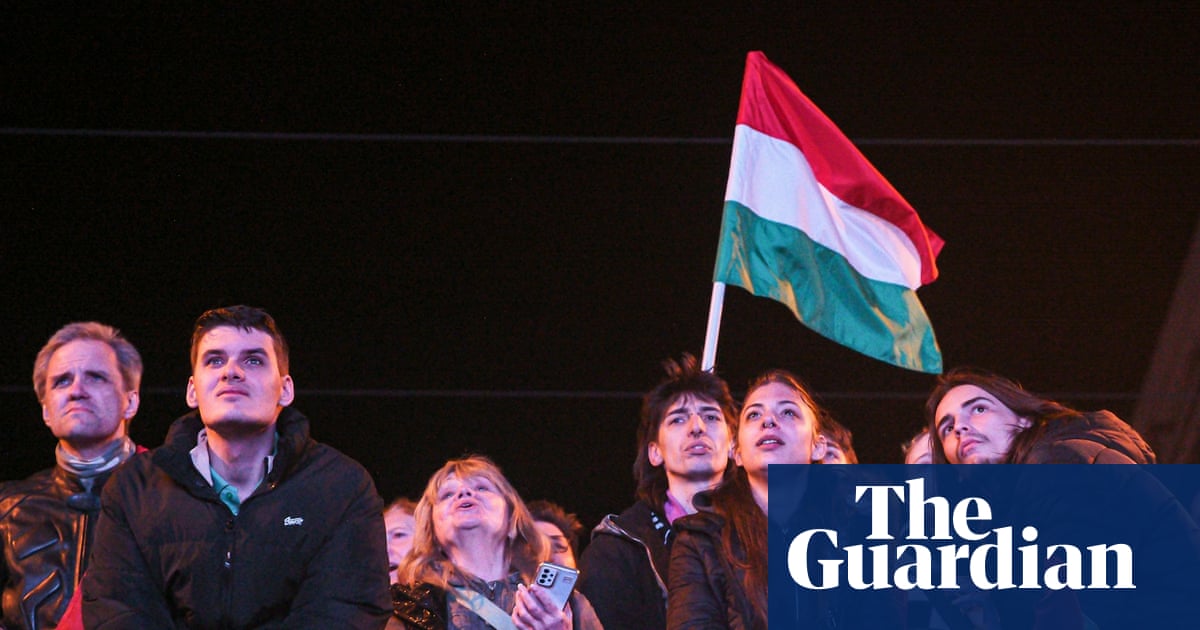
The defeat of Orbánism is a globally significant political moment. But it is, above all, a triumph for the citizens who mobilised to take their country back
P
rior to his landslide election victory in 2010, which was to lead to 16 unbroken years in power, Viktor Orbán would tell supporters: “We have only to win once, but then properly.” Achieving a so-called supermajority by winning two-thirds of parliamentary seats allowed Mr Orbán to change the constitution, and begin turning Hungary into a soft autocracy. From the judiciary to the media and universities, the checks and balances of a democratic society were steadily dismantled and minorities were marginalised, as the country became a beacon for the global far right and a nationalist thorn in the side of Brussels.
On Sunday, stunningly, it was Mr Orbán’s centre-right challenger, Péter Magyar, who “won properly”. After a record turnout, his Tisza party is all but certain to win its own supermajority. Given Mr Orbán’s control of state media and gerrymandering of constituencies to favour his Fidesz party, this was a truly remarkable result.
Its decisive nature gives Mr Magyar the mandate to begin the arduous process of “de-Orbánising” a society where the outgoing prime minister’s power network was insidiously embedded throughout civic life. Under Mr Orbán, a self-serving elite enriched itself at the expense of the wider population, as the economy stagnated and EU funds were misdirected and misspent. Mr Magyar, a disillusioned former Fidesz member, is no progressive. But after campaigning on an anti-corruption platform, the early indications are that he will act swiftly to roll back some of the most egregious abuses of the Orbán era.