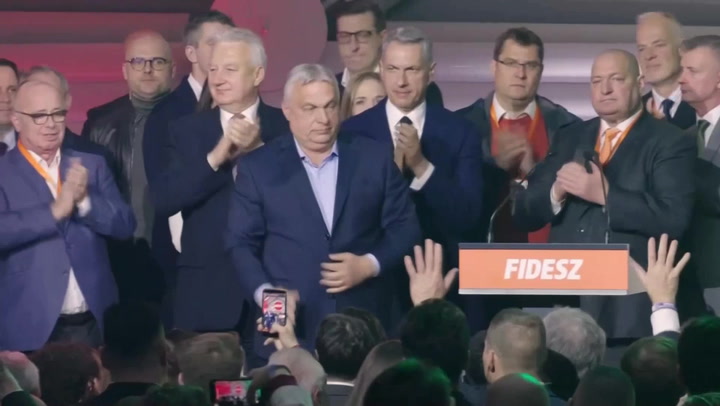
Péter Magyar did not need to dismantle the system – but he understood that Hungarians care more about the cost of living than conspiracies
H
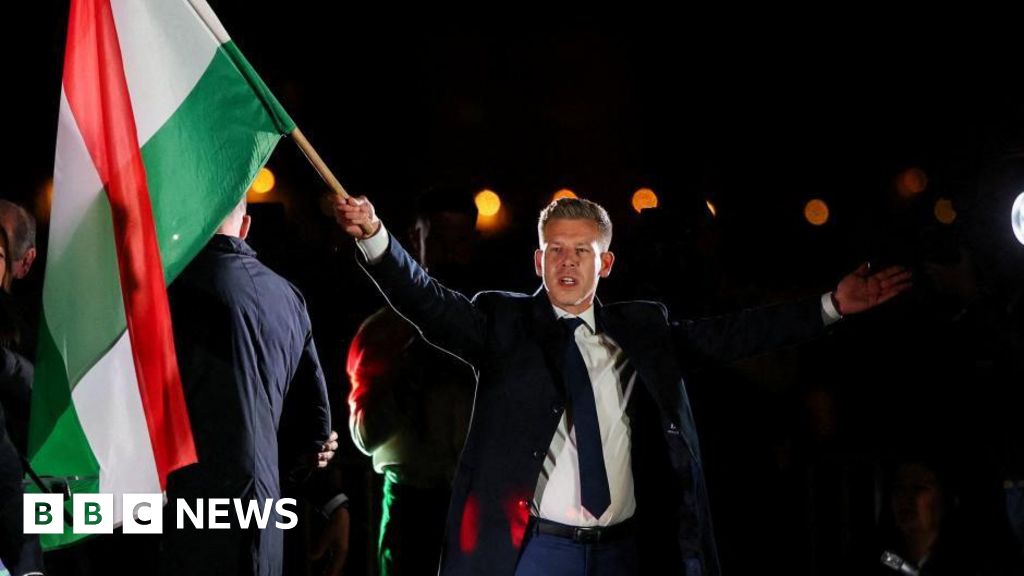
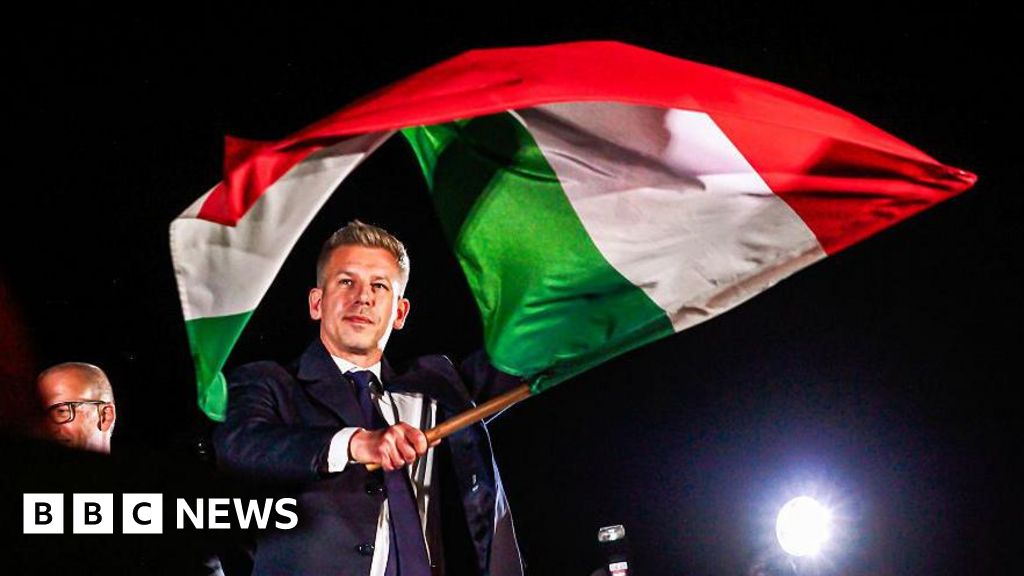
ungary’s election delivered an unprecedented victory for Viktor Orbán’s challenger. With a record turnout of nearly 80% and a supermajority for the Tisza party of almost 70% of the seats, this was not merely a change of government: it was a change of regime, compressed into a single election night.
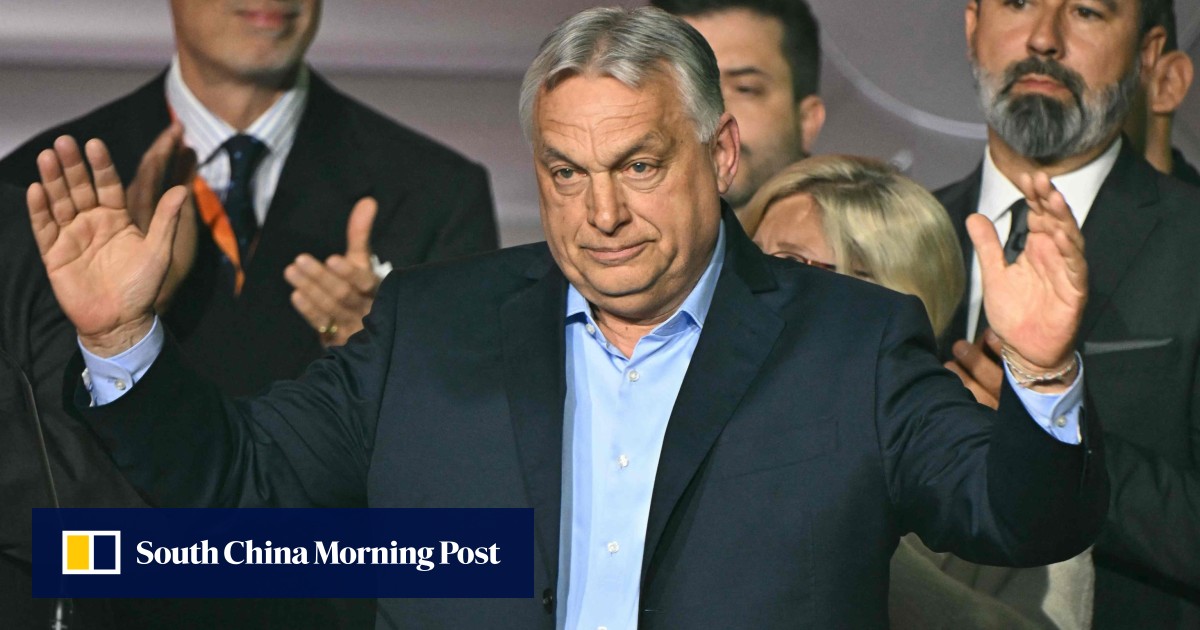
After 16 years in power, Orbán became the victim of his own creation. Hungary’s electoral machinery, carefully engineered to convert a relative majority into overwhelming parliamentary dominance, worked perfectly – just not for him. In the end, the opposition leader, Péter Magyar, did not need to dismantle the system; he simply recognised the rules of the game and played to win. Orbán’s 2011 electoral laws, designed to punish a fragmented opposition, ultimately proved fatal to their creator, when he was faced with a challenger who could turn those winner-takes-all mechanics to his advantage.
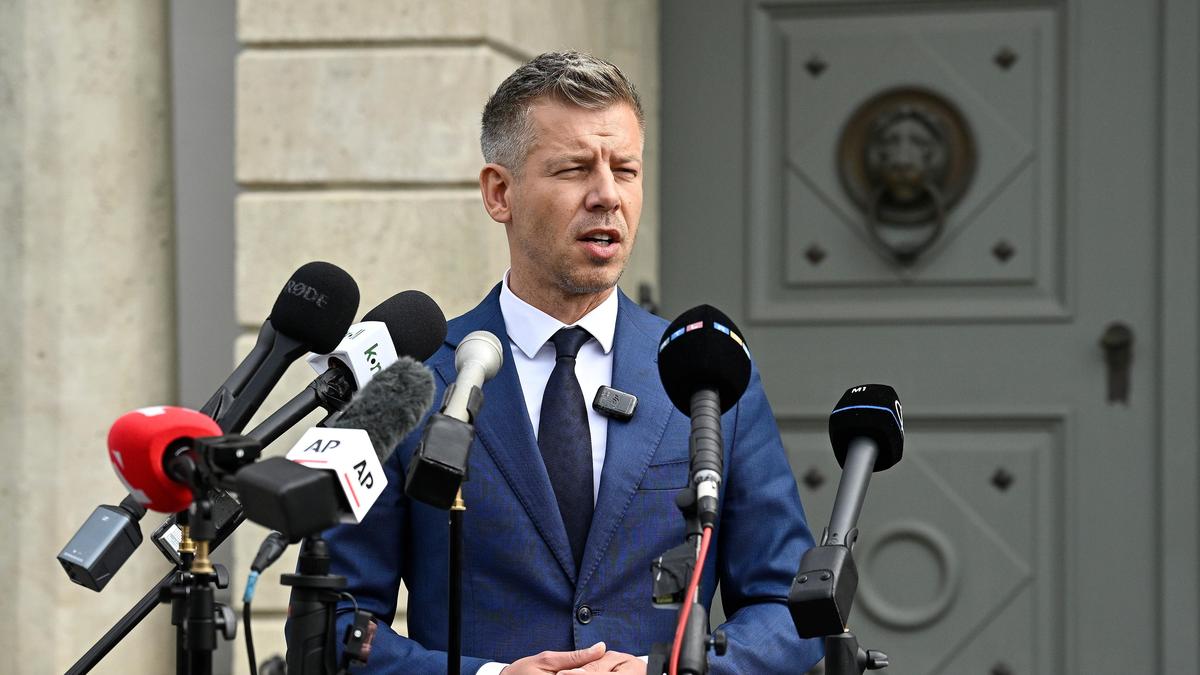
Magyar’s performance throughout this election cycle was exceptional. His rapid construction of Tisza as a major political force, combining party-building, relentless campaigning and a commanding social-media presence, will be analysed for years. He took to the new-media environment, in which Fidesz had long appeared unbeatable, like a duck to water.