Let’s not draw the wrong conclusions from Hungary’s election or the US president’s troubles
V
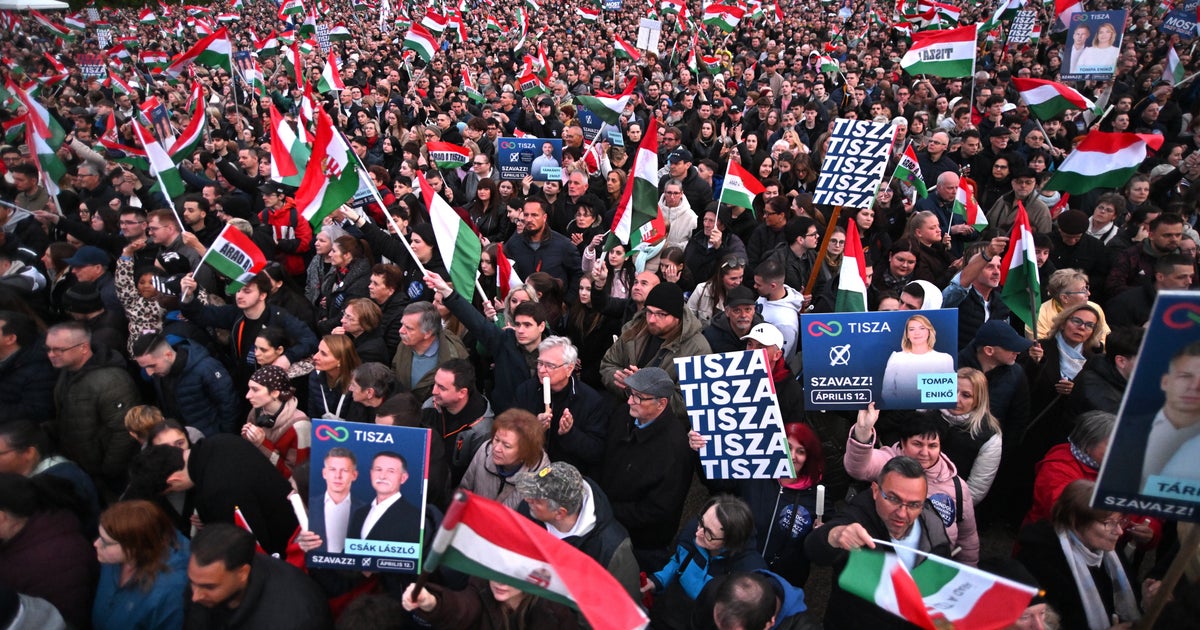
iktor Orbán’s crushing defeat in last month’s Hungarian election has led to an outbreak of democratic optimism. Across the globe, democrats are drawing lessons from the results and speculating about the decline of the far right. There is simultaneously a consensus that Donald Trump has gone from inspiration to “liability” for the global far right.
While the fall of Orbán has great symbolic significance and important consequences for EU politics (see the EU-Ukraine deal), we should be very careful not to read too much into it for three reasons.
First, as far as lessons for how to defeat so-called illiberal democrats are concerned, we must bear in mind that Orbán was in power for an exceptionally rare 16 years. This allowed him to oversee not only a political transformation of Hungary, but an economic and societal one. His defeat was not a rejection of his far-right policies, certainly not his anti-immigration policies (which are largely supported by the incoming prime minister, Petér Magyar), but of the country’s dire economic situation and the allegations of massive corruption under the Orbán regime.