Economists are only growing more antsy about the state of the economy as the conflict in Iran continues.
Moody’s Analytics raised its recession outlook for the next 12 months to 48.6%, following the same pattern as Goldman Sachs, which now forecasts a 30% risk of recession, and EY-Parthenon, which put recession odds at 40%. The baseline probability of a recession sits around 15% to 20%.
Prior to the U.S.-Israeli attack on Iran at the end of February, economic indicators were already suggesting precarious economic conditions. A dismal February jobs report showed the economy unexpectedly lost 92,000 jobs in the previous month, defying estimations of a 60,000-job increase and dashing hopes of a labor market recovery after the U.S. added just 181,000 jobs in 2025. Moreover, the unemployment rate is eking toward 4.5%, up from 3.4% three years ago, coinciding with decelerating wage growth, particularly for lower-income Americans.
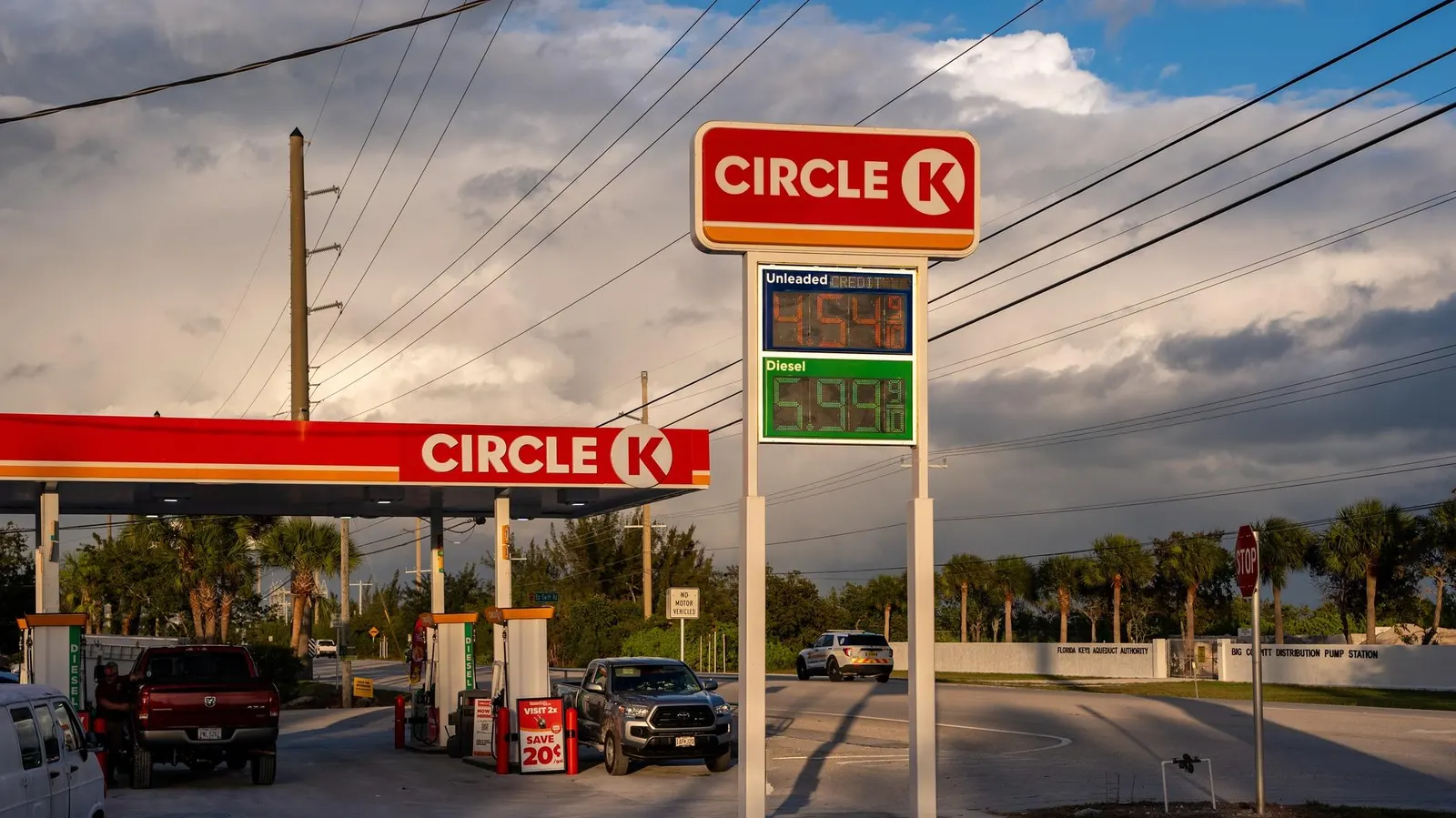
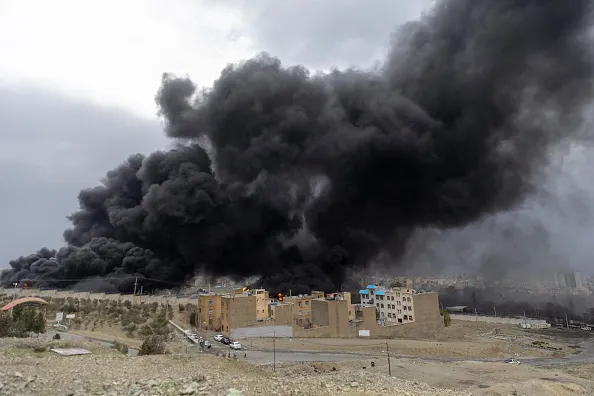
On top of those factors, an ongoing war in the Gulf has raised concern among analysts of an oil shock being the tipping point to send the U.S. into a slump, one top economist warned.
“Even before the conflict, I thought recession and risks were on the rise,” Mark Zandi, Moody’s chief economist, told CNBC on Wednesday. “Recession risks are very high—and unless the hostilities are coming to an end now, the president figures out a way to stand down, declare victory and move on, and Iranians follow suit—I think recession is more than likely by the second half of the year.”