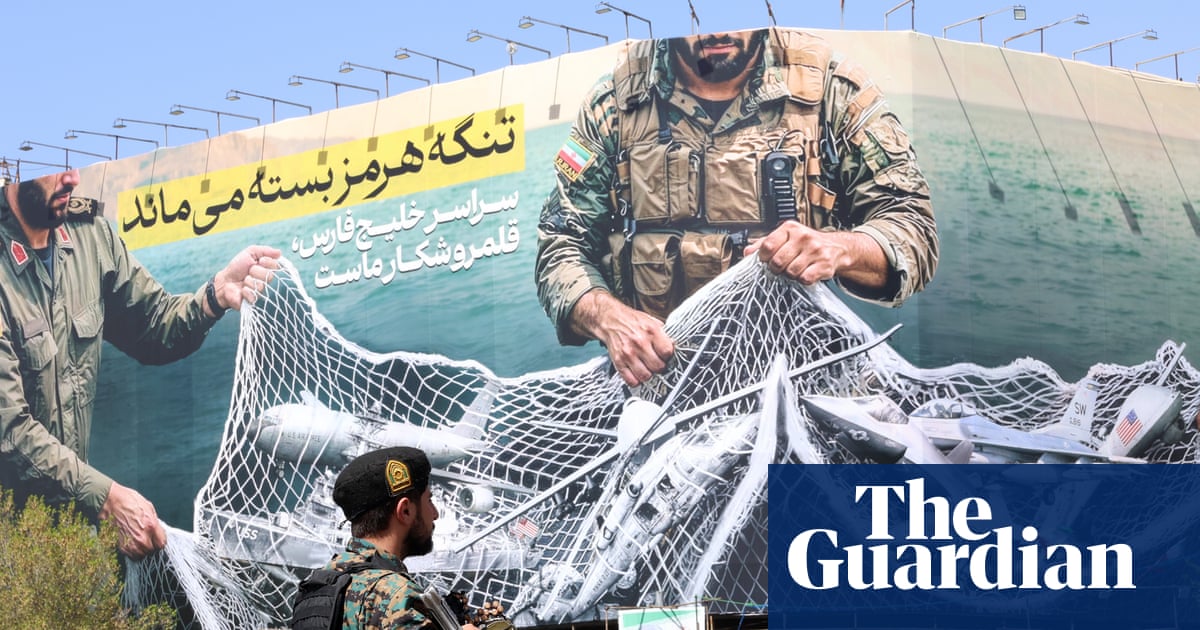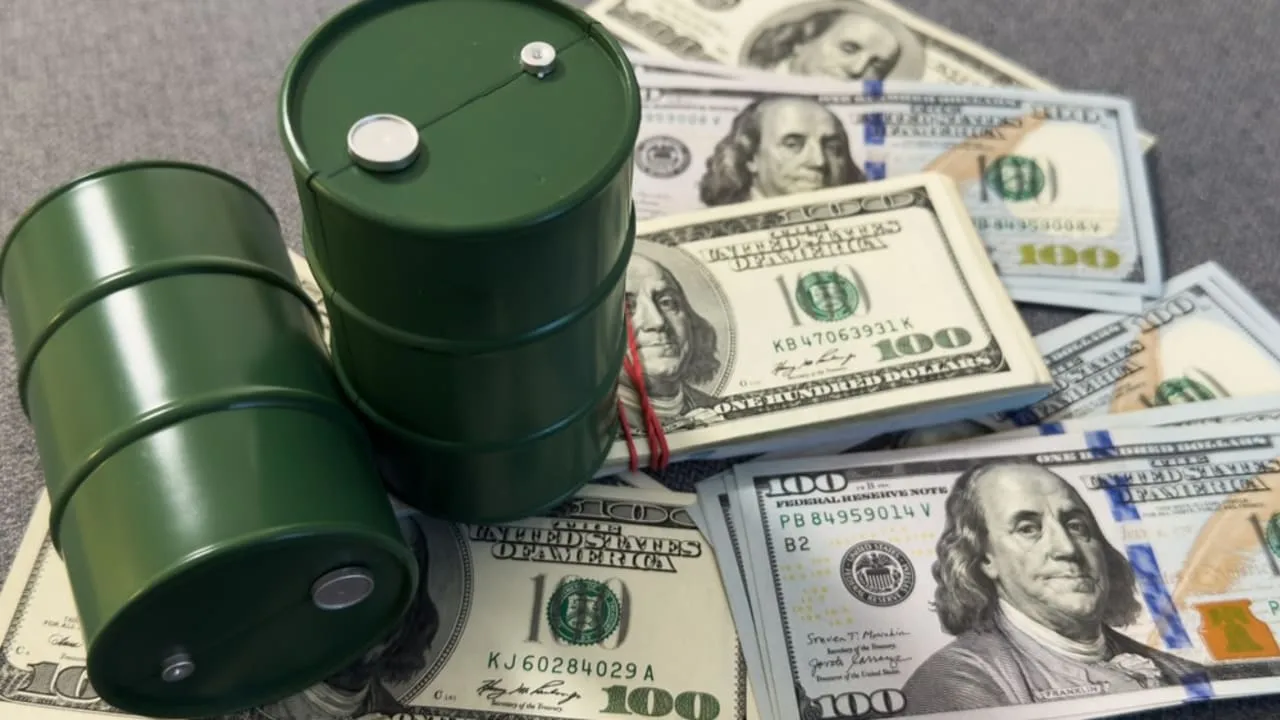
The International Monetary Fund (IMF) cut its growth outlook on Tuesday due to Iran's war-driven energy price spikes and supply disruptions, warning that the global economy would teeter on the brink of recession if the conflict worsens and oil stays above $100 per barrel through 2027.
With massive uncertainty over the Middle East conflict gripping finance officials gathering for the IMF and World Bank spring meetings in Washington, the IMF presented three growth scenarios: weaker, worse, and severe, depending on how the war unfolds.
The World Economic Outlook's most optimistic "reference scenario" assumes a short-lived war with Iran and forecasts 3.1% real GDP growth for 2026, down 0.2 percentage points from its previous forecast in January. Under this scenario, oil prices average $82 per barrel for all of 2026, down from recent levels of around $100 for the Brent benchmark futures price.
Absent the Middle East conflict, the IMF said it would have upgraded its growth outlook by 0.1 percentage point to 3.4% due to a continued technology investment boom, lower interest rates, less severe U.S. tariffs, and fiscal support in some countries.
But the war has created a far bigger risk to the global economy than President Donald Trump's initial wave of steep tariffs did a year ago, IMF chief economist Pierre-Olivier Gourinchas told Reuters in an interview.